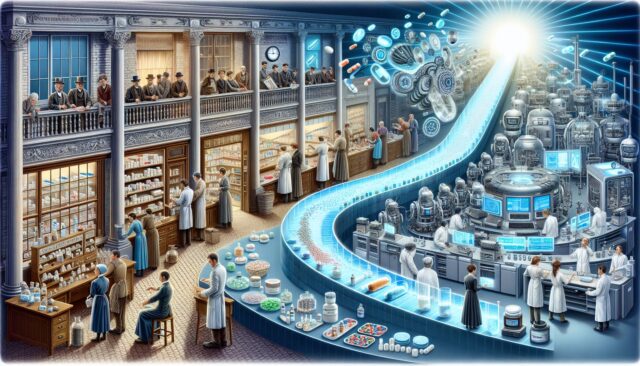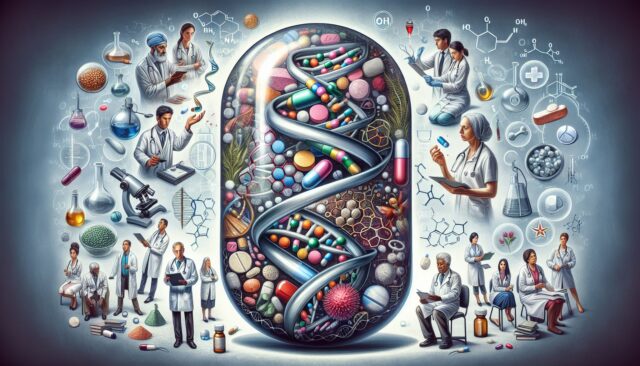
In today’s world, the pharmaceutical industry plays a crucial role in the advancement of medicine. From discovering life-saving drugs to providing effective treatments for various ailments, this industry has undoubtedly contributed significantly to improving global healthcare. With ongoing research and development, pharmaceutical companies are constantly striving to enhance human well-being and provide relief to patients worldwide.
The Introduction of Pharmaceutical Industry
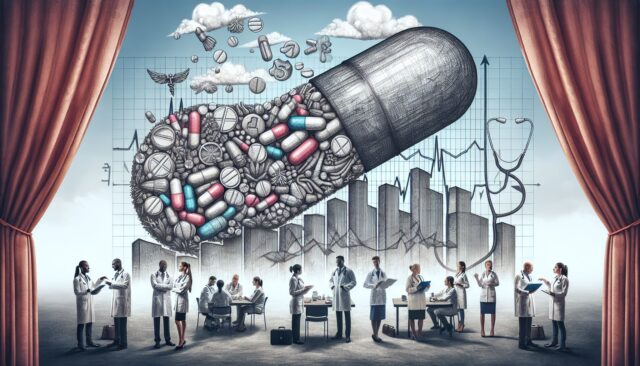
The pharmaceutical industry, also known as Big Pharma, is responsible for researching, developing, manufacturing, and marketing drugs for medical use. These drugs may include prescription medications, over-the-counter drugs, vaccines, and other therapeutic substances. The industry has witnessed remarkable growth over the years, making significant progress in preventing, treating, and curing diseases that were once considered incurable.
Advancements in Drug Discovery and Development
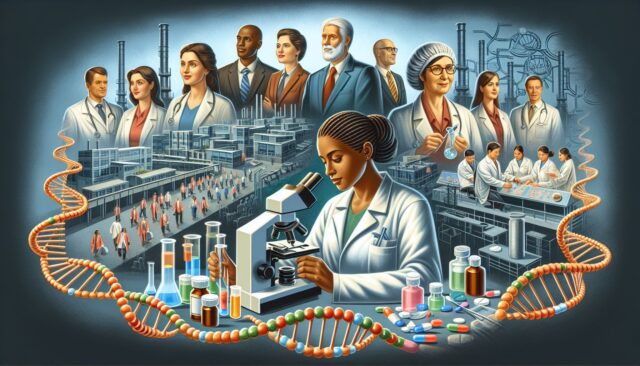
Pharmaceutical companies invest billions of dollars in research and development each year, resulting in groundbreaking discoveries and innovations. Through meticulous research, scientists identify potential drug targets, develop compounds, and conduct extensive testing to ensure safety and efficacy. Once a drug candidate passes rigorous clinical trials, it can emerge as a powerful tool for physicians, empowering them to combat diseases effectively.
Improving the Quality of Life
The pharmaceutical industry has revolutionized patient care by developing medications that mitigate pain, manage chronic conditions, and cure diseases. Diseases like cancer, diabetes, and cardiovascular ailments that were once life-threatening now have better treatment options, improving patient outcomes and extending survival rates. Furthermore, the development of vaccines has played a pivotal role in eradicating diseases like polio and significantly reducing the impact of infectious diseases worldwide.
Enhancing Access to Medicines
Pharmaceutical companies strive to make their medications accessible to patients globally. Through partnerships with governments and organizations, they work towards reducing barriers to access, especially in low-income countries. Initiatives such as drug donation programs, differential pricing, and licensing agreements promote the availability of essential medicines to underserved populations, thus bridging the healthcare gap.
Challenges and Ethical Considerations
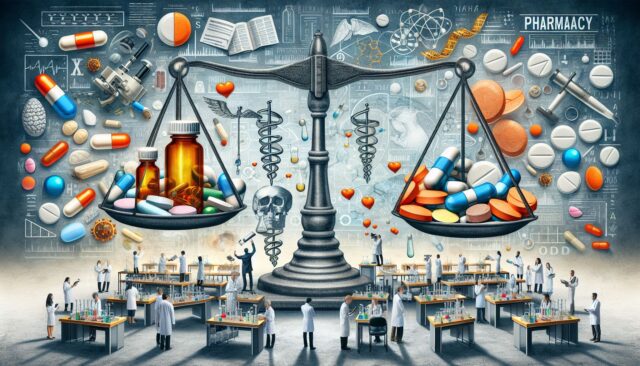
Although the pharmaceutical industry has made tremendous strides, it faces several challenges and ethical considerations. The rising costs of drugs and patent monopolies can limit access for patients, particularly in developing nations. Additionally, ethical concerns surround issues like clinical trial transparency, overprescribing, and the influence of pharmaceutical marketing on physicians’ prescribing behavior. Addressing these challenges is crucial to ensuring equitable access to medicines and maintaining public trust.
The Future of the Pharmaceutical Industry
As technology continues to advance, the future of the pharmaceutical industry holds immense promise. Increasingly personalized medicine approaches, such as gene therapy and targeted therapies, are paving the way for more effective and precise treatments. The integration of artificial intelligence and machine learning is streamlining drug discovery processes, leading to faster identification of potential drug targets. Furthermore, advancements in biotechnology and nanotechnology are opening up new avenues for drug delivery and treatment methods.
Conclusion
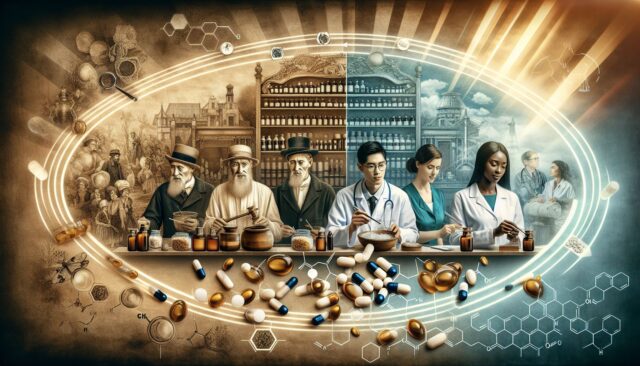
The pharmaceutical industry plays a vital role in improving human health and quality of life. By developing groundbreaking drugs, providing access to essential medicines, and constantly pushing the boundaries of scientific knowledge, this sector has revolutionized modern medicine. While challenges and ethical considerations persist, the industry’s dedication to advancing healthcare will continue to drive innovation and pave the way for a healthier future for all.