Effiziente Abfallwirtschaft: Der Nutzen eines manuellen Kunststoffhäckslers im Betrieb

In einer Welt, die buchstäblich mit Plastikabfällen überschwemmt wird, wird das Management und Recycling von Kunststoff zur Notwendigkeit. Ein manueller Kunststoffhäcksler kann hier erstaunliche Dienste leisten, insbesondere für Betriebe, die den ersten Schritt in ein umweltfreundlicheres Management von Kunststoffabfällen gehen möchten. Doch wann lohnt sich der Einsatz tatsächlich, und wie finden Sie den richtigen Kunststoffhäcksler für Ihren Bedarf?

Was ist ein manueller Kunststoffhäcksler?

Ein manueller Kunststoffhäcksler ist ein mechanisches Gerät, das zur Zerkleinerung von Kunststoffabfällen eingesetzt wird. Im Gegensatz zu seinen elektrischen oder hydraulischen Pendants wird er mittels Muskelkraft betrieben. Diese Geräte sind in der Regel kompakter, preisgünstiger und für kleinere Mengen an Abfall ausgelegt. Die Entscheidung, einen manueller Kunststoffhäcksler kaufen, kann eine kluge Investition für Umgebungen sein, in denen Flexibilität und Mobilität gefragt sind.

Vorteile der Nutzung von manuellen Kunststoffhäckslern

Manuelle Kunststoffhäcksler bieten zahlreiche Vorteile, insbesondere in kleineren Betrieben oder Werkstätten. Hier einige der Hauptvorteile:

  • Kosteneffizienz: Ohne den Bedarf an Strom oder teuren Wartungen bieten diese Maschinen eine budgetfreundliche Lösung.
  • Umweltfreundlichkeit: Durch den geringen Energieverbrauch punkten manuelle Häcksler im Bereich der Nachhaltigkeit.
  • Flexibilität und Mobilität: Auf Grund ihrer geringen Größe und ihres leichten Gewichts können sie leicht an unterschiedliche Standorte gebracht werden, um Abfälle direkt vor Ort zu verarbeiten.

Wann lohnt sich der Einsatz?

Ein manueller Kunststoffhäcksler ist besonders geeignet für Betriebe, die:

  1. Geringe bis mittlere Mengen an Kunststoffabfällen bearbeiten.
  2. Eine kostengünstige Einstiegslösung suchen, um sich für die Zukunft im Bereich Recycling zu rüsten.
  3. Auf Nachhaltigkeit setzen und den Energieverbrauch minimieren möchten.

Für größere Betriebe könnte es sich lohnen, über den Einsatz eines größeren, motorbetriebenen Systems nachzudenken. Doch gerade bei kleineren Betrieben und Werkstätten findet der manuelle Kunststoffhäcksler oft den idealen Einsatzbereich.

Integration in den Betriebsablauf

Bei der Implementierung eines manuellen Kunststoffhäckslers von Herstellern wie Frenztechnik Hersteller in den Betriebsablauf ist es wesentlich, den Prozess bereits in der Planungsphase gut zu durchdenken. Hierbei gilt es zu entscheiden, wer für die Bedienung zuständig sein wird, und welche spezifischen Kunststoffarten verarbeitet werden sollen. Schulungen und Sicherheitsanweisungen sind wichtig, um einen effizienten und sicheren Einsatz zu gewährleisten.

Manueller Häcksler: Ein kleiner Schritt – große Wirkung

Während die Anschaffung eines manuellen Kunststoffhäckslers auf den ersten Blick wie ein kleiner Schritt erscheinen mag, kann sie eine große Wirkung erzielen. Sie ebnet den Weg zu nachhaltigerem Wirtschaften, reduziert den ökologischen Fußabdruck eines Unternehmens und zeigt Verantwortung gegenüber der Umwelt. Ein manueller Kunststoffhäcksler zu kaufen, kann daher nicht nur eine Investition in die Abfallwirtschaft, sondern auch in das Image Ihres Unternehmens sein. Indem Sie Recyclingmöglichkeiten verbessern und den Kunststoffkreislauf schließen, leisten Sie buchstäblich Ihren Beitrag zu einer besseren Zukunft.

Exploring the Dark Aesthetic: Key Elements of Goth Fashion

Goth fashion is a striking blend of dark romanticism and edgy style, attracting individuals who seek to express their unique identity through distinctive clothing and accessories. With roots tracing back to the post-punk music scene of the late 1970s and early 1980s, goth fashion has evolved into a complex aesthetic that embraces a variety of influences, from Victorian elegance to punk rebellion. If you’re curious about this fascinating style, you might want to check out reviews on a gothnrock clothing reviews site to gain insights about popular brands and trends.

Historical Context of Goth Fashion

The origins of goth fashion can be traced to the post-punk movement. Bands like Bauhaus and Siouxsie and the Banshees established a sound intertwined with dark themes, which in turn influenced the fashion of their fans. The goth subculture emerged as a counter-culture expression, echoing a fascination with the macabre and the paranormal. Early adopters of this style incorporated elements from various eras, most notably Victorian and Edwardian styles, leading to a modern amalgamation that has captured global attention.

Key Elements of Goth Fashion

Understanding goth fashion requires a look into its defining characteristics. Here are some key elements that exemplify this aesthetic:

  • Color Palette: Goth fashion primarily embraces dark colors, particularly black, which symbolizes mystery and elegance. Accents of deep reds, purples, and sometimes metallic shades often add depth to outfits.
  • Fabrics and Textures: Common materials include lace, velvet, leather, and cotton. Layering different textures is a hallmark of goth attire, creating visually interesting outfits that feel rich and luxurious.
  • Silhouettes: Tailored fits, flowing skirts, and oversized coats are prevalent. A combination of fitted and loose garments often characterizes a classic goth ensemble.
  • Accessories: Jewelry plays a significant role, with items often featuring symbols like crosses, skulls, and bats. Other accessories may include chokers, wrist cuffs, and belts that complement the overarching look.
  • Footwear: Boots, especially combat boots and platform shoes, are essential in goth fashion. They provide both a punk edge and a statement of individuality.

Influences and Variations

While the core elements of goth fashion remain consistent, various sub-genres have emerged, each with its unique twist. Some of these include:

  1. Victorian Goth: This style draws heavily on the elegance of Victorian fashion, featuring corsets, long skirts, and elaborate accessories.
  2. Punk Goth: Merging punk’s rebellious spirit with goth’s darker elements, this style often includes ripped clothing, spikes, and aggressive visual motifs.
  3. Cyber Goth: Incorporating futuristic elements such as neon colors and synthetic materials, this style embraces technology and digital culture.
  4. Romantic Goth: A softer approach that emphasizes flowing fabrics and ethereal designs, often incorporating floral patterns and softer colors.

Making Goth Fashion Your Own

For those interested in exploring goth fashion, it’s important to remember that personal expression is key. Customizing outfits, mixing and matching elements from different styles, and selecting accessories that resonate with your personal aesthetic can make the look truly unique. Whether you choose to shop from established goth brands or explore options on a gothnrock clothing reviews site, finding pieces that speak to you is essential.

The Allure of Dark Aesthetics

The allure of goth fashion goes beyond mere clothing; it offers a way for individuals to express their inner selves and embrace themes that society often overlooks. By celebrating darkness, mystery, and individuality, the goth aesthetic serves as a powerful mode of self-expression. As this subculture continues to evolve, it remains a vibrant and dynamic aspect of contemporary fashion that encourages personalization and creativity.

Shop Smart: Choosing the Right Vision Camera for Industrial Automation

In the ever-evolving world of industrial automation, vision cameras play a pivotal role in enhancing efficiency and precision. These cameras from https://va-imaging.com are literally the eyes of automated systems, providing crucial insights that drive intelligent decision-making. Selecting the right vision camera can be a daunting task with an overwhelming array of options available. From understanding technical specifications to evaluating environmental factors, there are several key considerations to keep in mind.

Understanding Your Application Needs

Before diving into the specifics of camera selection, it’s essential to clearly understand your application needs. Are you looking for a solution that requires high-speed processing or one that demands high-resolution imaging? Knowing your priorities will guide you towards features that matter most.

  • Resolution: Determine the level of detail required. Higher resolution cameras capture more detail but come at a higher cost.
  • Speed: High-speed applications like conveyor belt inspections need fast image processing capabilities.
  • Sensitivity: Low-light environments may require cameras with enhanced sensitivity to ensure accurate image capturing.

The Importance of Sensor Technology

The sensor is arguably one of the most critical components in a vision camera. It determines how well the camera performs across different lighting conditions and influences image quality significantly.

  1. CCD Sensors: Known for their excellent image quality and light sensitivity, CCD sensors are ideal for applications requiring superior image clarity.
  2. CMOS Sensors: These provide faster processing speeds and lower power consumption compared to CCDs, making them suitable for dynamic environments where speed is crucial.

Lenses: Focus on Precision

A great sensor isn’t enough if it’s not paired with an equally capable lens. The lens focuses light onto the sensor and directly affects image sharpness and field of view (FOV).

  • Lens Mount Types: C-mounts are commonly used due to their versatility while CS-mounts offer compact solutions for space-constrained setups.
  • Aperture Size: Larger apertures allow more light to reach the sensor but reduce depth of field – striking a balance based on application requirements is key.

The Role of Software Integration

An often-overlooked aspect when selecting a vision camera is its software compatibility and integration capabilities within existing systems like PLCs (Programmable Logic Controllers) or SCADA (Supervisory Control And Data Acquisition) frameworks. Look for cameras offering open APIs or SDKs that facilitate seamless integration into your current workflow without extensive modifications required on existing infrastructure such as found at https://va-imaging.com .

Your Environment Matters Literally!

The environment where you’ll deploy these vision systems can pose unique challenges requiring specific features from chosen equipment; whether dealing with harsh chemicals causing corrosion over time or extreme temperatures impacting performance stability – choosing ruggedized models designed specifically withstand tough conditions ensures longevity reliability long-term use cases scenario deployment scenarios..

A Glimpse Into The Future Of Vision Cameras For Industry 4 .0

As industries continue embracing automation advancements under Industry 4 .0 umbrella , future holds exciting possibilities further enhancing operational efficiencies through smarter interconnected devices harnessing power artificial intelligence machine learning algorithms analyze data real-time optimize processes beyond today ‘ s limitations ultimately driving innovation forward reaching new heights productivity profitability across sectors worldwide … Stay tuned because journey has only just begun !

Why Brands Are Investing in Social Media Firms

The Rise of Social Platforms: A New Era in Marketing

In today’s digital age, social media platforms are not just a means of communication; they have become powerful marketing tools that can literally transform how brands interact with their audience. The utilization of a social media firm is an increasingly popular approach for brands seeking to effectively navigate this digital landscape. These firms, like Socially Powerful, offer expertise in strategy, content creation, and analytics, ensuring that brands not only reach their target audience but also engage them meaningfully.

Enhanced Brand Visibility and Reach

Brands are constantly looking for new ways to stand out in an overcrowded market. Social media firms provide specialized services that enhance brand visibility through strategic campaigns, influencer partnerships, and targeted advertising. Here’s why this matters:

  • Targeted Advertising: Social media firms use sophisticated algorithms to deliver content directly to the demographics most likely to engage with a brand. This precision ensures that marketing budgets are spent efficiently while maximizing reach.
  • Influencer Collaborations: By partnering with the right influencers, brands can amplify their message and create authentic connections with potential customers.
  • Content Strategy: Tailoring content to fit specific platform norms and audience preferences increases engagement rates and encourages shares, driving brand presence even further.

Data-Driven Insights for Strategic Decision-Making

Data analytics have become an integral part of marketing strategy. Social media firms excel in harnessing big data to provide actionable insights:

  1. Real-Time Analytics: Social media firms offer access to dashboards that give brands real-time insights into campaign performance, allowing for immediate adjustments and optimization.
  2. Behavioral Data: By analyzing user behavior and engagement metrics, firms can forecast trends and advise brands on future marketing strategies.
  3. ROI Tracking: Socially Powerful and similar firms provide tools to track the return on investment, ensuring that every marketing dollar is accounted for and maximized.

The Power of Community Building

Successful brands understand the importance of building a loyal community. Social media firms specialize in engaging audiences and fostering connections between brands and their followers:

  • Consistent Interaction: Firms manage brand accounts to consistently engage with audiences, offering prompt responses and building rapport.
  • User-Generated Content: Encouraging users to create content related to the brand increases authenticity and organic reach.
  • Storytelling: Socially Powerful knows the importance of weaving compelling narratives that resonate with audiences, converting them into brand ambassadors.

Innovation and Staying Ahead

The digital landscape is perpetually evolving, with new platforms and trends emerging regularly. Brands invest in social media firms to stay ahead of the curve:

  • Trend Awareness: Firms keep an eye on emerging trends, helping brands adapt their strategies to stay relevant in a rapidly changing environment.
  • Experimentation: Social media firms aren’t afraid to try new approaches, whether that’s using AR technology in campaigns or adopting early-stage platforms like TikTok.
  • Pioneering Strategies: Companies such as Socially Powerful develop cutting-edge strategies that establish brands as leaders in their industry.

The Future is Social

Investing in a social media firm is not merely a tactical choice but a strategic necessity in today’s market. From optimizing brand visibility to leveraging data-driven insights, these firms empower brands to not just participate in the social dialogue but to lead it. As the digital world spins ever faster, aligning with expert partners like Socially Powerful ensures that brands do not just keep pace but set the pace for everything that comes next.

Miami’s Unique Approach to Influencer Gifting Strategies

The Rise of Influencer Marketing in Miami

Miami has emerged as a vibrant hub for innovative marketing strategies, attracting brands eager to leverage its dynamic culture and diverse demographics. As influencer marketing gains traction globally, many Miami-based companies have taken it a step further by developing bespoke influencer gifting campaigns. These campaigns are literally transforming traditional marketing tactics into bespoke experiences that resonate with influencers and their audiences.

Personalization: The Heart of Miami’s Strategy

At the core of Miami’s approach to influencer gifting campaigns is a heightened emphasis on personalization. Brands invest time in understanding the unique tastes, styles, and preferences of each influencer. This can range from luxury goods customized with the influencer’s initials to curated packages filled with locally sourced items that reflect Miami’s vibrant culture. By aligning gifts with the influencers’ individual brand, Miami marketers ensure their offerings are not just seen but cherished and shared organically by influencers with their followers.

Embracing Miami’s Cultural Flair

Miami is renowned for its rich cultural tapestry, and local brands deftly incorporate this into their gifting strategies. By infusing gifts with Miami’s signature elements, such as tropical motifs, beach-inspired accessories, and art deco influences, marketers create packages that are as visually appealing as they are valuable. This cultural integration not only makes the gifts more memorable but also positions them as must-haves for influencers looking to capture and share the essence of Miami with their audience.

Eco-Friendly and Sustainable Gifting

In response to the increasing demand for sustainability, many Miami brands prioritize eco-friendly and sustainable materials in their influencer gifts. This approach includes using reusable packaging, organic materials, and partnering with local artisans who focus on environmentally conscious production. By doing so, brands not only align themselves with influencers who champion sustainability but also resonate with the growing market of eco-conscious consumers.

Collaborations and Co-Creation

One of the standout strategies in Miami’s influencer gifting campaigns is the emphasis on collaborations and co-creation. Brands collaborate with influencers not just as recipients but as active participants in the gift design process. This could involve inviting influencers to co-design elements of the product or package, ensuring that their personal brand is interwoven with the gift itself. This strategy fosters a deeper connection between the brand and the influencer, enhancing authenticity and boosting engagement rates.

Event-Based Gifting Experiences

Miami brands often combine gifting with exclusive events or experiences, creating a hybrid approach that amplifies engagement. Whether it’s a private launch party on a yacht or an intimate gathering at a renowned art gallery, these events not only serve as the perfect backdrop for gifting but also provide influencers with shareable content for their social media platforms. Creating an immersive experience around the gift helps ensure that it is not only memorable but also tied to a unique Miami story that influencers are eager to tell.

Miami’s Secret Sauce: Partnerships and Community Building

A final element that sets Miami apart in the influencer gifting arena is its focus on building long-term partnerships and fostering a sense of community. Rather than viewing gifting as a one-time transaction, Miami brands are cultivating ongoing relationships by involving influencers in brand storytelling efforts and ambassador programs. This approach not only builds loyalty and trust but also encourages influencers to engage more deeply and authentically with the brand over time, creating a ripple effect that benefits both the brand and the influencer’s community.

The Magic Behind Miami’s Influencer Gift Success

Miami’s innovative approach to influencer gifting combines personalization, cultural integration, sustainability, collaboration, and immersive experiences to create unforgettable campaigns. By nurturing genuine connections with influencers and tapping into Miami’s unique cultural flair, brands in the city are literally redefining the influencer marketing playbook, setting new standards for creativity and engagement in the digital age.

The Pharmaceutical Industry: Advancements in Medicine

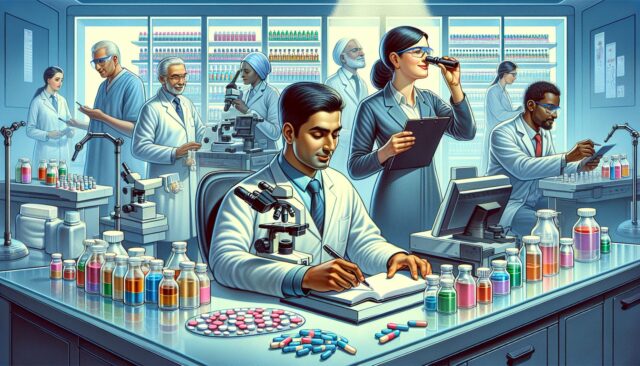
The pharmaceutical industry plays a critical role in the development and production of medicines that improve and save lives. From research and development to clinical trials and regulatory approvals, pharmaceutical companies are at the forefront of innovation in healthcare.

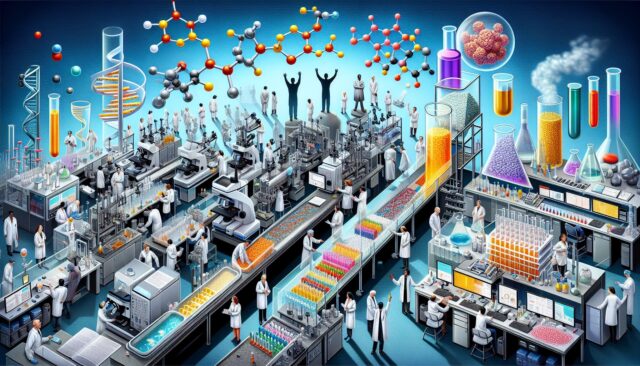
One of the key functions of the pharmaceutical industry is to discover and develop new medications to treat a wide range of medical conditions. This process involves a combination of scientific research, clinical trials, and regulatory approval. Pharmaceutical companies invest heavily in research and development to identify potential drug candidates and bring them to market.

Once a new medication is developed, pharmaceutical companies must conduct rigorous testing to ensure its safety and efficacy. Clinical trials are conducted to evaluate the drug’s effectiveness, side effects, and optimal dosage. These trials are essential for obtaining regulatory approval from health authorities such as the Food and Drug Administration (FDA) in the United States.

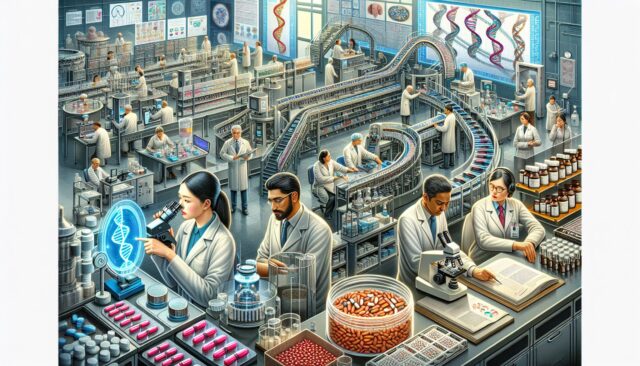
In addition to developing new medications, pharmaceutical companies also play a crucial role in manufacturing and distributing drugs to patients. This involves producing drugs in large quantities, ensuring quality control, and working with healthcare providers to distribute medications to those in need. The pharmaceutical industry plays a critical role in ensuring that patients have access to essential medications to treat their medical conditions.

Overall, the pharmaceutical industry is instrumental in advancing healthcare and improving patient outcomes. Through innovation and collaboration, pharmaceutical companies have developed groundbreaking medications that have revolutionized the treatment of diseases such as cancer, diabetes, and heart disease. These advancements have saved countless lives and improved the quality of life for millions of people around the world.

In conclusion, the pharmaceutical industry plays a vital role in the development and production of medications that improve and save lives. Through research, development, and collaboration, pharmaceutical companies have made significant advancements in healthcare that benefit patients globally. The innovations of the pharmaceutical industry continue to drive progress in medicine and provide hope for better treatments and cures in the future.

The Growing Importance of the Pharmaceutical Industry

The pharmaceutical industry plays a crucial role in our society by researching, developing, and producing life-saving medicines. As advancements in technology and medical science continue to progress, the demand for safe and effective medications has never been higher.

In recent years, the pharmaceutical industry has faced scrutiny over issues such as drug pricing, patent protection, and ethical practices. However, it is important to recognize the positive impact that this industry has on public health.

Pharmaceutical companies invest billions of dollars in research and development to discover new treatments for a wide range of diseases and conditions. These investments have led to groundbreaking discoveries in areas such as cancer, infectious diseases, and rare genetic disorders. Without the pharmaceutical industry, many life-saving therapies would not be available to patients around the world.

Furthermore, the pharmaceutical industry has played a critical role in responding to global health crises such as the COVID-19 pandemic. Pharmaceutical companies have worked tirelessly to develop vaccines and treatments to combat the virus, demonstrating their commitment to public health and safety.

Despite these achievements, the pharmaceutical industry continues to face challenges in terms of access to medicines, affordability, and ensuring the safety of patients. It is important for governments, regulatory bodies, and pharmaceutical companies to work together to address these issues and ensure that all patients have access to the medicines they need.

In conclusion, the pharmaceutical industry is a vital part of our healthcare system and plays a crucial role in improving and saving lives. Through research, innovation, and collaboration, pharmaceutical companies are able to develop new treatments and therapies that have a profound impact on public health. While there are challenges facing the industry, it is important to recognize the valuable contributions that pharmaceutical companies make to society.

As we continue to navigate the complexities of the healthcare landscape, it is essential that we support and promote the efforts of the pharmaceutical industry to advance medical science and improve the quality of life for all individuals.

The Intricacies of the Pharmaceutical Industry and Medicine

The pharmaceutical industry plays a crucial role in the development and distribution of medicine to improve public health. In recent years, advancements in medical research and technology have revolutionized the way medicine is produced and consumed. However, with these advancements come various challenges and controversies that shape the landscape of the pharmaceutical industry.

One of the main challenges facing the pharmaceutical industry is the high cost of medicine. The process of developing new drugs from research and development to clinical trials is lengthy and expensive, leading to high prices for medications. This has raised concerns about accessibility and affordability, particularly for low-income individuals who may struggle to afford essential medications.

Another issue that the pharmaceutical industry grapples with is the regulation of drug safety and efficacy. Government agencies like the Food and Drug Administration (FDA) play a critical role in evaluating the safety and effectiveness of medications before they are approved for public use. However, concerns about the influence of pharmaceutical companies on these regulatory processes have raised questions about the integrity of the industry.

Furthermore, the pharmaceutical industry faces criticism for its marketing practices. Direct-to-consumer advertising of prescription medications has become common, leading to concerns about overprescribing and the influence of marketing on the doctor-patient relationship. Additionally, the industry has been accused of prioritizing profits over public health, leading to controversies such as price gouging and unethical marketing tactics.

Despite these challenges, the pharmaceutical industry continues to play a vital role in advancing medical breakthroughs and improving public health. The development of new treatments for diseases like cancer, HIV/AIDS, and Alzheimer’s disease has revolutionized healthcare and saved countless lives. Collaboration between researchers, healthcare providers, and pharmaceutical companies is essential to drive innovation and improve patient outcomes.

In conclusion, the pharmaceutical industry is a complex and multifaceted sector that plays a critical role in the development and distribution of medicine. While there are challenges and controversies that shape the industry, it is essential to acknowledge the significant advancements and achievements that have been made in healthcare. By addressing issues such as affordability, regulation, and marketing practices, we can work towards a more sustainable and ethical pharmaceutical industry that prioritizes patient well-being above all else.

The Pharmaceutical Industry: A Vital Sector for Medicine

The pharmaceutical industry plays a crucial role in the development, production, and distribution of life-saving medications. With the increasing demand for innovative treatments and advancements in medical technology, the pharmaceutical industry continues to be a key player in the healthcare sector.

In recent years, the pharmaceutical industry has seen significant growth and advancements in medicine. This has been driven by a combination of factors, including an aging population, increasing prevalence of chronic diseases, and a greater focus on personalized medicine. As a result, pharmaceutical companies are constantly investing in research and development to create new drugs and therapies that can address unmet medical needs.

One of the key challenges facing the pharmaceutical industry is the high cost of drug development. Bringing a new drug to market can take years and cost millions – if not billions – of dollars. This cost is driven by the need for rigorous testing, clinical trials, regulatory approval, and manufacturing processes. Despite these challenges, the pharmaceutical industry continues to push forward in order to develop new treatments and improve patient outcomes.

Another important aspect of the pharmaceutical industry is its role in public health. Through the development of vaccines, antibiotics, and other medications, pharmaceutical companies have played a critical role in controlling and preventing infectious diseases. In recent years, the industry has also made significant advancements in the treatment of chronic conditions such as cancer, diabetes, and cardiovascular disease.

However, the pharmaceutical industry is not without its criticisms. Many have raised concerns about the high cost of prescription drugs, lack of transparency in drug pricing, and potential conflicts of interest between pharmaceutical companies and healthcare providers. Additionally, there have been instances of drug recalls, safety concerns, and unethical marketing practices that have put the industry under scrutiny.

Despite these challenges, the pharmaceutical industry remains a vital sector for medicine. Through continued research, innovation, and collaboration, pharmaceutical companies have the potential to revolutionize healthcare and improve patient outcomes. It is important for the industry to address the issues that have been raised and work towards a more sustainable and ethical approach to drug development and distribution.

In conclusion, the pharmaceutical industry is a critical player in the healthcare sector. With the development of new drugs, treatments, and technologies, pharmaceutical companies are at the forefront of improving patient care and driving innovation in medicine. By addressing challenges and working towards greater transparency and accountability, the industry can continue to make significant contributions to public health and well-being.

The Evolving Landscape of the Pharmaceutical Industry

The pharmaceutical industry plays a crucial role in developing, producing, and distributing medicine to improve the health and well-being of people worldwide. Over the years, advancements in technology and research have revolutionized the way medicine is developed and brought to market.

One of the key aspects of the pharmaceutical industry is the research and development of new drugs. Pharmaceutical companies invest significant resources in discovering and testing new compounds that have the potential to treat various medical conditions. This process involves rigorous scientific research, clinical trials, and regulatory approval before a new drug can be brought to market.

In recent years, there has been a shift towards personalized medicine in the pharmaceutical industry. Personalized medicine aims to tailor medical treatments to individual patients based on their genetic makeup, lifestyle, and other factors. This approach allows for more targeted and effective treatments, ultimately leading to better patient outcomes.

The pharmaceutical industry also plays a critical role in ensuring the safety and efficacy of medicine. Regulatory bodies like the Food and Drug Administration (FDA) in the United States set strict guidelines for the development and approval of drugs to ensure that they are safe for human use. Pharmaceutical companies must adhere to these regulations to bring their products to market and protect the health of consumers.

As the global population continues to grow and age, the demand for innovative medicines is on the rise. This has led to increased collaboration between pharmaceutical companies, academic institutions, and government agencies to accelerate the drug development process. By working together, these stakeholders can pool their resources and expertise to bring new treatments to patients more quickly and efficiently.

Despite the many advances in the pharmaceutical industry, there are also challenges that must be addressed. One of the most pressing issues is the rising cost of prescription drugs, which can make access to essential medications difficult for some patients. Pharmaceutical companies are under pressure to balance the need for profits with the need to provide affordable and accessible healthcare options for all.

In conclusion, the pharmaceutical industry plays a vital role in advancing medicine and improving public health. Through continued research, innovation, and collaboration, pharmaceutical companies can develop new treatments that benefit patients around the world. However, it is essential for the industry to address challenges such as rising costs and access to care to ensure that everyone has access to the medications they need to live healthy lives.