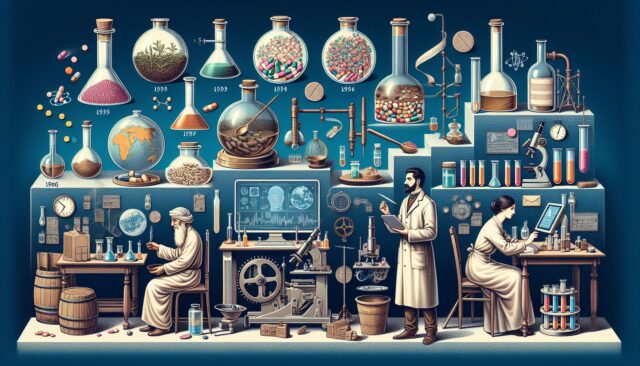
The Pharmaceutical Industry: Revolutionizing Medicine

The pharmaceutical industry plays a vital role in revolutionizing the field of medicine. With continuous innovation and advancements in research and development, pharmaceutical companies are able to bring life-saving medications to the market, improving the quality of life for millions of people around the world.

One of the key aspects of the pharmaceutical industry is drug discovery and development. This process involves identifying potential drug candidates, conducting preclinical testing, and eventually moving on to clinical trials to determine the safety and effectiveness of the medication. Through this rigorous process, pharmaceutical companies are able to bring new and improved treatments to patients suffering from various medical conditions.

In addition to drug discovery, the pharmaceutical industry also plays a critical role in ensuring the safety and efficacy of medications. Regulatory agencies such as the Food and Drug Administration (FDA) in the United States are responsible for reviewing and approving new drugs before they can be marketed to the public. This rigorous approval process helps to protect patients from potentially harmful medications and ensures that only safe and effective treatments are available on the market.

Furthermore, the pharmaceutical industry is constantly investing in research and development to find new treatments for a wide range of diseases and medical conditions. From cancer to infectious diseases to chronic illnesses, pharmaceutical companies are dedicated to finding innovative solutions to improve patient outcomes and overall public health.

Despite the many advancements made by the pharmaceutical industry, there are also challenges that companies face. These include rising costs of drug development, increasing regulatory requirements, and growing competition in the market. However, pharmaceutical companies continue to push forward, driven by a commitment to improving patient care and making a positive impact on global health.

In conclusion, the pharmaceutical industry plays a crucial role in advancing medicine and improving patient outcomes. Through continuous innovation, research, and development, pharmaceutical companies are able to bring life-saving medications to the market, offering hope to millions of individuals around the world. With a focus on safety, efficacy, and patient care, the pharmaceutical industry continues to be at the forefront of modern medicine, paving the way for a healthier and more prosperous future for all.


Nowadays, it is essential to keep in mind the challenges faced by the pharmaceutical industry and acknowledging the importance of them in revolutionizing medicine.

The Role of the Pharmaceutical Industry in Medicine

The pharmaceutical industry plays a crucial role in the development and distribution of medications to treat various health conditions. This industry is responsible for researching, creating, and delivering safe and effective drugs to patients around the world. In this blog post, we will discuss the importance of the pharmaceutical industry in advancing medicine and improving public health.

Introduction

The pharmaceutical industry is dedicated to discovering new treatments for diseases, improving existing medications, and ensuring that all medications are safe for consumer use. Without this industry, many life-saving drugs would not be available to patients. Pharmaceutical companies invest billions of dollars in research and development to bring innovative medications to the market.

Body

One of the key roles of the pharmaceutical industry is to conduct clinical trials to test the safety and efficacy of new drugs. These trials are essential to ensure that medications are safe for human use and that they provide the intended therapeutic benefits. Additionally, pharmaceutical companies work closely with regulatory agencies to obtain approval for their drugs and to ensure that they meet the necessary quality standards.

Furthermore, the pharmaceutical industry plays a significant role in public health by developing vaccines to prevent the spread of infectious diseases. Vaccines have played a crucial role in eradicating deadly diseases such as polio and smallpox. Pharmaceutical companies also produce medications to treat chronic conditions such as diabetes, heart disease, and cancer, improving the quality of life for millions of patients worldwide.

In addition to developing new drugs, the pharmaceutical industry also works to improve drug delivery systems to make medications more effective and easier to administer. For example, advancements in technology have led to the development of sustained-release tablets, transdermal patches, and inhalers, which offer more convenient and precise dosing options for patients.

Conclusion

In conclusion, the pharmaceutical industry plays a vital role in advancing medicine and improving public health. Without the innovative research and development carried out by pharmaceutical companies, many life-saving medications would not be available to patients. The industry’s commitment to creating safe and effective drugs, conducting clinical trials, and collaborating with regulatory agencies ensures that patients receive high-quality medications to treat a wide range of health conditions. Moving forward, continued investment in research and development is essential to address the evolving healthcare needs of society and to improve outcomes for patients.

The Role of the Pharmaceutical Industry in Improving Health

The pharmaceutical industry plays a crucial role in advancing healthcare by developing and producing medicines that treat various diseases and improve quality of life for millions of people worldwide. With continuous research and innovation, pharmaceutical companies have been able to introduce new and improved medications that have significantly contributed to the prevention and treatment of countless illnesses.

One of the key contributions of the pharmaceutical industry is the development of new drugs. Through extensive research and clinical trials, pharmaceutical companies are able to identify and test potential new medications that can address unmet medical needs. These new drugs can target specific diseases, improve patient outcomes, and even save lives. Without the pharmaceutical industry, many life-saving medications would not be available to patients.

In addition to developing new drugs, the pharmaceutical industry also plays a vital role in ensuring the safety and efficacy of medicines. Before a new drug can be brought to market, it must undergo rigorous testing to demonstrate its safety and effectiveness. This process involves multiple phases of clinical trials, which help to determine the proper dosage, potential side effects, and overall impact of the drug on patients. By adhering to strict regulations and guidelines, pharmaceutical companies are able to provide patients with medications that are both safe and effective.

Furthermore, the pharmaceutical industry is constantly evolving and adapting to new challenges and opportunities in healthcare. As our understanding of diseases and treatment options continues to grow, pharmaceutical companies are exploring new technologies and developing innovative therapies. From biologics to gene therapies, the industry is at the forefront of cutting-edge research that has the potential to revolutionize healthcare and improve patient outcomes.

Despite the many advancements and achievements of the pharmaceutical industry, it is not without its challenges. The high cost of developing new drugs, regulatory hurdles, and competition from generic medications are just a few of the obstacles that pharmaceutical companies face. However, by investing in research and development, collaborating with healthcare professionals, and prioritizing patient safety, the industry continues to make a significant impact on global health.

In conclusion, the pharmaceutical industry plays a vital role in improving health and well-being by developing new drugs, ensuring the safety and efficacy of medications, and driving innovation in healthcare. Through ongoing research and collaboration, pharmaceutical companies are helping to address unmet medical needs, treat diseases, and ultimately save lives. As we look to the future, the industry will continue to be a key player in advancing healthcare and improving outcomes for patients around the world.

The Impact of the Pharmaceutical Industry on Medicine

The pharmaceutical industry plays a crucial role in the development and production of medicines that help treat a wide range of diseases and improve overall health outcomes for individuals. This industry is responsible for the research, development, testing, and distribution of pharmaceutical drugs that are used by healthcare professionals to alleviate symptoms, cure diseases, and improve quality of life.

One of the key aspects of the pharmaceutical industry is its focus on research and development. Pharma companies invest significant resources into the discovery of new drugs and treatments, often taking years of rigorous testing and clinical trials before a new medication can be approved for public use. This process requires collaboration between scientists, researchers, doctors, and regulatory bodies to ensure that new drugs are safe and effective for patients.

In addition to research and development, pharmaceutical companies also play a critical role in the production and distribution of medications. These companies have the infrastructure and expertise to manufacture large quantities of drugs at scale, ensuring that medications are readily available to patients who need them. They also work closely with healthcare providers and pharmacies to ensure that medications are properly stored, dispensed, and administered to patients.

Furthermore, the pharmaceutical industry is constantly evolving and adapting to new scientific discoveries and technological advancements. Companies are investing in personalized medicine, biotechnology, and digital health solutions to improve the efficacy and accessibility of healthcare treatments. This ongoing innovation is essential for addressing the complex and evolving healthcare needs of patients around the world.

However, the pharmaceutical industry is not without its challenges and criticisms. There are concerns about the rising costs of prescription medications, the influence of pharmaceutical companies on medical research and healthcare policies, and the ethical implications of marketing and promoting certain drugs. It is important for regulators, healthcare professionals, and patients to work together to ensure that pharmaceutical companies operate in a responsible and transparent manner.

In conclusion, the pharmaceutical industry plays a vital role in the development and delivery of essential medications that improve health outcomes and save lives. While there are challenges and controversies associated with this industry, it is clear that pharmaceutical companies have made significant contributions to the field of medicine and continue to drive innovation and progress in healthcare. By working together and advocating for ethical practices, we can ensure that the pharmaceutical industry remains a force for good in the medical field.

The Impact of the Pharmaceutical Industry on Medicine

The pharmaceutical industry plays a crucial role in the development and production of medicine, which has a significant impact on public health and well-being. From research and development to regulatory approval and distribution, pharmaceutical companies are at the forefront of advancing medical treatments and improving patient outcomes.

In the field of medicine, pharmaceutical companies invest billions of dollars each year in research and development to discover and develop new drugs and treatments for a wide range of diseases and conditions. This investment is essential for driving innovation and progress in the healthcare industry, leading to the development of life-saving medications and therapies that can improve the quality of life for millions of people around the world.

In addition to developing new drugs, pharmaceutical companies also play a critical role in bringing these treatments to market. The regulatory approval process for new medications can be lengthy and complex, requiring companies to demonstrate the safety and efficacy of their products through rigorous clinical trials. This process ensures that medications are safe and effective for use by patients, providing assurance to healthcare providers and consumers alike.

Furthermore, pharmaceutical companies are responsible for manufacturing and distributing medications to patients and healthcare providers. This includes ensuring that medications are produced in accordance with strict quality standards and are readily available to those who need them. The pharmaceutical industry’s supply chain is a vital component of the healthcare system, ensuring that patients have access to the medications they require for their treatment.

Despite the many benefits that the pharmaceutical industry brings to medicine, there are also challenges and criticisms that must be addressed. One of the most pressing issues is the high cost of prescription drugs, which can be a barrier to access for many patients. Pharmaceutical companies must balance the need to recoup their investment in research and development with the need to make medications affordable and accessible to those who need them.

In conclusion, the pharmaceutical industry plays a crucial role in advancing medicine and improving patient outcomes. Through research and development, regulatory approval, and manufacturing and distribution, pharmaceutical companies are at the forefront of innovation in healthcare. While there are challenges to be addressed, the impact of the pharmaceutical industry on medicine cannot be understated, as it continues to drive progress and improve the quality of life for individuals around the world.

The Impact of the Pharmaceutical Industry on Medicine

The pharmaceutical industry plays a crucial role in the development, production, and distribution of medicine. With advancements in technology and research, this industry has revolutionized the way we treat various diseases and conditions. However, the impact of the pharmaceutical industry on medicine goes beyond just providing medications to people in need.

In the past few decades, we have witnessed significant breakthroughs in the pharmaceutical industry, leading to the development of life-saving drugs and treatments. These advancements have helped improve the quality of life for millions of people around the world. Diseases that were once considered incurable can now be managed effectively with the help of medication.

One of the key aspects of the pharmaceutical industry is research and development. Pharmaceutical companies invest a significant amount of resources into conducting research to discover new drugs and treatments. This process involves testing different compounds, analyzing their effects, and ensuring their safety and efficacy. Without the continuous efforts of these companies, we would not have access to the diverse range of medications available today.

Furthermore, the pharmaceutical industry plays a vital role in ensuring the quality and safety of medications. Before a drug is approved for use, it undergoes rigorous testing and evaluation to determine its effectiveness and safety. This process helps protect consumers from harmful or ineffective medications and ensures that only high-quality drugs are available on the market.

However, the pharmaceutical industry is not without its challenges. Issues such as rising drug prices, access to medication, and ethical concerns surrounding the marketing of drugs continue to be hot topics of debate. While the industry has made significant strides in improving healthcare, there is still work to be done to address these challenges and ensure that medications are accessible to all who need them.

In conclusion, the pharmaceutical industry plays a crucial role in advancing medicine and improving healthcare outcomes for individuals worldwide. Through research, development, and quality assurance efforts, pharmaceutical companies have made significant contributions to the field of medicine. As we continue to navigate the complexities of healthcare, it is essential to recognize the vital role that the pharmaceutical industry plays in shaping the future of medicine.

The Pharmaceutical Industry: Bringing Life-Saving Medicine to the World

The pharmaceutical industry plays a crucial role in our society by developing and producing life-saving medications that improve the quality of life for millions of people around the world. From over-the-counter pain relievers to cutting-edge cancer treatments, pharmaceutical companies are constantly researching and developing new drugs to address a wide range of medical conditions.

One of the key aspects of the pharmaceutical industry is the stringent regulatory process that all drugs must go through before they can be approved for use by the public. This process ensures that medications are safe, effective, and have been thoroughly tested for any potential side effects. Without this regulatory oversight, patients would be at risk of taking medications that could do more harm than good.

In addition to developing new drugs, the pharmaceutical industry also plays a crucial role in providing access to essential medications for those who need them. Pharmaceutical companies work closely with healthcare providers and insurance companies to ensure that their products are available to patients at an affordable price. They also invest in programs to provide medication to underserved populations in developing countries who may not have access to essential treatments.

Despite the many benefits that the pharmaceutical industry brings to society, it is not without its challenges. One of the biggest criticisms of the industry is the high cost of prescription medications, which can be prohibitive for many patients, especially those without insurance. Pharmaceutical companies often cite the high cost of research and development as justification for these prices, but the issue remains a contentious one.

Another challenge facing the pharmaceutical industry is the rise of counterfeit medications, which can be unsafe and ineffective. These counterfeit drugs not only put patients at risk but also damage the reputation of legitimate pharmaceutical companies. The industry is constantly working to combat this issue through increased regulation and collaboration with law enforcement agencies.

In conclusion, the pharmaceutical industry plays a vital role in bringing life-saving medications to people around the world. While there are challenges that the industry must overcome, its impact on public health cannot be understated. By continuing to invest in research and development, ensuring access to essential medications, and combatting counterfeit drugs, the pharmaceutical industry will continue to improve the quality of life for millions of people.

The Pharmaceutical Industry: A Critical Component in the World of Medicine

The pharmaceutical industry plays a vital role in the field of medicine, as it is responsible for the research, development, manufacturing, and distribution of drugs and medications that help people manage and treat various health conditions. Without the constant innovation and advancements made by pharmaceutical companies, many life-saving drugs would not be available to those in need.

In recent years, the pharmaceutical industry has faced scrutiny and criticism, with concerns about the high cost of medications, unethical marketing practices, and the influence of big pharma on healthcare policies. However, it is important to recognize the significant contributions that pharmaceutical companies have made to improving public health and advancing medical science.

One of the key roles of the pharmaceutical industry is drug discovery and development. This involves researching and identifying new compounds that have the potential to treat specific diseases or symptoms. Through rigorous testing and clinical trials, pharmaceutical companies are able to determine the safety and efficacy of these new drugs before they are brought to market.

In addition to developing new drugs, the pharmaceutical industry also plays a critical role in manufacturing and quality control. Ensuring that medications are produced in a safe and consistent manner is essential to ensuring their effectiveness and safety for patients. Pharmaceutical companies must adhere to strict regulations and guidelines set forth by regulatory agencies to maintain high standards of quality.

Another important aspect of the pharmaceutical industry is drug marketing and distribution. Once a drug has been approved for use, pharmaceutical companies must market and distribute it to healthcare providers and patients. This involves educating healthcare professionals about the benefits and risks of the medication, as well as ensuring that patients have access to the drug when needed.

Overall, the pharmaceutical industry is a complex and dynamic field that contributes significantly to the advancement of medicine and public health. While challenges and controversies may arise, it is important to recognize the valuable contributions that pharmaceutical companies make in improving the lives of individuals around the world. By continuing to support innovation and research in the pharmaceutical industry, we can ensure that new and effective treatments will be available for those in need.

The Evolution of the Pharmaceutical Industry and Medicine

The pharmaceutical industry has come a long way since its inception, with advancements in medicine revolutionizing healthcare worldwide. From the discovery of penicillin in the early 20th century to the development of groundbreaking treatments for diseases like cancer and HIV/AIDS, pharmaceutical companies have played a crucial role in improving quality of life for millions of people.

One of the most significant aspects of the pharmaceutical industry is its constant innovation and research. Companies invest millions of dollars into researching new drugs and treatments, often spending years testing and gaining approvals before a new drug can be brought to market. These rigorous processes ensure that medications are safe and effective for patients.

In recent years, there has been a growing emphasis on personalized medicine within the pharmaceutical industry. Advances in technology have allowed for the development of treatments that are tailored to the individual patient, taking into account their genetic makeup and specific needs. This personalized approach has the potential to improve treatment outcomes and reduce side effects.

However, the pharmaceutical industry is not without its challenges. One of the main criticisms of the industry is the high cost of medications, which can pose a barrier to access for many patients. Issues of affordability and availability have sparked debates around pharmaceutical pricing and the need for greater transparency in the industry.

Despite these challenges, the pharmaceutical industry continues to make strides in developing innovative treatments for a wide range of diseases and conditions. From vaccines that protect against infectious diseases to therapies that target rare genetic disorders, the impact of the industry on healthcare cannot be understated.

In conclusion, the pharmaceutical industry plays a vital role in advancing medicine and improving healthcare outcomes for patients around the world. Through research, innovation, and a dedication to improving quality of life, pharmaceutical companies continue to make significant contributions to the field of medicine. As technology continues to evolve, we can expect even more groundbreaking developments from the industry in the years to come.

The Pharmaceutical Industry: Advancing Medicine for a Healthier World

The pharmaceutical industry plays a crucial role in the development and production of medicines that improve and save lives around the world. Pharmaceutical companies invest billions of dollars in research and development to discover new drugs, vaccines, and therapies that can treat a wide range of medical conditions.

One of the key aspects of the pharmaceutical industry is innovation. Researchers and scientists are constantly working to develop new and improved medications that can address unmet medical needs. This innovation has led to groundbreaking advancements in the treatment of diseases such as cancer, diabetes, and cardiovascular conditions. Additionally, the pharmaceutical industry has played a significant role in the development of vaccines that prevent infectious diseases and save millions of lives each year.

Another important aspect of the pharmaceutical industry is quality assurance. Before a new medicine can be brought to market, it must undergo rigorous testing to ensure its safety and efficacy. This process involves clinical trials in which the drug is tested on human subjects to determine its effectiveness and potential side effects. Once a drug is approved by regulatory authorities, pharmaceutical companies must continue to monitor its safety and effectiveness to ensure that it remains a safe and viable treatment option.

The pharmaceutical industry also plays a crucial role in public health. Through partnerships with healthcare providers, governments, and non-profit organizations, pharmaceutical companies work to improve access to essential medicines for people in developing countries and underserved communities. These efforts help to ensure that people around the world have access to life-saving treatments and can lead healthier, more productive lives.

In conclusion, the pharmaceutical industry is a key player in advancing medicine and improving health outcomes for people around the world. Through innovation, quality assurance, and a commitment to public health, pharmaceutical companies are driving forward progress in the development of new treatments and therapies that have the potential to transform healthcare and save lives. As we continue to face new health challenges, the pharmaceutical industry will play an essential role in finding solutions and creating a healthier world for all.