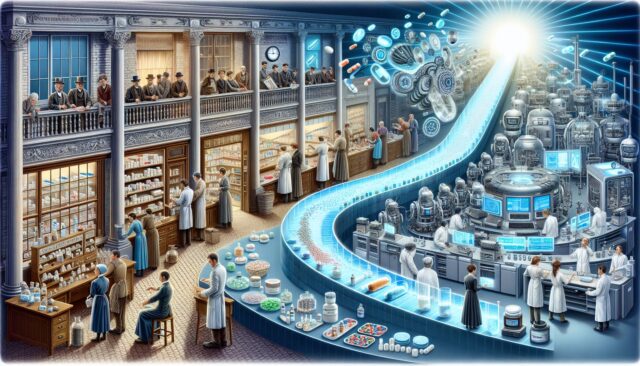
The pharmaceutical industry has played a crucial role in advancing healthcare and improving lives across the globe. With continuous research and innovation, medicine has seen remarkable breakthroughs over the years. However, the industry also faces its fair share of challenges and criticisms. In this blog post, we will explore the current state of the pharmaceutical industry and its impact on the future of medicine.
Introduction
The pharmaceutical industry encompasses the development, production, and distribution of drugs for the treatment and prevention of diseases. It involves large multinational companies, as well as smaller, research-focused organizations. These companies invest substantial resources in research and development (R&D), clinical trials, and regulatory processes to bring new medications to the market.
The Importance of Research and Development
Research and development are the lifeblood of the pharmaceutical industry. It is through rigorous scientific inquiry that new drugs are discovered, existing medications are improved, and novel therapies are developed. The industry invests billions of dollars annually in R&D, striving to find solutions to some of the most pressing medical issues affecting society.
Advancements in Medicine
Thanks to the efforts of the pharmaceutical industry, we have witnessed tremendous advancements in medical treatments. Over the past few decades, diseases that were once considered fatal have become manageable chronic conditions. Innovative drugs have been developed to target specific cellular pathways and offer personalized treatments. From life-saving vaccines to novel cancer therapies, pharmaceutical companies have transformed the healthcare landscape.
Costs and Accessibility
One of the major criticisms of the pharmaceutical industry is the high cost of drugs. The extensive R&D process, along with the need for regulatory approval, contributes significantly to the high prices of medications. This often creates a barrier to accessibility, particularly for patients without insurance coverage or in low-income countries. The industry faces an ongoing challenge to strike a balance between making innovative treatments affordable and maintaining a sustainable business model.
Collaboration and Innovation
In recent years, there has been a growing emphasis on collaboration and innovation within the pharmaceutical industry. Public-private partnerships, academic-industry collaborations, and open-access initiatives have become increasingly common. These collaborations aim to accelerate the research and development process, pool resources and expertise, and ultimately bring new medications to patients more efficiently.
The Future of Medicine
As we look to the future, the pharmaceutical industry will continue to shape the landscape of medicine. Advances in technology, such as artificial intelligence and precision medicine, hold great promise for the development of targeted therapies. The industry’s focus on rare diseases and orphan drugs is also expanding, with a greater emphasis on personalized medicine.
Conclusion
The pharmaceutical industry stands at the forefront of medical innovation, constantly pushing boundaries to find new treatments and improve existing ones. While it faces challenges such as high costs and accessibility issues, collaboration and innovation offer hope for a more inclusive and sustainable future. With continued advancements in research and development, the pharmaceutical industry will play a pivotal role in shaping the future of medicine, improving healthcare outcomes, and enhancing the quality of life for millions around the world.