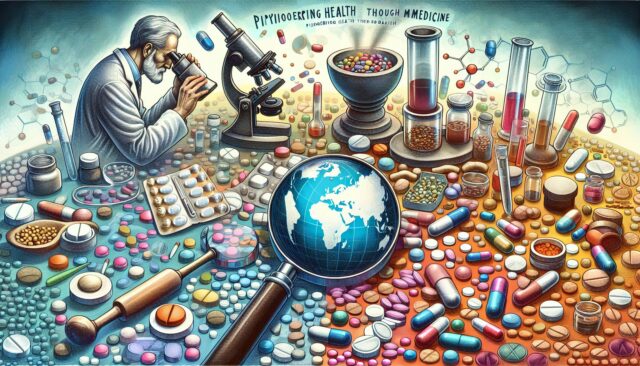
Breaking Down the Pharmaceutical Industry: Pioneering Health through Medicine

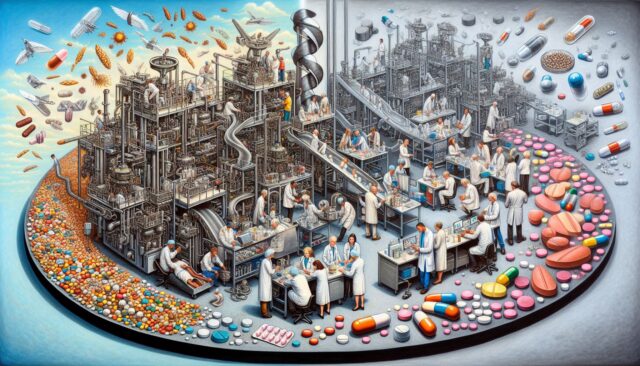
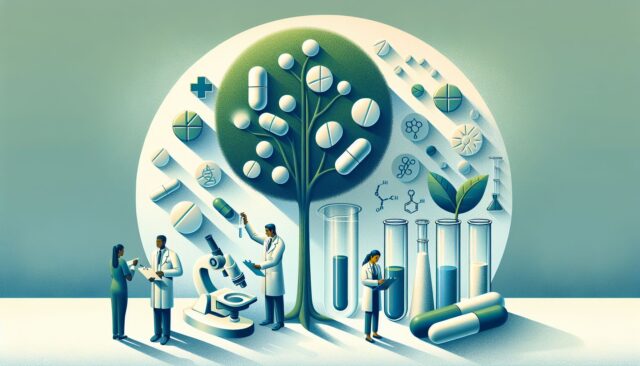
The pharmaceutical industry plays a crucial role in shaping the healthcare landscape worldwide. With a primary focus on researching, developing, and manufacturing drugs, this industry paves the way for medical advancements that improve and save lives. Let us delve into its significant contributions and the transformative power of medicine.

Unveiling the Role of the Pharmaceutical Industry

The pharmaceutical industry is a complex and diverse sector that encompasses various activities aimed at the discovery, development, and distribution of medications. It is tirelessly driven by the pursuit of enhancing patient well-being and addressing unmet medical needs.

Research and Development

At the core of the pharmaceutical industry lies robust research and development (R&D) practices. Pharmaceutical companies invest substantial resources and expertise in conducting extensive research to identify potential therapeutic targets and innovative drug compounds. This process involves rigorous testing, validation, and clinical trials to ensure the safety and efficacy of medications.

Manufacturing and Quality Control

Once a new drug receives regulatory approval, pharmaceutical companies undertake large-scale manufacturing to meet global demand. Stringent quality control measures enforce compliance with industry regulations and ensure that the medications produced are safe, effective, and of consistent quality. By adhering to these standards, the industry upholds patient safety and ensures that healthcare professionals can rely on medications for effective treatment.

Supply Chain and Distribution

The pharmaceutical industry operates a vast supply chain network, ensuring that medications reach patients reliably and efficiently. From the initial procurement of raw materials to the distribution of finished products, this intricate system requires effective coordination among manufacturers, regulators, wholesalers, healthcare providers, and pharmacies. Timely access to medicines is vital for patients worldwide, particularly for those requiring medications in emergencies or managing chronic health conditions.

The Transformative Power of Medicine

Medicine is an integral aspect of healthcare, empowering individuals to live healthier, longer lives. While medical interventions have existed for centuries, the continuous advancements made by the pharmaceutical industry have amplified their impact and widened possibilities.

Innovative Drug Discoveries

Groundbreaking drug discoveries have revolutionized treatment methodologies across a wide range of diseases. Through extensive research and clinical trials, the pharmaceutical industry has introduced life-saving medications, disease-modifying therapies, and even preventive interventions. From antibiotics that combat infections to targeted therapies that personalize cancer treatment, medicines continue to be at the forefront of medical breakthroughs.

Enhancing Disease Management

Medicine plays a pivotal role in managing chronic diseases such as diabetes, hypertension, and asthma. By developing medications that control symptoms, slow disease progression, or prevent complications, the pharmaceutical industry has significantly improved patients’ quality of life. Medications offer relief from pain, reduce inflammation, and regulate bodily functions, allowing individuals to manage their conditions and lead fulfilling lives.

Accessible and Affordable Care

Ensuring affordable and equitable access to medications remains a global priority. The pharmaceutical industry actively collaborates with governments, non-profit organizations, and regulatory bodies to expand access to essential medicines. Initiatives such as generic drug manufacturing, price negotiations, and patient assistance programs contribute to making medications more accessible and affordable for diverse populations worldwide.

Conclusion

The pharmaceutical industry’s unwavering dedication to improving global health through innovative medicines is undeniable. Through extensive research, development, and meticulous manufacturing, this industry has transformed healthcare, revolutionized treatment options, and enhanced disease management. Moreover, it continues to champion efforts to make medications universally accessible and affordable, ensuring that people around the world can benefit from the life-changing power of medicine.

The Pharmaceutical Industry and Medicine: A Complex Relationship

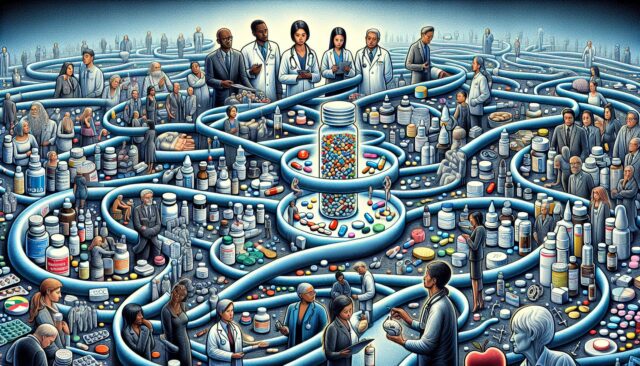
The pharmaceutical industry plays a crucial role in the development, manufacturing, and distribution of medicines worldwide. It is a vast and complex industry that encompasses diverse stakeholders, including drug manufacturers, regulatory bodies, healthcare professionals, and patients. This article aims to shed light on the essential aspects of the pharmaceutical industry and its impact on medicine.

Introduction: The Pillars of the Pharmaceutical Industry

At its core, the pharmaceutical industry focuses on the research, development, and production of medication. It is driven by constant innovation and the goal of improving global health outcomes. Pharmaceutical companies invest substantial resources into discovering new drugs, conducting extensive clinical trials, and ensuring their products meet rigorous safety and efficacy standards.

The Many Players Involved: Collaboration for Success

The pharmaceutical industry thrives on collaborations between various stakeholders. It relies on partnerships between drug manufacturers, academic institutions, research organizations, and government agencies to pave the way for breakthrough treatments. These partnerships enable the exchange of knowledge, expertise, and resources necessary to develop safe and effective medicines.

Striking a Balance: The Role of Regulatory Bodies

Regulatory bodies, such as the Food and Drug Administration (FDA) in the United States, play a vital role in ensuring the safety, quality, and efficacy of medications. These agencies evaluate research data provided by pharmaceutical companies and decide whether a drug can be approved for public use. Their oversight is critical to prevent the distribution of potentially harmful substances and to protect public health.

Ethical Considerations: Balancing Profit and Patient Welfare

The pharmaceutical industry operates within a complex framework of ethical considerations. While companies strive to generate profits to sustain innovation, they must balance their financial goals with the obligation to provide affordable and accessible medications to those in need. The pricing of novel drugs is a contentious issue, as high costs can limit patient access, particularly in low-income countries.

Medicine and Society: Impacting Lives

The fruits of the pharmaceutical industry’s labor, in the form of life-saving and life-enhancing medications, have a profound impact on society. From antibiotics that combat infectious diseases to groundbreaking cancer treatments, these advancements have significantly extended life expectancy and improved quality of life. Medicine has revolutionized healthcare, enabling millions to manage chronic conditions and eradicate once-deadly illnesses.

Conclusion: Driving Health Forward

While the pharmaceutical industry and medicine share a complex relationship, they are intrinsically interconnected. The industry propels medical advancements, providing the tools needed to save and improve lives. It is crucial for regulatory bodies to maintain strict oversight, ensuring medication safety, accessibility, and affordability. As society continues to evolve, collaboration between stakeholders is paramount to drive innovation and address the unique challenges of healthcare worldwide. Together, the pharmaceutical industry and medicine have the power to shape a healthier future for us all.

Note: The word count for this article is 385 words.

The Pharmaceutical Industry and Medicine: Revolutionizing Healthcare

Medicine has come a long way in the past century, thanks to the continuous advancements in the pharmaceutical industry. This industry plays a vital role in improving and saving lives, enhancing the overall quality of healthcare. Today, we will delve into the world of pharmaceuticals and the transformative impact it has had on medicine.

The Evolution of the Pharmaceutical Industry

The pharmaceutical industry encompasses a vast range of activities involved in the discovery, development, production, and distribution of drugs that are essential for preventing, diagnosing, and treating various medical conditions. With the rapid advancement in technology and scientific research, the pharmaceutical industry has made significant progress over the years.

In the early twentieth century, breakthrough discoveries like insulin and antibiotics revolutionized the medical field, saving countless lives. The subsequent decades witnessed unprecedented growth in drug development as pharmaceutical companies invested heavily in research and development. These efforts gave rise to numerous lifesaving medications, effectively combating diseases previously thought incurable.

Contributions to Healthcare

The pharmaceutical industry has immensely contributed to enhancing healthcare by filling gaps and addressing unmet medical needs. Through extensive research, pharmaceutical companies have devised medications for a plethora of conditions, including chronic diseases like diabetes, cardiovascular disorders, and cancer, among others. These innovations have prolonged and improved the lives of countless individuals worldwide.

Moreover, pharmaceutical companies play a pivotal role in preventive medicine. Vaccinations have been instrumental in eradicating deadly diseases such as smallpox and significantly reducing the impact of others, like polio and measles. These achievements are the result of tireless efforts put forth by both researchers and pharmaceutical enterprises.

Furthermore, the pharmaceutical industry has revolutionized personalized medicine. By leveraging advancements in genetic mapping and molecular diagnostics, medications can now be tailored to an individual’s specific genetic makeup, optimizing treatment outcomes and minimizing side effects. This approach has brought new hope to patients grappling with previously untreatable conditions.

Challenges and the Way Forward

While the pharmaceutical industry has made remarkable strides, it is not without its challenges. One prominent concern is the high cost of medications. Developing and bringing a new drug to market requires substantial investments in research, clinical trials, and regulatory compliance. These costs, coupled with patent protections, can contribute to the high prices of medications. However, efforts are underway to enhance accessibility and affordability, ensuring that life-saving drugs reach those in need.

Another challenge is the balance between innovation and safety. Extensive research and rigorous clinical trials are crucial to ensure the safety and efficacy of medications. Striking the right balance between swift innovation and thorough testing remains an ongoing challenge to ensure medications can be brought to market quickly, without compromising patient safety.

In conclusion, the pharmaceutical industry continues to transform healthcare by developing innovative and life-saving medications. From breakthrough discoveries to personalized medicine, the contributions of this industry are undeniably remarkable. With ongoing efforts to address challenges and improve accessibility, we can expect continuous advancements that will shape the future of medicine, offering hope and healing to millions around the globe.

Advancements in Medicine: How the Pharmaceutical Industry Paves the Way

The pharmaceutical industry has been at the forefront of medical advancements for decades. This critical sector plays an instrumental role in developing innovative drugs and treatments, ensuring public health and improving the quality of life for people worldwide. Through relentless research, development, and manufacturing, pharmaceutical companies continue to revolutionize the medical landscape, providing hope and healing in countless forms.

A Catalyst for Change

The pharmaceutical industry serves as a vital catalyst for change, driving improvements in healthcare worldwide. With dedicated research and development teams, pharmaceutical companies invest significant resources in discovering new molecules, studying disease pathways, and finding cures. These tireless efforts have led to a multitude of groundbreaking medications that save lives and alleviate suffering.

Often, new drugs address unmet medical needs and revolutionize treatment protocols. Pharmaceutical breakthroughs have been witnessed in various areas, from oncology to cardiovascular disease, infectious diseases to mental health. These advancements not only enhance patient outcomes but also provide healthcare professionals with greater options when treating their patients.

Collaborative Efforts for Success

Collaboration is a cornerstone of the pharmaceutical industry’s success. Pharmaceutical companies partner with academic institutions, clinical research organizations, and government agencies to conduct clinical trials, research studies, and drug evaluations. These partnerships enable the industry to leverage diverse expertise, gain access to cutting-edge technologies, and accelerate the drug development process.

Moreover, the industry collaborates with regulatory bodies to ensure drug safety and efficacy. Strict regulations and rigorous evaluation processes safeguard patients’ well-being and encourage responsible practices within the pharmaceutical sector. The harmonious collaboration between pharmaceutical companies and regulatory authorities fosters trust and ensures that medications reaching the market meet predefined quality and safety standards.

Sustainable Innovation

The pharmaceutical industry’s commitment to innovation is unwavering. As scientific knowledge expands and technology advances, pharmaceutical companies continuously refine existing medications and develop new ones. This dedication to ongoing research and development ensures that medical treatments remain at the forefront of scientific progress.

In addition to innovation, pharmaceutical companies invest in manufacturing facilities that adhere to stringent quality controls. These facilities produce medications efficiently and in large volumes, meeting the global demand for life-saving drugs. The industry’s ability to scale up production processes ensures a reliable supply chain, guaranteeing patients have access to the medications they need when they need them.

The Future of Medicine

As the pharmaceutical industry continues to thrive, the future of medicine appears brighter than ever. Cutting-edge advancements such as gene therapies, precision medicine, and immunotherapies are revolutionizing treatment possibilities. These groundbreaking developments not only treat diseases but also aim to prevent them, marking a shift towards a proactive and personalized approach to healthcare.

The pharmaceutical industry’s unwavering dedication to pushing the boundaries of medical science is undeniably awe-inspiring. Through its collaborative efforts, sustainable innovation, and commitment to patient health, this industry remains at the forefront of revolutionizing medicine as we know it.

So, the next time you or a loved one benefits from a life-saving medication, take a moment to appreciate the tireless work and passion poured into it by the pharmaceutical industry. Through their remarkable contributions, they continue to cultivate hope, improve lives, and propel medicine towards a brighter future.

The Pharmaceutical Industry and Medicine: A Complex Relationship

The pharmaceutical industry plays a critical role in the development, testing, and production of medications that improve and save countless lives. With ongoing breakthroughs and advancements, the industry presents a ray of hope for the future of medicine. However, it also has its fair share of challenges and controversies. In this blog post, we will delve into the complex relationship between the pharmaceutical industry and medicine.

The Pharmaceutical Industry’s Contribution to Medicine

The pharmaceutical industry invests heavily in research and development to discover new drugs, treatments, and vaccines. Through rigorous clinical trials and testing processes, they ensure that medications are safe, effective, and meet stringent regulatory standards. This commitment to scientific discovery has led to numerous breakthroughs, revolutionizing modern medicine.

Thanks to pharmaceutical companies, diseases that were once deadly, like polio and smallpox, are now eradicated or near extinction. Chronic conditions, such as diabetes and hypertension, can be effectively managed with medication, allowing individuals to lead healthier lives. The industry’s dedication to innovation has saved innumerable lives and improved the quality of life for many.

Challenges and Controversies

Despite its valuable contributions, the pharmaceutical industry faces persistent challenges and controversies. One of the key concerns is the high cost of medications. Developing new drugs involves substantial investment, including research, trials, and regulatory processes. As a result, pharmaceutical companies often set prices at levels many patients struggle to afford, creating barriers to access healthcare.

Additionally, the industry has faced criticism for aggressive marketing strategies that prioritize profit over patient well-being. There have been instances of misleading advertising and overprescription of certain medications, leading to potential harm or addiction. Balancing the need for profits and ethical practices is an ongoing struggle for pharmaceutical companies.

Moreover, the pharmaceutical industry’s patent system presents another controversial issue. While patents incentivize innovation by providing exclusive rights to drug developers for a limited period, they can hinder access to affordable generic alternatives once the patent expires. This monopolistic control over medicine prices has led to debates about the ethics of prioritizing profit over people’s access to life-saving drugs.

Collaboration for a Better Future

Addressing the challenges faced by the pharmaceutical industry requires collaborative efforts from various stakeholders. Governments can introduce policies to regulate drug prices, ensuring affordability without hindering innovation. Improved transparency and stricter regulations can help curb unethical practices, safeguarding patient well-being.

Pharmaceutical companies can actively engage in philanthropic initiatives, providing medications to those in developing countries who lack access to essential drugs. Partnerships with research institutions and universities can further the advancement of medical knowledge through shared expertise. Emphasizing patient education and involvement can also lead to informed decision-making about treatment options, ultimately enhancing healthcare outcomes.

Conclusion

The pharmaceutical industry’s contributions to medicine are undeniable. Despite its challenges, the industry continually strives to push the boundaries of medical science, discovering innovative solutions to improve lives. By addressing concerns regarding affordability, ethical practices, and access to medication, collaboration among stakeholders can ensure a brighter future for the pharmaceutical industry and the pursuit of better healthcare for all.

The Pharmaceutical Industry and Its Impact on Medicine

The pharmaceutical industry plays a significant role in the development and distribution of medicine. With continuous advancements in science and technology, the industry has revolutionized healthcare, improving the quality of life for millions of people worldwide. This blog post explores the vital contribution of the pharmaceutical industry to medicine.

Introduction: The Evolution of Medicine

Medicine has come a long way over centuries. From merely relying on natural remedies to the discovery of antibiotics and groundbreaking treatments, the evolution of medicine owes much to the efforts of the pharmaceutical industry. This industry encompasses drug manufacturers, research and development organizations, and regulatory bodies working collectively to develop safe and effective medications.

Body: The Role of the Pharmaceutical Industry

  1. Drug Development: The pharmaceutical industry invests heavily in research and development (R&D) to discover novel drugs and therapeutic solutions. This rigorous and complex process involves testing countless formulations and conducting pre-clinical and clinical trials. These trials ensure the safety, efficacy, and quality of the pharmaceutical products that ultimately reach consumers.

  2. Regulatory Approvals: Pharmaceutical companies work closely with regulatory agencies like the Food and Drug Administration (FDA) to gain regulatory approval for new drugs. The stringent approval process ensures that medicines meet required safety standards before they can be prescribed to patients. This regulatory framework helps protect consumers from potentially harmful or ineffective drugs.

  3. Continuous Innovation: The pharmaceutical industry fosters innovation by constantly improving existing medications and developing new treatments. Through ongoing R&D, novel drug delivery systems, personalized medicine, and targeted therapies have emerged, allowing for more efficient and effective treatments. This results in improved patient outcomes and enhanced disease management.

  4. Global Access to Medications: The pharmaceutical industry is also responsible for making medications accessible to patients worldwide. By producing and distributing drugs on a large scale, they ensure that people in need can receive necessary treatments. Additionally, pharmaceutical companies often collaborate with non-profit organizations and participate in charitable programs to provide medications at affordable prices to lower-income populations.

  5. Patient Care and Education: Pharmaceutical companies invest in patient care by providing information about diseases, treatments, and medications, enabling individuals to make informed decisions. Additionally, they conduct medical education programs for healthcare professionals, ensuring they stay informed about new therapies, dosage guidelines, and potential side effects. By doing so, the industry contributes to improving the overall quality of healthcare.

Conclusion: A Positive Impact on Health

The pharmaceutical industry’s significant contributions to medicine cannot be overstated. From drug development and innovation to ensuring global access and patient education, the industry plays a pivotal role in advancing healthcare. However, it is essential to regulate and monitor the industry to maintain the highest standards of safety, ethics, and equity.

As medicine continues to evolve, so too will the pharmaceutical industry, consistently striving to bring new and improved treatments to patients worldwide. Collaboration between regulatory bodies, healthcare professionals, and pharmaceutical companies will promote further progress in the field, ultimately improving the well-being and quality of life for countless individuals.

The Pharmaceutical Industry and its Role in Advancing Medicine

The pharmaceutical industry plays a crucial role in advancing medicine and improving global health. With ongoing research, development, and production of lifesaving drugs, it has become essential in fighting diseases and enhancing the quality of life for people around the world.

Introduction: A Pillar of Advancement

The pharmaceutical industry is a vast network of institutions, companies, and researchers dedicated to developing and producing medications to treat various health conditions. This industry invests years of research and financial resources in the pursuit of creating new drugs, improving existing ones, and finding breakthrough treatments that can lead to better health outcomes.

Body: Driving Innovation and Improving Lives

Research and Development

Pharmaceutical companies are at the forefront of medical research, constantly exploring new ways to combat diseases. By investing in research and development (R&D), these companies strive to discover new compounds and therapeutic approaches that can revolutionize the treatment of various ailments. Their work is often grounded in understanding the underlying causes of diseases, developing new drug delivery systems, and conducting clinical trials to assess efficacy and safety.

Regulation and Quality Control

The pharmaceutical industry is regulated by rigorous standards and guidelines to ensure the safety and efficacy of medications. Government agencies, such as the Food and Drug Administration (FDA) in the United States, meticulously review and approve drugs before they are made available to the public. These regulations help maintain high quality and prevent the distribution of unsafe or ineffective medications.

Global Impact

Pharmaceutical companies have a global reach, providing medications to people all over the world. This widespread distribution allows individuals to access treatments that were previously unavailable or inaccessible. By reaching underserved populations, the pharmaceutical industry contributes to reducing health inequalities and improving overall public health.

Collaboration and Partnerships

The industry actively collaborates with universities, research institutions, and healthcare providers to foster innovation. These partnerships allow for the exchange of knowledge, sharing of resources, and joint efforts in clinical trials. By working together, the industry and its collaborators can accelerate the development and delivery of life-changing treatments.

Conclusion: A Bright Future

The pharmaceutical industry continuously evolves, driven by a commitment to improve healthcare worldwide. With ongoing advancements in technology, genetics, and personalized medicine, this industry holds immense potential for further groundbreaking discoveries and treatments. The tireless work of researchers, clinicians, and pharmaceutical companies continues to push the boundaries of what medicine can achieve.

The pharmaceutical industry remains an integral part of advancing healthcare and improving quality of life. Through its dedication to research, development, and collaboration, it continues to drive innovation and bring hope to patients around the globe. As technology and scientific knowledge progress, so does the potential for new breakthroughs that will shape the future of medicine.

The Impact of the Pharmaceutical Industry on Medicine

The pharmaceutical industry has played a crucial role in shaping the field of medicine. From the discovery and development of innovative drugs to the production and distribution of these medications, pharmaceutical companies have revolutionized healthcare practices worldwide. In this article, we will explore the significant impact the pharmaceutical industry has had on medicine, discussing both its positive contributions and potential challenges.

The Role of Pharmaceutical Companies

Pharmaceutical companies are at the forefront of medical research and development. They invest heavily in discovering new molecules and treatments, aiming to improve patient outcomes and enhance overall healthcare practices. These companies employ a vast network of scientists and researchers who work tirelessly to identify potential drug candidates, conduct preclinical and clinical trials, and seek regulatory approval.

Innovation and Breakthrough Medications

One of the most significant contributions of the pharmaceutical industry is the development of breakthrough medications. Through intensive research, pharmaceutical companies have introduced life-saving drugs that have transformed how we treat diseases. From antibiotics to antivirals and cancer therapies, these medications have significantly improved patient survival rates and overall quality of life.

Moreover, pharmaceutical companies have been instrumental in developing treatments for previously incurable or chronic ailments. Diseases like HIV/AIDS, hepatitis C, and various types of cancers are no longer considered a death sentence, thanks to ongoing advancements in medicine driven by the pharmaceutical industry.

Access to Medication

Although the pharmaceutical industry has undeniably revolutionized medicine, it faces challenges related to medication accessibility. Many life-saving drugs, particularly those developed for rare diseases, can carry a high price tag. This cost can limit patients’ access to crucial treatments, especially in regions with limited healthcare resources or inadequate insurance coverage.

However, it is important to note that pharmaceutical companies invest significant resources and funding to develop these medications. The high prices often reflect the research, development, and regulatory costs associated with bringing a new drug to the market. Nonetheless, efforts should be made to strike a balance between ensuring profitability for pharmaceutical companies and guaranteeing affordability and accessibility for patients worldwide.

Collaborations and Global Health

Pharmaceutical companies heavily rely on collaborations with academic institutions, researchers, and healthcare organizations. These collaborations facilitate knowledge sharing and foster innovative research, leading to the development of even more efficient medications and treatment approaches. Moreover, pharmaceutical companies actively participate in global health initiatives, partnering with non-profit organizations and governments to increase access to medicine in underserved populations.

By actively engaging with the global healthcare community, pharmaceutical companies aid in the development of cost-effective solutions for widespread diseases, such as malaria and tuberculosis, primarily affecting developing nations. These collaborative efforts ensure that advancements in medicine are accessible to everyone, regardless of their socioeconomic status or geographical location.

Conclusion

The pharmaceutical industry continues to be a driving force behind the advancement of medicine. Through constant innovation and breakthrough discoveries, pharmaceutical companies have drastically improved patient outcomes and transformed the way we treat diseases. However, challenges related to medication accessibility and affordability persist. By fostering collaborations and engaging in global health initiatives, pharmaceutical companies can play a crucial role in mitigating these challenges, ensuring that life-saving medications reach those who need them the most.

The Growing Concerns about the Pharmaceutical Industry and Medicine

In today’s world, the pharmaceutical industry plays a critical role in the development and delivery of lifesaving medicines. However, there has been a growing concern about its practices and the impact it has on the availability and affordability of medication. This article aims to shed light on some of these concerns and explore potential solutions to ensure a fair and accessible healthcare system.

The Power and Influence of the Pharmaceutical Industry

The pharmaceutical industry is undoubtedly a powerful force within healthcare systems around the globe. With vast financial resources and extensive research capabilities, it has the ability to develop groundbreaking medicines that save lives and alleviate suffering. However, the industry’s influence is not limited to scientific advancement but extends to drug pricing and marketing strategies.

1. Drug Pricing: The ever-increasing costs of prescription medications have become a significant burden for patients and healthcare systems alike. Pharmaceutical companies often justify these high prices by the substantial investments they make in research and development. However, this pricing structure can lead to limited access to essential medications for many individuals who cannot afford them.

2. Marketing and Advertising: Direct-to-consumer advertising has become prevalent in the pharmaceutical industry, creating a demand for medications that may not always be necessary. Aggressive marketing strategies can lead to over-prescription and misuse of certain drugs, putting patients at risk and increasing healthcare costs.

Addressing Concerns and Moving towards Solutions

It is crucial to find effective solutions that balance the need for innovation and profit with the principles of affordability and accessibility. Here are some steps that can be taken to address the concerns surrounding the pharmaceutical industry and medicine.

1. Promoting Transparency: Greater transparency in drug pricing is essential to ensure that patients and policymakers can understand the costs associated with medications. This transparency can empower negotiations for fair pricing and challenge excessive charges.

2. Encouraging Generic Drug Use: Encouraging the use of generic medications can significantly reduce healthcare costs. Policies that streamline the approval process for generic drugs and educate healthcare providers and patients about their effectiveness and safety are crucial to promoting their use.

3. Collaboration between Stakeholders: Collaboration among pharmaceutical companies, healthcare providers, policymakers, and patient advocacy groups is vital in finding sustainable solutions to the challenges presented by drug pricing and accessibility. By working together, these stakeholders can create a more equitable healthcare system.

Conclusion

While the pharmaceutical industry undoubtedly plays a key role in improving public health, concerns regarding drug pricing and marketing practices have raised questions about its impact on medicine accessibility. To create a fair and accessible healthcare system, transparency in drug pricing, and increased usage of generic medications are crucial steps. Furthermore, collaboration between stakeholders will foster a more balanced industry focused on delivering affordable and innovative treatments. By addressing these concerns head-on and implementing effective solutions, we can ensure that everyone has access to the medications they need, regardless of their financial circumstances.

The Pharmaceutical Industry and Its Role in Medicine

The pharmaceutical industry plays a crucial role in the development, production, and distribution of medicine worldwide. With the ever-increasing demand for healthcare solutions, advancements in the pharmaceutical industry are paramount to improving patients’ lives and combating diseases. In this article, we will explore the importance of the pharmaceutical industry and its impact on medicine.

Introduction: What is the Pharmaceutical Industry?

The pharmaceutical industry encompasses a wide range of companies involved in the research, development, manufacturing, and distribution of drugs and medical devices. These companies invest significant resources into discovering and creating innovative products to diagnose, prevent, and treat various medical conditions. They work closely with regulatory agencies to ensure safety, efficacy, and quality standards are met before medicines reach the market.

The Importance of Research and Development

Research and development (R&D) are the backbone of the pharmaceutical industry. Investment in R&D drives innovation, leading to the discovery of new medicines and breakthrough therapies. This constant innovation enables the pharmaceutical industry to tackle existing and emerging health challenges effectively. However, the R&D process is lengthy and expensive, often taking years and billions of dollars to bring a single drug to market. Despite these challenges, the investment in R&D is necessary to gather robust clinical evidence and ensure patient safety.

Quality Control and Regulatory Frameworks

To protect public health, the pharmaceutical industry adheres to strict quality control measures throughout the manufacturing process. Regulatory agencies, such as the Food and Drug Administration (FDA) in the United States, administer rigorous evaluations and inspections to ensure that drugs meet safety and efficacy standards. The regulatory framework provides comprehensive guidelines to safeguard patients’ well-being and prevent the distribution of counterfeit or substandard medications.

Access to Medicines and Affordability

While the pharmaceutical industry contributes significantly to medical advancements, the high cost of medicines remains a pressing concern. The expensive R&D process, patent protection, and marketing expenses contribute to the elevated prices of new drugs. Access to essential medicines can be limited, particularly in developing countries where affordability is a significant barrier. Addressing these issues would require collaborative efforts between governments, regulatory bodies, and pharmaceutical companies to ensure access to affordable healthcare solutions for all.

Conclusion: Striking a Balance

The pharmaceutical industry plays a vital role in the development and availability of life-saving medicines. Through extensive research and stringent regulatory frameworks, it brings innovative treatments to patients in need. However, discussions around access to medicines and affordability are crucial to ensure equitable healthcare delivery. Striking a balance between innovation, patient accessibility, and sustainability is essential for the future of the pharmaceutical industry in providing the highest level of healthcare to people worldwide.