The Pharmaceutical Industry and Medicine

The pharmaceutical industry plays a vital role in our society, as it is responsible for the discovery, development, and production of medicine. Medicine, in turn, has the power to save lives, alleviate suffering, and improve the quality of life for millions of people worldwide. In this blog post, we will explore the importance of the pharmaceutical industry and the impact of medicine on our health.

The Importance of the Pharmaceutical Industry

The pharmaceutical industry invests significant resources in research and development to create new drugs and therapies. These advancements help combat a wide range of diseases, from common ailments to life-threatening conditions. Without the pharmaceutical industry, many diseases that are treatable today would be incurable or much more challenging to manage.

Furthermore, the industry contributes to economic growth by providing employment opportunities, generating revenue, and fostering innovation. Pharmaceutical companies collaborate with researchers, medical professionals, and regulatory agencies to ensure the safety and efficacy of their products. This collaboration often results in groundbreaking discoveries that further enhance the overall healthcare landscape.

The Impact of Medicine on Health

Medicine has revolutionized healthcare by eradicating diseases, reducing mortality rates, and improving patient outcomes. The availability of vaccines, antibiotics, and other medications has played a pivotal role in preventing and treating various illnesses. Many widespread diseases, such as smallpox and polio, have been eradicated or brought under control through the administration of vaccines.

In addition to treating acute illnesses, medicine also helps manage chronic conditions. Medications such as insulin, blood pressure regulators, and antiretroviral drugs have become essential in empowering individuals to lead healthier lives despite their conditions. Furthermore, advancements in personalized medicine, pharmacogenomics, and targeted therapies hold promise for more tailored and efficient treatments, further improving patient care.

Challenges and Ethical Considerations

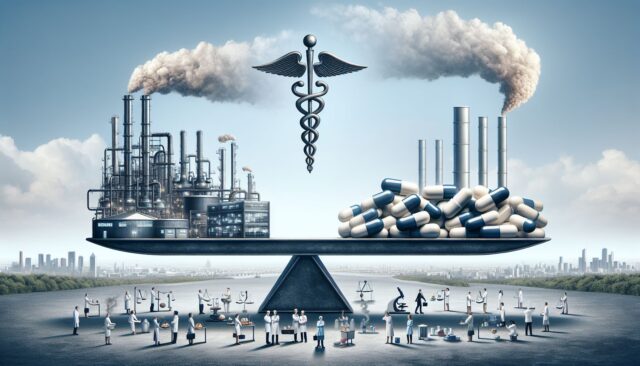
While the pharmaceutical industry and medicine have brought about significant advancements in healthcare, they also face challenges and ethical considerations. One major challenge is the high cost of pharmaceuticals, especially innovative and life-saving drugs. Access to medication can be limited, particularly in developing countries or for individuals without adequate healthcare coverage. Balancing the need for affordability and sustainability with the industry’s economic demands remains an ongoing debate.

Moreover, ethical considerations arise when it comes to clinical trials, patient privacy, and the influence of pharmaceutical companies on medical professionals. It is crucial for the industry to maintain transparency and adhere to rigorous ethical standards to ensure the safety and well-being of patients.

Conclusion

The pharmaceutical industry holds a critical role in society by developing and producing life-saving medications. Medicine has made remarkable contributions to healthcare, from preventing diseases through vaccines to managing chronic conditions and improving patient outcomes. However, the industry also faces challenges such as access to medication and ethical considerations. Striking a balance between innovation, affordability, and ethical integrity is vital to continue leveraging the power of medicine for the benefit of all.

The Influence of the Pharmaceutical Industry on Medicine

The pharmaceutical industry plays a crucial role in the field of medicine, impacting the health and well-being of individuals worldwide. With a constant stream of new drugs and treatments being introduced, it is vital to understand the influence of this industry on the healthcare landscape. This blog post will explore the relationship between the pharmaceutical industry and medicine, shedding light on its benefits and concerns.

The Importance of the Pharmaceutical Industry

The pharmaceutical industry plays a critical part in the development of groundbreaking medications and healthcare innovations. Through extensive research and development, pharmaceutical companies strive to discover new drugs that can alleviate suffering and enhance the quality of patients’ lives. Hence, this industry is instrumental in fueling medical advancements that are pivotal in treating diseases and improving overall healthcare outcomes.

Impact on Healthcare Delivery

The pharmaceutical industry not only focuses on pill-based treatments but also invests in technology and medical devices. This enables healthcare professionals to administer medication more effectively and safely, enhancing patient care. Pharmaceutical companies collaborate with healthcare providers and other stakeholders to develop tailored treatment plans and patient-centered approaches. This collaboration ensures that the latest research findings and medical breakthroughs are effectively integrated into clinical practice, ensuring optimal patient outcomes.

Challenges and Concerns

Amidst its contributions to healthcare, the pharmaceutical industry is not without its challenges and concerns. One primary concern is the soaring cost of medications, which sometimes leads to limited patient access to life-saving treatments. This pricing dilemma arises due to the significant investment required for research and development, combined with the long and rigorous regulatory approval process. Furthermore, there have been instances where pharmaceutical companies prioritized profits over patient welfare, leading to accusations of unethical practices. Such concerns underscore the need for transparency and ethical decision-making within the pharmaceutical industry.

Balancing Progress and Public Health

Finding the right balance between the pharmaceutical industry’s financial interests and public health is crucial. Governments and regulatory bodies play a vital role in safeguarding patient interests by ensuring that pharmaceutical companies adhere to stringent safety standards and ethical practices. Collaboration between academia, healthcare providers, and pharmaceutical companies is essential to ensure that mutually beneficial advances continue to benefit patients without compromising their well-being.

Looking Towards the Future

The future of medicine heavily relies on the pharmaceutical industry’s commitment to innovation and patient-centered care. With ongoing advancements in technology, personalized medicine is becoming a reality. This approach tailors treatment plans to individual patients based on their genetic makeup, providing more effective and safer solutions. However, it is essential to maintain an ethical approach, ensuring that the pharmaceutical industry’s efforts are guided by the principles of patient welfare and scientific integrity.

Conclusion

The pharmaceutical industry plays a pivotal role in the development and availability of life-changing medications and medical treatments. Its contributions are evident in the numerous improvements made in healthcare delivery. However, it is essential to remain vigilant by addressing concerns surrounding access and affordability while upholding ethical standards. By striking a balance between industry progress and patient well-being, we can continue to harness the potential of the pharmaceutical industry and ultimately improve global healthcare outcomes.

The Pharmaceutical Industry and Medicine: A Complex Relationship

The pharmaceutical industry plays a crucial role in the development and production of life-saving medications and medical treatments. With advancements in medicine and technology, the industry has made significant strides towards improving healthcare outcomes for individuals worldwide. However, it is important to recognize that the relationship between the pharmaceutical industry and medicine is a complex and multifaceted one, which requires careful consideration.

Introduction: The Power of Medicine

Medicine has the power to alleviate suffering, save lives, and enhance overall well-being. From antibiotics that cure infections to vaccines that prevent diseases, medications have revolutionized healthcare. The pharmaceutical industry is at the forefront of developing, manufacturing, and distributing these crucial drugs, making it an integral part of the medical landscape.

Body: The Nuances of the Pharmaceutical Industry

While the pharmaceutical industry undoubtedly plays a vital role in advancing medicine, it is not without its fair share of controversies. These controversies can be attributed to factors such as pricing, marketing strategies, and potential conflicts of interest.

Pricing: One of the most widely discussed issues related to the pharmaceutical industry is the high cost of medication. The pricing of drugs can be influenced by extensive research and development costs, patent protections, and the need to fund future innovations. However, this often leads to patients facing financial burdens and limited accessibility, especially for those without insurance coverage.

Marketing Strategies: Pharmaceutical companies invest heavily in marketing their products to healthcare professionals and consumers alike. While educating healthcare providers about new treatments is important, some argue that aggressive marketing tactics can result in overprescription or the dissemination of biased information. Striking a balance between education and responsible marketing is essential.

Conflicts of Interest: Collaboration between pharmaceutical companies and healthcare professionals can raise questions about potential conflicts of interest. For example, doctors who receive funding or other incentives from pharmaceutical companies may be more likely to prescribe specific medications even if there are equally effective, lower-cost alternatives available. Transparency and robust ethics guidelines are necessary to maintain trust in the industry.

Conclusion: Balancing Progress and Responsibility

The pharmaceutical industry and medicine share a complex relationship that encompasses both remarkable advancements and contentious challenges. While it is essential to acknowledge the positive impact of pharmaceutical innovations, it is equally important to address the issues that arise from industry practices.

By addressing concerns related to drug pricing, implementing ethical marketing strategies, and fostering transparency in relationships between pharmaceutical companies and healthcare providers, we can collectively work towards a better healthcare landscape. Collaboration between stakeholders, including policymakers, healthcare professionals, and pharmaceutical companies, is pivotal in striking the delicate balance between progress and responsibility.

In the pursuit of improved healthcare outcomes, we must continuously evaluate and navigate the intricate dynamics of the pharmaceutical industry. A collective effort will enable us to leverage the vast potential of medicine while ensuring it remains accessible, affordable, and beneficial for all.

The Power and Influence of the Pharmaceutical Industry in Modern Medicine

The pharmaceutical industry is a multi-billion dollar global enterprise that plays a significant role in shaping modern healthcare. With advancements in medicine, pharmaceutical companies have revolutionized the treatment and prevention of various diseases. However, the immense power and influence of this industry raise important questions about ethics, affordability, and the prioritization of profit over public health.

Introduction

Pharmaceutical companies invest substantial resources in researching and developing innovative medicines to address the world’s health problems. These breakthroughs have allowed us to combat diseases that were once considered incurable, significantly improving the quality of life for millions of individuals worldwide. Without the continual advancements made by pharmaceutical companies, the field of medicine would stagnate, and our ability to treat and cure would be severely limited.

The Role of Pharmaceutical Companies

Pharmaceutical companies have a vital role in the drug discovery and development process. They fund extensive research and clinical trials to understand the effectiveness and safety of new medications. These trials are essential in obtaining regulatory approvals from health authorities, ensuring that drugs are safe for public consumption.

Moreover, pharmaceutical companies invest in marketing and distribution networks, making their products widely accessible to individuals in need. By working closely with healthcare professionals and regulatory bodies, they help streamline the approval and distribution processes, ensuring medications reach patients in a timely manner.

The Great Debate: Ethics vs. Profitability

While the pharmaceutical industry has undoubtedly contributed to numerous medical breakthroughs, concerns arise over the prioritization of profit over public health. Critics argue that an excessive focus on the bottom line may lead to unethical practices, such as exorbitant pricing of life-saving drugs or withholding essential research findings for financial gain.

Additionally, the influence of pharmaceutical companies on medical professionals and policymakers is a topic of significant debate. Critics suggest that these companies may unduly influence prescribing patterns and influence regulations in their favor, potentially compromising the well-being of patients.

Affordability and Access to Medicine

Another key concern surrounding the pharmaceutical industry is the affordability and accessibility of medications. As drug prices continue to rise, many individuals struggle to afford necessary treatments. This issue creates a significant barrier to healthcare, particularly in developing countries where access to life-saving drugs is limited by financial constraints.

Efforts to ensure equitable access to medication, such as the availability of generics and greater transparency in pricing, serve as important steps towards bridging this gap. However, further actions must be taken to strike a balance between pharmaceutical companies’ profit margins and public health.

Conclusion

The pharmaceutical industry’s contributions to modern medicine cannot be overlooked. Breakthrough discoveries and advancements in treatment have vastly improved global health outcomes. However, we must remain vigilant and address concerns about ethics, affordability, and accessibility to ensure that the industry prioritizes the well-being of patients above financial gains. Collaborative efforts between stakeholders, including pharmaceutical companies, healthcare professionals, policymakers, and patient advocacy groups, are necessary to strike a balance that benefits all stakeholders while keeping public health at the forefront. Ultimately, it is through continued dialogue and progress that we can harness the power of the pharmaceutical industry to drive positive change in the field of medicine.

The Role of the Pharmaceutical Industry in Advancing Medicine

Medicine has come a long way over the centuries, with numerous breakthroughs and advancements shaping the healthcare landscape we know today. Central to these achievements is the pharmaceutical industry, whose tireless efforts have revolutionized the treatment of diseases and improved the quality of life for countless individuals. In this blog post, we will explore the vital role played by the pharmaceutical industry in advancing medicine.

The Introduction of New Medications

Pharmaceutical companies invest significant resources into research and development to discover new medications. These efforts are essential for combating diseases, improving patient outcomes, and extending lives. Through careful analysis and clinical trials, pharmaceutical companies bring new drugs to market, addressing the unmet medical needs of millions around the world. Without their commitment to scientific innovation, the medical field would lack the means to combat numerous illnesses effectively.

Enhancing Existing Treatments

The pharmaceutical industry doesn’t just focus on discovering new medications; it also plays a crucial role in improving existing treatments. Through continuous research and development, pharmaceutical companies identify ways to enhance the efficacy and safety of drugs that are already in use. This includes refining drug formulations, optimizing dosage regimens, and developing innovative drug delivery systems. By doing so, they strive to improve patient compliance and minimize side effects, thus increasing the overall effectiveness of medical treatments.

Fighting Global Health Challenges

Global health challenges, such as infectious diseases and pandemics, require rapid and effective responses. The pharmaceutical industry has repeatedly demonstrated its capabilities in combating such crises. During outbreaks, pharmaceutical companies promptly mobilize their resources to develop vaccines, antiviral medications, and other necessary treatments. These efforts not only save lives but also help prevent the further spread of diseases. The COVID-19 pandemic is a recent example where pharmaceutical companies raced against time to develop vaccines in record time, highlighting their role in overcoming global health crises.

Collaboration and Partnerships

The pharmaceutical industry recognizes that collaboration and partnerships are crucial for advancing medicine. It actively collaborates with academic institutions, government agencies, and other stakeholders to foster scientific and medical breakthroughs. By working together, knowledge and resources are shared, leading to more significant advancements in the field of medicine. These partnerships also support the development of innovative therapies that would otherwise be challenging to achieve individually.

Conclusion

The pharmaceutical industry plays a fundamental role in the advancement of medicine. Through their dedication to scientific research, the introduction of new medications, and the continuous improvement of existing treatments, pharmaceutical companies revolutionize patient care. Furthermore, their ability to respond swiftly to global health challenges and foster collaborations ensures that the medical field continues to progress. The efforts of the pharmaceutical industry save lives, relieve suffering, and provide hope for a healthier and brighter future.

The Evolving Landscape of the Pharmaceutical Industry: Revolutionizing the World of Medicine

The pharmaceutical industry plays a crucial role in transforming the world of medicine as we know it. With groundbreaking advancements and innovative technologies, it strives to improve patient outcomes, enhance global health, and alleviate human suffering. This blog post explores the evolving landscape of the pharmaceutical industry, highlighting its profound impact on healthcare and the development of life-saving medications.

Evolution of the Pharmaceutical Industry

Over the years, the pharmaceutical industry has witnessed remarkable evolution. From humble origins of mixing plant extracts in laboratories, it has advanced into a sophisticated sector that combines science, research, and technology. Today, pharmaceutical companies invest billions of dollars in research and development (R&D) to discover new drugs and therapies to combat diseases that affect millions worldwide.

The Power of Innovation

Innovation is at the core of the pharmaceutical industry. From discovering new drug molecules to developing cutting-edge delivery systems, researchers strive to revolutionize the way we treat illnesses. Breakthrough medications are now addressing diverse medical conditions, ranging from chronic diseases like diabetes and cancer to previously untreatable genetic disorders. Furthermore, innovative drug delivery systems such as implants and patches offer targeted treatments, enhancing patient convenience and minimizing side effects.

Collaboration for Advancements

Collaboration is vital for progress in the pharmaceutical industry. Companies, research institutions, and regulatory bodies often join forces to accelerate the discovery and development of new drugs. Public-private partnerships facilitate the exchange of knowledge, resources, and expertise, expediting the approval of life-saving medications. Such collaborations also promote transparency, ensuring drug safety and efficacy for patients worldwide.

Balancing Challenges and Affordability

While the pharmaceutical industry brings immense advancements to healthcare, it also faces various challenges. Drug pricing and accessibility have been topics of intense debate, as soaring costs can limit patient access to critical medications. Pharmaceutical companies strive to balance the need for affordability while continuing R&D investments. Public and private initiatives focusing on health economics aim to ensure equitable access to medicine without compromising the industry’s ability to innovate.

Regulatory Frameworks and Patient Safety

An effective regulatory framework guarantees patient safety and fosters trust in the pharmaceutical industry. Governments worldwide have stringent regulations for drug approval, ensuring medications undergo rigorous testing and adhere to necessary quality standards. These regulations protect patients from potential harm and prevent the circulation of counterfeit or ineffective drugs. By complying with ethical guidelines, the pharmaceutical industry instills confidence in healthcare providers and patients alike.

Future Horizons and Expectations

The future of the pharmaceutical industry holds immense promise. As researchers delve deeper into understanding genomics, artificial intelligence, and nanotechnology, we can expect significant advancements in targeted therapies, personalized medicine, and disease prevention. The industry’s investment in areas like cancer immunotherapy and regenerative medicine offers hope for previously incurable diseases. With every passing day, the interplay between pharmaceuticals and technology continues to reshape the healthcare landscape.

In Conclusion

The pharmaceutical industry’s ongoing commitment to innovation and patient well-being has transformed the world of medicine. Through collaboration, regulation, and groundbreaking discoveries, it has revolutionized treatments, saved countless lives, and brought hope to millions. As the industry moves forward, it will pave the way for a healthier, more equitable future, where groundbreaking medications are available to all who need them.

The Pharmaceutical Industry: Revolutionizing Medicine

The pharmaceutical industry plays a crucial role in the development and delivery of life-saving medicines. With ongoing scientific advancements and increased investments in research and development, this industry has revolutionized the field of medicine. In this blog post, we will delve into the significance of the pharmaceutical industry and how it has contributed to the well-being of humanity.

Introduction: Pioneering Innovations

The pharmaceutical industry is at the forefront of medical advancements. From discovering new drugs to conducting extensive clinical trials, this industry continuously pushes the boundaries of scientific achievement. Pharmaceutical companies invest significant time and resources in research and development to develop effective and safe medications for various diseases and health conditions.

Body: Improving Lives

The primary goal of the pharmaceutical industry is to improve the quality of life for people worldwide. Through meticulous research, medications are developed to address a wide range of illnesses, from minor ailments to life-threatening diseases.

Pharmaceutical companies have made notable contributions to the treatment and prevention of widespread diseases like cancer, cardiovascular disorders, diabetes, and infectious diseases. They have developed medications that alleviate symptoms, slow disease progression, and even cure certain conditions. These medical breakthroughs have helped millions of individuals lead healthier and longer lives.

Moreover, the pharmaceutical industry has played a significant role during global health crises. Throughout history, pharmaceutical companies have rapidly responded to outbreaks and pandemics, developing vaccines and treatments that have saved countless lives. Most recently, during the COVID-19 pandemic, the pharmaceutical industry rose to the challenge, collaborating with researchers and governments to develop multiple vaccines in record time.

In addition to developing medications, pharmaceutical companies undertake extensive testing and clinical trials to ensure drug safety and efficacy. Regulations and quality control measures are in place to prioritize patient safety. These rigorous standards help build trust between the industry, healthcare professionals, and patients, ensuring that medications are both reliable and effective.

Conclusion: A Pillar of Hope

The pharmaceutical industry continues its relentless pursuit of innovation and improvement. Through tireless research, the development of groundbreaking medications, and collaboration with the global medical community, pharmaceutical companies have transformed the way diseases are treated and prevented. They have brought hope to millions of patients and their families, inspiring confidence and saving lives.

As we look to the future, ongoing investments in research and development will pave the way for new discoveries and medical breakthroughs. The pharmaceutical industry will continue to play a pivotal role in shaping the future of medicine and advancing human health.

In conclusion, the pharmaceutical industry stands as a pillar of hope, revolutionizing medicine and transforming lives. With its continued dedication to research and development, this industry serves as a beacon of progress and advocates for a healthier world.

The Impact of the Pharmaceutical Industry on Global Healthcare

The pharmaceutical industry plays a crucial role in revolutionizing healthcare by developing and providing life-saving medicines. With constant advancements, this industry has transformed the way we treat illnesses and improved the quality of life for millions of people worldwide. In this article, we will explore the impact of the pharmaceutical industry on medicine and the overall healthcare landscape.

The Importance of Pharmaceutical Research and Development

Research and development (R&D) lie at the heart of the pharmaceutical industry. Pharmaceutical companies invest heavily in R&D to discover new drugs, improve existing treatments, and find innovative solutions to challenging medical conditions. These efforts have contributed to groundbreaking discoveries that have had a transformative impact on global healthcare.

Through extensive clinical trials and rigorous testing, pharmaceutical companies ensure the safety and efficacy of new drugs before they are approved for public use. This process ensures that patients receive medicines that are not only effective but also meet the highest standards of quality and safety.

Access to Medicines: A Global Challenge

While the pharmaceutical industry has undoubtedly made remarkable advancements in medicine, ensuring access to these life-saving drugs remains a significant challenge in many parts of the world. High drug prices, patent protection, and regulatory barriers often limit access to vital medications, particularly in developing countries.

Pharmaceutical companies are increasingly collaborating with governments, non-profit organizations, and international bodies to address this issue. Initiatives such as patent pools, generic drug agreements, and innovative pricing models are being explored to make medicines more affordable and accessible to those in need. The industry’s collective efforts have the potential to bridge the access gap and bring life-saving treatments to millions.

Ethical Challenges and Regulatory Frameworks

The pharmaceutical industry operates within a complex web of ethical, legal, and regulatory frameworks. Ensuring patient safety, protecting privacy, and maintaining transparency are some of the key ethical considerations faced by pharmaceutical companies.

Strict regulatory bodies, such as the U.S. Food and Drug Administration (FDA) and the European Medicines Agency (EMA), enforce guidelines and protocols to maintain industry standards. These regulations are necessary to prevent unethical practices, ensure drug efficacy, and protect public health. By complying with these regulations, the pharmaceutical industry strives to maintain its integrity and build trust among its stakeholders.

Continual Innovation and Future Possibilities

In recent years, the pharmaceutical industry has witnessed rapid advancements in fields such as biotechnology and precision medicine. Breakthroughs in gene therapy, personalized medicine, and immunotherapies have opened new avenues for treating complex diseases like cancer, genetic disorders, and autoimmune conditions.

Moreover, the ongoing global health crisis has further highlighted the importance of pharmaceutical innovation. Development and distribution of COVID-19 vaccines within record time frame has showcased the industry’s ability to respond swiftly and effectively to emerging health challenges.

Conclusion

The pharmaceutical industry holds immense potential to shape the future of healthcare. Despite facing challenges such as drug pricing and access, the industry’s commitment to research, development, and innovation continues to transform the lives of millions around the globe. By investing in research, advocating for better access to medicines, and adhering to ethical standards, the pharmaceutical industry plays an indispensable role in improving global healthcare outcomes.

The Role of the Pharmaceutical Industry in Advancing Medicine

The pharmaceutical industry plays a crucial role in the development and advancement of medicine. Through extensive research, clinical trials, and regulatory processes, pharmaceutical companies bring life-saving drugs and treatments to the market. This article will explore the importance of the pharmaceutical industry in the field of medicine.

Introduction

Medicine has evolved significantly over the years, and the pharmaceutical industry has been at the forefront of these advancements. The industry combines scientific research, innovation, and regulatory expertise to discover, develop, and manufacture drugs that alleviate symptoms, treat diseases, and improve overall health outcomes. Let’s delve into the ways in which the pharmaceutical industry has shaped modern medicine.

The Research and Development Process

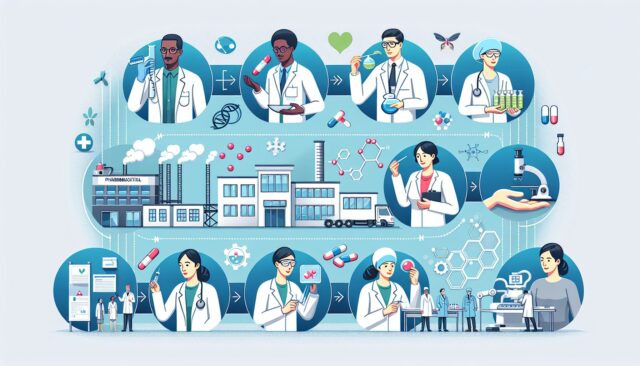
Pharmaceutical companies invest a significant amount of time and resources in research and development. This process involves identifying potential drug targets, conducting extensive laboratory tests, and undertaking multiple clinical trials. These trials help determine a drug’s efficacy, safety profile, and potential side effects. The pharmaceutical industry ensures that the drugs produced are rigorously tested and meet high-quality standards before being made available to patients.

Regulatory Authorities and Guidelines

To ensure the safety and efficacy of medications, regulatory authorities play a crucial role in the pharmaceutical industry. They review and approve drugs based on scientific evidence, assessing their benefits and risks. Organizations such as the Food and Drug Administration (FDA) in the United States or the European Medicines Agency (EMA) in Europe set guidelines and standards that must be met throughout the drug development process. This ensures that pharmaceutical companies adhere to stringent regulations and provide safe and effective treatments.

Manufacturing and Distribution

Pharmaceutical companies are responsible for the large-scale production and distribution of medicines. With specialized facilities and processes, they ensure that drugs are manufactured to meet regulatory standards, maintaining their safety and efficacy. Distribution networks connect pharmaceutical manufacturers to healthcare providers, pharmacies, and patients, ensuring that medications are accessible to those in need.

Collaboration and Partnerships

The pharmaceutical industry collaborates with various stakeholders to advance medicine. This includes partnerships with academic institutions, research organizations, and healthcare providers. Through collaboration, companies can leverage the expertise of others, share resources, and accelerate the research and development process. These partnerships lead to the creation of innovative medications that ultimately benefit patients worldwide.

Conclusion

The pharmaceutical industry plays a vital role in the advancement and accessibility of medicine. From the research and development of drugs to their manufacturing and distribution, pharmaceutical companies ensure that life-saving treatments are available to patients. Through collaboration and adhering to regulatory guidelines, the industry contributes to the growth and improvement of healthcare globally.

In a world where medical needs continue to evolve, the pharmaceutical industry’s ongoing commitment to scientific research and development will continue to shape the future of medicine, bringing hope to patients and advancing the overall well-being of society.

The Pharmaceutical Industry and the Miracle of Medicine

The pharmaceutical industry plays a vital role in our society, as it produces and delivers the medicines that save countless lives. Through groundbreaking research, innovative development, and rigorous regulation, this industry has revolutionized healthcare and improved the well-being of millions. In this blog post, we will explore the importance of the pharmaceutical industry and the wonders of modern medicine.

The Power of Pharmaceutical Research

Pharmaceutical companies invest heavily in research and development to discover new drugs and therapeutic treatments. This process involves extensive testing, clinical trials, and collaboration with scientists and medical professionals. Through their expertise, these industry leaders contribute to the continuous evolution of medical knowledge and help address unmet medical needs.

By funding research and development, pharmaceutical companies enable breakthroughs that translate into life-saving medications. For example, the development of antibiotics revolutionized modern medicine, combating once-fatal diseases such as tuberculosis and syphilis. Today, advancements in research have given rise to innovative drugs that help treat chronic illnesses like cancer, HIV/AIDS, and autoimmune disorders.

The Role of Innovation and Regulation

Innovation lies at the heart of the pharmaceutical industry. From novel drug delivery systems to targeted therapies, innovation drives progress and elevates the standard of care. Moreover, pharmaceutical research extends beyond new drug development. It encompasses improving existing medications and finding new uses for approved drugs.

However, innovation and patient safety go hand in hand. Regulatory bodies play a crucial role in ensuring the effectiveness, safety, and quality of pharmaceutical products. Extensive testing and clinical trials are undertaken to evaluate the safety and efficacy of new drugs before they reach the market. This stringent oversight provides consumers with the confidence that the medicines they rely on have undergone rigorous evaluation.

Pharmaceutical Industry and Public Health

The pharmaceutical industry plays a pivotal role in improving public health worldwide. Through their research efforts, companies can develop vaccines that prevent the spread of dangerous diseases. Vaccinations have saved countless lives and nearly eradicated diseases such as polio and measles. Moreover, pharmaceutical companies contribute to global health initiatives, making medications accessible to developing countries where healthcare resources are limited.

Furthermore, the industry’s commitment to research and development goes beyond immediate health concerns. Increasingly, pharmaceutical companies are investing in developing sustainable practices, reducing their environmental impact, and exploring greener alternatives for drug production and packaging.

Conclusion

The pharmaceutical industry’s dedication to research, innovation, and patient safety has transformed modern medicine, enabling the treatment of once-fatal diseases and improving the quality of life for millions. Through their tireless efforts, pharmaceutical companies have brought life-changing medications to patients worldwide, championing public health initiatives and investing in a healthier future. As we continue to face new medical challenges, the pharmaceutical industry will undoubtedly remain at the forefront of scientific discovery, providing hope and relief to individuals around the globe.