The Power and Perils of the Pharmaceutical Industry: Revolutionizing Medicine, One Pill at a Time

The pharmaceutical industry has long been a driving force behind medical advancements and breakthroughs. With billions of dollars invested in research and development, this industry plays a crucial role in improving the health and well-being of millions of people worldwide. However, with great power comes great responsibility, and the pharmaceutical industry is not without its perils and controversies.

Revolutionizing Medicine: The Positive Impact

The pharmaceutical industry has undoubtedly revolutionized modern medicine. Through rigorous research and clinical trials, pharmaceutical companies have brought lifesaving drugs and innovative therapies to the market. From antibiotics that combat infections to medications that treat chronic diseases, the industry has transformed the way healthcare professionals manage various conditions.

Moreover, the pharmaceutical industry has made significant strides in the area of preventive medicine. Vaccines have played a vital role in eliminating or greatly reducing the incidence of diseases such as polio, measles, and smallpox. These advances have had a profound impact on public health, saving countless lives and reducing the burden on healthcare systems around the world.

The High Stakes Game: Big Pharma and Profits

Despite the positive contributions of the pharmaceutical industry, it is not immune to criticism. A significant concern revolves around the role of profits in drug development and pricing. Pharmaceutical companies have a fiduciary responsibility to generate profits for their shareholders. This can sometimes lead to skyrocketing drug prices, which may hinder accessibility for patients in need.

However, it is important to acknowledge that the high costs associated with drug development and regulatory compliance contribute to these pricing decisions. From extensive research and clinical trials to costly manufacturing processes, bringing a new drug to market often entails enormous expenses. Balancing the need to recoup investments with providing accessible medications is an ongoing challenge.

The Ethical Dilemma: Balancing Business and Patient Welfare

Another ethical concern surrounding the pharmaceutical industry is the marketing and promotion of drugs. Pharmaceutical companies often invest heavily in promoting their products to healthcare professionals, aiming to increase prescriptions and sales. While marketing can play a vital role in raising awareness about new treatments, it also raises questions about the impartiality of medical decisions.

Striking a balance between the commercial interests of pharmaceutical companies and the welfare of patients is an ongoing ethical dilemma. In recent years, greater transparency efforts and regulations have been implemented to mitigate some of the potential conflicts of interest. However, further discussions and actions are required to ensure that patient care remains at the forefront of medical decision-making.

The Future of Pharmaceuticals: Collaboration and Innovation

As we navigate the complex landscape of healthcare, collaboration between the pharmaceutical industry, healthcare professionals, regulatory bodies, and patients is crucial. By working together, we can ensure that the development and distribution of medications align with patient needs and societal well-being.

Furthermore, embracing technological advancements and innovative approaches can facilitate the creation of more affordable and accessible medications. From personalized medicine to targeted therapies, the future of the pharmaceutical industry holds great promise. As we move forward, it is essential to learn from past challenges and harness the power of this industry for the greater benefit of humanity.

Conclusion

The pharmaceutical industry has undoubtedly revolutionized medicine, offering hope to countless individuals suffering from various ailments. However, it is imperative to address the ethical concerns and challenges that accompany this industry. By striking a balance between profitability and patient welfare, collaborating across sectors, and encouraging innovation, we can ensure that the power of the pharmaceutical industry continues to bring about positive change in the field of medicine. Together, we can navigate the perils and potential of this industry, creating a healthier future for all.
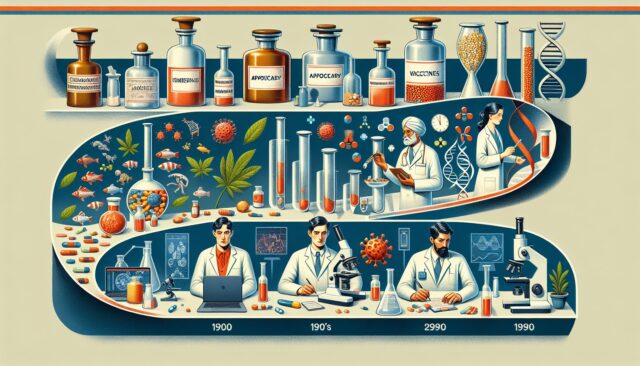
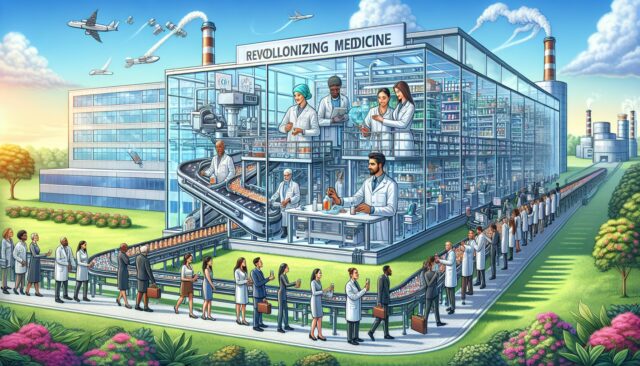
The Evolution of the Pharmaceutical Industry: Advancements in Medicine

The pharmaceutical industry plays a crucial role in shaping the healthcare landscape and improving the quality of life for millions of people worldwide. With its continuous efforts in research, innovation, and development, this industry has paved the way for significant advancements in medicine. From discovering life-saving drugs to revolutionizing treatment approaches, pharmaceutical companies continue to leave a lasting impact on global health.

Introduction: The Powerhouses of Medicine

Pharmaceutical companies have become the powerhouses behind the ever-expanding realm of medicine. Armed with cutting-edge technology and a deep understanding of biology, these companies are at the forefront of discovering and developing new drugs. Their primary mission is to ensure the effective prevention, diagnosis, and treatment of diseases that afflict humanity.

Body: Revolutionizing Healthcare, One Discovery at a Time

The pharmaceutical industry has been instrumental in revolutionizing healthcare through several impressive contributions. First and foremost, it has introduced groundbreaking medications that have significantly improved patient outcomes. Drugs that were once rare or nonexistent are now readily available, allowing patients to lead more productive and healthy lives.

Moreover, pharmaceutical companies have played a vital role in identifying the unique mechanisms of diseases, which has revolutionized the way we approach treatment. By gaining a deeper understanding of the underlying causes, researchers and pharmaceutical companies can develop targeted therapies that specifically address the root of the problem.

Furthermore, the industry’s investment in research and development has fostered remarkable progress in combating life-threatening conditions. Diseases like cancer, HIV/AIDS, and cardiovascular disorders have seen substantial advancements in treatment, resulting in increased survival rates and improved patient care.

In addition to drug development, the pharmaceutical industry has embraced the era of precision medicine. By utilizing genetic information and innovative technologies, scientists can tailor treatments to individual patients, enhancing their efficacy and reducing adverse effects. Precision medicine is revolutionizing the healthcare landscape, providing patients with personalized therapeutic options and potentially saving lives.

Conclusion: A Future Full of Promise

The continuous advancements in the pharmaceutical industry give us hope for a future full of promise. As technology advances, we can expect even more significant breakthroughs in medicine and healthcare. The development of new drugs, coupled with the integration of artificial intelligence and big data analysis, will propel the industry forward, enabling personalized and effective treatments for all.

Although challenges persist, including regulatory hurdles and the high cost of research and development, the collaboration between pharmaceutical companies, healthcare professionals, and governments is vital to further fuel progress. By working together, we can ensure that the pharmaceutical industry continues to improve and save lives, creating a healthier and brighter future for all.

In conclusion, the pharmaceutical industry has proven its indispensable role in advancing medicine. Through tireless research, innovation, and development, pharmaceutical companies have revolutionized healthcare, developed life-saving drugs, and introduced precision medicine. As we move forward, let us celebrate these accomplishments and support the industry’s ongoing efforts to improve global health.

The Pharmaceutical Industry: Revolutionizing Medicine

The pharmaceutical industry has played a pivotal role in revolutionizing the field of medicine. With its continuous research, development, and innovation, this industry has significantly improved the overall well-being of individuals across the globe. From the discovery of life-saving drugs to the development of groundbreaking treatments, the pharmaceutical industry continues to shape healthcare as we know it.

The Pharmaceutical Industry: Advancing Medical Science

The pharmaceutical industry has been at the forefront of medical science advancements. Through extensive research, pharmaceutical companies have made immense contributions to the discovery of new drugs that combat various diseases. These innovations have resulted in extended life expectancies and improved quality of life for individuals suffering from ailments that were once considered incurable.

From antibiotics to vaccines and breakthrough cancer treatments, pharmaceutical companies invest billions of dollars in research and development (R&D) each year. This commitment to scientific progress has resulted in the development of effective drugs for countless conditions. The continuous efforts of the pharmaceutical industry have not only saved lives but have also alleviated the burden on healthcare systems worldwide.

The Importance of Regulation

While the pharmaceutical industry has undoubtedly transformed medicine for the better, it is essential to acknowledge the significance of regulation. Stringent regulations ensure the safety, efficacy, and quality of pharmaceutical products. They protect patients and healthcare providers from ineffective or potentially harmful drugs.

Strict regulatory bodies, such as the Food and Drug Administration (FDA) in the United States and the European Medicines Agency (EMA) in Europe, meticulously evaluate the safety and effectiveness of all pharmaceutical products before they can reach the market. These regulations ensure that pharmaceutical companies adhere to high standards and prioritize patient well-being above all else.

Balancing Access and Affordability

One of the challenges the pharmaceutical industry faces is balancing access to life-saving medications with their high costs. The extensive research, clinical trials, and regulatory hurdles that accompany drug development often contribute to the high prices of pharmaceutical products. This can create barriers for patients, particularly those without adequate insurance coverage or in lower-income countries.

Efforts to address this issue include the development of generic drugs and biosimilars, which offer more affordable alternatives to expensive branded medications. Furthermore, organizations like the World Health Organization (WHO) advocate for fair pricing and equitable distribution of essential medications globally, increasing accessibility for all individuals.

The Future of the Pharmaceutical Industry

As technology continues to evolve, so does the pharmaceutical industry. Advancements in areas like biotechnology, nanotechnology, and personalized medicine hold immense promise for the future of healthcare. These innovations have the potential to further enhance the efficacy and safety of drugs, leading to more tailored treatments and improved patient outcomes.

Moreover, the pharmaceutical industry plays a fundamental role in the ongoing fight against emerging infectious diseases. As demonstrated during the COVID-19 pandemic, pharmaceutical companies swiftly responded to develop vaccines and treatments to combat the novel virus. This dedication and agility exemplify the industry’s commitment to global health.

Conclusion

The pharmaceutical industry is a driving force behind medical advancements, with its continuous pursuit of new treatments and therapies. By investing in research, adhering to rigorous regulations, and seeking to improve accessibility, this industry has transformed the lives of countless individuals. As technology progresses and healthcare evolves, the pharmaceutical industry will continue to be a key player in pushing the boundaries of medicine, ultimately paving the way for a healthier future.

The Powerhouse of Health: The Pharmaceutical Industry and Its Impact on Medicine

The pharmaceutical industry plays a pivotal role in advancing global health by providing innovative and life-saving medications. With continuous research and development, this industry has revolutionized medical treatments and significantly improved the quality of life for millions of people worldwide. In this blog post, we will explore the crucial role that the pharmaceutical industry plays in the realm of medicine.

Introduction: The Driving Force of Innovation

The pharmaceutical industry serves as the backbone of modern medicine. Through extensive research and development, pharmaceutical companies create medications to treat diseases, alleviate symptoms, and enhance overall well-being. These advancements have eradicated some of the most deadly diseases, transformed chronic conditions into manageable ones, and improved healthcare outcomes globally.

The Role of Research and Development

One of the primary responsibilities of the pharmaceutical industry lies in research and development (R&D). Companies invest substantial resources in discovering new compounds, conducting clinical trials, and obtaining regulatory approvals. Such endeavors can often take years and cost billions of dollars, highlighting the commitment of the industry towards advancing medicine.

R&D investments are not limited to new drug development; they also encompass improvements to existing medications. The industry continually seeks ways to optimize drug treatments, minimize side effects, and improve drug delivery methods. These efforts result in increased efficacy and patient comfort, allowing for more effective treatments and better healthcare outcomes.

Access to Medicine: Bridging Gaps

The pharmaceutical industry endeavors to make life-saving medications accessible to all individuals in need, regardless of geographic location or economic background. Many companies have implemented patient assistance programs, affordability initiatives, and partnerships with non-profit organizations to ensure that those in developing countries can access essential medications at affordable prices.

Furthermore, pharmaceutical companies contribute significantly to global health through extensive donations of medications and vaccines during times of crises, such as natural disasters or global pandemics. These philanthropic efforts help bridge the gaps in healthcare and provide essential medications to those who are most vulnerable.

Addressing Challenges and Ensuring Safety

The pharmaceutical industry faces numerous challenges, such as strict regulatory requirements, patent expirations, and competition. However, these challenges often lead to greater innovation and improved patient care. Regulatory bodies play a crucial role in ensuring medication safety, efficacy, and quality, which are paramount for consumer protection.

Additionally, the pharmaceutical industry collaborates extensively with healthcare professionals, researchers, and regulatory bodies to monitor medications’ long-term safety and efficacy profiles. This commitment to ongoing monitoring and pharmacovigilance helps detect and address potential concerns promptly, safeguarding public health.

Conclusion: A Beacon of Hope

The pharmaceutical industry’s unwavering dedication to research, development, and innovation has transformed medicine over the years. Through continuous advancements, this industry has saved countless lives and improved the quality of life for millions of people worldwide. By providing access to medicine, addressing challenges, and prioritizing safety, the pharmaceutical industry remains a beacon of hope for patients, healthcare professionals, and society as a whole.

So, the next time you take your prescribed medication, remember the immense impact of the pharmaceutical industry and the countless hours of research and development that went into its creation. Let us celebrate the advancements made possible by this industry and acknowledge the vital role it plays in ensuring our health and well-being.

#The Pharmaceutical Industry: Revolutionizing Medicine for a Healthier Future

The pharmaceutical industry plays a vital role in transforming healthcare by bringing innovative drugs and treatments to the forefront. With a relentless commitment to research and development, pharmaceutical companies have revolutionized the way we approach and treat diseases. In this blog post, we will explore the impact of the pharmaceutical industry on medicine and how it has shaped our lives for the better.

The Power of Innovation

The pursuit of breakthrough discoveries is at the heart of the pharmaceutical industry. Through tireless research and clinical trials, pharmaceutical companies seek to develop new drugs that can effectively combat diseases and improve patients’ quality of life. The process of drug development involves extensive testing to ensure safety and efficacy.

In recent years, we have witnessed groundbreaking innovations such as gene therapies, immunotherapies, and targeted treatments. These advancements have paved the way for more personalized and effective treatments, allowing healthcare providers to tailor therapies to individual patients’ needs. The pharmaceutical industry’s unwavering commitment to innovation has played a crucial role in transforming medical care.

Improved Health Outcomes

Thanks to the pharmaceutical industry’s dedication, we have experienced significant improvements in health outcomes worldwide. Medications that were once considered life-threatening illnesses or chronic conditions are now manageable or even curable. Diseases like HIV/AIDS, certain types of cancer, and cardiovascular disorders transformed from life sentences to manageable conditions, enabling patients to lead healthier and more fulfilling lives.

Furthermore, vaccinations have been instrumental in reducing the prevalence of infectious diseases globally. Diseases like polio, smallpox, and measles, which were once major threats to public health, have been brought under control due to the widespread availability of vaccines. These achievements are testaments to the profound impact pharmaceutical companies have had on global health.

Economic and Societal Benefits

Not only has the pharmaceutical industry revolutionized health outcomes, but it has also created significant economic opportunities and societal benefits. Pharmaceutical companies drive economic growth by providing employment opportunities and contributing to local economies. Moreover, their investments in research and development trickle down to various sectors, fostering innovation and technological advancements.

Additionally, the pharmaceutical industry plays a pivotal role in humanitarian efforts. Many pharmaceutical companies actively participate in initiatives aimed at improving global health, such as providing medications to underserved populations, tackling neglected tropical diseases, and responding to global health crises. These efforts demonstrate their commitment to making a tangible difference in the lives of people around the world.

Conclusion

The pharmaceutical industry’s contributions to medicine and healthcare are undeniable. Through continuous innovation and rigorous research, pharmaceutical companies have transformed the landscape of medicine, enabling us to combat diseases that were once considered insurmountable. Improved health outcomes, economic benefits, and societal advancements are just a few of the many ways the pharmaceutical industry has positively impacted our lives.

As we look to the future, it is crucial to support and encourage the pharmaceutical industry’s ongoing efforts. By fostering an environment that promotes research, collaboration, and accessibility, we can ensure that the industry continues to shape the future of medicine, leading us towards a healthier and brighter tomorrow.

The Evolving Role of the Pharmaceutical Industry in Revolutionizing Medicine

The pharmaceutical industry plays a pivotal role in the development, production, and distribution of life-saving medications and healthcare products. With continuous advancements in medical science and technology, this industry has evolved to meet the growing demands for innovative treatments and improved patient care. In this blog post, we will explore the significant contributions of the pharmaceutical industry to modern medicine.

Transformation and Innovation in Medicine

Over the years, the pharmaceutical industry has witnessed remarkable advancements, leading to groundbreaking breakthroughs in the field of medicine. Researchers and scientists tirelessly work on discovering new drugs, improving existing medications, and developing innovative therapies. These efforts have resulted in life-altering treatments for various diseases, from chronic conditions to rare disorders.

One of the most significant contributions of the pharmaceutical industry is the development of vaccines. Vaccines have been instrumental in preventing several infectious diseases and have effectively eradicated certain illnesses worldwide. From smallpox to polio, the pharmaceutical industry has played a crucial role in providing these life-saving vaccines, ensuring global public health and well-being.

Regulatory Approval and Safety Assurance

The pharmaceutical industry operates under stringent regulations to ensure the safety and efficacy of medications before they reach patients. Extensive clinical trials and rigorous testing procedures are conducted to evaluate a drug’s efficacy, potential side effects, and any associated risks. These regulatory approval processes, which involve governmental agencies like the Food and Drug Administration (FDA), are designed to protect patients and ensure that medications meet the necessary quality standards.

Pharmaceutical companies invest significant resources in research and development to meet these regulatory requirements, often spending years and vast sums of money to bring a single drug to market. This rigorous approach ensures that patients can have confidence in the medications they use and that their healthcare providers can trust the effectiveness and safety of these drugs.

Accessibility and Affordability

Ensuring global access to essential medications and improving affordability remains a challenge for the pharmaceutical industry. While pharmaceutical companies invest heavily in research and development, the cost of bringing new drugs to market can be extraordinarily high. These expenses are often passed on to patients, leading to high drug prices that can create barriers to access and affordability.

To address this issue, pharmaceutical companies are increasingly collaborating with government agencies, NGOs, and other stakeholders to make vital medications more accessible and affordable to patients in need. Efforts such as price negotiations, patient assistance programs, and discount schemes are being implemented to enhance the affordability of essential drugs and improve patient outcomes.

Conclusion

The pharmaceutical industry continues to be at the forefront of medical advancements, unlocking new possibilities in the prevention, treatment, and management of diseases. Through their dedication to research and innovation, pharmaceutical companies have revolutionized the landscape of modern medicine. However, the industry still faces challenges around accessibility and affordability. By working together and finding sustainable solutions, the pharmaceutical industry can ensure that life-changing medications are made available to all patients who require them, fostering a healthier and more equitable world.

The Pharmaceutical Industry: Revolutionizing Medicine

The pharmaceutical industry plays a crucial role in transforming healthcare and improving the overall quality of life. From pioneering research to the development and distribution of life-saving medicines, this industry holds the power to shape the future of medicine. In this article, we will explore the profound impact of the pharmaceutical industry on healthcare and the significant advancements it has brought about.

Introduction: A Catalyst for Advancement

The pharmaceutical industry serves as a driving force for innovation in the field of medicine. By investing heavily in research and development, pharmaceutical companies strive to identify novel treatments and therapies for various diseases. These companies bring together highly skilled scientists, researchers, and medical professionals to explore new frontiers and push the boundaries of medical knowledge.

Revolutionizing Treatment Options

One of the most significant contributions of the pharmaceutical industry is the continual development of new and improved medications. Through rigorous testing and clinical trials, pharmaceutical companies ensure that the drugs they produce meet stringent safety and effectiveness standards. These breakthrough medications provide physicians with more treatment options, allowing them to tailor interventions to individual patients.

Pharmaceutical companies also play a vital role in tackling previously untreatable or rare diseases. By investing in researching and designing medications for these conditions, they offer hope and improved outcomes for patients who previously had no viable treatment options. Moreover, the pharmaceutical industry has been instrumental in reducing the burden of infectious diseases by developing vaccines that have saved countless lives.

Economic Growth and Employment Opportunities

The pharmaceutical industry is a significant contributor to global economies and a source of numerous employment opportunities. Unsurprisingly, the development, production, and distribution of pharmaceutical products generate substantial revenue. This financial stability enables further investment in research and development, creating a cycle of innovation and growth.

Furthermore, the pharmaceutical industry provides employment to a diverse range of professionals. From scientists and researchers to marketing and sales personnel, it offers a multitude of careers for individuals with a variety of skill sets. The industry also fosters collaboration with academic institutions and healthcare organizations, leading to an exchange of knowledge and expertise.

Challenges and Ethical Considerations

While the pharmaceutical industry brings about immense benefits, it is not without its challenges. The high cost of some medications often raises concerns about accessibility, especially in developing countries or among those with limited healthcare coverage. Striking a balance between the need for profit and ensuring affordable access to essential medicines remains an ongoing ethical dilemma.

Additionally, the industry faces scrutiny regarding drug safety and transparency, as well as potential conflicts of interest in research and marketing practices. Regulators and pharmaceutical companies must work together to maintain high standards of ethics and accountability, ensuring the utmost safety for patients.

Conclusion: A Pillar of Healthcare Innovation

The pharmaceutical industry’s dedication to scientific research, innovation, and patient care has revolutionized medicine as we know it. With a relentless commitment to enhancing treatment options, tackling previously incurable diseases, and providing employment opportunities, this industry deserves recognition for its invaluable contributions.

However, it is vital to address the challenges and ethical considerations associated with the pharmaceutical industry. By promoting accessibility, transparency, and ethical practices, stakeholders can collaboratively bridge the gap between profitability and affordability while ensuring patient safety.

In a world heavily reliant on healthcare, the pharmaceutical industry remains a driving force, forging the path to a healthier and brighter future.

The Pharmaceutical Industry: Advancements in Medicine

The pharmaceutical industry has been at the forefront of medical advancements, bringing forth innovative treatments and medications that have revolutionized healthcare. It plays a vital role in improving the quality of life for individuals worldwide. Not only does the industry develop and manufacture drugs, but it also conducts extensive research to address various health conditions. This article discusses the significance of the pharmaceutical industry in the field of medicine and the impact it has on society.

The Importance of Research and Development

Research and development (R&D) is the backbone of the pharmaceutical industry. Pharmaceutical companies invest a significant amount of time and resources in conducting research to discover new drugs and therapies. This rigorous process involves scientists and researchers working tirelessly to understand the mechanisms behind diseases and develop effective treatment options. Through R&D, groundbreaking medicines are created, addressing unmet medical needs and improving healthcare outcomes.

Ensuring Safety and Efficacy

Before any medication reaches the hands of patients, it undergoes a rigorous process of clinical trials and regulatory approval. These trials are designed to evaluate the safety and efficacy of the drug on a large scale, ensuring that it meets the necessary standards. Strict regulations and guidelines are in place to protect patients from potential harm. The pharmaceutical industry plays a pivotal role in adhering to these regulations and ensuring that all medications are thoroughly tested before they are made available to the public.

Enhancing Disease Management

The pharmaceutical industry has made significant contributions to disease management in various fields. From infectious diseases to chronic conditions, medications have played a crucial role in controlling and sometimes eradicating illnesses. For example, the development of antibiotics revolutionized the treatment of bacterial infections, while antiretroviral drugs have transformed HIV from a life-threatening disease to a manageable condition. With continuous research and innovation, the industry is constantly pushing boundaries to find new treatments and improve existing ones.

Addressing Global Health Challenges

The pharmaceutical industry not only focuses on individual health but also addresses global health challenges. Diseases that affect large populations or regions are given special attention, and pharmaceutical companies collaborate with governments and non-profit organizations to combat these issues. Vaccination programs, for instance, have been instrumental in preventing diseases such as polio and measles. Furthermore, during health crises like the recent COVID-19 pandemic, the industry has played a critical role in developing vaccines and treatments to control the spread of the virus.

Conclusion

The pharmaceutical industry is an essential component of modern healthcare, driving progress and innovation in medicine. Through extensive research and development, it has transformed the way we manage diseases, improving the quality of life for countless individuals. By adhering to strict regulations and ensuring the safety and efficacy of medications, pharmaceutical companies provide valuable solutions for patients worldwide. With continued investment in R&D, collaboration, and a focus on addressing global health challenges, the pharmaceutical industry will undoubtedly continue to shape the future of medicine and improve healthcare outcomes for all.

The Pharmaceutical Industry: Revolutionizing Medicine

The pharmaceutical industry plays a vital role in revolutionizing the field of medicine. Through extensive research, development, and manufacturing of various drugs and medications, pharmaceutical companies have significantly improved the quality of healthcare and saved countless lives. In this blog post, we will explore the importance of the pharmaceutical industry in providing life-saving medications and advancing medical treatments.

The Introduction: Bridging the Gap between Science and Medicine

Science and medicine go hand in hand, but the pharmaceutical industry acts as a bridge between the two disciplines. Companies within this industry invest heavily in research and development (R&D) to discover new drugs, enhance existing treatments, and explore novel therapeutic approaches. They collaborate with renowned scientists, medical professionals, and academic institutions to translate scientific discoveries into practical applications.

The Body: Unleashing the Potential of Medicine

One of the primary contributions of the pharmaceutical industry lies in the discovery and development of new drugs. Scientists and researchers tirelessly work to identify potential targets, study disease mechanisms, and create molecules that could effectively treat various medical conditions. This process involves rigorous experimentation, clinical trials, and regulatory approvals to ensure the safety and efficacy of the medications.

Moreover, pharmaceutical companies play a pivotal role in manufacturing and distributing medications across the globe. They invest in state-of-the-art facilities and adhere to strict quality control measures to ensure that patients can access safe and reliable medications. By employing sophisticated techniques and adhering to stringent protocols, these companies meet the increasing demand for drugs while maintaining the highest standards of quality.

Another significant aspect of the pharmaceutical industry is its dedication to the continuous improvement of existing treatments. Through ongoing research and clinical trials, pharmaceutical companies constantly seek to enhance drug formulations, optimize dosages, and minimize side effects. This commitment to improvement ensures that patients receive the best possible treatment options, leading to improved health outcomes.

Furthermore, the pharmaceutical industry often collaborates with healthcare providers and policymakers to explore innovative approaches to disease prevention and management. By conducting epidemiological studies and gathering real-world data, pharmaceutical companies contribute to evidence-based medicine and help shape healthcare policies. These partnerships lead to improved patient care, reduced healthcare costs, and better overall public health.

The Conclusion: Changing Lives and Building the Future

In conclusion, the pharmaceutical industry is an essential driving force behind advancements in the field of medicine. From discovering breakthrough drugs to improving existing treatments, pharmaceutical companies play a pivotal role in saving lives and improving healthcare outcomes. Through their relentless pursuit of scientific knowledge, dedication to patient well-being, and commitment to innovation, they continue to transform the future of healthcare. As technology progresses and our understanding of diseases deepens, the industry’s contribution will only become more critical in shaping a healthier world for generations to come.

Word count: 402 words

The Evolving Pharmaceutical Industry: Revolutionizing Medicine

The pharmaceutical industry plays a pivotal role in revolutionizing the field of medicine. From discovering life-saving drugs to developing cutting-edge therapies, pharmaceutical companies continuously strive to enhance the quality of healthcare worldwide. In this blog post, we will explore the significant impact of the pharmaceutical industry on medicine and its relentless pursuit of improving human health.

Introduction: A Brief Overview

Medicine has come a long way since its inception. Thanks to the pharmaceutical industry, we now have access to a wide range of innovative medications that tackle various diseases and conditions. The advent of pharmaceutical drugs has dramatically increased life expectancy and improved the quality of life for countless individuals. (Source: https://upcycly.com/)

The Unending Pursuit of Novel Therapies

Pharmaceutical companies invest significant resources in research and development (R&D) to discover new drugs and therapies. With the support of talented scientists and cutting-edge technology, these organizations relentlessly seek solutions for the most challenging diseases. By exploring and innovating, they continuously push the boundaries of medical possibilities.

Enhancing Patient Care and Treatment Options

The pharmaceutical industry not only focuses on discovering new medications but also strives to enhance the effectiveness of existing treatments. Pharmaceutical companies conduct clinical trials to ensure that medications are safe and efficient, minimizing the risks associated with various illnesses that you can find on this website. Moreover, they work closely with healthcare professionals to develop personalized treatment plans that cater to individual patients’ needs, thus improving patient outcomes.

Utilizing Advanced Technologies

Advancements in technology have immensely contributed to the pharmaceutical industry’s progress. With the aid of state-of-the-art equipment and data analysis tools, pharmaceutical companies can analyze vast amounts of medical data rapidly in this information. This enables them to identify patterns, explore new possibilities, and develop targeted therapies. Embracing technological advancements has the potential to revolutionize the way medicines are discovered, formulated, and administered.

Ensuring Safety and Regulation Compliance

The pharmaceutical industry operates within a robust regulatory framework that ensures patient safety and treatment standardization. Extensive testing and adherence to strict guidelines are essential components of pharmaceutical manufacturing. These processes guarantee that medications are safe, effective, and meet the necessary quality standards. By complying with regulations, the industry safeguards patients’ health and builds trust within the medical community.

Conclusion: Driving Medical Advancement

The pharmaceutical industry’s profound impact on medicine cannot be overstated. Through constant innovation, rigorous testing, and collaboration with healthcare professionals, pharmaceutical companies have revolutionized patient care. From treating previously incurable diseases to enhancing overall wellness, their contributions continue to shape the future of healthcare. As we move forward, it is vital to recognize and support the vital role of the pharmaceutical industry in improving human health around the globe.

Ultimately, the pharmaceutical industry acts as a catalyst for medical advancement, imbuing hope in patients, and driving innovation within the field of medicine. By harnessing the power of research, embracing technology, and adhering to strict regulations, the industry will undoubtedly continue to break barriers, improve lives, and bring us closer to a healthier and brighter future.