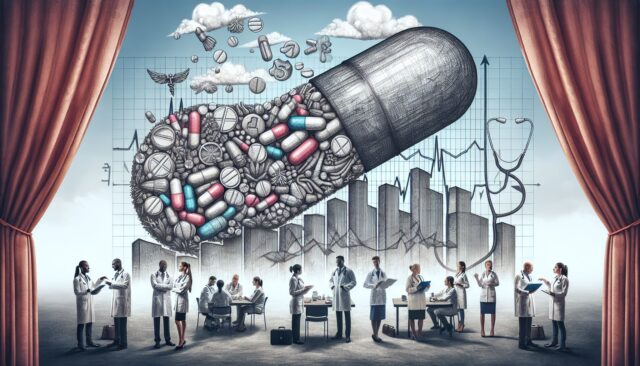
The pharmaceutical industry plays a vital role in advancing medicine and improving healthcare worldwide. With its extensive research, development, and distribution processes, it has continually contributed to the well-being of society. However, this industry is not without its controversies and challenges. In this blog post, we will explore the complex relationship between the pharmaceutical industry and medicine, shedding light on both its positive and negative aspects.
Introduction
The pharmaceutical industry is responsible for drug development, production, and distribution. It invests billions of dollars annually in research and development, resulting in groundbreaking advancements in medicine. This industry has brought forth life-saving medications, vaccines, and treatments that have significantly improved the quality of life for countless individuals.
The Positive Impact of the Pharmaceutical Industry
Thanks to the pharmaceutical industry’s constant innovation, diseases that were once fatal or debilitating are now manageable or even curable. Medications such as antibiotics, antivirals, and cancer therapies have saved countless lives. The development of vaccines has eradicated deadly diseases, like smallpox, and brought others, such as polio, to the brink of elimination.
Moreover, the pharmaceutical industry has the infrastructure and expertise to manufacture and distribute medications on a large scale, ensuring that patients worldwide have access to essential treatments. This accessibility has been particularly evident during global health crises, like the COVID-19 pandemic, where the industry has worked tirelessly to develop and produce vaccines in record time.
Challenges and Controversies
While the pharmaceutical industry has made significant advancements, it is not exempt from criticism and controversies. One major concern is the high cost of medications, particularly in developed countries. Prices often tend to exceed the affordability of patients, creating barriers to access and leaving some individuals without crucial treatments.
Another point of contention is the influence of pharmaceutical companies on medical professionals and research. The industry’s substantial financial resources can sway prescribing habits, potentially leading to over-prescription or biases in treatment choices. Moreover, there have been instances where companies have suppressed unfavorable research findings or engaged in unethical marketing practices, further eroding public trust.
Striking a Balance for the Future
To ensure a positive and productive relationship between the pharmaceutical industry and medicine, it is crucial to address these challenges and controversies proactively. Collaboration between pharmaceutical companies and regulatory bodies can help establish affordable pricing models, increasing accessibility to life-saving medications.
Transparency is also essential. Governments and medical institutions must enforce stringent regulations to monitor pharmaceutical marketing practices and ensure unbiased research and clinical trials. By fostering a culture of openness and accountability, the industry can rebuild public trust and work collaboratively towards the common goal of better healthcare.
Moreover, continued investment in research and development is paramount. By focusing research efforts on unmet medical needs, such as rare diseases or antibiotic resistance, the industry can contribute to finding solutions for urgent health challenges facing humanity.
Conclusion
The pharmaceutical industry has undoubtedly revolutionized medicine, saving countless lives and improving global health. However, it must address its challenges and controversies to create a sustainable future. Through affordability, transparency, and continued innovation, the industry can shape a world where every individual has access to safe, effective, and affordable medications. Only then can we fully harness the immense potential of the pharmaceutical industry to create a healthier future for all.