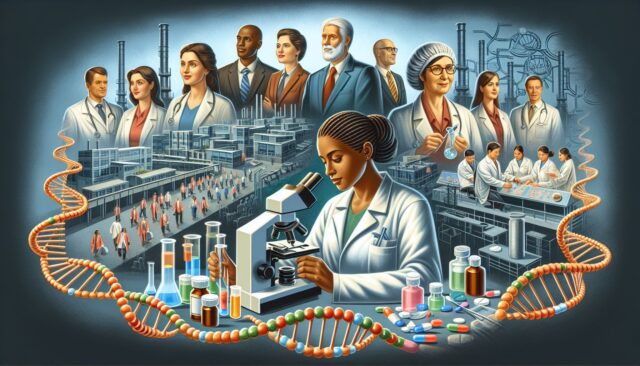
The pharmaceutical industry plays a crucial role in saving lives and improving the overall well-being of millions of people worldwide. Through extensive research and development, pharmaceutical companies are able to produce innovative medicines that address various health issues. In this article, we will explore the importance of the pharmaceutical industry in advancing medicine and enhancing healthcare outcomes.
An Introduction to the Pharmaceutical Industry
The pharmaceutical industry encompasses a wide range of activities, including drug research, development, manufacturing, and distribution. Its main objective is to develop effective and safe medications to prevent, treat, and manage diseases. This industry heavily relies on scientific advancements to understand the complexities of various health conditions and develop appropriate treatment options.
The Research and Development Process
The research and development (R&D) process in the pharmaceutical industry is lengthy, complex, and requires substantial financial resources. Scientists and researchers in this field dedicate their time and expertise to studying diseases and identifying potential targets for drug intervention. This stage often involves in vitro and in vivo testing to evaluate the safety and efficacy of potential medications.
Following successful preclinical studies, the drug candidates undergo clinical trials. These trials involve multiple phases, each focusing on different aspects such as safety, dosage, and effectiveness. Regulatory authorities carefully monitor and evaluate the findings before granting approval for a new drug to enter the market.
Breakthroughs in Patient Care
Pharmaceutical breakthroughs have revolutionized patient care, allowing individuals with previously incurable or poorly treated conditions to lead healthier lives. Diseases like HIV/AIDS, cancer, and diabetes now have improved treatment options thanks to the continuous efforts of the pharmaceutical industry. Additionally, breakthrough medications have significantly reduced mortality rates, extended life expectancy, and improved the quality of life for countless patients worldwide.
The Impact of Generic Medications
One significant contribution of the pharmaceutical industry is the production of generic medications. These drugs are identical to their brand-name counterparts, but at a fraction of the cost. Generic medications provide affordable treatment options for patients, particularly in developing countries where access to healthcare may be limited. They also foster competition, driving down prices and making essential medications more accessible to a broader population.
Collaboration and Future Advances
Collaboration between pharmaceutical companies, research institutions, and healthcare providers is essential for future advances. By sharing knowledge, data, and resources, stakeholders can accelerate the drug development process and bring innovative medicines to the market more efficiently. Furthermore, ongoing research collaboration enables the identification of new targets and the exploration of potential therapies for complex and rare diseases.
Conclusion
The pharmaceutical industry’s commitment to research, development, and innovation has undoubtedly transformed medicine and healthcare. It has not only provided life-saving treatments but also improved the overall quality of life for patients worldwide. As this industry continues to evolve, collaborations and advancements in technologies will further enhance the discovery and production of medications, ultimately leading to better healthcare outcomes for all.