
The Pharmaceutical Industry: Revolutionizing Medicine

The pharmaceutical industry plays a pivotal role in revolutionizing healthcare worldwide. With a constant focus on research, development, and innovation, this industry has significantly improved human well-being and extended our lifespans. From discovering groundbreaking treatments to enhancing the quality of existing medications, pharmaceutical companies have transformed the world of medicine and continue to shape its future.

The Introduction

The pharmaceutical industry represents an intricate ecosystem of drug manufacturers, researchers, regulatory bodies, and healthcare providers. Their collective objective is to alleviate suffering, improve patient outcomes, and eradicate illnesses worldwide. Countless lives have been saved, and the quality of life has been enhanced, thanks to the efforts of this industry.

The Body

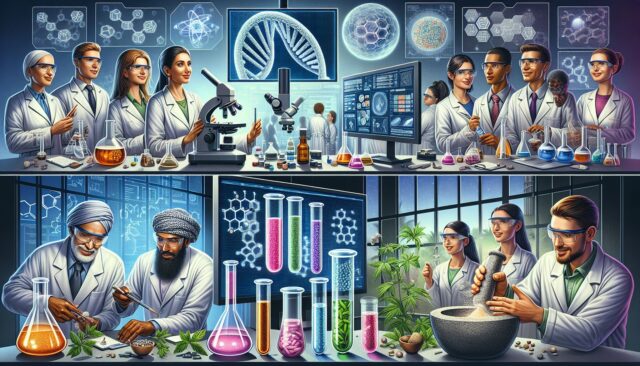
The pharmaceutical industry’s foundation lies in extensive research and development (R&D). Companies invest significant time, effort, and resources into discovering new drugs and therapies to combat diseases and improve health. This process involves studying diseases, exploring potential targets, and identifying compounds that could effectively treat or manage these conditions. Subsequently, rigorous clinical trials are conducted to ensure the safety and efficacy of these medications.

The advancements in medicine provided by pharmaceutical companies have been nothing short of astonishing. New treatments have been discovered to combat previously untreatable conditions, such as various forms of cancer, HIV/AIDS, and autoimmune diseases. By developing novel therapeutic approaches and medications, they have revolutionized patient care, enabling individuals to lead healthier and more fulfilling lives.

Additionally, pharmaceutical companies play a crucial role in enhancing existing medications. They continuously strive to improve drug formulations, enhance delivery mechanisms, and mitigate potential side effects. By actively engaging in research and development, these companies refine medications to minimize adverse reactions, maximize efficacy, and optimize patient compliance. Continuous improvement and innovation ensure that patients receive the best possible treatment options.

Moreover, the pharmaceutical industry exhibits a deep commitment to public health. They actively engage with regulatory bodies to ensure that medicines are safe and effective, adhering to strict guidelines and regulations. Extensive testing, rigorous quality control measures, and comprehensive clinical trials are conducted to guarantee the safety and efficacy of medications before they reach the market. Such stringent measures protect patient health and foster trust between the pharmaceutical industry and consumers.

The Conclusion

The pharmaceutical industry is an indispensable pillar of modern medicine. Through tireless dedication to research, development, and innovation, they have transformed the healthcare landscape, leading to better patient outcomes and improved quality of life. From groundbreaking discoveries to continuous improvements in medications, the pharmaceutical industry continues to shape the way we perceive and treat diseases.

As we move into the future, it is crucial to support and appreciate the pivotal role played by the pharmaceutical industry. Their relentless pursuit of better healthcare options ensures that individuals worldwide receive the treatments they need to lead healthier lives. By championing their efforts, we contribute to the advancement of medicine, bringing us one step closer to a world free of diseases.
The Pharmaceutical Industry: Revolutionizing Medicine

The pharmaceutical industry is a crucial component of the healthcare sector, tasked with developing, manufacturing, and marketing drugs and medications to improve and preserve human health. In recent years, the advancements made in this field have tirelessly transformed the world of medicine, offering new hope for treating various diseases and ailments. By investing heavily in research and development, the pharmaceutical industry plays a pivotal role in enhancing global healthcare outcomes.

Revolutionizing Treatment Options

Thanks to the pharmaceutical industry, today we have a diverse range of treatment options available for numerous medical conditions. From antibiotics and antiviral drugs that combat infectious diseases to cancer therapies that target specific mutations, pharmaceutical companies continually deliver groundbreaking treatments that significantly improve patient outcomes.

Moreover, the industry’s relentless efforts in drug development have paved the way for innovative therapies such as gene therapy, immunotherapy, and precision medicine. These cutting-edge approaches provide personalized treatments tailored to individual patients, maximizing efficacy while minimizing side effects. Through their tireless commitment to research, pharmaceutical companies continually revolutionize medicine, pushing the boundaries of what is possible.

Promoting Public Health and Well-being

The impact of the pharmaceutical industry extends far beyond treatment innovation. The industry also plays a vital role in developing preventive medicines, such as vaccines, to protect communities from infectious diseases. Vaccines have been instrumental in eradicating diseases like polio and smallpox, saving countless lives and improving public health worldwide.

Moreover, pharmaceutical companies actively engage in educational initiatives to raise awareness about diseases and health-related topics. By providing valuable information to the public, they empower individuals to make informed choices about their health, promote preventive measures, and encourage early disease detection. The industry’s commitment to public health goes beyond the medicines it produces; it fosters a culture of well-being and disease prevention.

Balancing Costs and Accessibility

While the pharmaceutical industry undeniably contributes to medical advancements, it also faces challenges related to drug pricing. Developing new drugs and bringing them to market often requires substantial financial investment, with research costs and regulatory requirements adding to the overall cost. This, in turn, impacts the final price of medications, sometimes causing concerns regarding affordability and accessibility.

Nevertheless, it is important to acknowledge that pharmaceutical companies actively engage in cost-benefit analyses to strike a balance between costs and accessibility. They understand the importance of ensuring that essential medicines are accessible to all who need them. Additionally, generic versions of drugs often become available after patents expire, leading to increased affordability and improved access.

Conclusion

The pharmaceutical industry continues to shape the future of medicine, enabling remarkable advancements in the treatment and prevention of diseases. Through innovation, research, and a commitment to public health, this industry plays an indispensable role in improving healthcare outcomes worldwide. While challenges around drug pricing persist, the overall impact the pharmaceutical industry has on global health cannot be overstated. As we move forward, it is crucial to encourage collaboration, transparency, and continued investment in research to drive further progress in medicine and ensure accessible healthcare for all.

The Pharmaceutical Industry: Revolutionizing Medicine

The pharmaceutical industry has played a pivotal role in revolutionizing the field of medicine. Through decades of research and numerous breakthroughs, this industry has made remarkable strides in improving healthcare and enhancing the quality of life for millions of people worldwide. In this article, we will explore the impact of the pharmaceutical industry on medicine and the advancements it has brought forth.

The Power of Research and Development

At the heart of the pharmaceutical industry lies an unwavering commitment to research and development (R&D). This commitment is the driving force behind the development of innovative treatments, vaccines, and medical devices. Pharmaceutical companies invest billions of dollars each year in R&D, enabling them to explore new frontiers and push the boundaries of medical science. Through extensive research, these companies identify and isolate active compounds with therapeutic potential, which are then transformed into life-saving medications.

Saving Lives and Alleviating Suffering

The pharmaceutical industry has played a significant role in saving lives and alleviating suffering. Medications developed by the industry have helped in eradicating lethal diseases, such as polio and smallpox. Besides infectious diseases, chronic conditions like diabetes, high blood pressure, and multiple sclerosis now have effective treatments, thanks to pharmaceutical advancements. Moreover, the development of targeted therapies has revolutionized cancer treatment by increasing survival rates and improving patients’ quality of life.

The Role of Regulation

To ensure safety and efficacy, regulatory bodies closely monitor the pharmaceutical industry. Rigorous testing and strict adherence to guidelines are mandatory before a medication can be approved for distribution. This regulatory process ensures that medications reach the market only after extensive clinical trials and thorough evaluations. It protects consumers from harmful or ineffective products, fostering trust in the pharmaceutical industry. The balance between expedited access to medications and rigorous regulation is crucial in maintaining public health and safety.

Challenges Faced by the Industry

Despite its immense contributions, the pharmaceutical industry faces numerous challenges. One of the biggest hurdles is the cost of research, development, and clinical trials. It takes an average of 10-15 years and billions of dollars to develop and bring a new drug to market. Additionally, intellectual property rights and patent protection play crucial roles in incentivizing innovation and driving further advancements. However, they can also limit accessibility and affordability, particularly in underprivileged regions. Striking a balance between profits and humanitarian concerns is a contentious issue.

The Future of Medicine

The pharmaceutical industry continues to push boundaries and explore new horizons in medicine. Advancements in genetic engineering, nanotechnology, and artificial intelligence hold immense promise for personalized medicine, precise drug targeting, and innovative therapies. With the rise of digital health technologies, telemedicine, and remote patient monitoring, the industry is adapting to the changing healthcare landscape. The future of medicine will likely see a convergence of various disciplines, fueled by the pharmaceutical industry’s relentless pursuit of scientific progress.

In Conclusion

The pharmaceutical industry has been instrumental in transforming the world of medicine. Through extensive research and cutting-edge innovations, it has provided life-saving treatments and improved the health outcomes of countless individuals. While the industry faces its fair share of challenges, its contributions cannot be undermined. By striking a delicate balance between innovation, accessibility, and regulatory oversight, the pharmaceutical industry will continue to shape the future of medicine, bringing hope and healing to millions in need.

The Power and Controversy Surrounding the Pharmaceutical Industry

The pharmaceutical industry plays a pivotal role in our society, providing the medicine and treatments that can save and improve countless lives. However, it is not without its controversies. From skyrocketing drug prices to ethical debates, the industry is a topic of intense scrutiny and discussion. In this article, we will explore the power and controversies surrounding the pharmaceutical industry.

The Power of Medicines

Medicines are a key component of modern healthcare, enabling us to combat diseases, manage chronic conditions, and alleviate suffering. The pharmaceutical industry’s research and development efforts have led to life-saving medications that have transformed medical practices. It is through their innovations that diseases such as polio and smallpox have been practically eradicated.

Moreover, pharmaceutical companies invest heavily in the research and development of new drugs, often involving extensive clinical trials to ensure their safety and efficacy. These investments not only create jobs but also contribute to scientific advancements that benefit society as a whole.

High Drug Prices and Accessibility

While medicines have the potential to save lives, the soaring cost of many drugs has become a burning issue globally. Pharmaceutical companies often justify high prices by pointing to the significant research and development expenses they incur. However, the lack of price regulation and the complex healthcare systems in some countries have made essential medications unaffordable for many individuals.

The issue of accessibility extends beyond the cost. Some life-saving drugs are not approved or available in certain countries, limiting treatment options for patients in need. This has sparked debates on the ethics of drug patents and the need for collaborative efforts to ensure affordable and accessible healthcare worldwide.

Ethical Concerns

The pharmaceutical industry faces various ethical concerns, including the influence of financial interests on medical decisions. There have been cases of companies promoting their drugs for off-label uses or downplaying potential side effects. These actions raise questions about the industry’s commitment to patient safety and the impartiality of medical research.

Additionally, there is ongoing debate about the transparency of clinical trial data and the profitability of certain drugs versus public health benefits. Balancing business interests with ethical responsibilities towards patients is an ongoing challenge for the industry.

The Path Forward

Recognizing the issues and controversies surrounding the pharmaceutical industry, it is crucial to seek solutions that strike a balance between innovation, accessibility, and ethical practices.

Price regulations and healthcare reforms can help make essential drugs more affordable and accessible to those in need. Encouraging collaboration between pharmaceutical companies, governments, and NGOs may lead to new discoveries and wider availability of life-saving medications.

Transparency and ethical guidelines should be strictly enforced to ensure the integrity of medical research and the safety of patients. Strong regulatory systems that encourage accountability and punish malpractice can help build trust between the industry and the public.

In conclusion, the pharmaceutical industry holds immense power and potential to improve healthcare outcomes globally. However, the controversies and challenges it faces should not be ignored. By addressing issues such as high drug prices, accessibility, and ethical concerns, we can shape a future where the industry’s innovation and lifesaving impact are widely celebrated and accessible to all who need them.

The Pharmaceutical Industry: Revolutionizing Medicine

The pharmaceutical industry plays a crucial role in the development and distribution of medicine. It is an essential sector that ensures the well-being and survival of billions of individuals across the globe. With constant advancements in technology and research, pharmaceutical companies are continually revolutionizing the medical field.

Introduction to the Pharmaceutical Industry

When we hear the term “pharmaceutical industry,” we often think about the production of drugs and medications. However, it encompasses much more than that. This industry includes companies involved in research, development, testing, and marketing of various medical products.

The Importance of Research and Development

Research and development (R&D) are at the core of the pharmaceutical industry. Companies invest significant resources into discovering new treatments, medicines, and therapies. These advancements pave the way for improved health outcomes, as well as the prevention and treatment of diseases.

Pharmaceutical companies conduct extensive clinical trials and laboratory research to ensure the safety and effectiveness of new drugs. This rigorous process helps to identify potential side effects, drug interactions, and to determine proper dosage levels. Through continuous innovation, life-changing medications are developed, improving the quality of life for individuals worldwide.

Drug Manufacturing and Distribution

Once a new drug receives regulatory approval, the pharmaceutical industry focuses on manufacturing and distributing it to the market. Pharmaceutical companies maintain strict quality control during the production process, ensuring that each medication meets safety and efficacy standards.

To ensure accessibility, pharmaceutical manufacturers work in collaboration with pharmacies and healthcare providers to distribute medications effectively. This includes developing supply chains, establishing reliable distribution networks, and maintaining adequate inventory levels. These efforts help to ensure that patients receive the medicine they need in a timely manner.

Challenges and Regulations

While the pharmaceutical industry has achieved remarkable progress, it faces various challenges. One significant challenge revolves around the lengthy and costly drug development process. It can take up to a decade and incur substantial expenses to bring a new drug to market.

Stringent regulations and patent systems also pose obstacles for pharmaceutical companies. These regulations are in place to protect public health and ensure that medications are safe and effective. However, they can slow down the development and approval process, delaying potentially life-saving treatments from reaching patients in need.

Conclusion

The pharmaceutical industry serves a critical role in improving healthcare and saving lives. Through extensive research, development, and manufacturing processes, companies produce and distribute life-changing medications globally. Ongoing advancements in the industry continue to shape and redefine the medical landscape, fostering a healthier society.

As we move forward, it is crucial to strike a balance between regulatory oversight and promoting innovation. By doing so, we can harness the full potential of the pharmaceutical industry and ensure that patients have access to safe, effective, and affordable medications. Together, we can further revolutionize medicine and create a healthier world for all.

##The Critical Role of the Pharmaceutical Industry in Advancing Medicine

The pharmaceutical industry plays a crucial role in the advancement of medicine, constantly striving to improve our understanding of diseases and develop new and innovative therapies. With its significant investments in research and development, the industry has transformed healthcare and enabled us to tackle some of the most challenging diseases of our time.

Introduction

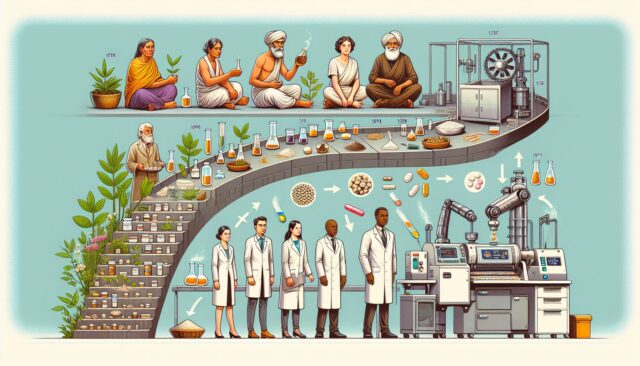
Medicine has come a long way over the years. From ancient herbal remedies to cutting-edge biotechnology, the pharmaceutical industry has been at the forefront of medical progress. This article aims to highlight the importance of the pharmaceutical industry in driving innovation and revolutionizing healthcare.

The Importance of Research and Development

The cornerstone of the pharmaceutical industry is research and development (R&D). Pharmaceutical companies invest heavily in R&D to understand diseases at a molecular level, identify potential drug targets, and develop safe and effective treatments. These investments can take years, if not decades, to bear fruit, but they form the basis of medical breakthroughs.

Drug Discovery and Clinical Trials

The pharmaceutical industry plays a key role in discovering new drugs. Through rigorous experimentation and testing, potential therapies are identified and evaluated for their safety and efficacy. Once a promising candidate is identified, it undergoes clinical trials to ensure its effectiveness in real-world scenarios.

These clinical trials, involving thousands of volunteer patients, are conducted under strict regulatory guidelines to determine the drug’s efficacy, dosage, and potential side effects. This extensive testing and evaluation process helps ensure patient safety and allows healthcare professionals to have confidence in prescribing the medication.

Regulatory Processes and Patient Safety

Regulatory bodies, such as the Food and Drug Administration (FDA) in the United States, play a vital role in evaluating and approving pharmaceutical products. These agencies meticulously review the research, clinical trial data, and safety profiles of drugs before granting approval. This rigorous evaluation ensures that medicines reaching the market are safe and effective for patients.

Furthermore, the pharmaceutical industry is persistent in monitoring the safety of drugs even after they are approved and made available to the public. Adverse events are carefully monitored and reported, and if necessary, drugs are pulled from the market to protect patient health.

Continued Innovation and Future Prospects

The pharmaceutical industry’s commitment to innovation has led to significant advances in medicine. From groundbreaking therapies targeting previously untreatable diseases to personalized medicines tailored to an individual’s genetic makeup, the industry continues to push boundaries.

In recent years, the development of immunotherapies and gene therapies has revolutionized the treatment landscape, offering new hope to patients with life-threatening conditions. Additionally, increased collaborations between pharmaceutical companies and academic institutions have accelerated the pace of discovery by combining industry expertise with academic research capabilities.

Conclusion

The pharmaceutical industry’s unwavering commitment to research and development, drug discovery, clinical trials, and patient safety showcases its critical role in advancing medicine. Through persistent efforts and substantial investments, the industry has revolutionized healthcare and improved the quality of life for countless individuals worldwide.

As we continue to navigate the intricate landscape of diseases and medical challenges, the pharmaceutical industry stands as a beacon of hope, driving innovation that leads to breakthrough therapies and improved patient outcomes. By appreciating the industry’s contributions, we acknowledge the tireless dedication of scientists, researchers, and healthcare professionals working behind the scenes to shape a brighter and healthier future for us all.

The Pharmaceutical Industry and Medicine: A Life-Saving Connection

The pharmaceutical industry plays a vital role in the development and distribution of medicine, making it one of the most important sectors in the world. In today’s blog post, we will explore the significance of the pharmaceutical industry and its impact on our lives.

Introduction to the Pharmaceutical Industry

The pharmaceutical industry is responsible for the research, development, production, and distribution of various drugs and medications. This vast industry comprises companies that work tirelessly to discover new treatments, enhance existing medications, and ensure public health safety.

The Importance of Medicine

Medicine is a cornerstone of modern healthcare, enabling doctors to treat and manage a wide range of diseases and conditions. From vaccines that prevent deadly infections to medications that alleviate chronic pain, medicine saves countless lives on a daily basis. It offers hope to patients, improves their quality of life, and provides the opportunity for recovery.

Research and Development

The pharmaceutical industry invests heavily in research and development (R&D) to discover innovative drugs and treatments. This process encompasses laboratory testing, clinical trials, and regulatory approval before a medication can be brought to market. The R&D phase can span several years and requires substantial financial investments. However, it’s this very research that paves the way for groundbreaking discoveries that have the potential to transform healthcare.

Drug Approval Process

To ensure the safety and effectiveness of medications, regulatory bodies, such as the Food and Drug Administration (FDA) in the United States, carefully evaluate drugs before granting approval. This rigorous process involves reviewing scientific data from the pharmaceutical companies, assessing the results of clinical trials, and analyzing potential risks and benefits. Only after meeting these stringent criteria can a drug be distributed to the public.

Accessibility and Affordability

While medicines have the power to save lives, there is an ongoing debate regarding their accessibility and affordability. The cost of research and development, coupled with the need for profit, often leads to high prices for new medications. However, efforts are being made to ensure equitable access to essential drugs. Generic versions of medications, for example, have provided more affordable alternatives for patients.

Pandemics and Vaccines

During pandemics, such as the recent COVID-19 crisis, the pharmaceutical industry plays a critical role in developing vaccines that can safeguard populations. Scientists and pharmaceutical companies worldwide collaborate to accelerate research and expedite the vaccine approval process. The tireless efforts and dedication of scientists and healthcare professionals have resulted in life-saving vaccines being developed in record time.

Conclusion

The pharmaceutical industry is an integral part of society, providing essential drugs and medications that save lives, improve health outcomes, and enhance the well-being of individuals globally. Through cutting-edge research, development, and stringent regulatory protocols, this industry continues to make remarkable contributions to healthcare advancements, ensuring a brighter and healthier future for all.

The Pharmaceutical Industry and Medicine: Advancements and Challenges

The pharmaceutical industry plays a crucial role in our society, providing medications that treat and prevent a wide range of diseases. It is a fast-paced and ever-evolving field, with continuous advancements in research and development. However, it also faces several challenges that impact its ability to improve global healthcare. In this article, we will explore both the advancements and challenges of the pharmaceutical industry and its impact on medicine.

Advancements in the Pharmaceutical Industry

Over the years, the pharmaceutical industry has made remarkable advancements, revolutionizing healthcare and saving countless lives. Through extensive research and rigorous clinical trials, new drugs are constantly being developed and approved for various medical conditions. These advancements have significantly improved treatment options and outcomes for patients worldwide.

One of the most notable developments in recent years is the rise of targeted therapies and personalized medicine. These treatments leverage an individual’s genetic makeup to tailor treatments specifically to their needs, maximizing effectiveness and minimizing side effects. This approach has proven particularly successful in the treatment of cancer and has paved the way for precision medicine.

Furthermore, the industry has also made significant progress in the development of vaccines. Vaccines play a vital role in preventing infectious diseases, and recent breakthroughs, such as the rapid development of COVID-19 vaccines, have showcased the industry’s capabilities. These advancements have the potential to transform our ability to prevent and eradicate diseases on a global scale.

Challenges Faced by the Pharmaceutical Industry

Despite its numerous achievements, the pharmaceutical industry faces various challenges that hinder its ability to deliver optimal healthcare to all. One of the primary concerns is the rising cost of medications. Developing a new drug is a lengthy and costly process, and these expenses are often reflected in the final price of the medication. This pricing issue has raised concerns about accessibility and affordability, particularly for life-saving medications.

Another challenge lies in the regulatory process. Strict regulations and lengthy approval procedures delay the availability of new therapies, prolonging the time patients have to wait before accessing potentially life-saving treatments. The balance between ensuring safety and efficacy while expediting the development and approval process is a pressing issue that pharmaceutical companies and regulatory agencies worldwide strive to address.

Furthermore, intellectual property rights and patent protection present both opportunities and challenges for the industry. While patents incentivize innovation and research, they also limit access to affordable generic alternatives, primarily in low-income countries. Striking a balance between promoting innovation and ensuring affordable access to medications remains a contentious issue.

Conclusion

The pharmaceutical industry continues to drive significant advancements in medicine, providing hope for countless patients worldwide. Through targeted therapies, personalized medicine, and vaccine development, the industry has revolutionized the way we prevent, treat, and manage diseases. However, challenges such as rising medication costs, regulatory hurdles, and intellectual property rights pose obstacles to achieving optimal healthcare access for all.

Addressing these challenges requires collaboration between stakeholders, including pharmaceutical companies, regulatory agencies, healthcare providers, and policymakers. By working together, it is possible to strike a balance that promotes innovation, ensures drug affordability, and accelerates the availability of life-saving medications. With continued advancements and a commitment to addressing the industry’s challenges, the pharmaceutical industry can continue to make a profound impact on global health.

The Pharmaceutical Industry and the Quest for Better Medicine

As the global population continues to grow and age, the demand for effective medical treatments is on the rise. In parallel, the pharmaceutical industry has stepped up its efforts to develop new drugs and therapies to address various health conditions. In this blog post, we will explore the intricacies of the pharmaceutical industry and its role in advancing medicine.

The Role of the Pharmaceutical Industry

The pharmaceutical industry plays a crucial role in the development, production, and distribution of medications. It encompasses various activities, such as drug research and development, clinical trials, manufacturing, marketing, and sales. Pharmaceutical companies invest significant resources and expertise in each stage to bring safe and effective drugs to market.

Drug Research and Development

The initial stage of the pharmaceutical process involves extensive research and development. Scientists tirelessly investigate potential drug compounds and their effects on specific diseases or conditions. These studies are conducted in laboratories and are highly regulated to ensure safety and efficacy. Once a promising compound is identified, it moves on to the next stage, clinical trials.

Clinical Trials

Clinical trials are rigorous studies conducted on human volunteers to evaluate the safety and effectiveness of new drugs or treatments. They are divided into several phases and are tightly regulated to protect participants and generate reliable data. Pharmaceutical companies collaborate with hospitals, research institutions, and healthcare professionals to conduct these trials. The results obtained from clinical trials determine whether a drug can progress further in the approval process.

Manufacturing, Marketing, and Sales

After successfully completing clinical trials, pharmaceutical companies focus on large-scale drug production. Manufacturing facilities must adhere to strict quality control measures to ensure standardized production processes and high-quality medications. Once manufactured, drugs are marketed to healthcare professionals and consumers via various channels. The marketing and sales departments of pharmaceutical companies play a major role in educating healthcare providers and patients about the benefits and potential risks of new medications.

Regulations and Challenges

The pharmaceutical industry operates in a highly regulated environment. Governments worldwide have established regulatory bodies to oversee drug approvals, ensure compliance with safety standards, and protect public health. These regulations aim to strike a delicate balance between promoting innovation and guaranteeing patient safety. Additionally, the industry faces several challenges, including rising research and development costs, patent expirations, generic competition, and increasing scrutiny regarding drug pricing.

Conclusion

The pharmaceutical industry stands at the forefront of medical advancements, constantly striving to improve healthcare outcomes for patients worldwide. Through rigorous research, clinical trials, and manufacturing processes, pharmaceutical companies develop and distribute innovative medications that save and enhance lives. As the industry progresses, it is essential to maintain a strong focus on patient safety, accessibility, and affordability to make quality healthcare accessible to all.

In conclusion, the pharmaceutical industry’s pivotal role in medicine cannot be overstated. Thanks to the tireless efforts of researchers, clinicians, and manufacturers, groundbreaking treatments and life-saving drugs continue to emerge. By addressing the challenges it faces and fostering innovation, the pharmaceutical industry will undoubtedly play a crucial role in shaping the future of medicine.

The Pharmaceutical Industry: A Lifeline for Modern Medicine

The pharmaceutical industry plays a pivotal role in revolutionizing the field of medicine. It has become the cornerstone of global healthcare, providing innovative solutions to countless diseases and improving millions of lives worldwide. Through extensive research and development, rigorous testing, and efficient manufacturing, the pharmaceutical sector continues to shape the future of healthcare.

The Introduction of Revolutionary Medicines

Revolutionary medicines have undoubtedly transformed the course of human history. From the discovery of antibiotics to the development of vaccines, the pharmaceutical industry has fueled medical breakthroughs that have eradicated diseases and saved countless lives. These advancements have not only revolutionized treatment options but also extended life expectancy and improved overall well-being.

Research and Development: The Backbone of Pharmaceutical Advancements

One cannot overstate the significance of research and development (R&D) in the pharmaceutical industry. Companies invest billions of dollars annually in groundbreaking research, aiming to discover new molecules, unlock potential therapies, and enhance existing drugs. The R&D process involves extensive clinical trials to ensure efficacy, safety, and regulatory compliance. This rigorous process guarantees that products reaching the market are tested, reliable, and effective.

Collaboration and Innovation

Collaboration between pharmaceutical companies, academic institutions, and governmental bodies is crucial for driving innovation. Sharing knowledge, resources, and expertise leads to the development of more transformative therapies and treatments. Public-private partnerships facilitate the creation of groundbreaking drugs that can target specific diseases, promising new hope for patients who have previously had limited options.

Access to Affordable Medications

While the pharmaceutical industry has undoubtedly revolutionized medicine, equitable access to affordable medications remains a significant challenge. High development costs, complex regulatory processes, and patent protection introduce hurdles to making medications accessible for all. However, efforts are continuously being made to address these issues. Governments, nonprofit organizations, and pharmaceutical companies themselves are working together to ensure affordable access to life-saving drugs across the globe.

Manufacturing and Supply Chain Efficiency

Pharmaceutical manufacturing requires adherence to stringent quality control standards to ensure drug safety and efficacy. Robust supply chain management and efficient production processes are vital to meet the increasing demand for medications. Continuous improvement in manufacturing practices and the adoption of innovative technologies have led to enhanced productivity, reduced costs, and the ability to address global health crises effectively.

The Future of the Pharmaceutical Industry

The pharmaceutical industry is poised to witness even greater advancements in the coming years. The integration of artificial intelligence and machine learning in drug discovery, innovation in biological therapies, and the development of personalized medicine hold immense potential for transforming healthcare. Collaborative efforts, regulatory reforms, and a focus on patient-centric approaches will drive the industry forward, ensuring the well-being of future generations.

Conclusion: Shaping Healthcare for a Better Future

In summary, the pharmaceutical industry serves as the lifeline for modern medicine. Its contributions, including revolutionary medicines, vast R&D efforts, collaboration and innovation, and improved manufacturing efficiency, have revolutionized healthcare worldwide. Although challenges persist, continuous efforts to address accessibility and affordability are paving the way for a brighter future. Together, healthcare stakeholders and the pharmaceutical industry can work towards creating a healthier and more inclusive world.