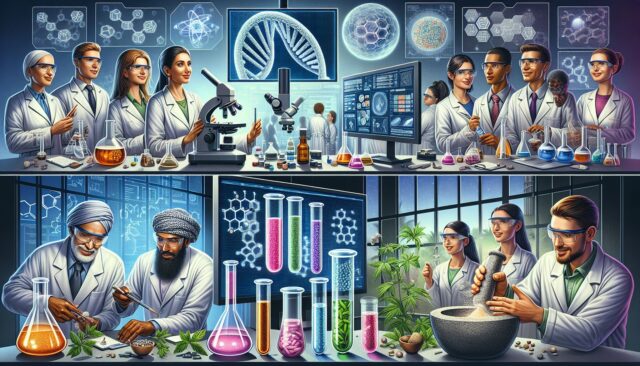
The pharmaceutical industry has played a pivotal role in revolutionizing the field of medicine. Through decades of research and numerous breakthroughs, this industry has made remarkable strides in improving healthcare and enhancing the quality of life for millions of people worldwide. In this article, we will explore the impact of the pharmaceutical industry on medicine and the advancements it has brought forth.
The Power of Research and Development
At the heart of the pharmaceutical industry lies an unwavering commitment to research and development (R&D). This commitment is the driving force behind the development of innovative treatments, vaccines, and medical devices. Pharmaceutical companies invest billions of dollars each year in R&D, enabling them to explore new frontiers and push the boundaries of medical science. Through extensive research, these companies identify and isolate active compounds with therapeutic potential, which are then transformed into life-saving medications.
Saving Lives and Alleviating Suffering
The pharmaceutical industry has played a significant role in saving lives and alleviating suffering. Medications developed by the industry have helped in eradicating lethal diseases, such as polio and smallpox. Besides infectious diseases, chronic conditions like diabetes, high blood pressure, and multiple sclerosis now have effective treatments, thanks to pharmaceutical advancements. Moreover, the development of targeted therapies has revolutionized cancer treatment by increasing survival rates and improving patients’ quality of life.
The Role of Regulation
To ensure safety and efficacy, regulatory bodies closely monitor the pharmaceutical industry. Rigorous testing and strict adherence to guidelines are mandatory before a medication can be approved for distribution. This regulatory process ensures that medications reach the market only after extensive clinical trials and thorough evaluations. It protects consumers from harmful or ineffective products, fostering trust in the pharmaceutical industry. The balance between expedited access to medications and rigorous regulation is crucial in maintaining public health and safety.
Challenges Faced by the Industry
Despite its immense contributions, the pharmaceutical industry faces numerous challenges. One of the biggest hurdles is the cost of research, development, and clinical trials. It takes an average of 10-15 years and billions of dollars to develop and bring a new drug to market. Additionally, intellectual property rights and patent protection play crucial roles in incentivizing innovation and driving further advancements. However, they can also limit accessibility and affordability, particularly in underprivileged regions. Striking a balance between profits and humanitarian concerns is a contentious issue.
The Future of Medicine
The pharmaceutical industry continues to push boundaries and explore new horizons in medicine. Advancements in genetic engineering, nanotechnology, and artificial intelligence hold immense promise for personalized medicine, precise drug targeting, and innovative therapies. With the rise of digital health technologies, telemedicine, and remote patient monitoring, the industry is adapting to the changing healthcare landscape. The future of medicine will likely see a convergence of various disciplines, fueled by the pharmaceutical industry’s relentless pursuit of scientific progress.
In Conclusion
The pharmaceutical industry has been instrumental in transforming the world of medicine. Through extensive research and cutting-edge innovations, it has provided life-saving treatments and improved the health outcomes of countless individuals. While the industry faces its fair share of challenges, its contributions cannot be undermined. By striking a delicate balance between innovation, accessibility, and regulatory oversight, the pharmaceutical industry will continue to shape the future of medicine, bringing hope and healing to millions in need.