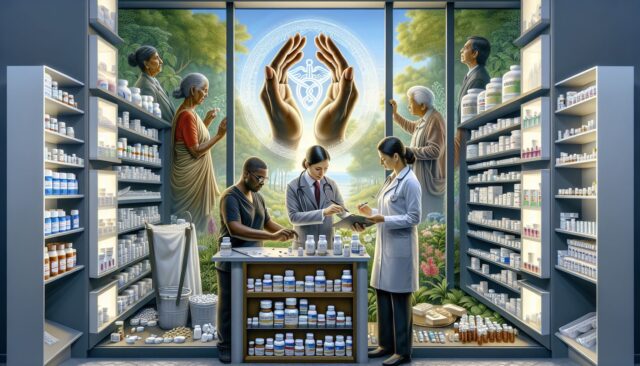
The Impact of the Pharmaceutical Industry on Medicine

The pharmaceutical industry plays a significant role in shaping the field of medicine. Through the development and production of drugs, this industry has the power to improve global health and save countless lives. However, it also faces its fair share of challenges and controversies. In this article, we will explore the various aspects of the pharmaceutical industry and its impact on medicine.

Introduction

The pharmaceutical industry encompasses the research, development, production, and commercialization of medications. Its primary objective is to discover effective drugs and therapies that can treat, prevent or cure diseases. This industry invests heavily in research and development, aiming to provide innovative solutions to address the world’s healthcare needs.

The Importance of the Pharmaceutical Industry

Medicine relies on the pharmaceutical industry to develop safe and effective medications. Throughout history, pharmaceutical advancements have revolutionized healthcare. From the discovery of antibiotics to the development of life-saving vaccines, this industry has had an immense impact on global well-being. Continuous innovation helps combat diseases, improve the quality of life for patients, and extend life expectancy.

Challenges Faced by the Pharmaceutical Industry

Despite its achievements, the pharmaceutical industry faces various challenges. One major concern is the cost of medication. Developing a new drug involves extensive research, clinical trials, and regulatory processes, which come with significant expenses. These costs often lead to high prices for medications, preventing access for many patients, particularly in developing countries. Balancing affordability and profitability remains a complex issue.

Another challenge is the ethical implications of pharmaceutical research. Some argue that the industry is profit-driven, potentially compromising the well-being of patients. Issues such as conflicts of interest, biased reporting of clinical trials, and prioritizing lucrative markets over global health needs have sparked controversy. Striking a balance between business interests and public health is crucial for maintaining trust within the medical community.

Regulation and Safety

To ensure the safety and efficacy of medications, stringent regulations and clinical trials are in place. Before a drug is approved for market release, it must undergo rigorous testing to validate its effectiveness, monitor potential side effects, and assess long-term risks. These regulations protect patients from unsafe or inefficient treatments. However, the regulatory process can be time-consuming and costly, discouraging smaller companies from entering the market and potentially limiting overall innovation.

Conclusion

The pharmaceutical industry is indispensable in driving advancements in the field of medicine. By developing breakthrough drugs and therapies, this industry has significantly improved global health outcomes. However, challenges such as high drug prices and ethical concerns persist. Striking a balance among profitability, accessibility, and patient well-being is essential for the industry to continue benefiting society. Additionally, regulatory processes must prioritize safety without stifling innovation. As the industry continues to evolve, collaboration and ethical decision-making will pave the way for a brighter, healthier future.
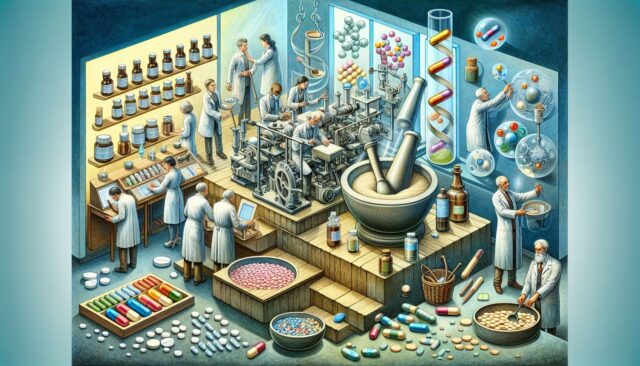
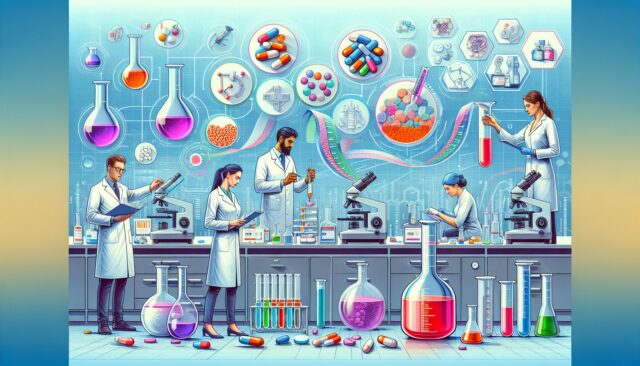
The Pharmaceutical Industry: Revolutionizing Medicine

The pharmaceutical industry is a vital component of modern healthcare systems. With continuous advancements and breakthroughs in medical science and technology, pharmaceutical companies play a crucial role in developing and manufacturing medications that improve and save countless lives. This blog post explores the significance of the pharmaceutical industry in revolutionizing medicine.

Introduction: Paving the Path for Medical Advancements

For centuries, medicine has been a fundamental aspect of human life, aiming to alleviate suffering and promote well-being. The pharmaceutical industry, backed by extensive research and development, has transformed the treatment landscape by introducing a wide range of innovative medications and therapies. These advancements have not only improved patients’ quality of life but also led to the eradication of numerous diseases.

The Role of Pharmaceutical Companies

Pharmaceutical companies invest heavily in research and development to discover new drugs and treatments. This process is complex, time-consuming, and requires substantial funding, as experimental compounds undergo rigorous laboratory testing, preclinical trials, and multiple phases of clinical trials to ensure their safety and efficacy. The years of meticulous work involved are vital to obtaining approvals from regulatory authorities, such as the Food and Drug Administration (FDA), before medications can be distributed to the public.

Life-Changing Medications

The pharmaceutical industry has introduced numerous groundbreaking medications that have transformed medical practices. From antibiotics that combat bacterial infections to vaccinations that prevent deadly diseases, pharmaceutical advancements have saved millions of lives worldwide. Chronic conditions, such as diabetes, cardiovascular diseases, and asthma, can now be effectively managed through medications specifically designed to target the underlying causes of these illnesses. Furthermore, innovative therapies have revolutionized the treatment of cancer, offering previously unimaginable hope to patients facing this formidable disease.

Evolving Disease Management

Not only has the pharmaceutical industry revolutionized the treatment of diseases, but it has also contributed significantly to disease prevention and early detection. Vaccinations are a prime example of this, helping to eradicate or control diseases such as polio, measles, and hepatitis. Moreover, pharmaceutical companies have developed diagnostic tests that can detect diseases at an early stage, enabling timely intervention and improved patient outcomes.

Challenges Faced by the Pharmaceutical Industry

While the pharmaceutical industry is vital for medical advancements, it faces various challenges. Developing new medications is a costly process, requiring significant investment and substantial financial risks. Additionally, regulatory requirements and patent laws can create barriers and delays in bringing new drugs to market. Balancing profit margins with ethical considerations can be a contentious issue, as patient access to life-saving medications must be ensured, especially in underserved populations.

Conclusion: A Catalyst for Medical Progress

The pharmaceutical industry is at the forefront of medical progress, working tirelessly to discover, develop, and produce medications that improve lives. The life-changing and life-saving drugs created by pharmaceutical companies have transformed the way diseases are managed, providing hope and relief for countless individuals worldwide. By addressing challenges and embracing innovation, the pharmaceutical industry will continue to be a vital force in shaping the future of medicine and advancing global health.

References: (Insert references here)

The Pharmaceutical Industry: Revolutionizing Medicine

The pharmaceutical industry has played a pivotal role in revolutionizing healthcare and has undoubtedly transformed the world of medicine. With advancements in technology, research, and innovation, pharmaceutical companies have succeeded in developing life-saving medications that have significantly improved the quality of life for millions around the globe. Let’s explore how this industry has altered the landscape of medicine as we know it.

The Importance of Research and Development

The backbone of the pharmaceutical industry lies in its commitment to extensive research and development. Pharmaceutical companies invest heavily in exploring new therapies, conducting clinical trials, and bringing potential medications to market. These research endeavors aim to identify novel treatments, diagnose diseases more accurately, and enhance the overall understanding of various medical conditions. By harnessing the power of science, the pharmaceutical industry pioneers groundbreaking discoveries that improve health outcomes for patients worldwide.

Bringing Medications to Market

Once a potentially life-changing medication is thoroughly tested and proven to be safe and effective, the pharmaceutical industry plays a crucial role in bringing these drugs to market. This involves navigating complex regulatory processes, acquiring necessary approvals, and meeting stringent quality standards. Pharmaceutical companies work closely with regulatory agencies to ensure that their medications meet all required safety guidelines. This collaboration ensures that patients receive reliable and effective treatments while maintaining high standards of quality control.

Improving Patient Care and Outcomes

Thanks to the pharmaceutical industry, patients now have access to a diverse range of medications designed to treat a wide variety of diseases and conditions. Whether it’s antibiotics to combat infections, vaccines to prevent illnesses, or therapies for chronic diseases such as cancer or diabetes, pharmaceutical companies have developed innovative solutions that have transformed patient care. These medications have not only improved disease management but have also extended the average lifespan and enhanced patients’ overall quality of life.

Challenges and Ethical Considerations

Despite the significant contributions of the pharmaceutical industry, it is not without its challenges and ethical considerations. One major challenge is accessibility and affordability. While the development of new medications requires substantial investments, the cost of these drugs can sometimes be prohibitive for patients, limiting their accessibility. Balancing the need for affordable healthcare with the financial sustainability of pharmaceutical companies remains an ongoing debate.

Ethical considerations also come into play during the research and development process. Pharmaceutical companies must prioritize patient safety and consider the potential risks and benefits of each medication. Striking a balance between expediting drug development and ensuring adequate testing and monitoring is essential to maintain public trust and confidence in the industry.

The Future of Medicine

As technology continues to advance, it opens up exciting possibilities for the future of medicine. The pharmaceutical industry is at the forefront of exploring emerging fields such as personalized medicine, gene therapies, and nanotechnology. These cutting-edge approaches have the potential to further enhance treatment outcomes and provide even more targeted and individualized care. By continually pushing the boundaries of science and innovation, the pharmaceutical industry is shaping the future of healthcare in unimaginable ways.

In conclusion, the pharmaceutical industry has transformed healthcare by developing life-saving medications, improving patient care, and pushing the boundaries of medicine. Through extensive research and development, pharmaceutical companies have revolutionized how diseases are diagnosed, treated, and managed. While challenges and ethical considerations persist, the industry’s dedication to advancements and accessibility ensures that the future of medicine continues to hold remarkable promise.

The Pharmaceutical Industry and Medicine

The pharmaceutical industry plays a crucial role in developing and providing medicine that improves the health and well-being of millions of individuals around the world. From discovering and researching new drugs to manufacturing and distributing them, pharmaceutical companies contribute to the advancement of medical science and the treatment of various illnesses.

The Introduction

Medicine has come a long way, and it owes much of its progress to the pharmaceutical industry. This industry is responsible for ensuring that drugs are safe, effective, and readily available to those in need. Pharmaceutical companies invest heavily in research and development (R&D) to discover new treatments and therapies. They work closely with regulatory bodies to make sure that medications are approved, and they invest in manufacturing capabilities to meet global demand.

The Body

One of the essential aspects of the pharmaceutical industry is its dedication to R&D. Developing new medicines is a complex and costly process, involving numerous stages such as discovery, pre-clinical testing, clinical trials, and approval from regulatory authorities. These stages can span over several years and require significant financial investments. However, the potential benefits of finding innovative therapies drive these companies to continue their research efforts.

Once a drug is discovered and successfully tested, pharmaceutical companies coordinate with regulatory bodies to ensure its safety and effectiveness. The regulatory approval process strives to strike a balance between making medicines available in a timely manner and guaranteeing that they meet the required quality and safety standards. This collaboration is vital in safeguarding the public and ensuring that only beneficial medications reach the market.

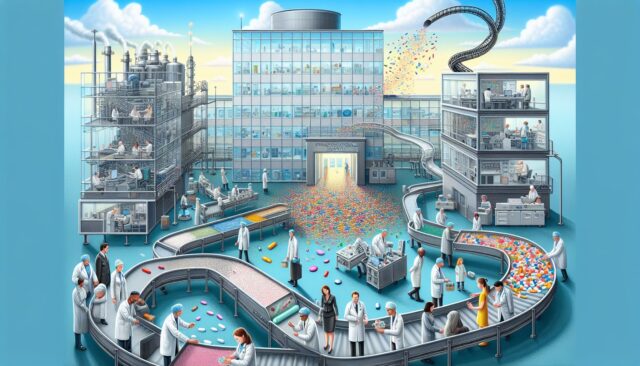
Pharmaceutical companies also bear the responsibility of manufacturing drugs efficiently and at scale. Establishing robust production facilities allows medications to be manufactured in large quantities and distributed worldwide. These companies must adhere to strict quality control measures to guarantee that each medication meets the designated standards. Manufacturing encompasses not only the production process but also the packaging and shipping of drugs to pharmacies and hospitals.

The accessibility and availability of medicine have improved significantly due to the global pharmaceutical industry. It ensures that drugs are manufactured and distributed efficiently, allowing patients to receive the treatments they need promptly. Moreover, pharmaceutical companies engage in partnerships with healthcare organizations, NGOs, and governments to increase access to essential medications, especially in low-income countries. These collaborations help bridge the gap between medicine and those living in regions with limited resources.

The Conclusion

The pharmaceutical industry plays a vital role in developing and providing medicine to enhance global health outcomes. Through extensive research and development efforts, pharmaceutical companies discover innovative therapies and bring them to market after thorough regulatory approval. Additionally, efficient manufacturing and distribution processes ensure that medications reach patients in a timely manner. Collaborations with various organizations further enhance accessibility and availability. Thanks to the dedication of the pharmaceutical industry, medical advancements continue, offering hope for improved treatments and a healthier future.

The Role of the Pharmaceutical Industry in Advancing Medicine

The pharmaceutical industry plays a critical role in the development and distribution of medicines that improve the health and well-being of individuals around the world. Through extensive research, testing, and regulatory compliance, pharmaceutical companies bring innovative treatments to patients, contributing to advancements in medical science. In this article, we will explore the significance and impact of the pharmaceutical industry on the field of medicine.

The Introduction of Medicines

Pharmaceutical companies are at the forefront of developing breakthrough therapies that target different diseases and conditions. Through substantial investments in research and development (R&D), these companies strive to discover new molecules, identify potential drug candidates, and conduct clinical trials to ensure efficacy and safety. These efforts contribute to the availability of a wide range of treatments that improve patient outcomes and quality of life.

The Regulatory Landscape

The pharmaceutical industry operates within a robust regulatory framework that ensures patient safety, efficacy, and quality of medicines. Regulatory bodies, such as the Food and Drug Administration (FDA) in the United States, thoroughly review drug applications to assess their risks versus benefits. This rigorous process guarantees that only safe and effective medicines are approved, protecting patients from potential harm.

Collaborations and Partnerships

Pharmaceutical companies often collaborate with academic institutions, research organizations, and government agencies to foster scientific advancements. These collaborations allow for the exchange of knowledge, resources, and expertise, and accelerate the progress in research and development. By working together, stakeholders in the pharmaceutical industry can better understand diseases, explore new treatment avenues, and ultimately enhance global healthcare.

Access to Medicines

While the development of innovative medicines is crucial, ensuring their accessibility is equally important. Pharmaceutical companies, in collaboration with healthcare providers and regulatory bodies, strive to make essential medicines available to patients across the world. Through initiatives like patient assistance programs and partnerships with non-profit organizations, the industry works towards equitable access, especially for individuals in less economically developed regions, where healthcare resources may be scarce.

Adapting to New Challenges

The pharmaceutical industry faces numerous challenges, including rising R&D costs, patent expirations, and increasing regulatory requirements. However, companies continue to invest in new technologies, such as artificial intelligence and precision medicine, to address these challenges effectively. By utilizing these innovative tools, the industry can improve drug discovery, enhance the efficiency of clinical trials, and personalize treatments based on individual patient profiles.

Conclusion

The pharmaceutical industry and the development of medicines go hand in hand in advancing medical science and patient care. Through extensive research, collaborations, and regulatory compliance, pharmaceutical companies bring life-saving treatments to those in need. However, the industry must continue to adapt to new challenges in order to meet evolving healthcare demands. With ongoing advancements, we can expect the pharmaceutical industry to play an even more significant role in improving the health and well-being of individuals worldwide.

The Role of the Pharmaceutical Industry in Revolutionizing Medicine

Photo by Online Marketing on Unsplash

The pharmaceutical industry plays a crucial role in the production and development of medicine worldwide. With a focus on research, development, and manufacturing of drugs, this industry has significantly impacted the medical landscape, providing innovative solutions for millions of people across the globe. In this article, we will explore the profound impact of the pharmaceutical industry on medicine and its continuous efforts to improve healthcare outcomes for all.

The Introduction of New Medications

The pharmaceutical industry is at the forefront of creating new medicines that revolutionize patient care. Through extensive research and clinical trials, pharmaceutical companies develop drugs that treat various diseases and conditions. These innovations have transformed the treatment options available to healthcare professionals and improved patient outcomes.

Research and development conducted by pharmaceutical companies are key drivers of medical breakthroughs. They invest substantial time, resources, and expertise to identify potential therapeutic targets and develop effective medications. By honing their scientific knowledge, they address unmet medical needs and provide solutions that were previously unimaginable.

Improving Access to Healthcare

The pharmaceutical industry also plays a crucial role in improving access to healthcare. Through their production and distribution networks, pharmaceutical companies make medicines available to people in need, regardless of their geographical location or socioeconomic status. This ensures that life-saving drugs are accessible even in remote areas.

Additionally, pharmaceutical companies collaborate with governments, nonprofit organizations, and healthcare providers to implement programs that promote equitable healthcare. They actively engage in philanthropic initiatives, providing medication and financial support to underserved populations around the world. These efforts aim to bridge the healthcare gap and provide equal access to treatment for all.

Enhancing Quality of Life

Another significant contribution of the pharmaceutical industry is enhancing the quality of life for patients living with chronic diseases or debilitating conditions. Medications developed by pharmaceutical companies help manage symptoms, slow disease progression, and improve overall well-being.

Ongoing research and development efforts focus on finding innovative treatments for diseases that have limited therapeutic options. An example of this is the development of targeted therapies for genetic disorders or personalized medicine approaches that tailor treatment to individual patients. These advancements provide hope for patients by offering more effective and tailored treatment options.

Ensuring Safety and Efficacy

Patient safety and drug efficacy are of paramount importance in the pharmaceutical industry. Before drugs reach the market, they undergo rigorous testing and regulatory processes to ensure their safety and efficacy profiles. These assessments involve clinical trials conducted on thousands of patients to evaluate the drug’s performance, side effects, and interactions.

Regulatory bodies, such as the FDA in the United States and the EMA in Europe, set and enforce stringent standards that must be met before a drug can be approved for public use. These measures are in place to protect patients and guarantee that medications meet the highest safety and quality standards.

Conclusion

The pharmaceutical industry tirelessly works to develop new medicines, improve healthcare accessibility, and advance patient care. From introducing breakthrough therapies to enhancing the quality of life for patients, their contributions are immeasurable. Through their commitment to research, safety, and efficacy, the pharmaceutical industry continues to shape the future of medicine, offering hope and better health outcomes for individuals around the world.

The Role of the Pharmaceutical Industry in Advancing Medicine

The pharmaceutical industry plays a crucial role in advancing medicine and improving the quality of healthcare worldwide. Through extensive research, development, and production of drugs and therapies, pharmaceutical companies contribute to the overall well-being and longevity of individuals. Let’s explore the importance of this industry in further detail.

Introduction

Medicine has come a long way over the years, and the pharmaceutical industry has been at the forefront of these advancements. From discovering new treatments for diseases to ensuring the safety and efficacy of drugs, pharmaceutical companies have revolutionized healthcare. This article will delve into the significant contributions of the pharmaceutical industry in the field of medicine.

Body

1. Drug Research and Development

The pharmaceutical industry invests billions in research and development to find new drugs and therapies. This process involves identifying potential targets, conducting preclinical trials, and performing various phases of clinical trials to ensure safety and efficacy. Pharmaceutical companies collaborate with academic institutions, government agencies, and healthcare providers to accelerate research and development, allowing for faster introduction of new treatments.

2. Innovation and Technology

Advancements in technology have fueled innovation in the pharmaceutical industry. With the development of new chemical compounds, genetic engineering, and biotechnology, pharmaceutical companies can uncover innovative therapeutic approaches. Cutting-edge technologies like artificial intelligence, high-throughput screening, and nanotechnology enable researchers to identify potential drugs more efficiently and streamline the drug discovery process.

3. Patient Care and Safety

Pharmaceutical companies prioritize patient care and safety throughout the drug development and manufacturing processes. Rigorous testing and extensive clinical trials help identify potential side effects and ensure patient well-being. Additionally, through pharmacovigilance, adverse events associated with medication usage can be monitored and managed effectively. This commitment to safety helps build trust in the healthcare system and ensures that patients have access to reliable and effective treatments.

4. Accessibility and Affordability

The pharmaceutical industry aims to make medicines more accessible and affordable for people globally. Through partnerships with governments, healthcare organizations, and non-profit bodies, pharmaceutical companies work to provide essential medicines at reduced costs. Additionally, they invest in generic drug manufacturing, allowing for more affordable alternatives to branded medications.

5. Disease Eradication and Management

Pharmaceutical companies have played a pivotal role in eradicating and managing various diseases. Vaccines have been instrumental in eradicating diseases like smallpox and significantly reducing the prevalence of polio and measles. Furthermore, through the development of antiretroviral therapies, diseases like HIV/AIDS can now be managed effectively, improving the quality of life for millions of people.

Conclusion

The pharmaceutical industry remains an integral part of advancing medicine and healthcare globally. Through extensive research and development, innovation in technology, and a commitment to patient care and safety, pharmaceutical companies continue to revolutionize medical treatments. By increasing accessibility and affordability of medications and contributing to disease eradication and management, the pharmaceutical industry has undoubtedly had a profoundly positive impact on human health and well-being.

The Evolution of the Pharmaceutical Industry: Advancements in Medicine

The pharmaceutical industry plays a crucial role in developing and providing medicines to improve our health and well-being. Over time, this industry has witnessed remarkable growth and achievements. From discovering life-saving drugs to revolutionizing medical treatments, the pharmaceutical industry has made significant contributions to the field of medicine. This article delves into the evolution and advancements of the pharmaceutical industry, highlighting its impact on global healthcare.

Evolution and Growth

The pharmaceutical industry has come a long way since its inception. With advancements in technology and scientific research, this industry has grown exponentially, leading to improved medical treatments and better patient outcomes. Pharmaceutical companies invest heavily in research and development (R&D), aiming to discover new drugs and therapies to combat various diseases and health conditions.

The development of medicines goes through several stages before reaching the patients. It begins with the discovery, identification, and synthesis of new compounds or molecules in laboratories. Once a potential drug is identified, it undergoes preclinical and clinical trials to evaluate its safety and efficacy. These rigorous trials determine whether the drug meets the required standards to ensure its effectiveness and minimize potential side effects.

Advancements in Medicine

Driven by scientific breakthroughs and technological advancements, the pharmaceutical industry has introduced transformative medicines that have revolutionized medical treatments across various fields. From antibiotics to vaccines, these advancements have significantly impacted global health.

The development of antibiotics was a game-changer in the pharmaceutical industry, saving millions of lives by combating bacterial infections. Penicillin, one of the first antibiotics ever discovered, transformed the treatment of diseases like pneumonia, meningitis, and syphilis. Since then, countless antibiotics have been developed, increasing our ability to fight infectious diseases effectively.

Another significant advancement in medicine has been the development of vaccines. Vaccines have played a crucial role in preventing and eradicating infectious diseases such as polio, smallpox, and measles. Thanks to vaccines, these diseases are now rare or even eliminated in many parts of the world. Vaccination campaigns have proven to be highly effective in maintaining public health and preventing outbreaks.

The pharmaceutical industry has also made tremendous progress in the treatment of chronic diseases. From diabetes to cancer, innovative medications and therapies have improved the quality of life for millions of patients globally. Targeted therapies and personalized medicine have emerged as frontiers in the battle against cancer, offering more precise and effective treatment options.

Conclusion

The pharmaceutical industry continues to evolve, driven by groundbreaking research and innovative technological tools. Its contributions to medical advancements have transformed healthcare, saving countless lives and improving patient outcomes. The development of new drugs and therapies is not only beneficial for specific diseases but also for public health as a whole.

Although the pharmaceutical industry faces challenges, such as the high costs of drug development and ensuring access to medicines, it remains a vital pillar of modern medicine and healthcare. With ongoing research and strong collaborations between pharmaceutical companies, medical professionals, and regulatory bodies, new breakthroughs hold the potential to address some of the most significant health challenges we face today.

As the pharmaceutical industry progresses, we can look forward to witnessing even more remarkable advancements in medicine, paving the way for a healthier future.

The Pharmaceutical Industry: Revolutionizing Medicine

The pharmaceutical industry plays a pivotal role in shaping the world of medicine. With its constant innovations, research, and development, this industry is dedicated to improving the quality of human life. In this blog post, we will delve into the importance of the pharmaceutical industry and its significant contributions to modern medicine.

Introduction: The Pillars of Pharmaceutical Industry

The pharmaceutical industry is comprised of various organizations, including pharmaceutical companies, government regulatory bodies, researchers, pharmacists, and healthcare professionals. These stakeholders work harmoniously to bring new drugs, therapies, and medical devices to the market. Their collective efforts ensure the accessibility and efficacy of medicine, which is paramount in enhancing public health.

Body: The Impact of Pharmaceuticals on Medicine

  1. Continuous Research and Development: The pharmaceutical industry invests heavily in research and development (R&D) activities to discover new drugs and treatment options. This relentless pursuit leads to breakthroughs in medicine, offering novel solutions to previously untreatable diseases. Through rigorous clinical trials, pharmaceutical companies ensure the safety and efficacy of drugs before these reach patients.

  2. Improved Patient Outcomes: Thanks to the pharmaceutical industry, we have witnessed remarkable advancements in patient outcomes across numerous diseases. Through the development of life-saving drugs and therapies, the pharmaceutical industry has effectively eradicated or controlled certain diseases, drastically reducing mortality rates.

  3. Increased Life Expectancy: Medicine has come a long way, and the credit goes to the relentless efforts of the pharmaceutical industry. Diseases that once posed significant threats to human life can now be effectively managed or cured. As a result, life expectancy has increased substantially, allowing individuals to lead longer, healthier lives.

  4. Enhanced Quality of Life: The pharmaceutical industry focuses not only on finding cures but also on improving the quality of life for patients. Through the development of drugs that alleviate symptoms and manage chronic conditions, individuals can have a better quality of life. For instance, pain-relieving medications, anti-depressants, and insulin for diabetes patients have transformed the lives of millions.

  5. Preventive Medicine: Pharmaceutical companies play a vital role in preventive medicine as well. They develop vaccines that protect us from deadly diseases, saving countless lives. Vaccines like polio, measles, and influenza have successfully prevented the spread of these illnesses, reducing their impact on society.

Conclusion: The Ongoing Commitment to Healthcare

The pharmaceutical industry’s contributions to the field of medicine are undeniable. Through continuous research and development, these companies have revolutionized healthcare by introducing life-saving drugs, therapies, and preventive measures. As they strive for innovation in this challenging landscape, the future holds promising breakthroughs that could tackle even the most complex medical conditions. With the pharmaceutical industry leading the way, we can be hopeful for a healthier world ahead.

The Pharmaceutical Industry: Enhancing Lives Through Medicine

The pharmaceutical industry stands as a cornerstone of modern healthcare, playing a vital role in improving and saving lives around the world. With continuous advancements in medical research, pharmaceutical companies are at the forefront of developing innovative medicines to tackle various diseases, both common and rare. This blog post aims to shed light on the significance of the pharmaceutical industry and its undeniable impact on global well-being.

Evolution and Innovation in Medicine

The pharmaceutical industry has come a long way since its inception. Over the years, scientists, researchers, and pharmaceutical companies have collaborated to develop an extensive range of drugs to alleviate pain, treat illnesses, and even eradicate certain diseases. Medicines have revolutionized healthcare practices, providing patients with the hope and support they need to combat various medical conditions.

Pioneering the Paradigm Shift

From antibiotics that have saved countless lives to vaccines that have prevented widespread diseases, pharmaceutical companies lead the way in preventive care and treatment. Through tireless research, testing, and regulatory processes, these companies bring innovative treatments to market, allowing healthcare professionals to address medical issues more effectively. Society benefits from medicines that alleviate suffering, improve quality of life, and extend lifespans.

The Continuous Research Effort

Groundbreaking discoveries occur regularly, ensuring that the pharmaceutical industry thrives on the latest scientific breakthroughs. Pharmaceutical companies invest significant resources in research and development, exploring new treatment options for existing diseases and investigating potential cures for previously untreatable conditions. This relentless pursuit of knowledge leads to medical advancements that positively impact individuals, families, and communities worldwide.

Striking the Balance

While the pharmaceutical industry fuels countless medical breakthroughs, it also faces challenges. Balancing the necessity of return on investment with making life-saving medications accessible to all requires careful navigation. Patents and intellectual property protection are essential to incentivize research and development, but affordability and affordability must also be prioritized. Collaborative efforts between governments, healthcare providers, and pharmaceutical companies are vital to ensure equitable access to essential medicines.

A Catalyst for Global Healthcare

The role of the pharmaceutical industry extends beyond merely producing medicines. Companies actively participate in disease awareness campaigns, support healthcare infrastructure development, and collaborate with various stakeholders to enhance overall healthcare systems. Pharmaceutical companies work in tandem with doctors, nurses, and patients, providing invaluable knowledge, expertise, and support to ensure that medical interventions positively impact every corner of the globe.

Conclusion

In conclusion, the pharmaceutical industry serves as a lynchpin in the world of medicine, propelling advancements with its unwavering commitment to research, innovation, and improving global health outcomes. From discovering new treatments to manufacturing and making them accessible, pharmaceutical companies positively shape the lives of individuals and communities alike. By maintaining the delicate balance between financial viability and patient well-being, the industry remains the driving force behind the remarkable progress we witness in modern healthcare.