The Role of the Pharmaceutical Industry in Healthcare

The pharmaceutical industry plays a crucial role in ensuring the health and well-being of individuals around the world. From creating life-saving medications to developing innovative treatments, pharmaceutical companies have a significant impact on the healthcare landscape.

One of the primary goals of the pharmaceutical industry is to research, develop, and produce medications that can improve and save lives. Through extensive research and clinical trials, pharmaceutical companies are able to create drugs that can treat a variety of illnesses and conditions, from common ailments like allergies and colds to more severe diseases like cancer and diabetes.

In addition to developing new medications, pharmaceutical companies also play a key role in ensuring that these drugs are safe and effective for use. Through rigorous testing and regulatory processes, pharmaceutical companies work to ensure that the medications they produce meet the highest standards of quality and efficacy.

Furthermore, pharmaceutical companies also invest heavily in innovation and advancements in medical technology. By collaborating with healthcare providers, researchers, and other stakeholders, pharmaceutical companies are able to develop new treatments and therapies that can improve patient outcomes and quality of life.

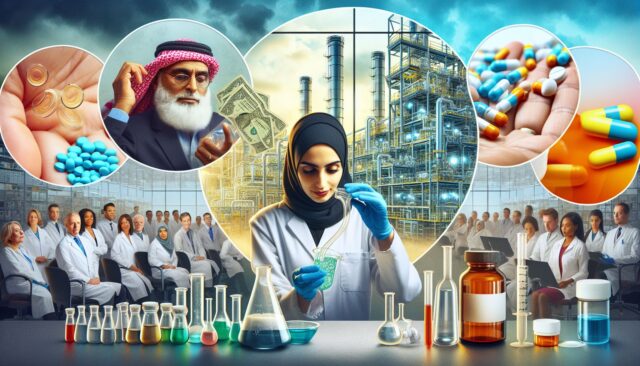
However, the pharmaceutical industry is not without its challenges. One of the biggest issues facing the industry is the rising cost of medications. As the cost of research and development continues to increase, pharmaceutical companies are often forced to pass these expenses on to consumers in the form of higher drug prices. This has led to concerns about access to medication and affordability for those in need.

Despite these challenges, the pharmaceutical industry remains a vital component of the healthcare system. By developing life-saving medications, advancing medical technology, and driving innovation in healthcare, pharmaceutical companies are helping to improve the lives of millions of people.

In conclusion, the pharmaceutical industry plays a critical role in healthcare by developing medications, ensuring their safety and efficacy, and driving innovation in medical technology. While the industry faces challenges such as rising drug prices, its impact on improving patient outcomes and quality of life cannot be understated. Pharmaceutical companies continue to be at the forefront of medical advancements, making a significant contribution to the health and well-being of individuals worldwide.
The Role of the Pharmaceutical Industry in Medicine

When we think of medicine, we often think of doctors and nurses, hospitals and clinics. But behind the scenes, there is an entire industry dedicated to developing and manufacturing the drugs and treatments that help us stay healthy and recover from illness. The pharmaceutical industry plays a crucial role in the field of medicine, constantly researching and creating new medications to improve our quality of life.

In the body of the article, we will discuss how the pharmaceutical industry contributes to medicine in three important ways:

  1. Research and Development:
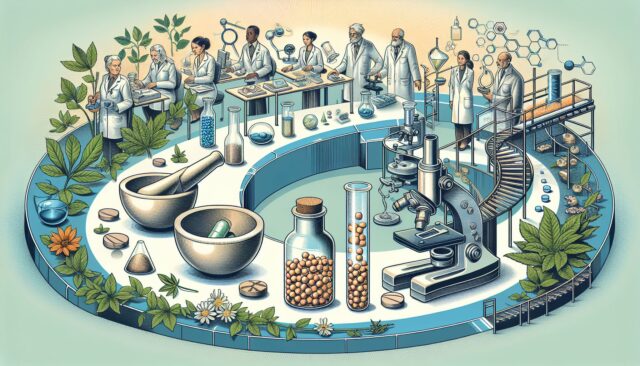
    The pharmaceutical industry invests billions of dollars every year in research and development to discover new drugs and treatments. This involves extensive testing and clinical trials to ensure the safety and effectiveness of these medications. Without the resources and expertise of pharmaceutical companies, many breakthrough treatments would not be possible.

  2. Manufacturing and Production:
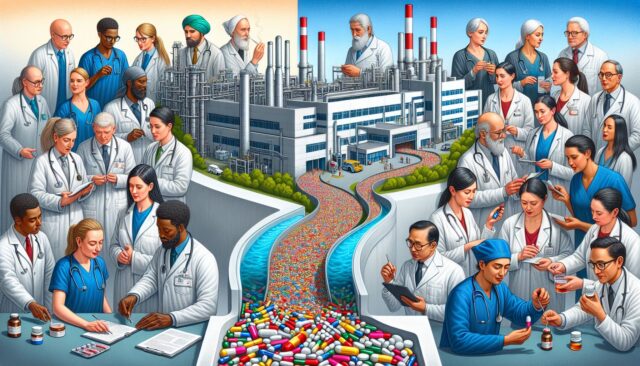
    Once a new drug has been approved for use, pharmaceutical companies are responsible for manufacturing and distributing it to healthcare providers and patients. This requires strict adherence to quality control standards to ensure that each dose is safe and effective. The pharmaceutical industry plays a critical role in making sure that medications are readily available to those who need them.

  3. Regulation and Compliance:
    The pharmaceutical industry is heavily regulated to ensure that medications meet strict safety and efficacy standards. Companies must comply with regulations set by government agencies such as the Food and Drug Administration (FDA) to ensure that their products are safe for patient use. This oversight helps to protect consumers and maintain the integrity of the industry.

In conclusion, the pharmaceutical industry plays a vital role in the field of medicine by researching, developing, manufacturing, and distributing essential medications. Without the expertise and resources of pharmaceutical companies, many life-saving treatments would not be possible. As we continue to face new health challenges, the pharmaceutical industry will remain at the forefront of innovation, working to improve our quality of life and overall well-being.

The Changing Landscape of the Pharmaceutical Industry

The pharmaceutical industry plays a crucial role in the healthcare sector by developing, producing, and distributing medications that improve and save lives. Medicine has come a long way over the years, with advancements in technology and research leading to more effective treatments for a wide range of medical conditions. However, with these advancements come challenges and controversies that have shaped the industry in significant ways.

One of the main challenges facing the pharmaceutical industry is the high cost of medications. Drug prices have been on the rise in recent years, making it difficult for patients to afford essential treatments. This has raised concerns about access to healthcare and the affordability of medications, especially for those who rely on life-saving drugs. Pharmaceutical companies have been under scrutiny for their pricing strategies, with calls for more transparency and accountability in the industry.

Another issue that the pharmaceutical industry faces is the impact of intellectual property rights on innovation. Patents on medications can give companies exclusive rights to produce and sell a drug for a certain period, allowing them to recoup their research and development costs. While this incentivizes innovation, it can also lead to monopolies and limited access to affordable generics. Balancing the need for innovation with ensuring access to essential medications is a complex challenge for the industry.

Despite these challenges, the pharmaceutical industry continues to drive progress in healthcare through research and development. New advancements in precision medicine, biotechnology, and gene therapy are offering promising treatments for previously untreatable diseases. Collaboration between pharmaceutical companies, research institutions, and regulatory agencies is essential for bringing these innovations to market and improving patient outcomes.

In conclusion, the pharmaceutical industry plays a vital role in advancing medicine and improving public health. While challenges such as high drug prices and intellectual property rights persist, the industry continues to innovate and develop new treatments that benefit patients worldwide. As we navigate the changing landscape of healthcare, collaboration and accountability will be key in ensuring access to safe and effective medications for all.

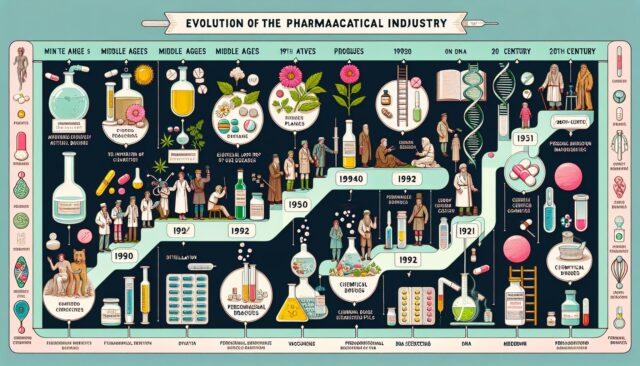
The Evolution of the Pharmaceutical Industry: Advancements in Medicine

The pharmaceutical industry plays a critical role in the development of new medicines and treatments that improve the quality of life for millions of people around the world. From the discovery of penicillin in the early 20th century to the cutting-edge technology of gene therapy today, the pharmaceutical industry has come a long way in advancing medicine.

In the past, the pharmaceutical industry primarily focused on developing drugs to treat symptoms of diseases. However, with advancements in medical research and technology, pharmaceutical companies are now able to target the underlying causes of diseases, leading to more effective treatments and potential cures.

One of the key drivers of innovation in the pharmaceutical industry is the constant pursuit of new scientific knowledge. With a greater understanding of genetics, molecular biology, and immunology, researchers can now develop personalized medicines tailored to an individual’s unique genetic makeup. This precision medicine approach has the potential to revolutionize how diseases are treated, leading to better outcomes for patients.

Another important aspect of the pharmaceutical industry is its emphasis on regulatory approval and patient safety. Before a new drug can be brought to market, it must undergo rigorous testing to ensure its efficacy and safety. This process involves preclinical studies, clinical trials, and regulatory review by agencies such as the Food and Drug Administration (FDA) in the United States. These stringent regulations help to protect patients from harmful or ineffective treatments and ensure that only the most promising drugs are made available to the public.

Despite the many advancements in medicine made possible by the pharmaceutical industry, challenges still remain. Drug development is a costly and time-consuming process, with many potential treatments failing to make it to market due to lack of efficacy or safety concerns. Additionally, there is ongoing debate about the affordability and accessibility of medicines, particularly in low-income countries where life-saving treatments may be out of reach for many patients.

In conclusion, the pharmaceutical industry has made significant strides in advancing medicine and improving patient outcomes. With continued investment in research and development, as well as collaboration between industry, academia, and government, we can expect to see even more groundbreaking discoveries in the years to come. By working together to address challenges and build on successes, we can unlock the full potential of medicine to improve health and save lives.

References:
– DiMasi JA, Grabowski HG, Hansen RW. Innovation in the pharmaceutical industry: New estimates of R&D costs. Journal of Health Economics. 2016;47:20-33.

The Pharmaceutical Industry and Medicine: A Complex Relationship

The pharmaceutical industry plays a crucial role in the development and distribution of medicine worldwide. As a multi-billion dollar industry, pharmaceutical companies invest heavily in research and development to bring new drugs to market. However, the relationship between the pharmaceutical industry and medicine is a complex one that raises ethical and practical concerns.

The pharmaceutical industry is responsible for the discovery, development, and production of prescription drugs that help treat various medical conditions. Through extensive research and clinical trials, pharmaceutical companies are able to identify new substances that have the potential to improve patient outcomes. Once a drug is approved by regulatory agencies, it can be distributed and prescribed to patients by healthcare providers.

However, the pharmaceutical industry has faced criticism for several practices that have raised ethical concerns. One such issue is the marketing and promotion of drugs to healthcare professionals and consumers. Some critics argue that pharmaceutical companies prioritize profits over patient well-being and engage in aggressive marketing tactics that may lead to overprescribing of certain medications.

Another controversial practice is the high cost of prescription drugs. Pharmaceutical companies often set high prices for their medications, making them unaffordable for many patients. This has led to debates about healthcare affordability and access to essential medications, especially for individuals with chronic conditions who rely on prescription drugs for their well-being.

Despite these criticisms, the pharmaceutical industry continues to play a vital role in advancing medicine and improving public health. Through partnerships with academic institutions and government agencies, pharmaceutical companies are able to collaborate on innovative research projects that can lead to groundbreaking discoveries in medicine.

In conclusion, the relationship between the pharmaceutical industry and medicine is a complex one that raises important ethical and practical considerations. While the industry has faced criticism for certain practices, its contribution to the development of new drugs and treatments cannot be overlooked. As the healthcare landscape continues to evolve, it is important for stakeholders to work together to ensure that patients have access to safe, effective, and affordable medications.

The Pharmaceutical Industry: Advancements in Medicine

The pharmaceutical industry plays a crucial role in the development and production of medicines that improve and save lives. It is a multi-billion dollar industry that is constantly evolving and adapting to new technologies and scientific discoveries. From the discovery of new drugs to the testing and manufacturing process, the pharmaceutical industry is at the forefront of medical advancements.

One of the key aspects of the pharmaceutical industry is research and development. Pharmaceutical companies invest heavily in research to discover new drugs and treatments for various diseases and conditions. This involves conducting clinical trials, testing the efficacy and safety of new compounds, and seeking approval from regulatory authorities before a drug can be marketed to the public.

In recent years, there have been significant advancements in medicine thanks to the pharmaceutical industry. Breakthrough drugs have been developed to treat cancer, Alzheimer’s disease, and other serious conditions that were once considered untreatable. These advancements have not only improved the quality of life for patients but have also extended their life expectancy.

In addition to developing new drugs, the pharmaceutical industry also plays a role in manufacturing and distributing medications to healthcare providers and patients. This involves ensuring that drugs meet regulatory standards, are safe and effective, and are produced in a timely manner. The pharmaceutical industry also invests in technologies to improve drug delivery methods, such as innovative drug formulations and devices.

Despite its contributions to medical advancements, the pharmaceutical industry is not without its controversies. There have been concerns about the high cost of some medications, access to affordable healthcare, and the influence of pharmaceutical companies on healthcare policies. These are complex issues that require a multi-faceted approach to address and ensure that patients have access to life-saving medications.

In conclusion, the pharmaceutical industry plays a vital role in advancing medicine and improving healthcare outcomes for patients around the world. Through research, development, manufacturing, and distribution of medications, the industry continues to make significant contributions to the field of medicine. It is important for stakeholders to work together to address challenges and ensure that patients have access to safe, effective, and affordable medications.

The Impact of the Pharmaceutical Industry on Medicine

In today’s world, the pharmaceutical industry plays a crucial role in advancing the field of medicine. With new advancements in technology and research, pharmaceutical companies have been able to develop innovative drugs and treatments that have improved the quality of life for millions of people worldwide.

One of the key contributions of the pharmaceutical industry to medicine is the development of new drugs to treat a wide range of diseases and conditions. Through extensive research and clinical trials, pharmaceutical companies are able to identify compounds that have the potential to be effective in treating specific illnesses. This has led to the introduction of groundbreaking medications that have helped to cure diseases, alleviate symptoms, and improve overall health outcomes for patients.

In addition to creating new drugs, pharmaceutical companies also play a crucial role in manufacturing and distributing medications to patients. This ensures that people have access to the treatments they need to manage their health conditions effectively. Without the infrastructure and resources provided by the pharmaceutical industry, it would be much more challenging for healthcare providers to deliver quality care to their patients.

Furthermore, the pharmaceutical industry has also played a significant role in driving medical research and innovation. By investing in research and development, pharmaceutical companies have been able to push the boundaries of what is possible in medicine. This has led to the discovery of new treatment options, medical devices, and technologies that have revolutionized the way healthcare is delivered.

However, it’s important to acknowledge that the pharmaceutical industry is not without its challenges. One of the most pressing issues facing the industry is the rising cost of medications. The high prices of prescription drugs can make it difficult for some patients to afford the treatments they need, which can have serious consequences for their health.

In conclusion, the pharmaceutical industry has had a profound impact on the field of medicine. From developing new drugs to manufacturing and distributing medications, pharmaceutical companies play a critical role in improving the health and well-being of people around the world. While there are challenges that need to be addressed, the contributions of the pharmaceutical industry to medicine cannot be overlooked. Through continued collaboration between healthcare providers, researchers, and pharmaceutical companies, we can work towards a future where everyone has access to the medications they need to live healthier lives.

The Pharmaceutical Industry: Advancements in Medicine

The pharmaceutical industry plays a vital role in healthcare by researching, developing, and manufacturing medications that treat a wide range of illnesses and conditions. From antibiotics to vaccines, the industry is constantly working to improve and innovate the way we approach healthcare.

In recent years, there have been significant advancements in medicine that have greatly impacted the way diseases are treated. One notable example is the development of biologics, which are medications made from living organisms. These drugs have revolutionized the treatment of conditions such as rheumatoid arthritis, cancer, and diabetes, offering new options for patients who may have not responded well to traditional therapies.

Another area of groundbreaking research in the pharmaceutical industry is the study of personalized medicine. This approach takes into account an individual’s genetic makeup, lifestyle, and environmental factors to tailor treatments specifically for that person. By utilizing this approach, doctors can better predict how a patient will respond to a medication, leading to more effective and efficient treatments.

Additionally, the pharmaceutical industry has made significant strides in the field of immunotherapy, which uses the body’s own immune system to fight off diseases such as cancer. This innovative approach has shown promising results in clinical trials and has offered hope to patients facing advanced stages of cancer.

Despite these advancements, the pharmaceutical industry also faces challenges, including high drug prices, regulatory hurdles, and the ongoing battle against counterfeit medications. As the demand for new and improved therapies continues to grow, it is important for the industry to address these issues and find sustainable solutions that benefit both patients and healthcare providers.

In conclusion, the pharmaceutical industry plays a crucial role in advancing medicine and improving patient outcomes. Through continued research, innovation, and collaboration, the industry will continue to make significant contributions to healthcare and help address some of the most pressing medical challenges of our time. As consumers and healthcare professionals, we must continue to support and advocate for policies that promote access to safe, effective, and affordable medications for all.

The Impact of the Pharmaceutical Industry and Medicine

The pharmaceutical industry plays a crucial role in the advancement of medicine and the treatment of various diseases and conditions. This industry is responsible for developing, manufacturing, and distributing medications that help improve the quality of life for millions of people around the world.

In recent years, the pharmaceutical industry has faced scrutiny over issues such as drug pricing, transparency, and ethics. However, it cannot be denied that this industry has made significant contributions to healthcare through the development of innovative drugs and therapies that have saved countless lives.

One of the key benefits of the pharmaceutical industry is the continuous research and development of new medications. This process involves identifying new drug targets, conducting clinical trials, and obtaining regulatory approval for new treatments. Without the pharmaceutical industry, many life-saving medications would not be available to patients who need them.

Furthermore, the pharmaceutical industry plays a vital role in driving economic growth and creating jobs. Pharmaceutical companies invest billions of dollars in research and development, which not only leads to the discovery of new treatments but also stimulates innovation and economic activity in other sectors.

Despite these positive aspects, there are challenges that the pharmaceutical industry must address, such as the rising cost of healthcare and access to affordable medications. It is essential for pharmaceutical companies to balance the need for profitability with the responsibility to provide access to essential medications for all patients.

In conclusion, the pharmaceutical industry has a profound impact on global healthcare and plays a crucial role in advancing medicine and improving patient outcomes. It is essential for stakeholders in the industry to work together to address challenges and find solutions that ensure access to safe and effective medications for all patients. Through continued innovation and collaboration, the pharmaceutical industry will continue to make significant contributions to healthcare and society as a whole.

A Closer Look at the Pharmaceutical Industry and Medicine

The pharmaceutical industry plays a crucial role in society by researching, developing, manufacturing, and distributing medications that help treat and prevent various illnesses and diseases. This industry is constantly evolving, with advancements in technology and research leading to the creation of new and improved drugs. In this blog post, we will take a closer look at the pharmaceutical industry and its impact on modern medicine.

The pharmaceutical industry invests billions of dollars in research and development each year to discover and create new medications. Companies conduct extensive clinical trials to ensure the safety and efficacy of their products before they can be approved for use by regulatory agencies. These medications can help improve and prolong the lives of millions of people around the world.

One of the challenges facing the pharmaceutical industry is the rising cost of medication. Developing new drugs is a costly and time-consuming process, with no guarantee of success. Companies must recoup their investments through the sale of their products, which can lead to high prices for consumers. This has sparked debate and controversy over the accessibility and affordability of essential medications, especially for those who are uninsured or underinsured.

Despite these challenges, the pharmaceutical industry continues to make significant strides in the field of medicine. Advances in biotechnology and genetics have led to the development of personalized medicine, which tailors treatment plans to individual patients based on their genetic makeup. This approach has the potential to revolutionize healthcare by providing more effective and targeted therapies.

In addition to developing new medications, the pharmaceutical industry also plays a key role in manufacturing and distributing these products. Companies must adhere to strict regulatory guidelines to ensure the quality and safety of their medications. This includes monitoring the production process, storage, and transportation of drugs to prevent contamination or tampering.

In conclusion, the pharmaceutical industry is an important pillar of modern medicine, responsible for researching, developing, manufacturing, and distributing medications that help improve and save lives. While there are challenges and criticisms facing the industry, it continues to innovate and advance the field of medicine through groundbreaking research and technology. With ongoing investments in research and development, the pharmaceutical industry will continue to play a crucial role in the health and well-being of people worldwide.