The Role of the Pharmaceutical Industry in Healthcare

The pharmaceutical industry plays a crucial role in the healthcare system by developing and manufacturing medicines that help treat and cure diseases. Without the advancements made by pharmaceutical companies, many life-threatening illnesses would remain untreatable. In this article, we will explore the importance of the pharmaceutical industry in providing essential medicines to patients.

Introduction

The pharmaceutical industry is responsible for researching, developing, and producing a wide range of medicines that are used to treat various medical conditions. From antibiotics to cancer treatments, pharmaceutical companies invest billions of dollars in research and development to create innovative therapies that improve the quality of life for patients around the world.

Body

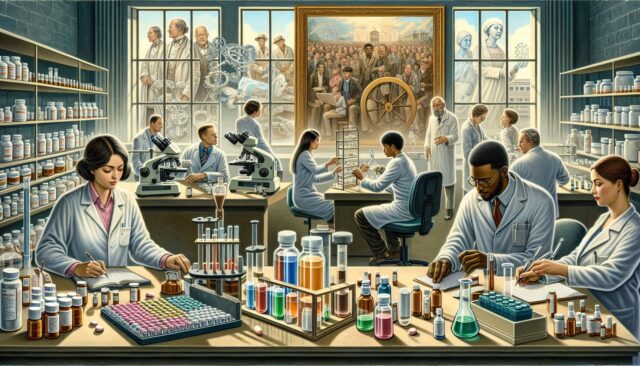
One of the key functions of the pharmaceutical industry is to conduct clinical trials to test the safety and efficacy of new drugs before they can be approved for use by regulatory agencies. These trials involve thousands of participants and are essential for ensuring that patients receive safe and effective treatments. In addition to developing new drugs, pharmaceutical companies also play a vital role in manufacturing and distributing medicines to healthcare providers and pharmacies.

Furthermore, pharmaceutical companies collaborate with healthcare professionals to educate them about the latest advancements in medicine and provide information on how to properly use their products. This collaboration helps ensure that patients receive the right treatment for their condition and are able to manage their health effectively.

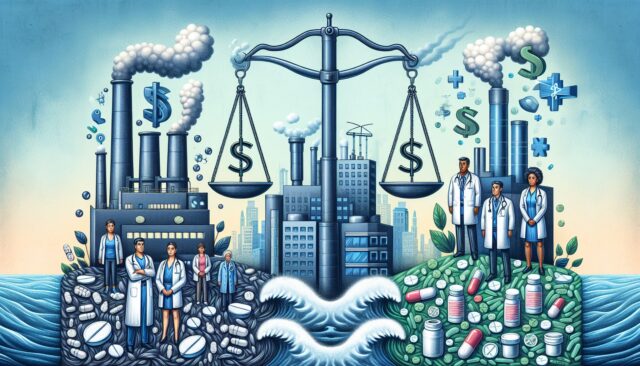
In recent years, the pharmaceutical industry has faced criticism for the high cost of prescription drugs. While research and development costs are often cited as a reason for these high prices, some argue that pharmaceutical companies prioritize profits over patient welfare. Despite these concerns, the pharmaceutical industry continues to be an indispensable part of the healthcare system, providing essential medicines that save lives and improve health outcomes.

Conclusion

In conclusion, the pharmaceutical industry plays a vital role in the healthcare system by developing and manufacturing medicines that help treat and cure diseases. While there are challenges and criticisms facing the industry, it is clear that without the advancements made by pharmaceutical companies, many patients would not have access to life-saving treatments. Moving forward, it is important for the pharmaceutical industry to continue to prioritize patient welfare and address concerns about drug pricing to ensure that all patients have access to the medicines they need to live healthy and fulfilling lives.

The Pharmaceutical Industry: Bringing Life-Saving Medicine to the World

The pharmaceutical industry plays a crucial role in the healthcare system by developing and manufacturing essential medicines that help treat and prevent diseases. From antibiotics to vaccines to cancer treatments, pharmaceutical companies are responsible for providing a wide range of medications that improve the quality of life for millions of people around the globe.

One of the key functions of the pharmaceutical industry is research and development (R&D). Companies invest billions of dollars each year in R&D to discover new medications and improve existing ones. This process involves rigorous testing and clinical trials to ensure the safety and efficacy of new drugs before they can be brought to market.

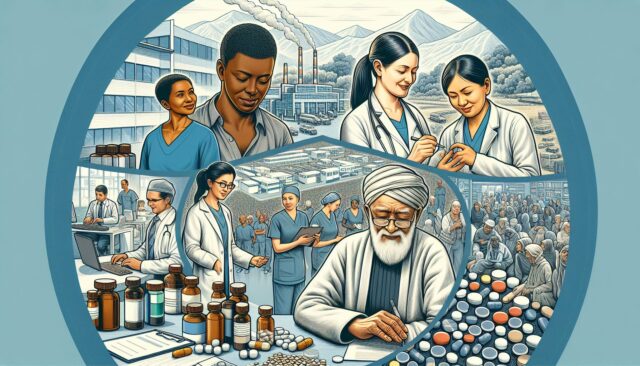
In addition to developing new drugs, pharmaceutical companies also play a crucial role in ensuring access to medicine. They work with healthcare providers, insurers, and government agencies to make sure that patients can afford the medications they need. This includes offering patient assistance programs, discounts, and other initiatives to help lower the cost of prescription drugs.

Furthermore, pharmaceutical companies are also involved in educating healthcare professionals and the public about the safe and effective use of medications. They provide training, resources, and information to help ensure that patients receive the right medications at the right doses.

Despite the important role that the pharmaceutical industry plays in healthcare, it is not without its challenges. One of the biggest challenges facing the industry is the rising cost of healthcare and prescription drugs. This has led to calls for greater transparency and accountability in drug pricing, as well as efforts to promote competition and innovation in the market.

Another challenge facing the pharmaceutical industry is the increasing regulatory burden. Companies must navigate a complex web of regulations and approvals to bring new drugs to market, which can be a time-consuming and costly process.

In conclusion, the pharmaceutical industry plays a crucial role in healthcare by developing and providing life-saving medications to patients around the world. Through research, development, and collaboration with healthcare providers, pharmaceutical companies help improve the health and well-being of millions of people. While the industry faces challenges, it continues to innovate and adapt to meet the needs of patients and healthcare systems.

The Evolution of the Pharmaceutical Industry and Medicine

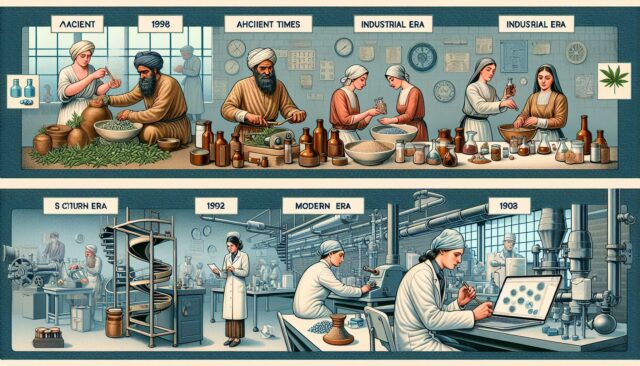
The pharmaceutical industry has come a long way since the days of apothecaries mixing herbs and compounds to treat illnesses. Today, pharmaceutical companies are at the forefront of developing cutting-edge medicines that can save lives and improve quality of life for countless individuals.

In the past, medicine was often limited to treating symptoms rather than addressing the root cause of a disease. However, with advancements in technology and research, pharmaceutical companies are now able to develop targeted therapies that can effectively treat the underlying causes of various illnesses. This has led to significant breakthroughs in the treatment of conditions such as cancer, diabetes, and heart disease.

One of the key drivers behind these advancements is the focus on precision medicine. By analyzing an individual’s genetic makeup and other factors, pharmaceutical companies are able to tailor treatments to the specific needs of each patient. This personalized approach has the potential to revolutionize the way we think about healthcare, moving towards a future where treatments are tailored to each individual’s unique biological profile.

Another important aspect of the pharmaceutical industry is the emphasis on research and development. Companies invest millions of dollars each year in developing new drugs and therapies, with the hope of bringing life-changing treatments to market. This commitment to innovation has resulted in the development of novel medications that have transformed the landscape of healthcare.

However, the pharmaceutical industry is not without its challenges. Drug development is a lengthy and expensive process, with many potential treatments failing to make it to market. Additionally, issues such as drug pricing and access to medications remain hot-button topics in the industry. Despite these challenges, pharmaceutical companies continue to push the boundaries of science and medicine in their quest to improve health outcomes for patients around the world.

In conclusion, the pharmaceutical industry plays a crucial role in advancing medicine and improving health outcomes for individuals. Through a combination of research, innovation, and dedication, pharmaceutical companies have made significant strides in developing life-saving treatments for a wide range of diseases. As we look towards the future, it is clear that the industry will continue to evolve and innovate, bringing hope and healing to those in need.

The Ever-Evolving Landscape of the Pharmaceutical Industry

The pharmaceutical industry plays a vital role in healthcare by researching, developing, and distributing medications that help treat and cure various diseases. From pain relievers to life-saving vaccines, the industry has made significant advancements in medicine over the years. However, it is also a complex and highly regulated industry that faces numerous challenges and controversies.

One of the most pressing issues in the pharmaceutical industry is the high cost of medications. Drug prices have been steadily rising, making it difficult for many patients to afford the treatments they need. This has led to debates about the ethics of pricing and access to essential medications. In response, some countries have implemented price controls or bulk purchasing agreements to make drugs more affordable.

In addition to cost concerns, the industry also faces scrutiny over drug safety and efficacy. Pharmaceutical companies must conduct rigorous testing and clinical trials to ensure that their products are safe and effective for consumers. However, there have been instances of drug recalls and lawsuits over harmful side effects or deceptive marketing practices. Maintaining transparency and upholding ethical standards are essential for building trust with patients and regulatory agencies.

Furthermore, the rise of counterfeit and substandard medications poses a significant threat to public health. These fake drugs can be ineffective or even dangerous, putting patients at risk. The pharmaceutical industry must work closely with regulators and law enforcement to combat this issue and protect consumers from counterfeit products.

Despite these challenges, the pharmaceutical industry continues to innovate and develop groundbreaking treatments for a wide range of conditions. Advances in biotechnology, genomics, and personalized medicine have revolutionized the way we approach healthcare. From targeted cancer therapies to gene editing techniques, these advancements hold the promise of personalized and more effective treatments for patients.

In conclusion, the pharmaceutical industry is constantly evolving in response to changing healthcare needs and regulatory requirements. While it faces challenges such as high drug prices, safety concerns, and counterfeit medications, the industry remains committed to improving patient outcomes and advancing medical knowledge. By fostering innovation, transparency, and collaboration, the pharmaceutical industry can continue to make a positive impact on global health.

The Pharmaceutical Industry and Medicine: A Complex Relationship

The pharmaceutical industry plays a crucial role in modern society by researching, developing, and producing medicines that improve and save countless lives. However, this relationship between the pharmaceutical industry and medicine is complex and multifaceted.

In recent years, there has been growing scrutiny and criticism of the pharmaceutical industry. One of the main issues is the high cost of prescription medications, which can be unaffordable for many patients. This has led to debates about the ethics of drug pricing and the need for greater transparency in the industry.

Another concern is the influence of pharmaceutical companies on medical research and practice. Some critics argue that pharmaceutical companies have too much power and influence over healthcare providers, leading to over-prescription of certain medications and potentially harmful conflicts of interest.

Despite these challenges, the pharmaceutical industry has also brought about significant advancements in medicine. Through innovation and research, new drugs and treatments are constantly being developed to combat diseases and improve healthcare outcomes. This includes life-saving medications for chronic conditions, breakthrough treatments for rare diseases, and vaccines to prevent the spread of infectious diseases.

Moreover, the pharmaceutical industry plays a vital role in driving economic growth and creating jobs. Pharmaceutical companies invest heavily in research and development, driving innovation and contributing to scientific advancements. This not only benefits patients by providing new treatments, but also stimulates the economy by creating high-skilled jobs and boosting overall productivity.

Ultimately, the relationship between the pharmaceutical industry and medicine is complex and multifaceted. While there are legitimate concerns about drug pricing and industry influence, it is important to acknowledge the significant contributions that the pharmaceutical industry has made to healthcare and society as a whole.

In conclusion, the pharmaceutical industry plays a crucial role in developing and producing life-saving medications. While there are challenges and criticisms, it is important to recognize the positive impact that the industry has had on healthcare and society. By addressing issues of transparency and accountability, we can work towards a future where everyone has access to safe and affordable medications.

The Pharmaceutical Industry: Advancements in Medicine

The pharmaceutical industry plays a crucial role in developing and providing life-saving medications and treatments for various health conditions. With advancements in technology and research, the industry continues to innovate and improve the quality of healthcare around the world.

In recent years, we have witnessed significant breakthroughs in medicine, thanks to the tireless efforts of pharmaceutical companies. From the development of vaccines for infectious diseases to cutting-edge treatments for chronic illnesses, these advancements have transformed the way we approach healthcare.

One of the key drivers of innovation in the pharmaceutical industry is research and development. Companies invest heavily in R&D to discover new drugs and therapies that can improve patient outcomes and quality of life. This process involves rigorous testing, clinical trials, and regulatory approvals to ensure the safety and efficacy of new medications.

In addition to developing new treatments, pharmaceutical companies also play a vital role in manufacturing and distributing medications to healthcare providers and patients. This involves stringent quality control measures to ensure that medications meet the highest standards of safety and effectiveness.

The pharmaceutical industry also faces challenges, such as rising healthcare costs and increasing regulatory scrutiny. Companies must navigate complex regulations and policies to bring new drugs to market, while also balancing the need for affordable access to medications for patients.

Despite these challenges, the pharmaceutical industry continues to drive innovation and improve healthcare outcomes for millions of people worldwide. Through collaboration with researchers, healthcare providers, and government agencies, companies can work together to address pressing health issues and bring new solutions to market.

In conclusion, the pharmaceutical industry plays a vital role in advancing medicine and improving patient care. With ongoing research and development efforts, companies can continue to innovate and bring new treatments to market that benefit individuals and society as a whole. By working together, we can harness the power of science and technology to address global health challenges and create a healthier future for all.

The Impact of the Pharmaceutical Industry on Modern Medicine

The pharmaceutical industry plays a crucial role in modern medicine by developing and producing the drugs and treatments that improve and save countless lives every day. From antibiotics to vaccines to cutting-edge cancer treatments, the pharmaceutical industry continues to push the boundaries of medical science and innovation.

One of the key contributions of the pharmaceutical industry is its commitment to research and development. Drug companies invest billions of dollars each year in research to discover new medications and improve existing ones. This research has led to groundbreaking advances in treatment for a wide range of diseases and conditions, from chronic illnesses like diabetes and heart disease to rare genetic disorders.

In addition to developing new drugs, the pharmaceutical industry also plays a vital role in ensuring the safety and efficacy of medications. Before a drug can be approved for use by the public, it must undergo rigorous testing to demonstrate that it is both safe and effective. This process, overseen by regulatory agencies like the FDA, helps to protect patients from potentially harmful or ineffective treatments.

Furthermore, the pharmaceutical industry is responsible for manufacturing and distributing medications to pharmacies, hospitals, and other healthcare providers around the world. This ensures that patients have access to the medications they need when they need them, helping to improve health outcomes and quality of life.

Despite its many contributions to modern medicine, the pharmaceutical industry is not without its controversies. Critics often point to issues like high drug prices, marketing practices, and conflicts of interest with healthcare providers as areas of concern. However, it is important to recognize that the pharmaceutical industry also faces challenges like increasing regulatory scrutiny, rising research and development costs, and evolving healthcare landscape.

In conclusion, the pharmaceutical industry plays a vital role in modern medicine by developing, producing, and distributing the medications that improve and save lives. While the industry faces challenges and controversies, its commitment to research, safety, and innovation continues to drive progress in medical science. As we look to the future of healthcare, the pharmaceutical industry will undoubtedly play a central role in shaping the treatments and therapies that will define the next generation of medicine.

The Importance of the Pharmaceutical Industry in Advancing Medicine

The pharmaceutical industry plays a crucial role in the development and production of medicines that are essential for treating various medical conditions. This industry combines research, technology, and innovation to create life-saving drugs that improve the quality of life for millions of people around the world.

In recent years, we have witnessed significant advancements in medicine, thanks to the efforts of pharmaceutical companies. From vaccines that prevent deadly diseases to treatments that manage chronic conditions, the pharmaceutical industry has made remarkable progress in developing new and effective drugs.

One of the key strengths of the pharmaceutical industry is its commitment to research and development. Companies invest heavily in scientific research to discover new drugs and improve existing ones. This continuous innovation has led to the development of breakthrough treatments for diseases such as cancer, diabetes, and HIV/AIDS.

Additionally, the pharmaceutical industry plays a vital role in ensuring the safety and efficacy of medicines. Before a drug can be approved for use, it must undergo extensive testing to demonstrate its effectiveness and safety. This rigorous process helps to protect patients from potentially harmful or ineffective medications.

Furthermore, the pharmaceutical industry plays a crucial role in healthcare systems by providing access to essential medicines. Through partnerships with governments, healthcare providers, and non-profit organizations, pharmaceutical companies work to ensure that medicines are available to those who need them, regardless of their ability to pay.

Despite its many contributions to advancing medicine, the pharmaceutical industry also faces challenges. Competition, regulatory hurdles, and the high cost of drug development are just a few of the obstacles that companies must navigate. However, through collaboration, innovation, and a commitment to improving patient outcomes, the pharmaceutical industry continues to drive progress in healthcare.

In conclusion, the pharmaceutical industry is a key player in advancing medicine and improving patient care. Through research, innovation, and collaboration, pharmaceutical companies develop and produce essential medicines that save lives and improve quality of life. While challenges remain, the dedication and expertise of the pharmaceutical industry will continue to drive progress in healthcare for years to come.

The Role of the Pharmaceutical Industry in Advancing Medicine

The pharmaceutical industry plays a critical role in the development, production, and distribution of medicine. It is a multi-billion dollar industry that is constantly evolving to meet the healthcare needs of society. Pharmaceutical companies invest significant resources in research and development to discover new drugs, improve existing medications, and bring them to market.

One of the key contributions of the pharmaceutical industry is innovation. Through research and development, pharmaceutical companies are able to discover new drugs that can treat diseases, alleviate symptoms, and improve overall health outcomes. These innovations have led to the development of life-saving medications for conditions such as cancer, HIV/AIDS, and heart disease.

In addition to developing new drugs, the pharmaceutical industry also plays a crucial role in the production and distribution of medicine. Pharmaceutical companies use advanced manufacturing processes to produce high-quality medications in large quantities. They work closely with regulatory agencies to ensure that these medications meet strict safety and efficacy standards before they are made available to patients.

The pharmaceutical industry is also instrumental in promoting public health and wellness. Through partnerships with healthcare providers, government agencies, and non-profit organizations, pharmaceutical companies help educate the public about disease prevention, proper medication use, and healthy lifestyle choices. They also invest in initiatives to increase access to healthcare in underserved communities and develop affordable medications for those in need.

Despite its many contributions to society, the pharmaceutical industry faces challenges such as rising healthcare costs, regulatory hurdles, and public scrutiny. Critics argue that pharmaceutical companies prioritize profits over patients and engage in practices that drive up drug prices and limit access to care. To address these concerns, industry leaders are working to enhance transparency, improve pricing practices, and increase collaboration with stakeholders to ensure that patients have access to affordable and effective medications.

In conclusion, the pharmaceutical industry plays a vital role in advancing medicine and improving public health. Through innovation, production, and distribution of medications, pharmaceutical companies help save lives and improve quality of life for millions of people worldwide. While there are challenges that need to be addressed, the industry continues to make strides in developing new drugs, enhancing patient care, and promoting overall wellness. As technology and healthcare continue to evolve, the pharmaceutical industry will remain a driving force in shaping the future of medicine.

The Role of the Pharmaceutical Industry in Advancing Medicine

The pharmaceutical industry plays a crucial role in the advancement of medicine, as it is responsible for researching, developing, and producing life-saving medications. With the constant evolution of technology and medical knowledge, the industry is constantly working to improve existing treatments and discover new ones to combat various diseases and conditions.

One of the key functions of the pharmaceutical industry is research and development. Scientists in this field are constantly studying diseases, identifying potential drug targets, and developing new medications to treat them. This process typically involves years of extensive research, clinical trials, and regulatory approval before a new drug can be brought to market. Without the dedication and expertise of pharmaceutical researchers, many life-saving drugs would not exist today.

In addition to developing new medications, pharmaceutical companies also play a vital role in producing and distributing these drugs to patients. This involves collaboration with regulatory agencies to ensure that medications are safe and effective for use, as well as working with healthcare providers to educate them on the proper use of these drugs. Furthermore, pharmaceutical companies invest heavily in manufacturing facilities and supply chains to ensure that medications are readily available to those who need them.

The pharmaceutical industry also plays a critical role in driving innovation in medicine. Through ongoing research and development efforts, new treatment options are continually being discovered, leading to improved patient outcomes and quality of life. Many groundbreaking medications, such as antibiotics, vaccines, and cancer treatments, have been developed thanks to the tireless efforts of pharmaceutical companies.

Despite the vital role that the pharmaceutical industry plays in advancing medicine, it is not without its challenges. The high cost of research and development, stringent regulatory requirements, and intense competition within the industry all pose significant obstacles to bringing new drugs to market. Additionally, concerns about drug pricing and access to medications have sparked debates about the ethical responsibilities of pharmaceutical companies.

In conclusion, the pharmaceutical industry plays an indispensable role in advancing medicine and improving health outcomes for patients worldwide. Through research, development, production, and innovation, pharmaceutical companies work tirelessly to develop safe and effective medications that save lives and improve quality of life. While challenges still exist, the dedication and expertise of those in the pharmaceutical industry continue to drive progress in the field of medicine.