The Pharmaceutical Industry and Medicine: A Vital Connection

Introduction

The pharmaceutical industry plays a crucial role in society by researching, developing, and producing life-saving medications. Medicine, on the other hand, is the backbone of healthcare, allowing doctors to treat and manage various illnesses. The relationship between the pharmaceutical industry and medicine is one of dependence, innovation, and advancement.

Body

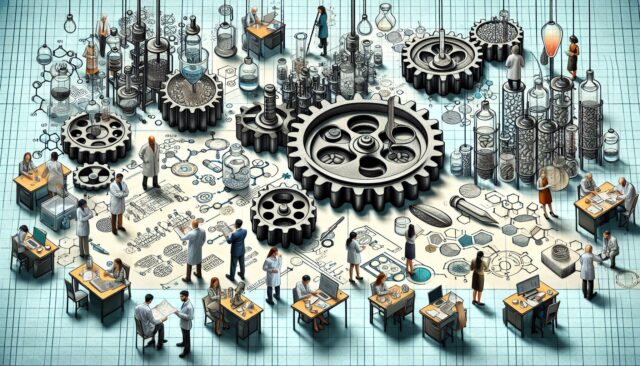
The pharmaceutical industry invests billions of dollars annually into research and development to create new drugs that can address a wide range of health issues. From antibiotics to antivirals, painkillers to cancer treatments, the industry is constantly striving to improve and innovate upon existing medications. Without the pharmaceutical industry, many life-saving medications would not exist, and countless lives would be lost.

Medicine, on the other hand, is the practice of using these medications to diagnose, treat, and prevent diseases. Doctors rely on pharmaceutical products to provide effective treatment options for their patients, whether it be through prescribing antibiotics for infections or chemotherapy for cancer. Medicine is ever-evolving, with new discoveries and advancements constantly pushing the boundaries of what is possible in healthcare.

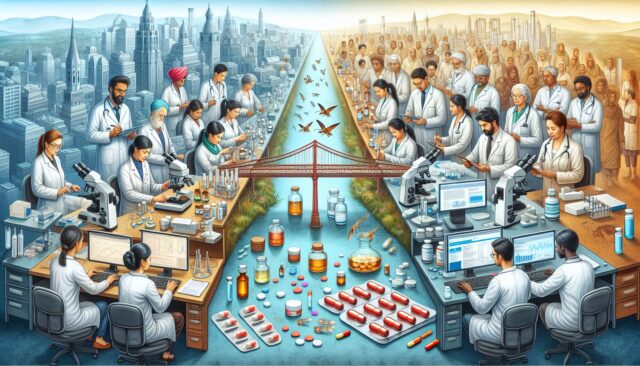
The pharmaceutical industry and medicine work hand in hand to bring about positive outcomes for patients. Through clinical trials and research, new medications are developed and tested to ensure their safety and efficacy. Doctors then have the knowledge and tools to prescribe these medications to their patients, allowing them to recover and manage their health conditions effectively.

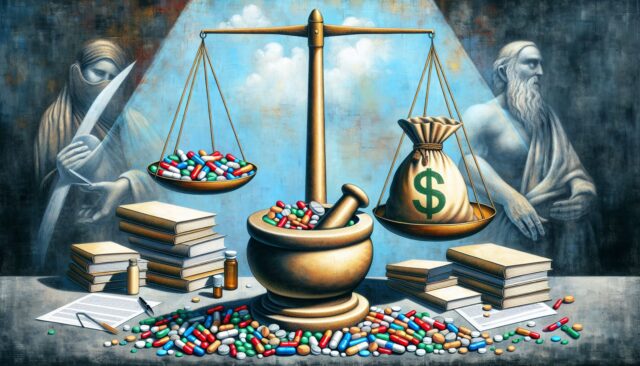
The relationship between the pharmaceutical industry and medicine is not without its challenges, however. Drug pricing, access to medications, and potential side effects are all issues that the industry must address to ensure that patients receive the best possible care. Additionally, there is always a need for continued research and development to tackle new health threats and diseases that arise.

Conclusion

In conclusion, the pharmaceutical industry and medicine are intricately connected, working together to improve the health and well-being of individuals worldwide. Through innovation, research, and collaboration, the industry continues to push the boundaries of what is possible in healthcare. As technology advances and new discoveries are made, the relationship between the pharmaceutical industry and medicine will only grow stronger, leading to better outcomes for patients and a brighter future for healthcare as a whole.
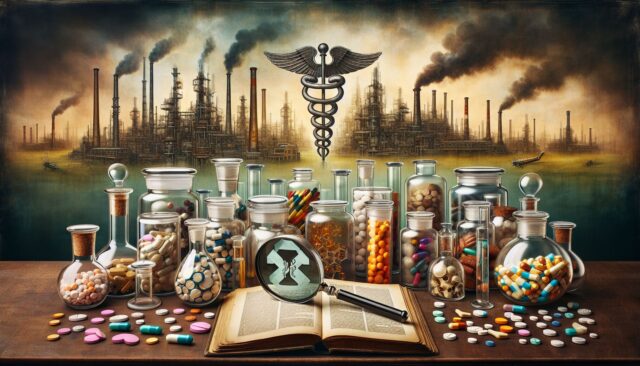
The Evolving Landscape of the Pharmaceutical Industry

The pharmaceutical industry plays a crucial role in society by developing and producing life-saving medicines that improve our quality of life. From antibiotics to vaccines to cancer treatments, pharmaceutical companies work tirelessly to research, develop, and bring to market new drugs that can treat a wide range of illnesses and conditions.

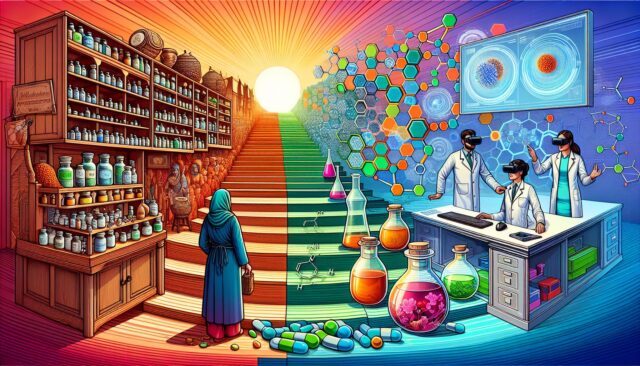
In recent years, the pharmaceutical industry has been undergoing significant changes due to advances in technology, an increased focus on personalized medicine, and a growing emphasis on treating rare diseases. These changes have led to the development of innovative new drugs that target specific genetic mutations or biomarkers, allowing for more precise and effective treatments for patients.

Additionally, the rise of biotechnology has revolutionized the pharmaceutical industry, enabling the production of complex biologic drugs that were once thought to be impossible. Biotech companies are now able to engineer proteins, antibodies, and other molecules to create novel treatments for diseases like cancer, diabetes, and autoimmune disorders.

Despite these advancements, the pharmaceutical industry faces challenges such as rising drug prices, regulatory hurdles, and ethical concerns about the marketing and promotion of medications. The high cost of prescription drugs has become a major issue for patients, insurers, and governments, leading to calls for greater transparency and accountability from pharmaceutical companies.

Furthermore, the industry has come under scrutiny for its role in the opioid epidemic, with several companies facing lawsuits and legal action for their marketing practices and distribution of prescription painkillers. This has prompted a reevaluation of how opioids are prescribed and managed, as well as a renewed focus on developing non-addictive alternatives for pain management.

In response to these challenges, the pharmaceutical industry is evolving and adapting to meet the changing demands of healthcare. Companies are investing in research and development, forging partnerships with academic institutions and biotech startups, and exploring new technologies such as artificial intelligence and machine learning to accelerate drug discovery and development.

In conclusion, the pharmaceutical industry is a vital component of the healthcare system, providing essential medicines that save lives and improve health outcomes for millions of people worldwide. While it faces challenges and criticisms, the industry continues to innovate and push the boundaries of medical science to develop new treatments and cures for a wide range of diseases. By embracing change and working collaboratively with stakeholders, the pharmaceutical industry can continue to make a positive impact on global health and well-being.

The Impact of the Pharmaceutical Industry on Medicine

The pharmaceutical industry plays a crucial role in the development and distribution of medicine worldwide. As the demand for healthcare continues to rise, so does the importance of pharmaceutical companies in driving innovation and improving patient outcomes. In this blog post, we will explore the impact of the pharmaceutical industry on medicine.

Introduction

The pharmaceutical industry is responsible for researching, developing, and producing medications that help to prevent, treat, and cure a wide range of diseases and medical conditions. These companies invest significant resources in research and development to discover new drugs and therapies that can improve the quality of life for millions of people around the world.

Body

One of the key ways in which the pharmaceutical industry impacts medicine is through drug discovery and development. Through extensive research and testing, pharmaceutical companies are able to identify potential new treatments for various diseases and conditions. They then work to bring these drugs through the rigorous process of clinical trials and regulatory approval in order to make them available to patients.

In addition to developing new drugs, pharmaceutical companies also play a vital role in manufacturing and distributing these medications to healthcare providers and patients. They work closely with regulators and healthcare providers to ensure that drugs are manufactured safely and are distributed effectively to those who need them.

Another important aspect of the pharmaceutical industry’s impact on medicine is its role in driving innovation. By investing in research and development, pharmaceutical companies are able to push the boundaries of medical science and develop new treatments that were once thought to be impossible. This constant drive for innovation has led to significant advancements in the treatment of diseases such as cancer, HIV/AIDS, and diabetes.

Furthermore, pharmaceutical companies also play a critical role in shaping healthcare policy and regulations. They work closely with government agencies and health organizations to ensure that drugs are developed and marketed in a way that is safe and effective for patients. They also advocate for policies that support innovation and access to healthcare for all.

Conclusion

In conclusion, the pharmaceutical industry has a profound impact on medicine and healthcare overall. From drug discovery and development to manufacturing and distribution, pharmaceutical companies play a critical role in improving patient outcomes and driving innovation in the field of medicine. As the demand for healthcare continues to grow, the importance of the pharmaceutical industry in advancing medical science and improving patient care will only continue to increase.

The Evolution of the Pharmaceutical Industry: Advances in Medicine

The pharmaceutical industry plays a crucial role in the development, production, and distribution of life-saving medications. Over the years, pharmaceutical companies have made significant advancements in medicine, improving the quality of life for millions of people worldwide.

In the past few decades, the pharmaceutical industry has experienced rapid growth and innovation. With advancements in technology and research, pharmaceutical companies have been able to develop new drugs to treat a wide range of diseases and conditions. From antibiotics and vaccines to biologics and personalized medicine, the industry has made great strides in improving healthcare outcomes.

One of the key drivers of innovation in the pharmaceutical industry is research and development. Pharmaceutical companies invest billions of dollars each year into research to discover new drugs and improve existing ones. This research often involves collaboration with academic institutions, government agencies, and other industry partners to bring new therapies to market.

In addition to developing new drugs, pharmaceutical companies also play a crucial role in ensuring the safety and efficacy of medications. Through rigorous testing and clinical trials, pharmaceutical companies must demonstrate that their drugs are safe and effective for patients. This process helps to protect the public from harmful or ineffective medications and ensures that healthcare providers can confidently prescribe treatments to their patients.

Despite the many advancements in medicine, the pharmaceutical industry also faces challenges. Drug pricing, access to medications, and regulatory hurdles are just a few of the issues that companies must navigate. However, with a commitment to innovation and collaboration, the industry continues to make progress in addressing these challenges and improving healthcare outcomes for patients.

In conclusion, the pharmaceutical industry has made remarkable advancements in medicine, improving the quality of life for millions of people around the world. Through research, development, and collaboration, pharmaceutical companies continue to drive innovation and bring lifesaving medications to market. While challenges remain, the industry remains committed to improving healthcare outcomes and meeting the needs of patients.

The Importance of the Pharmaceutical Industry in Providing Medicine

The pharmaceutical industry plays a crucial role in providing medication to treat various illnesses and medical conditions. Without this industry, many people would not have access to life-saving drugs that improve their quality of life and wellbeing. In this article, we will explore the significance of the pharmaceutical industry in providing medicine to the global population.

The Role of the Pharmaceutical Industry

The pharmaceutical industry is responsible for researching, developing, manufacturing, and distributing medications to treat diseases and improve overall health. This industry invests billions of dollars in research and development to discover new drugs and therapies that can benefit patients worldwide. Pharmaceutical companies work closely with regulatory agencies to ensure that their products are safe and effective for use.

Access to Medicine

One of the key priorities of the pharmaceutical industry is to ensure that medicine is accessible to those who need it. This includes making essential drugs affordable for lower-income populations and developing treatments for neglected diseases that primarily affect developing countries. Pharmaceutical companies also collaborate with governments and non-profit organizations to provide medicine to underserved communities through various healthcare programs.

Innovation and Advancements

The pharmaceutical industry drives innovation in healthcare by developing new treatments for a wide range of medical conditions. From antibiotics to cancer drugs, pharmaceutical companies continuously strive to improve patient outcomes and find better ways to manage diseases. With advancements in technology and research, the industry is constantly evolving to meet the changing needs of patients and healthcare providers.

Challenges and Opportunities

While the pharmaceutical industry has made significant progress in providing medicine to people around the world, there are still challenges that need to be addressed. Issues such as drug pricing, supply chain disruptions, and regulatory hurdles can hinder the industry’s ability to deliver timely and affordable medication to patients. However, these challenges also present opportunities for innovation and collaboration within the industry to overcome barriers and improve healthcare outcomes.

Conclusion

The pharmaceutical industry plays a vital role in providing medicine to individuals who rely on these drugs to manage their health conditions and lead fulfilling lives. Through research, innovation, and collaboration, the industry continues to make significant contributions to global healthcare and improve patient outcomes. As we navigate through current health challenges and future medical advancements, the pharmaceutical industry will remain a cornerstone in delivering essential medicine to those in need.

The Pharmaceutical Industry: Advancements in Medicine

The pharmaceutical industry plays a crucial role in the development, production, and distribution of medicine. From antibiotics to vaccines, pharmaceutical companies are responsible for creating life-saving medications that have greatly improved the quality of healthcare around the world.

In recent years, the pharmaceutical industry has made significant advancements in medicine, pushing the boundaries of what is possible in terms of treating and curing diseases. The development of new drugs, such as immunotherapy for cancer and gene therapy for genetic disorders, has provided hope for patients who previously had limited treatment options.

One of the key drivers of innovation in the pharmaceutical industry is research and development. Companies invest billions of dollars each year into discovering new drugs and treatments, conducting clinical trials to ensure their safety and efficacy. This dedication to research has led to groundbreaking discoveries and the introduction of novel therapies that have revolutionized healthcare.

In addition to developing new drugs, pharmaceutical companies also play a vital role in manufacturing and distributing medicine to patients around the world. Through partnerships with healthcare providers, pharmacies, and governments, pharmaceutical companies ensure that their products are readily available to those who need them, regardless of their location or financial situation.

Despite the many advancements in medicine that have been made possible by the pharmaceutical industry, challenges still remain. From regulatory hurdles to pricing concerns, pharmaceutical companies must navigate a complex landscape in order to bring new drugs to market. However, through collaboration with stakeholders and a commitment to patient-centric innovation, the industry continues to make strides in improving healthcare outcomes.

In conclusion, the pharmaceutical industry is a driving force behind advancements in medicine that have the potential to transform healthcare for the better. Through research, development, and manufacturing, companies strive to create innovative treatments that improve the lives of patients and ultimately save lives. As technology continues to evolve and our understanding of diseases deepens, the pharmaceutical industry will undoubtedly play a crucial role in shaping the future of medicine.

The Evolution of the Pharmaceutical Industry: A Look into the World of Medicine

The pharmaceutical industry has come a long way since its inception, with advancements in medicine changing the way we treat and cure diseases. Today, pharmaceutical companies around the world are constantly striving to develop new and innovative drugs that can improve the quality of life for millions of people.

One of the major drivers of innovation in the pharmaceutical industry is the constant need for new treatments for diseases that affect millions of people worldwide. From cancer to diabetes to HIV/AIDS, researchers and scientists are working tirelessly to develop new drugs that can effectively combat these illnesses and improve patient outcomes.

In addition to developing new drugs, pharmaceutical companies also play a crucial role in ensuring that existing medications are safe and effective. This involves conducting rigorous testing and clinical trials to ensure that drugs are not only effective in treating the targeted disease, but also safe for human consumption.

However, the pharmaceutical industry is not without its challenges. The high cost of drug development, strict regulations, and increasing competition from generic drug manufacturers are just a few of the hurdles that pharmaceutical companies face on a daily basis. These challenges can often lead to delays in drug development and increased costs for consumers, making it difficult for some patients to access the medications they need.

Despite these challenges, the pharmaceutical industry continues to push forward, developing new and innovative drugs that can improve the quality of life for millions of people around the world. With advancements in technology and a better understanding of diseases, the future of medicine looks bright, with new treatments and cures on the horizon.

In conclusion, the pharmaceutical industry plays a crucial role in improving the health and well-being of people around the world. Through innovation, research, and development, pharmaceutical companies are constantly striving to develop new and effective treatments for a wide range of diseases. While there are challenges that come with drug development, the industry continues to make strides in improving patient outcomes and advancing the field of medicine.

The Impact of the Pharmaceutical Industry on Medicine

The pharmaceutical industry plays a crucial role in the development, production, and distribution of medications that help improve the health and well-being of people around the world. From antibiotics to vaccines to innovative treatments for chronic diseases, the pharmaceutical industry is constantly working to discover new drugs that can save lives and improve quality of life.

One of the key aspects of the pharmaceutical industry is research and development. This involves conducting clinical trials to test the safety and effectiveness of new medications, as well as investing in cutting-edge technology and scientific research to discover new treatment options. Without this ongoing research and development, many of the life-saving medications we rely on today would not exist.

In addition to research and development, the pharmaceutical industry also plays a critical role in ensuring the safety and quality of medications. Pharmaceutical companies must adhere to strict regulations and guidelines set forth by regulatory bodies such as the Food and Drug Administration (FDA) to ensure that medications are safe and effective for use by consumers. This includes rigorous testing and quality control measures to prevent contamination and ensure proper dosing.

Furthermore, the pharmaceutical industry is responsible for the production and distribution of medications to healthcare providers and patients. This involves coordinating with manufacturing facilities, wholesalers, and pharmacies to ensure that medications are readily available to those who need them. Without the pharmaceutical industry, patients would not have access to the medications they rely on to manage their health conditions and improve their quality of life.

Despite the many benefits that the pharmaceutical industry provides, it is not without its challenges. One of the main criticisms of the industry is the high cost of medications, which can be prohibitive for many patients, particularly those without insurance coverage. Additionally, there have been concerns raised about the influence of pharmaceutical companies on healthcare providers and policymakers, leading to potential conflicts of interest.

In conclusion, the pharmaceutical industry plays a vital role in the development, production, and distribution of medications that help improve the health and well-being of people worldwide. Through ongoing research and development, adherence to regulations, and commitment to safety and quality, the industry continues to make significant advances in medicine that benefit patients and healthcare providers alike. While there are challenges that need to be addressed, the pharmaceutical industry remains a key player in the healthcare landscape.

The Impact of the Pharmaceutical Industry on Modern Medicine

The pharmaceutical industry plays a vital role in the development and production of life-saving medications that improve the quality of life for millions of people around the world. As technology continues to advance, the pharmaceutical industry continues to innovate and create new medicines to treat a wide range of diseases and conditions.

In recent years, the pharmaceutical industry has made significant advancements in areas such as oncology, immunology, and rare diseases. These advancements have led to the development of targeted therapies and personalized medicine, which have revolutionized the way we treat complex diseases.

One of the key factors driving innovation in the pharmaceutical industry is research and development. Pharmaceutical companies invest billions of dollars each year in R&D to discover new drugs and bring them to market. This process involves rigorous testing and clinical trials to ensure the safety and efficacy of new medications.

In addition to developing new drugs, the pharmaceutical industry also plays a crucial role in manufacturing and distributing medications. Pharmaceutical companies work closely with regulatory agencies to ensure that their products meet quality and safety standards. This includes rigorous testing of raw materials, manufacturing processes, and final products to ensure that they are safe and effective for patients.

Despite the many benefits of the pharmaceutical industry, it is not without its challenges. One of the biggest challenges facing the industry is the rising cost of healthcare. The high cost of medications can be a barrier to access for many patients, especially those with chronic conditions who require long-term treatment.

Another challenge facing the pharmaceutical industry is the issue of drug shortages. Shortages of critical medications can have serious implications for patients, leading to delays in treatment and potentially compromising patient care. Pharmaceutical companies and regulatory agencies are working together to address this issue and ensure that patients have access to the medications they need.

In conclusion, the pharmaceutical industry plays a critical role in modern medicine by developing, producing, and distributing life-saving medications. Through research and development, innovation, and collaboration with regulatory agencies, the pharmaceutical industry continues to advance the field of medicine and improve patient outcomes. Despite the challenges facing the industry, it remains a key player in the healthcare ecosystem and will continue to drive advancements in medicine for years to come.

The Role of the Pharmaceutical Industry in Advancing Medicine

The pharmaceutical industry plays a crucial role in the development and distribution of life-saving medications. From researching and developing new drugs to ensuring they are safely produced and distributed, pharmaceutical companies are at the forefront of advancing medicine.

In the early stages of drug development, pharmaceutical companies invest heavily in research to discover new compounds that could potentially treat diseases or improve patient outcomes. This process can take years and involves rigorous testing to ensure the safety and efficacy of the drug. Without the resources and expertise of these companies, many groundbreaking medications would never make it to market.

Once a drug has been approved by regulatory agencies, pharmaceutical companies then work to manufacture and distribute the medication to healthcare providers and patients. This involves complex processes to ensure the drug is properly formulated, packaged, and labeled to meet regulatory standards. Additionally, pharmaceutical companies play a key role in educating healthcare professionals and patients about the appropriate use of medications to maximize their benefits and minimize risks.

In recent years, the pharmaceutical industry has also been at the forefront of medical innovation. Breakthroughs in areas such as gene therapy, immunotherapy, and personalized medicine have the potential to revolutionize the way we treat diseases like cancer and rare genetic disorders. These advancements would not be possible without the ongoing investment and commitment of pharmaceutical companies to research and development.

Despite the many benefits the pharmaceutical industry brings to medicine, it also faces challenges. Issues such as drug pricing, access to medications, and concerns about the safety and effectiveness of certain drugs have sparked debate and calls for reform. Pharmaceutical companies must work to balance the need to recoup their investments in research and development with the goal of providing affordable and accessible medications to those in need.

In conclusion, the pharmaceutical industry plays a vital role in advancing medicine and improving patient outcomes. Through research, development, and distribution of medications, pharmaceutical companies are at the forefront of medical innovation. While challenges exist, the industry’s commitment to improving healthcare and saving lives is undeniable.

The next time you take a medication, remember the important role that pharmaceutical companies play in bringing that drug to market and advancing the field of medicine.