The Influence and Impact of the Pharmaceutical Industry on Medicine

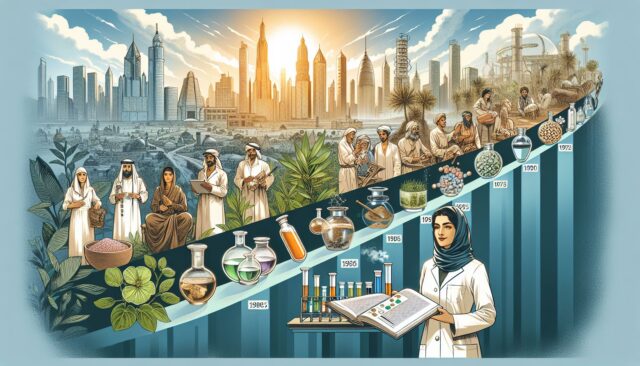
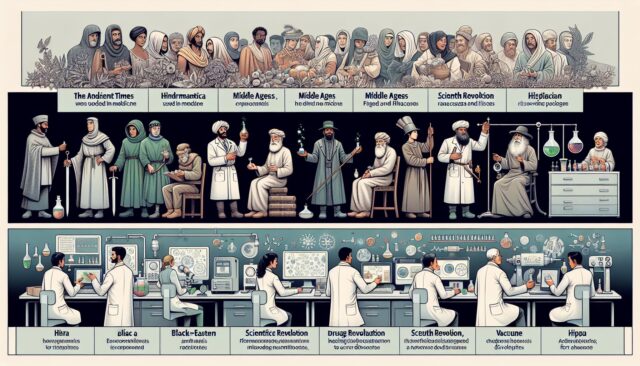
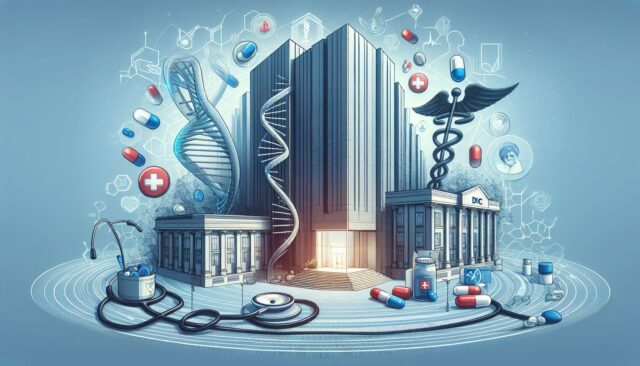
The pharmaceutical industry plays a crucial role in the development, production, and distribution of medicine. It is a sector that is constantly evolving and growing, with a strong focus on research and innovation to improve healthcare outcomes.

In the world of medicine, pharmaceutical companies are responsible for discovering, developing, and producing a wide range of medications that are used to treat various diseases and conditions. From antibiotics to chemotherapy drugs, from vaccines to painkillers, the pharmaceutical industry provides the essential tools that healthcare professionals need to help patients recover and improve their quality of life.

One of the key advantages of the pharmaceutical industry is its ability to invest heavily in research and development. This investment allows companies to discover new drugs, improve existing ones, and find innovative solutions to complex medical problems. Without the financial resources and expertise of pharmaceutical companies, many life-saving medications would never have been developed.

Another important contribution of the pharmaceutical industry is ensuring the safety and efficacy of medications. Before a new drug can be brought to market, it must undergo rigorous testing to demonstrate its safety and effectiveness. Pharmaceutical companies work closely with regulatory agencies to ensure that their products meet the highest standards of quality and are safe for patient use.

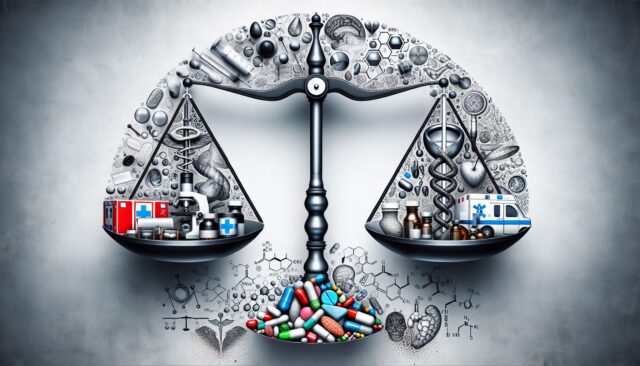
However, the pharmaceutical industry is not without its challenges. Critics often point to issues such as high drug prices, concerns about overprescribing, and the ethical implications of marketing practices. These are valid concerns that need to be addressed to ensure that the pharmaceutical industry operates in the best interest of patients and the healthcare system as a whole.

In conclusion, the pharmaceutical industry plays a vital role in the field of medicine. Its contributions to research, development, and production of medications have transformed healthcare and saved countless lives. While there are challenges that need to be addressed, the pharmaceutical industry remains a driving force behind the advancement of medicine and the improvement of patient care.

As we look to the future, it is critical that the pharmaceutical industry continues to prioritize patient safety, transparency, and ethical practices. By doing so, we can ensure that medications continue to be developed and distributed in a responsible and beneficial manner for all.

The Pharmaceutical Industry: Advancements in Medicine

The pharmaceutical industry plays a crucial role in the development, production, and distribution of medicine that saves lives and improves quality of life for millions of people around the world. With advancements in technology and research, the industry continues to push boundaries and innovate in the field of medicine.

One of the key aspects of the pharmaceutical industry is drug discovery and development. This process involves researching and testing new compounds to find potential treatments for various diseases and conditions. Through clinical trials and rigorous testing, pharmaceutical companies are able to bring new drugs to market that can help patients manage their health and achieve better outcomes.

In addition to drug development, the pharmaceutical industry also plays a role in manufacturing and distributing medicine to healthcare providers and patients. This ensures that people have access to the medications they need to treat their ailments and improve their well-being. Furthermore, pharmaceutical companies work closely with regulatory agencies to ensure that medications are safe, effective, and meet quality standards.

Recent advancements in technology have also allowed for more personalized medicine, where treatments can be tailored to individual patients based on their genetic makeup or specific health needs. This approach to medicine has the potential to revolutionize healthcare and improve outcomes for patients with complex conditions.

Despite these advancements, the pharmaceutical industry also faces challenges, such as pricing pressures, competition, and regulatory hurdles. However, companies continue to invest in research and development to bring new and innovative treatments to market.

In conclusion, the pharmaceutical industry plays a critical role in advancing medicine and improving health outcomes for people around the world. Through drug discovery, development, manufacturing, and distribution, pharmaceutical companies help patients manage their health and improve their quality of life. As technology continues to evolve, the industry will continue to innovate and develop new treatments that address the diverse medical needs of populations globally.

The Impact of the Pharmaceutical Industry on Medicine

The pharmaceutical industry plays a critical role in the development and production of medicine. From research and development to manufacturing and distribution, pharmaceutical companies are responsible for bringing life-saving drugs to market. This industry is constantly evolving, with advancements in technology and medical knowledge driving innovation and progress in the field of medicine.

One of the key functions of the pharmaceutical industry is drug discovery and development. This involves identifying new potential treatments for various diseases and conditions, conducting clinical trials to evaluate the safety and efficacy of these treatments, and seeking regulatory approval from agencies like the FDA before a drug can be brought to market. This process can take many years and cost billions of dollars, but it is essential for ensuring that new medications are safe and effective for patients.

Once a drug has been approved, pharmaceutical companies are responsible for manufacturing and distributing the medication to healthcare providers and patients. This involves coordinating with suppliers to source raw materials, operating production facilities to manufacture the drug, and working with wholesalers and pharmacies to ensure that the medication is available to those who need it. The pharmaceutical industry plays a crucial role in ensuring that patients have access to the medications they need to manage their health conditions and improve their quality of life.

In addition to developing and manufacturing medications, the pharmaceutical industry also plays a role in educating healthcare providers and patients about the proper use of these drugs. This includes providing information about dosing, administration, potential side effects, and drug interactions to ensure that patients receive the maximum benefit from their medications while minimizing the risk of adverse events. Pharmaceutical companies also invest in research and development to continue improving existing medications and developing new treatments for unmet medical needs.

Despite the many benefits that the pharmaceutical industry brings to medicine, there are also challenges and controversies associated with this sector. Critics argue that pharmaceutical companies prioritize profits over public health, leading to high drug prices and limited access to medications for some patients. There are also concerns about the influence of pharmaceutical companies on healthcare providers and regulators, raising questions about conflicts of interest and the integrity of the drug approval process.

In conclusion, the pharmaceutical industry plays a vital role in advancing medicine and improving the health and well-being of patients around the world. While there are challenges and controversies associated with this industry, it is clear that pharmaceutical companies are essential partners in the development, production, and distribution of medications that save lives and improve outcomes for millions of people. Ultimately, the pharmaceutical industry and medicine are closely intertwined, with each relying on the other to drive innovation and progress in healthcare.

The Evolution of the Pharmaceutical Industry: A Look at Medicine

The pharmaceutical industry plays a crucial role in our society, with its primary focus being on the development, production, and distribution of medications that save lives and improve health outcomes. Over the years, the industry has evolved significantly, and it continues to innovate and adapt to meet the ever-changing needs of patients around the world.

One of the key aspects of the pharmaceutical industry is the development of new drugs and treatments. This process involves extensive research and development, clinical trials, and regulatory approval before a new medication can be brought to market. Advances in technology and scientific knowledge have accelerated the pace of drug development, leading to the discovery of groundbreaking treatments for various diseases and conditions.

In recent years, there has been a growing focus on personalized medicine within the pharmaceutical industry. This approach involves tailoring treatments to individual patients based on their genetic makeup, lifestyle factors, and other personal characteristics. By taking a more personalized approach to medicine, pharmaceutical companies can deliver more effective and targeted treatments, ultimately improving outcomes for patients.

Another significant trend in the pharmaceutical industry is the increasing use of digital health technologies. These technologies, such as telemedicine, wearable devices, and mobile apps, have the potential to revolutionize healthcare delivery and improve patient care. Pharmaceutical companies are embracing these technologies to enhance patient engagement, improve medication adherence, and gather real-time data on treatment outcomes.

Despite the many advancements in the pharmaceutical industry, there are also challenges that must be addressed. One of the most pressing issues facing the industry is the rising cost of medications. High drug prices can limit access to essential treatments for patients, leading to disparities in healthcare outcomes. Pharmaceutical companies are under pressure to find a balance between recouping their investment in research and development and making medications affordable for patients.

In conclusion, the pharmaceutical industry plays a critical role in advancing medicine and improving health outcomes for patients. With ongoing innovation, collaboration, and a focus on patient-centered care, the industry continues to drive progress in healthcare. As we look to the future, it is essential for stakeholders to work together to address challenges and build a more sustainable, equitable healthcare system for all.


Would you like me to continue writing more?

The Impact of the Pharmaceutical Industry on Medicine

The pharmaceutical industry plays a crucial role in the field of medicine, as it is responsible for the research, development, and production of life-saving drugs and treatments. From antibiotics and painkillers to vaccines and cancer therapies, pharmaceutical companies are constantly working to bring new and innovative medications to market.

One of the key benefits of the pharmaceutical industry is its ability to improve the overall health and well-being of populations around the world. Through the development of new drugs, pharmaceutical companies have contributed to the eradication of diseases such as smallpox and polio, as well as the management of chronic conditions like diabetes and hypertension. These advancements have not only saved countless lives but have also improved the quality of life for millions of people.

However, the pharmaceutical industry is not without its challenges and criticisms. One of the main concerns is the high cost of medications, which can make them inaccessible to those who need them most. This has led to debates about the ethics of pharmaceutical pricing and the need for more affordable healthcare options. Additionally, there have been instances of pharmaceutical companies engaging in unethical practices, such as misleading marketing tactics and withholding important safety information.

Despite these issues, the pharmaceutical industry continues to play a vital role in the advancement of medicine. Research and development efforts have led to breakthrough treatments for diseases that were once considered incurable, while ongoing clinical trials hold the promise of even more life-saving medications in the future. Collaboration between pharmaceutical companies, healthcare providers, and regulatory agencies is essential to ensuring that new drugs are safe, effective, and accessible to those who need them.

In conclusion, the pharmaceutical industry has had a profound impact on medicine, revolutionizing the way diseases are treated and managed. While there are challenges that need to be addressed, the contributions of pharmaceutical companies cannot be overlooked. By continuing to prioritize research, development, and ethical practices, the pharmaceutical industry has the potential to further improve the health and well-being of individuals worldwide.

The Impact of the Pharmaceutical Industry on Medicine

The pharmaceutical industry plays a crucial role in the development and distribution of life-saving medications. From research and development to manufacturing and marketing, pharmaceutical companies are at the forefront of medical innovation. In this article, we will explore the impact of the pharmaceutical industry on medicine and the advancements it has brought to the healthcare system.

Introduction

The pharmaceutical industry is responsible for creating and producing drugs that are essential for treating a wide range of medical conditions. These drugs undergo rigorous testing and clinical trials to ensure their safety and efficacy before they are approved for use by regulatory agencies. Without the pharmaceutical industry, many life-saving medications would not be available to patients around the world.

Body

One of the most significant impacts of the pharmaceutical industry on medicine is the development of new treatments and therapies. Through ongoing research and innovation, pharmaceutical companies are constantly working to discover new drugs that can help improve patient outcomes and quality of life. Whether it is a new cancer treatment, a breakthrough in infectious disease management, or a medication that can help manage chronic conditions, the pharmaceutical industry plays a vital role in advancing medical science.

In addition to developing new drugs, pharmaceutical companies also play a key role in manufacturing and distributing medications to healthcare providers and patients. This ensures that patients have access to the medications they need to manage their health conditions effectively. Without the infrastructure and resources provided by the pharmaceutical industry, the healthcare system would not be able to function as efficiently as it does today.

Furthermore, the pharmaceutical industry is also responsible for educating healthcare professionals and patients about the proper use of medications. This includes providing information about drug interactions, side effects, and dosing instructions to ensure that patients receive the maximum benefit from their treatments while minimizing the risk of adverse effects. By promoting medication adherence and proper use, the pharmaceutical industry helps to improve patient outcomes and reduce healthcare costs in the long run.

Conclusion

In conclusion, the pharmaceutical industry plays a vital role in advancing medicine and improving patient care. Through research, development, manufacturing, and education, pharmaceutical companies contribute significantly to the healthcare system and help to save countless lives around the world. As we continue to rely on medications to manage a wide range of health conditions, the importance of the pharmaceutical industry in medicine cannot be overstated.

The Importance of the Pharmaceutical Industry in Medicine

The pharmaceutical industry plays a crucial role in the field of medicine, as it is responsible for the development, production, and distribution of life-saving drugs and treatments. Without the pharmaceutical industry, many diseases and illnesses would go untreated, leading to a decrease in overall public health.

One of the key aspects of the pharmaceutical industry is research and development. Pharmaceutical companies invest billions of dollars into researching new drugs and treatments, with the goal of finding cures for various diseases and improving the quality of life for patients. This research is essential for advancing medical science and pushing the boundaries of what is possible in terms of treatment options.

In addition to research and development, the pharmaceutical industry also plays a critical role in the production and distribution of medications. Pharmaceutical companies work tirelessly to ensure that medications are manufactured to the highest standards of quality and safety. They also work with healthcare providers and pharmacies to ensure that medications are available to patients when they need them.

The pharmaceutical industry also plays a key role in regulatory affairs, ensuring that medications meet rigorous standards set by regulatory authorities. This includes ensuring that medications are safe and effective for use in patients, as well as monitoring and reporting any potential side effects or adverse reactions.

Overall, the pharmaceutical industry is a vital component of the healthcare system, as it provides the medications and treatments necessary to manage and cure a wide range of diseases and conditions. Without the pharmaceutical industry, many of the medical advancements that we take for granted today would not be possible.

In conclusion, the pharmaceutical industry is an essential part of the healthcare system, as it is responsible for the development, production, and distribution of life-saving medications. The industry plays a crucial role in advancing medical science, providing treatment options for patients, and ensuring that medications meet rigorous standards of safety and quality. Without the pharmaceutical industry, the field of medicine would be significantly limited in its ability to treat and cure diseases.

The Evolution of the Pharmaceutical Industry: Advancements in Medicine

The pharmaceutical industry plays a crucial role in healthcare by researching, developing, and producing medicine to treat various illnesses and improve quality of life. Over the years, this industry has evolved significantly, leading to groundbreaking advancements in medicine.

In the past, pharmaceutical companies focused primarily on developing medications to alleviate symptoms of common illnesses. However, with advancements in technology and scientific research, the industry has shifted its focus towards developing targeted therapies and personalized medicine. This shift has allowed for more precise treatment options tailored to individual patients, leading to improved outcomes and fewer side effects.

One of the most significant advancements in medicine that the pharmaceutical industry has contributed to is the development of biologics. Biologics are medications made from living organisms and are used to treat a range of conditions such as autoimmune disorders, cancer, and infectious diseases. These drugs have revolutionized treatment options for patients by providing more effective and targeted therapies.

Additionally, the pharmaceutical industry has made significant progress in the field of precision medicine. This approach involves using a patient’s genetic makeup, lifestyle factors, and environmental influences to tailor treatment plans to their specific needs. By utilizing precision medicine, healthcare providers can offer more personalized and effective treatments, leading to better outcomes for patients.

Furthermore, the pharmaceutical industry has also made strides in developing vaccines to prevent diseases such as COVID-19, influenza, and measles. Vaccines play a crucial role in public health by helping to prevent the spread of infectious diseases and protect populations from outbreaks. The rapid development of COVID-19 vaccines in particular has demonstrated the industry’s ability to respond quickly to global health crises.

In conclusion, the pharmaceutical industry continues to drive innovation and advancements in medicine, leading to improved treatment options and outcomes for patients. From biologics to precision medicine to vaccines, the industry plays a vital role in improving healthcare worldwide. As technology continues to advance, we can expect even more groundbreaking discoveries and developments in the field of medicine thanks to the efforts of pharmaceutical companies.

The Role of the Pharmaceutical Industry in Advancing Medicine

The pharmaceutical industry plays a crucial role in the development and production of life-saving medications that improve the health and well-being of millions of people around the world. From researching and developing new drugs to manufacturing and distributing them, pharmaceutical companies are at the forefront of innovation in medicine.

One of the primary functions of the pharmaceutical industry is to conduct research and development to discover new drugs and treatments for a wide range of medical conditions. This research is essential for advancing our understanding of diseases and developing more effective and targeted therapies. Pharmaceutical companies invest billions of dollars each year in research and development, often taking many years and significant resources to bring a new drug to market.

In addition to research and development, pharmaceutical companies also play a critical role in manufacturing and quality control to ensure that medications are safe, effective, and meet regulatory standards. This involves strict adherence to government regulations and guidelines to ensure that medications are produced in a consistent and reliable manner. Quality control measures also help to prevent contamination and ensure that medications are safe for consumption.

Moreover, pharmaceutical companies are responsible for the distribution and marketing of medications, ensuring that they reach patients in need in a timely and efficient manner. This involves working closely with healthcare providers, pharmacies, and insurance companies to make medications accessible and affordable for patients. Pharmaceutical companies also play a role in educating healthcare professionals and patients about the proper use of medications and potential side effects.

Overall, the pharmaceutical industry plays a vital role in advancing medicine by researching, developing, manufacturing, and distributing life-saving medications to improve the health and well-being of people around the world. Without the contributions of pharmaceutical companies, many of the breakthroughs in medicine that we take for granted today would not have been possible.

In conclusion, the pharmaceutical industry is a key player in advancing medicine and improving the health and quality of life for millions of people worldwide. Through research, development, manufacturing, and distribution of medications, pharmaceutical companies are at the forefront of innovation in medicine. As we continue to face new health challenges and seek new treatments, the pharmaceutical industry will play a crucial role in shaping the future of medicine.

The Intricacies of the Pharmaceutical Industry and Medicine

The pharmaceutical industry plays a vital role in society by developing, producing, and distributing life-saving medications. From common over-the-counter remedies to breakthrough treatments for complex diseases, pharmaceutical companies are constantly pushing the boundaries of medical research to improve the health and well-being of millions of people worldwide.

In recent years, the pharmaceutical industry has faced increased scrutiny regarding drug pricing, accessibility, and ethical practices. While some medications have become more affordable and readily available, others have seen steep price increases, putting a strain on healthcare systems and patients alike. This has led to calls for greater transparency and accountability within the industry to ensure that medications are priced fairly and are accessible to those who need them most.

Moreover, the development and testing of new medications require extensive research, clinical trials, and regulatory approvals, which can be a lengthy and expensive process. Pharmaceutical companies invest billions of dollars each year in research and development, often with no guarantee of success. This high level of risk and uncertainty can result in higher prices for medications to recoup the costs of failed experiments and lost investments.

Despite these challenges, the pharmaceutical industry continues to innovate and bring new treatments to market that have the potential to save lives and improve quality of life for patients. Advances in technology, such as personalized medicine and gene therapy, are revolutionizing the way diseases are diagnosed and treated, offering hope to those with rare and complex conditions.

In addition to developing new medications, pharmaceutical companies also play a critical role in the manufacturing and distribution of existing drugs, ensuring that they meet strict quality and safety standards. This involves coordinating with regulatory agencies, healthcare providers, and pharmacies to deliver medications in a timely and efficient manner.

Ultimately, the pharmaceutical industry is a complex and multifaceted sector that plays a crucial role in the healthcare ecosystem. While there are certainly challenges and controversies that must be addressed, it is important to recognize the significant contributions that pharmaceutical companies make to society in terms of medical innovation, research, and patient care.

In conclusion, the pharmaceutical industry is a vital component of the healthcare system, driving innovation and progress in the development of life-saving medications. By balancing the need for affordability, accessibility, and ethical practices, pharmaceutical companies can continue to make a positive impact on the health and well-being of individuals around the world.