The Pharmaceutical Industry and Medicine: Advancements and Controversies

The pharmaceutical industry plays a crucial role in society by developing, producing, and distributing medications that save lives and improve quality of life. From antibiotics that treat infections to vaccines that prevent diseases, the pharmaceutical industry has made significant advancements in medicine. However, with these advancements come controversies and ethical considerations that shape the industry’s reputation.

In recent years, the pharmaceutical industry has faced criticism for high drug prices and aggressive marketing tactics. Some medications are priced out of reach for many patients, leading to debates over access to affordable healthcare. Additionally, the industry has been criticized for prioritizing profits over public health, leading to concerns about transparency and accountability in drug development and marketing practices.

Despite these controversies, the pharmaceutical industry continues to make groundbreaking advancements in medicine. From innovative cancer treatments to new therapies for rare diseases, pharmaceutical companies are constantly researching and developing new medications that have the potential to improve and save lives. The industry also plays a key role in responding to public health crises, such as the COVID-19 pandemic, by developing vaccines and treatments to combat the spread of infectious diseases.

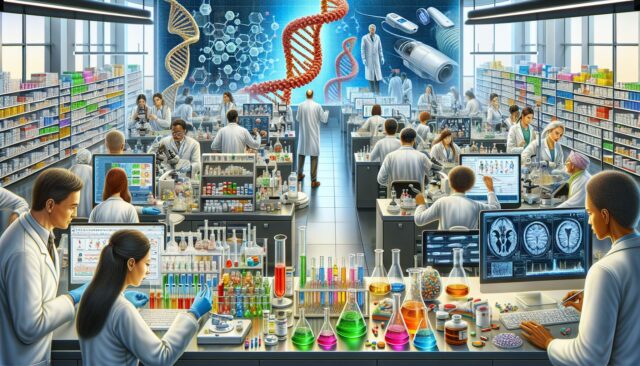
In addition to developing new medications, the pharmaceutical industry also invests heavily in research and development to better understand diseases and improve patient outcomes. Clinical trials, conducted by pharmaceutical companies, play a vital role in testing the safety and efficacy of new medications before they are approved for use. This rigorous process ensures that medications are safe and effective for patients.

In conclusion, the pharmaceutical industry plays a vital role in advancing medicine and improving public health. While controversies and ethical considerations exist within the industry, the development of new medications and treatments has the potential to save lives and improve quality of life for millions of people around the world. As the industry continues to evolve, it is important for stakeholders to work together to ensure that medications are accessible, safe, and effective for all patients.
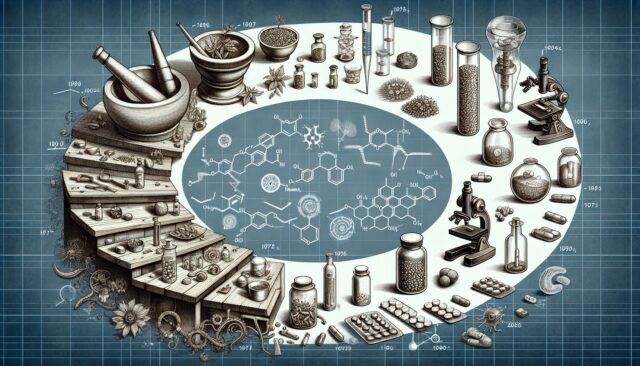
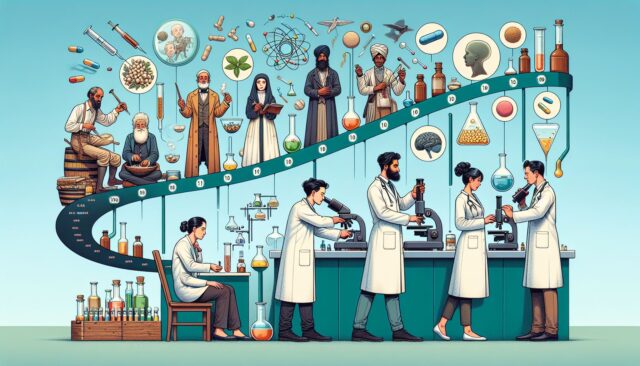
The Evolution of the Pharmaceutical Industry: Advancements in Medicine

The pharmaceutical industry has come a long way in the past century, with significant advancements in medicine that have revolutionized the way we treat diseases and improve health outcomes. From the discovery of penicillin in the 1920s to the development of groundbreaking biologic therapies in recent years, the pharmaceutical industry has played a critical role in improving the quality of life for millions of people worldwide.

One of the key drivers of progress in the pharmaceutical industry has been the relentless pursuit of innovation. Through research and development, pharmaceutical companies have been able to identify new drug targets, develop more effective therapies, and bring life-saving treatments to market. This dedication to innovation has led to the development of medications that can effectively treat a wide range of diseases, from cancer and diabetes to heart disease and infectious diseases.

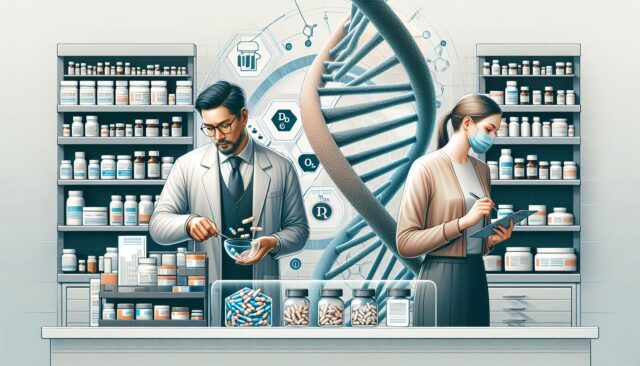
In addition to developing new treatments, the pharmaceutical industry has also made significant strides in improving the safety and efficacy of existing medicines. Advances in drug delivery systems, formulation technologies, and pharmacogenomics have made it possible to tailor treatments to individual patients, reducing the risk of adverse reactions and improving outcomes. This personalized approach to medicine has the potential to revolutionize healthcare by providing patients with better, more targeted therapies.

Despite these advancements, the pharmaceutical industry still faces challenges in bringing new medications to market. The drug development process can be lengthy and costly, with many promising treatments failing to make it past clinical trials. Regulatory hurdles, market uncertainties, and pricing pressures also pose challenges for pharmaceutical companies, making it difficult to recoup the substantial investments required to bring new drugs to market.

However, despite these challenges, the pharmaceutical industry remains committed to advancing medicine and improving health outcomes for patients. By investing in research and development, collaborating with academic institutions and government agencies, and leveraging cutting-edge technologies, pharmaceutical companies continue to drive innovation and bring new treatments to those in need.

In conclusion, the pharmaceutical industry has made remarkable progress in advancing medicine and improving health outcomes. Through a relentless commitment to innovation, the development of new treatments, and a personalized approach to medicine, the pharmaceutical industry has revolutionized the way we treat diseases and improve patient care. As we look to the future, it is clear that the pharmaceutical industry will continue to play a critical role in shaping the future of healthcare and improving the quality of life for people around the world.

The Evolution of the Pharmaceutical Industry: Advancements in Medicine

The pharmaceutical industry has played a crucial role in revolutionizing healthcare and improving the quality of life for people around the world. With constant advancements in technology and research, we have seen significant developments in medicine that have led to the treatment and prevention of various diseases.

One of the key areas where the pharmaceutical industry has made significant progress is in the development of new drugs and therapies. Pharmaceutical companies invest billions of dollars in research and development each year to discover new compounds and study their efficacy in treating different conditions. This has led to the discovery of life-saving medications for diseases such as cancer, HIV/AIDS, and diabetes.

Another important aspect of the pharmaceutical industry is the regulation and approval of new drugs. Before a medication can be released to the market, it must undergo rigorous testing to ensure its safety and effectiveness. Regulatory bodies such as the Food and Drug Administration (FDA) in the United States play a crucial role in evaluating new drugs and determining whether they meet the required standards for approval.

In recent years, we have also seen a shift towards personalized medicine in the pharmaceutical industry. This approach involves tailoring treatment plans to individual patients based on their genetic makeup, lifestyle, and other factors. By taking a more personalized approach, healthcare providers can offer more effective and targeted treatments, leading to better outcomes for patients.

The pharmaceutical industry has also been at the forefront of responding to global health crises, such as the recent COVID-19 pandemic. Pharmaceutical companies worked tirelessly to develop vaccines and treatments for the virus, leading to a rapid rollout of vaccination programs around the world. This swift response has been essential in controlling the spread of the virus and saving countless lives.

Despite the many advancements in medicine brought about by the pharmaceutical industry, there are also challenges that need to be addressed. The high cost of medications, access to healthcare in developing countries, and the rise of antibiotic resistance are just a few of the issues facing the industry today.

In conclusion, the pharmaceutical industry has made remarkable strides in advancing medicine and improving healthcare outcomes for people worldwide. Through ongoing research, innovation, and collaboration, we can continue to address the challenges facing healthcare and work towards a healthier future for all.

Remember to always consult with a healthcare professional before making any decisions about your health and medication regimen.

The Impact of the Pharmaceutical Industry on Medicine

The pharmaceutical industry plays a crucial role in the field of medicine, as it is responsible for developing, testing, manufacturing, and distributing medications that improve the health and well-being of individuals around the world. With advancements in technology and research, the pharmaceutical industry has been able to create innovative treatments for various diseases and conditions, ultimately saving countless lives.

In recent years, the pharmaceutical industry has faced criticism for issues such as high drug prices, unethical marketing practices, and conflicts of interest. However, it is important to recognize the positive contributions that the industry has made in advancing medical science and improving patient outcomes.

One of the key benefits of the pharmaceutical industry is its ability to invest in research and development. The process of developing a new medication can be time-consuming and costly, often taking years of research and clinical trials before a drug is approved for use. Pharmaceutical companies invest billions of dollars each year in R&D, leading to the discovery of new treatments for diseases such as cancer, diabetes, and heart disease.

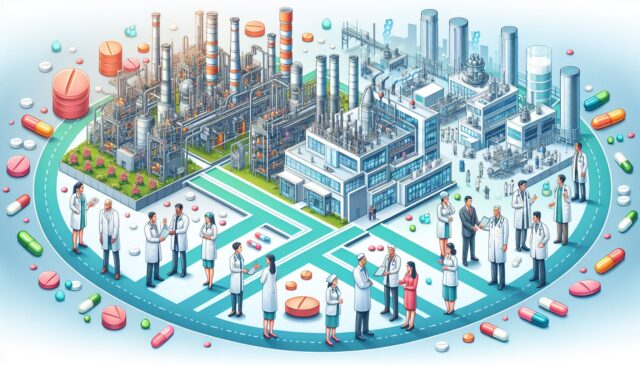
Additionally, the pharmaceutical industry plays a critical role in manufacturing and distributing medications to patients. With a global supply chain and widespread distribution networks, pharmaceutical companies are able to ensure that patients have access to the medications they need, when they need them. This is especially important in times of crisis, such as the COVID-19 pandemic, when the industry worked tirelessly to develop and distribute vaccines to combat the spread of the virus.

Despite the many advancements made by the pharmaceutical industry, there are still challenges that need to be addressed. Drug affordability remains a major concern for many individuals, as high prices can prevent people from accessing the medications they need. Transparency and accountability are also issues that the industry must continue to work on, to ensure that medications are developed and marketed ethically and responsibly.

In conclusion, the pharmaceutical industry plays a vital role in the field of medicine, driving innovation and improving patient outcomes. While there are challenges that need to be addressed, it is important to recognize the positive impact that the industry has had on healthcare. By working together to address issues such as drug affordability and transparency, the pharmaceutical industry can continue to make a meaningful difference in the lives of patients around the world.

The Pharmaceutical Industry and Medicine

The pharmaceutical industry plays a vital role in the healthcare sector by developing, producing, and distributing essential medications to treat a wide range of medical conditions. From antibiotics to vaccines, the pharmaceutical industry is constantly working to provide innovative solutions to improve patient outcomes and quality of life.

In recent years, the pharmaceutical industry has faced scrutiny for issues such as high drug prices, patent expirations, and regulatory challenges. Despite these challenges, the industry continues to innovate and develop new treatments to address unmet medical needs and improve public health worldwide.

One of the key drivers of innovation in the pharmaceutical industry is research and development (R&D). Pharmaceutical companies invest billions of dollars annually in R&D to discover new drugs, improve existing medications, and bring lifesaving treatments to market. This investment in R&D not only leads to medical advancements but also drives economic growth and job creation.

The process of developing a new medication can take many years and involves rigorous testing to ensure safety and efficacy. Regulatory agencies such as the Food and Drug Administration (FDA) in the United States play a critical role in overseeing the approval and monitoring of pharmaceutical products to protect public health.

In addition to developing new medications, the pharmaceutical industry also plays a key role in promoting public health through initiatives such as vaccination campaigns, disease awareness programs, and patient education. Pharmaceutical companies work closely with healthcare providers, government agencies, and patient advocacy groups to improve access to healthcare services and promote healthy behaviors.

The pharmaceutical industry is a complex and highly regulated sector that faces numerous challenges, including increasing competition, regulatory compliance, and ethical considerations. However, through collaboration, innovation, and a commitment to patient care, the industry continues to make significant contributions to global health.

In conclusion, the pharmaceutical industry plays a crucial role in advancing medicine and improving public health. By investing in research and development, promoting patient education, and collaborating with healthcare stakeholders, the industry is able to develop innovative treatments and therapies that save lives and improve quality of life. While challenges exist, the pharmaceutical industry remains dedicated to its mission of improving health outcomes for patients worldwide.

The Pharmaceutical Industry and Medicine: A Vital Partnership

The pharmaceutical industry plays a crucial role in advancing healthcare and improving patient outcomes through the development and production of medications. This partnership between the pharmaceutical industry and medicine is essential for the well-being of society as a whole.

In the modern world, pharmaceutical companies invest billions of dollars into research and development to bring new and innovative drugs to the market. These medications are used to treat a wide range of diseases and conditions, from common ailments like headaches and allergies to complex and life-threatening illnesses such as cancer and diabetes.

One of the key benefits of the pharmaceutical industry is its ability to create treatments that target specific diseases and conditions. This precision medicine approach allows for more personalized and effective treatment options, resulting in better outcomes for patients. For example, the development of targeted therapies for cancer has revolutionized oncology and significantly improved survival rates for many types of cancer.

In addition to developing new medications, the pharmaceutical industry also plays a critical role in ensuring the safety and efficacy of these drugs. Before a new medication can be approved for use by regulatory agencies, it must undergo rigorous testing to demonstrate its safety and effectiveness. This process helps to protect patients from potentially harmful or ineffective treatments and ensures that healthcare providers have access to reliable and evidence-based therapies.

Furthermore, the pharmaceutical industry contributes to the advancement of medical knowledge through research and collaboration with healthcare professionals and academic institutions. By working together, pharmaceutical companies and healthcare providers can develop a deeper understanding of disease mechanisms, identify new treatment targets, and improve patient care.

In conclusion, the partnership between the pharmaceutical industry and medicine is essential for the advancement of healthcare and the improvement of patient outcomes. Through research and development, the pharmaceutical industry creates innovative treatments that target specific diseases and conditions, leading to better outcomes for patients. By ensuring the safety and efficacy of medications and collaborating with healthcare professionals, the industry plays a crucial role in advancing medical knowledge and improving patient care. It is this partnership that continues to drive progress in healthcare and ultimately benefits society as a whole.

The Pharmaceutical Industry: Advancements in Medicine

The pharmaceutical industry plays a vital role in our society by developing and providing medicine that helps treat and cure various illnesses and diseases. Over the years, advancements in medical research and technology have led to the creation of innovative drugs that have significantly improved the quality of life for millions of people worldwide.

In the past, the discovery and development of new drugs were slow and costly processes, often taking years to bring a medication to market. However, with the evolution of cutting-edge technologies and scientific breakthroughs, the pharmaceutical industry has been able to expedite the drug development process, resulting in the quicker release of medications that are more effective and safer for patients.

One of the key areas where the pharmaceutical industry has made significant progress is in the field of personalized medicine. Personalized medicine involves tailoring medical treatment to the individual characteristics of each patient, such as their genetic makeup, lifestyle, and environment. By analyzing a patient’s specific genetic markers, doctors can prescribe medications that are more likely to be effective and produce fewer side effects, leading to better treatment outcomes.

Another area of advancement in the pharmaceutical industry is the development of biologic medicines. Biologic drugs are derived from living cells and are used to treat a range of conditions such as cancer, autoimmune disorders, and chronic diseases. These medications are highly specific and targeted, making them more effective in treating complex conditions that traditional drugs may not be able to address.

Furthermore, the pharmaceutical industry has also made strides in the development of vaccines, with breakthroughs such as the COVID-19 vaccine demonstrating the industry’s ability to respond quickly to global health crises. Vaccines have played a crucial role in preventing and eradicating infectious diseases, saving countless lives and improving public health around the world.

In conclusion, the pharmaceutical industry continues to drive innovation and advancements in medicine, leading to the development of life-saving drugs and treatments that benefit millions of people. As technology and scientific knowledge advance, we can expect even more breakthroughs in the future that will revolutionize the way we prevent, diagnose, and treat diseases. It is important to support and invest in the pharmaceutical industry to ensure that these advancements continue to improve healthcare for everyone.


In this blog post, we have highlighted the significant advancements made by the pharmaceutical industry in the field of medicine. Through personalized medicine, biologic drugs, and vaccines, the industry has transformed the way we approach healthcare and treat various illnesses. By supporting continued research and development in this industry, we can look forward to a future where more effective and targeted treatments are available to improve the health and well-being of individuals worldwide.

The Pharmaceutical Industry: A Vital Component of Healthcare

The pharmaceutical industry plays a crucial role in the field of healthcare, as it is responsible for the development, production, and distribution of medicines that help to treat and cure various medical conditions. This industry is constantly evolving and advancing, with new drugs and treatments being developed to improve the quality of healthcare for individuals around the world.

One of the primary functions of the pharmaceutical industry is to conduct research and development to discover new drugs and treatments for a wide range of illnesses. This process involves extensive testing to ensure the safety and efficacy of the medications being developed. Once a new drug has been approved, it can then be manufactured and distributed to patients in need.

In addition to developing new drugs, the pharmaceutical industry also plays a critical role in manufacturing and distributing existing medications. This ensures that patients have access to the medications they need to manage their health conditions and improve their quality of life. Pharmaceutical companies work with healthcare providers and regulatory agencies to ensure that medications are produced and distributed in a safe and efficient manner.

The pharmaceutical industry is highly regulated, with strict guidelines in place to ensure the safety and efficacy of medications. These regulations help to protect patients and ensure that the medications they are receiving are of the highest quality. Pharmaceutical companies must adhere to these regulations to maintain their reputation and credibility within the industry.

Despite the many benefits of the pharmaceutical industry, there are also challenges that come with it. The high cost of developing new drugs and obtaining regulatory approval can be a barrier for some companies, leading to limited innovation in certain areas. Additionally, there are concerns about the pricing of medications, with some patients struggling to afford the medications they need to manage their health conditions.

Overall, the pharmaceutical industry plays a vital role in the field of healthcare, providing essential medications to patients around the world. Through research and development, manufacturing, and distribution, this industry is constantly working to improve the quality of healthcare and create new treatments for a wide range of medical conditions. While there are challenges that come with the pharmaceutical industry, its importance in the field of healthcare cannot be understated.

The Impact of the Pharmaceutical Industry on Medicine

The pharmaceutical industry plays a crucial role in the development and production of medicines that are essential for maintaining and improving human health. Through research, innovation, and collaboration, pharmaceutical companies work tirelessly to discover and create new treatments for a wide range of illnesses and diseases.

One of the key aspects of the pharmaceutical industry is its ability to conduct extensive clinical trials to ensure the safety and efficacy of new medications. These trials are essential in determining whether a new drug is suitable for widespread use and whether it has any potential side effects. Without these trials, it would be impossible to guarantee the quality and effectiveness of the medications that we rely on to treat various health conditions.

In addition to developing new drugs, the pharmaceutical industry also plays a crucial role in manufacturing and distribution. Pharmaceutical companies invest heavily in state-of-the-art facilities and equipment to ensure that medications are produced to the highest standards. They also work closely with regulatory bodies to ensure that medications are distributed safely and efficiently to patients all over the world.

Moreover, the pharmaceutical industry is constantly evolving and adapting to new technological advancements and scientific discoveries. This constant innovation has led to the development of groundbreaking treatments for previously untreatable conditions, such as cancer, HIV/AIDS, and hepatitis C. These advancements have revolutionized the field of medicine and have saved countless lives.

Despite the many benefits that the pharmaceutical industry brings to medicine, it is not without its challenges. One of the main criticisms of the industry is the high cost of prescription medications. Many people around the world struggle to afford the medications they need, leading to issues of accessibility and affordability. Pharmaceutical companies must strike a balance between recouping their research and development costs and ensuring that their medications are accessible to those who need them.

In conclusion, the pharmaceutical industry plays a crucial role in advancing medicine and improving public health. Through research, innovation, and collaboration, pharmaceutical companies continue to develop new medications that save and improve lives. While there are challenges that need to be addressed, the industry’s commitment to improving human health remains unwavering.

#The Pharmaceutical Industry: Advancements in Medicine

The pharmaceutical industry plays a vital role in the healthcare sector, as it is responsible for the research, development, and distribution of medications that help treat various illnesses and diseases. Over the years, there have been significant advancements in medicine, thanks to the innovative work of pharmaceutical companies.

In recent years, the pharmaceutical industry has made notable progress in developing new drugs and treatments for various conditions, such as cancer, diabetes, and cardiovascular diseases. These advancements have improved the quality of life for millions of people around the world and have helped to reduce mortality rates for many diseases.

One of the key drivers of innovation in the pharmaceutical industry is research and development. Pharmaceutical companies invest heavily in R&D to discover new drugs and treatments that can address unmet medical needs. This involves conducting clinical trials, testing the safety and efficacy of new medications, and obtaining regulatory approval from government agencies.

In addition to developing new drugs, the pharmaceutical industry also plays a crucial role in manufacturing and distributing medications to patients. This ensures that people have access to the medicines they need to treat their health conditions effectively. Pharmaceuticals are often produced in state-of-the-art facilities that adhere to strict quality standards to ensure the safety and efficacy of the products.

Despite the significant advancements in medicine brought about by the pharmaceutical industry, there are still challenges that need to be addressed. One major concern is the rising cost of medications, which can make access to essential drugs unaffordable for many patients. This has led to debates around pricing transparency and the need for more affordable healthcare options.

Another challenge facing the pharmaceutical industry is the emergence of antibiotic resistance, which poses a threat to global public health. Antibiotic-resistant bacteria are becoming more prevalent, making it harder to treat infections with traditional antibiotics. The industry is working on developing new antibiotics and alternative therapies to combat this growing problem.

In conclusion, the pharmaceutical industry plays a crucial role in advancing medicine and improving healthcare outcomes for patients. By investing in research and development, manufacturing high-quality medications, and addressing pressing healthcare challenges, pharmaceutical companies are driving innovation in the medical field. Moving forward, it will be essential for the industry to continue to prioritize patient access to affordable and effective medications while navigating evolving healthcare landscapes.