The Power and Potential of the Pharmaceutical Industry

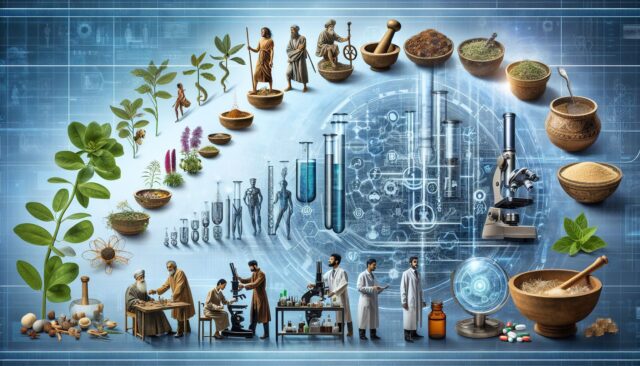
The pharmaceutical industry plays a crucial role in the development and production of life-saving drugs and medications. From researching new treatments to getting them approved by regulatory agencies, pharmaceutical companies are at the forefront of medical innovation.

One of the key functions of the pharmaceutical industry is drug discovery. Researchers work tirelessly to identify and develop new compounds that have the potential to treat various diseases and conditions. Once a promising drug candidate is identified, it goes through a rigorous process of preclinical and clinical trials to ensure its safety and efficacy. This process can take years and requires significant resources, but the end result can be life-changing for patients in need.

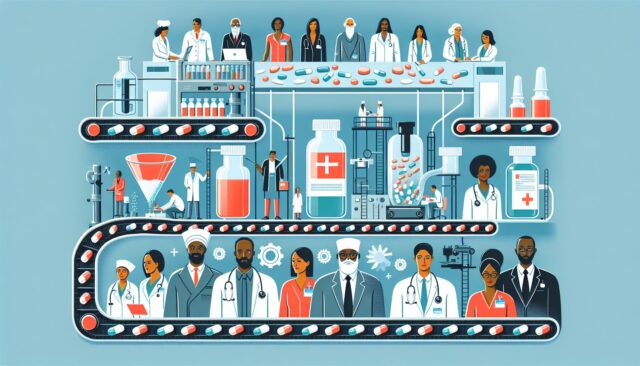
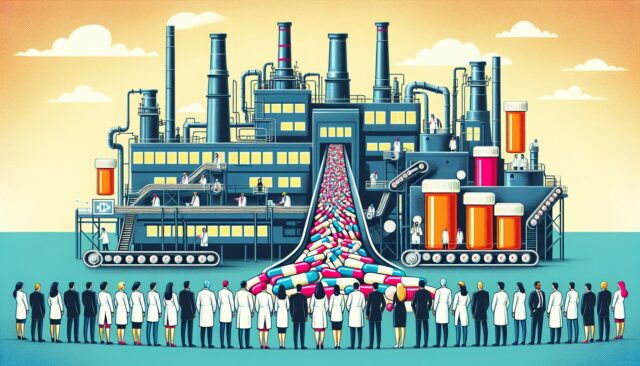
In addition to drug discovery, pharmaceutical companies also play a critical role in manufacturing and distributing medications. They must adhere to strict quality control standards to ensure that the drugs they produce are safe and effective. This includes everything from sourcing raw materials to packaging and labeling the final product. Without the pharmaceutical industry, patients would not have access to the medications they need to manage their health conditions.

Despite the important work that the pharmaceutical industry does, it is not without its challenges. One of the biggest criticisms of the industry is the high cost of prescription drugs. Many people struggle to afford the medications they need, leading to a lack of adherence to treatment plans and worse health outcomes. Pharmaceutical companies often cite the cost of research and development as a reason for high drug prices, but this is a contentious issue that is hotly debated among policymakers and healthcare professionals.

In conclusion, the pharmaceutical industry plays a vital role in advancing medical knowledge and providing patients with life-saving medications. While there are challenges and criticisms that come with the industry, it cannot be denied that without pharmaceutical companies, many of the treatments and cures we take for granted today would not exist. As we continue to grapple with issues of access and affordability, it is important to recognize the power and potential of the pharmaceutical industry in improving public health and saving lives.

The Advancements in the Pharmaceutical Industry and Their Impact on Medicine

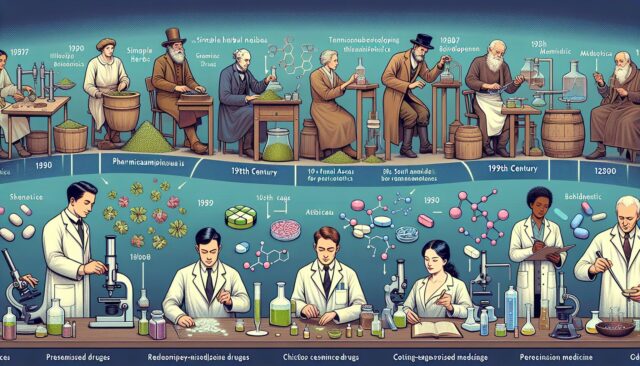
The pharmaceutical industry plays a crucial role in the field of medicine by researching, developing, and producing life-saving drugs and treatments for various illnesses and diseases. Over the years, the pharmaceutical industry has made significant advancements that have revolutionized healthcare, leading to improved patient outcomes and increased life expectancy.

One of the key advancements in the pharmaceutical industry is the development of biologic drugs, which are derived from living organisms and are used to treat complex diseases such as cancer, autoimmune disorders, and genetic diseases. Biologic drugs have shown great promise in providing targeted treatments with fewer side effects compared to traditional drugs, leading to better patient outcomes and quality of life.

Another major advancement in the pharmaceutical industry is personalized medicine, which involves tailoring treatments to individual patients based on their genetic makeup, lifestyle, and other factors. This approach has the potential to improve treatment efficacy and reduce adverse reactions, leading to more personalized and effective healthcare.

Furthermore, the pharmaceutical industry has also made significant progress in the field of digital health, which encompasses the use of technology such as wearables, mobile apps, and telemedicine to enhance patient care and treatment outcomes. Digital health technologies have the potential to improve patient monitoring, adherence to medications, and communication between patients and healthcare providers, leading to better outcomes and reduced healthcare costs.

Despite these advancements, the pharmaceutical industry still faces challenges such as high drug prices, regulatory hurdles, and ethical concerns. The high cost of drugs has been a major issue, leading to barriers in access to healthcare for many patients. Additionally, the industry is facing increasing scrutiny over issues such as drug pricing practices, conflicts of interest, and the influence of pharmaceutical companies on healthcare providers.

In conclusion, the pharmaceutical industry has made significant advancements that have transformed the field of medicine and improved patient outcomes. From the development of biologic drugs to personalized medicine and digital health technologies, these advancements have the potential to revolutionize healthcare and provide more effective and personalized treatments for patients. However, it is important for the industry to address challenges such as high drug prices and ethical concerns in order to ensure that these advancements benefit patients and society as a whole.

The Pharmaceutical Industry and Medicine: A Closer Look

The pharmaceutical industry plays a vital role in society by developing and producing life-saving medications. These medications are used to treat a wide range of diseases and conditions, improving the quality of life for millions of people around the world. However, the pharmaceutical industry is not without its controversies and challenges.

In recent years, the rising cost of prescription medications has been a hot topic of debate. Many people struggle to afford the medications they need, leading to concerns about healthcare accessibility and affordability. Pharmaceutical companies are often criticized for prioritizing profits over patient well-being, leading to accusations of price gouging and unethical business practices.

Despite these criticisms, the pharmaceutical industry remains a key player in the development of new and innovative medicines. Through research and development, companies are constantly working to discover new treatments for a wide range of conditions, from cancer to heart disease to mental health disorders. These advancements have the potential to save countless lives and improve the health and well-being of individuals around the world.

In addition to developing new medications, the pharmaceutical industry also plays a crucial role in ensuring the safety and efficacy of drugs on the market. Drug companies are required to adhere to strict regulations and guidelines set forth by government agencies such as the FDA to ensure that their products are safe and effective for patients. This level of oversight helps to protect the public from harmful or ineffective medications.

While the pharmaceutical industry is not without its challenges, it is clear that it plays a vital role in the healthcare system. Without the innovations and advancements made by pharmaceutical companies, many of the medications we rely on today would not exist. It is important to strike a balance between holding companies accountable for their practices and recognizing the valuable contributions they make to public health.

In conclusion, the pharmaceutical industry and medicine are intricately connected, with advancements in one driving progress in the other. While there are certainly challenges and controversies associated with the industry, it is important to acknowledge the positive impact it has had on healthcare worldwide. By continuing to support innovation and holding companies accountable for their actions, we can ensure that the pharmaceutical industry continues to improve the health and well-being of individuals for years to come.

The Importance of the Pharmaceutical Industry in Advancing Medicine

The pharmaceutical industry plays a crucial role in society by creating and producing life-saving medicines that improve the health and well-being of individuals around the world. From antibiotics to treatments for chronic diseases, pharmaceutical companies are constantly researching and developing new medications to combat various illnesses and conditions.

One of the key aspects of the pharmaceutical industry is drug discovery and development. This process involves identifying potential drug candidates, conducting preclinical studies to assess their safety and efficacy, and then moving on to clinical trials to test the drug in humans. These trials are essential for determining the safety and effectiveness of a medication before it can be approved for use by regulatory authorities.

In addition to developing new drugs, pharmaceutical companies also play a vital role in manufacturing and distributing medications to patients. This involves stringent quality control measures to ensure that drugs meet strict safety and efficacy standards. Pharmaceutical companies also work closely with healthcare professionals to educate them about new medications and provide support to patients who are taking their products.

Furthermore, the pharmaceutical industry is at the forefront of innovation in medicine. Companies are investing heavily in research and development to discover new treatments for diseases that currently have limited options. This includes developing personalized medicine tailored to an individual’s unique genetic makeup, as well as exploring new technologies such as gene editing and cell therapy.

Despite these advancements, the pharmaceutical industry also faces challenges. High development costs, stringent regulatory requirements, and increasing competition are just a few of the obstacles that companies must navigate in order to bring new medications to market. In addition, issues such as drug pricing and access to medications continue to be contentious topics that require ongoing dialogue and collaboration between pharmaceutical companies, healthcare providers, and policymakers.

In conclusion, the pharmaceutical industry plays a crucial role in advancing medicine and improving the health of individuals worldwide. Through research and development, drug manufacturing, and innovation, pharmaceutical companies are at the forefront of discovering new treatments for a wide range of diseases and conditions. While challenges exist, the industry’s commitment to improving public health remains unwavering.

The Pharmaceutical Industry: Advancements in Medicine

The pharmaceutical industry plays a critical role in advancing healthcare by developing and producing lifesaving medications. From antibiotics to vaccines to cutting-edge biologics, pharmaceutical companies are constantly researching and innovating to improve patient outcomes and quality of life.

One of the key drivers behind the success of the pharmaceutical industry is its focus on research and development. Companies invest billions of dollars into discovering new drugs and therapies, with the goal of bringing novel treatments to market. This process involves rigorous testing and clinical trials to ensure the safety and efficacy of medications before they are approved for use by regulatory agencies.

In recent years, we have seen incredible advancements in medicine thanks to the pharmaceutical industry. Breakthrough drugs have been developed for diseases like cancer, HIV, and autoimmune disorders, giving patients hope and improving survival rates. Additionally, the industry has made significant strides in personalized medicine, tailoring treatments to individual patients based on their genetic makeup and other factors.

Despite these achievements, the pharmaceutical industry faces criticism for issues such as high drug prices, access to medications, and potential conflicts of interest. The cost of prescription drugs continues to rise, putting a strain on healthcare systems and creating barriers to treatment for some patients. Additionally, concerns have been raised about the influence of pharmaceutical companies on medical research and prescribing practices.

It is essential for the pharmaceutical industry to address these challenges and work towards greater transparency and affordability in healthcare. By fostering collaboration with policymakers, healthcare providers, and patients, pharmaceutical companies can help ensure that innovative treatments are accessible to those who need them most.

In conclusion, the pharmaceutical industry plays a vital role in advancing medicine and improving healthcare outcomes. Through ongoing research and innovation, companies are developing groundbreaking treatments that have the potential to save lives and improve quality of life for millions of people around the world. While there are challenges to be addressed, the industry’s commitment to innovation and patient care will continue to drive progress in the field of medicine.

The Impact of the Pharmaceutical Industry on Medicine

The pharmaceutical industry plays a crucial role in the development, production, and distribution of medicine. From over-the-counter remedies to life-saving drugs, pharmaceutical companies invest significant time and resources into researching and creating effective treatments for various medical conditions.

Introduction

The pharmaceutical industry encompasses a wide range of activities, including drug discovery, clinical trials, regulatory approval, manufacturing, and marketing. These companies employ talented scientists, researchers, and healthcare professionals who work tirelessly to bring new medications to market. Without the pharmaceutical industry, many life-saving treatments would not be available to patients around the world.

Body

One of the key advantages of the pharmaceutical industry is its ability to develop innovative medications that can improve health outcomes and quality of life for patients. Through rigorous testing and evaluation, pharmaceutical companies are able to identify new drug candidates that have the potential to address unmet medical needs. These medications can target specific diseases or conditions, providing more targeted and effective treatment options for patients.

In addition to developing new drugs, the pharmaceutical industry also plays a critical role in manufacturing and distributing medications to healthcare providers and patients. This ensures that people have access to the medications they need, when they need them. Pharmaceutical companies adhere to strict quality control standards to ensure that their products are safe, effective, and consistent in their formulation.

Furthermore, the pharmaceutical industry invests significant resources into research and development, with the goal of advancing medical science and improving patient outcomes. By funding research projects and collaborating with academic institutions and other partners, pharmaceutical companies contribute to the development of new treatments and therapies that can benefit patients across the globe.

Conclusion

In conclusion, the pharmaceutical industry plays a vital role in the field of medicine by developing, producing, and distributing medications that improve the lives of patients. Through their dedication to research, innovation, and quality, pharmaceutical companies make important contributions to healthcare and help to address some of the most pressing medical challenges of our time. Moving forward, it will be important for the pharmaceutical industry to continue to invest in research and development efforts in order to bring new and innovative treatments to market.

The Impact of the Pharmaceutical Industry on Medicine

The pharmaceutical industry plays a crucial role in the development and production of medicine. It is responsible for researching, testing, and manufacturing drugs that help treat various medical conditions and improve the quality of life for millions of people worldwide.

One of the most significant contributions of the pharmaceutical industry to medicine is the development of new drugs. Through extensive research and clinical trials, pharmaceutical companies are able to identify and create new treatments for diseases and conditions that were previously untreatable. These new drugs can help prolong and improve the lives of patients, leading to better health outcomes and a higher quality of life.

In addition to developing new drugs, the pharmaceutical industry also plays a key role in the production and distribution of medicine. Pharmaceutical companies have the resources and infrastructure to mass-produce drugs, ensuring that they are readily available to patients who need them. This helps to ensure that people have access to the medications they require to manage their health conditions effectively.

Furthermore, the pharmaceutical industry invests heavily in research and development to continue innovating and improving existing treatments. This ongoing research allows companies to continuously refine their drugs, making them more effective and less prone to side effects. It also enables the development of new drugs to address emerging health challenges, such as antibiotic resistance and rare diseases.

However, the pharmaceutical industry is not without its challenges. One of the primary criticisms of the industry is the high cost of medications. The research and development process for new drugs is expensive, and pharmaceutical companies often pass these costs on to consumers through high prices. This can create barriers to access for patients who cannot afford their medications, leading to disparities in healthcare and treatment outcomes.

Despite these challenges, the pharmaceutical industry plays a vital role in advancing medicine and improving public health. Its contributions have led to significant breakthroughs in the treatment of diseases and conditions, helping to save countless lives and improve overall well-being. By balancing the need for innovation with affordable access to medications, the pharmaceutical industry can continue to have a positive impact on medicine and healthcare.

The Pharmaceutical Industry and Its Impact on Medicine

The pharmaceutical industry plays a critical role in the field of medicine, as it is responsible for the development, production, and distribution of drugs and medications that are used to treat and prevent various diseases and medical conditions. Over the years, advancements in the pharmaceutical industry have led to the discovery of new and innovative drugs that have significantly improved the quality of healthcare and saved countless lives.

One of the key aspects of the pharmaceutical industry is research and development (R&D), which involves the process of discovering and developing new drugs. This process can be lengthy and expensive, as it requires extensive testing and clinical trials to ensure the safety and efficacy of the drugs. However, the investments made in R&D have led to groundbreaking discoveries and breakthroughs in medicine, such as the development of antibiotics, vaccines, and cancer treatments.

In addition to developing new drugs, the pharmaceutical industry also plays a crucial role in manufacturing and distributing medications to healthcare providers and patients. This involves ensuring the quality, safety, and effectiveness of the drugs, as well as complying with regulatory requirements set by government agencies. Pharmaceutical companies also work with healthcare professionals to educate them about the proper use and administration of medications, as well as to conduct post-market surveillance to monitor the safety and effectiveness of drugs.

Despite the many advancements and benefits that the pharmaceutical industry has brought to medicine, it is not without its challenges and controversies. One of the main criticisms of the industry is the high cost of prescription drugs, which can make them inaccessible to many patients who cannot afford them. This has led to debates about the pricing practices of pharmaceutical companies and calls for greater transparency and regulation in the industry.

Another issue facing the pharmaceutical industry is the rise of counterfeit drugs and substandard medications, which can pose serious health risks to patients. In response, pharmaceutical companies are increasingly investing in technologies and strategies to combat counterfeit drugs and ensure the integrity of the supply chain.

In conclusion, the pharmaceutical industry plays a vital role in advancing medicine and improving healthcare outcomes for patients worldwide. While there are challenges and controversies that the industry faces, the contributions it has made to the field of medicine cannot be overlooked. Moving forward, it is crucial for pharmaceutical companies to continue investing in research and development, while also prioritizing patient safety and access to affordable medications.

The Increasing Importance of the Pharmaceutical Industry in Modern Healthcare

In today’s world, the pharmaceutical industry plays a crucial role in healthcare by providing life-saving medications and treatments for a wide range of diseases and conditions. From antibiotics to cancer treatments, pharmaceutical companies are constantly researching and developing new drugs to improve the quality of life for patients around the globe.

One of the key aspects of the pharmaceutical industry is drug development. This process entails years of research, testing, and approval by regulatory agencies before a new medication can reach the market. Pharmaceutical companies invest billions of dollars in research and development each year to discover new drugs and improve existing ones. This research is essential for treating diseases and improving patient outcomes.

In addition to drug development, the pharmaceutical industry also plays a vital role in manufacturing and distributing medications to patients. Pharmaceutical companies must adhere to strict regulations and quality control measures to ensure the safety and efficacy of their products. They work closely with healthcare providers and regulatory agencies to ensure that medications are safely prescribed and administered to patients.

Furthermore, the pharmaceutical industry also invests in education and training for healthcare professionals to help them stay up to date on the latest medications and treatments. This education is essential for ensuring that patients receive the best possible care and outcomes.

Overall, the pharmaceutical industry is a critical component of modern healthcare. Without the research, development, and distribution of medications, many diseases would go untreated, and patient outcomes would suffer. Pharmaceutical companies play a vital role in improving the quality of life for millions of people worldwide.

In conclusion, the pharmaceutical industry is an essential part of modern healthcare, providing valuable medications and treatments for a wide range of diseases and conditions. The industry’s commitment to research, development, and patient care is what makes it such a crucial component of healthcare. By continuing to invest in research and development, pharmaceutical companies will continue to improve patient outcomes and advance the field of medicine.

The Evolving Landscape of the Pharmaceutical Industry

The pharmaceutical industry plays a crucial role in the healthcare ecosystem by researching, developing, and manufacturing drugs to treat a wide range of medical conditions. Over the years, advancements in technology and research have led to groundbreaking discoveries in medicine, improving the quality of life for millions of people worldwide.

One of the key drivers of innovation in the pharmaceutical industry is research and development. Pharmaceutical companies invest heavily in research to discover new drugs and treatments for various diseases and conditions. This process involves a combination of scientific expertise, clinical trials, and regulatory approval, which can take years and significant financial resources to bring a new drug to market.

In recent years, there has been a shift towards personalized medicine in the pharmaceutical industry. Personalized medicine involves tailoring treatments to individual patients based on their unique genetic makeup, lifestyle factors, and medical history. This approach allows for more targeted and effective treatments, resulting in better outcomes for patients.

Another trend shaping the pharmaceutical industry is the rise of biotechnology. Biotech companies are using biological processes and cutting-edge technologies to develop innovative therapies for diseases such as cancer, autoimmune disorders, and rare genetic conditions. These advancements have the potential to revolutionize the way we treat and manage complex medical conditions.

Despite the many advancements in the pharmaceutical industry, there are challenges that companies face. One of the most significant challenges is the rising cost of drug development and healthcare. Pharmaceutical companies must balance the need for innovation with affordability and accessibility to ensure that patients have access to life-saving treatments without burdening them with high costs.

Regulatory challenges also play a crucial role in the pharmaceutical industry. Companies must navigate a complex and evolving regulatory landscape to bring new drugs to market, ensuring safety and efficacy while meeting stringent requirements set by regulatory bodies such as the FDA.

In conclusion, the pharmaceutical industry is a dynamic and ever-evolving sector that plays a critical role in advancing healthcare and improving patient outcomes. Advances in research, personalized medicine, and biotechnology are shaping the future of medicine, offering new hope for patients with complex medical conditions. Despite challenges such as rising costs and regulatory hurdles, the pharmaceutical industry continues to drive innovation and make a positive impact on global health.

As we look towards the future, it is essential for pharmaceutical companies, policymakers, and other stakeholders to work together to address these challenges and ensure that patients have access to safe, effective, and affordable treatments. By fostering collaboration and innovation, we can continue to push the boundaries of medicine and improve the lives of people around the world.