The Pharmaceutical Industry: Revolutionizing Medicine

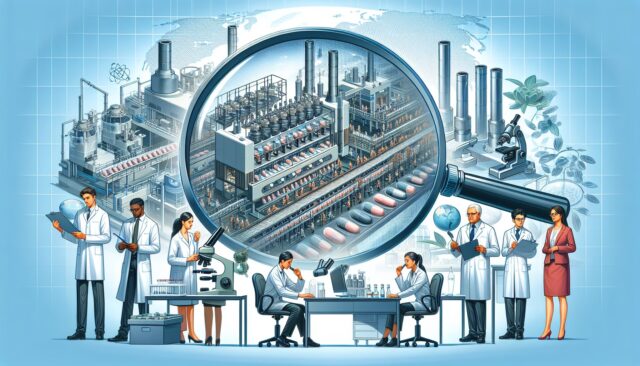
The pharmaceutical industry plays a crucial role in revolutionizing healthcare by developing new drugs and treatments to improve the lives of millions of people. Through continuous research and development, pharmaceutical companies have made significant advancements in medicine, treating various diseases and conditions that were once considered incurable.

One of the key aspects of the pharmaceutical industry is drug discovery, where scientists study diseases and search for new compounds that can effectively target these conditions. This process involves extensive research, clinical trials, and rigorous testing to ensure the safety and effectiveness of the drugs before they are approved for use by regulatory authorities.

In recent years, the pharmaceutical industry has seen rapid advancements in technology, allowing for the development of innovative therapies such as gene editing, immunotherapy, and personalized medicine. These groundbreaking treatments offer new hope for patients with complex diseases, providing more targeted and effective approaches to healthcare.

Furthermore, the pharmaceutical industry plays a vital role in addressing global health challenges, such as the ongoing COVID-19 pandemic. Pharmaceutical companies have raced against time to develop vaccines and therapeutics to combat the virus, demonstrating the industry’s commitment to public health and wellbeing.

Despite the significant contributions of the pharmaceutical industry to medicine, it also faces challenges, including high development costs, stringent regulations, and ethical considerations. Additionally, the industry is often criticized for its pricing practices, leading to debates on accessibility and affordability of medications for patients.

In conclusion, the pharmaceutical industry plays a critical role in advancing medicine and improving healthcare outcomes worldwide. Through innovation, research, and collaboration, pharmaceutical companies continue to drive progress in the field of medicine, offering hope and healing to those in need. As we look towards the future, it is essential to support and acknowledge the invaluable contributions of the pharmaceutical industry in shaping the healthcare landscape for generations to come.
The Pharmaceutical Industry: Advancements in Medicine

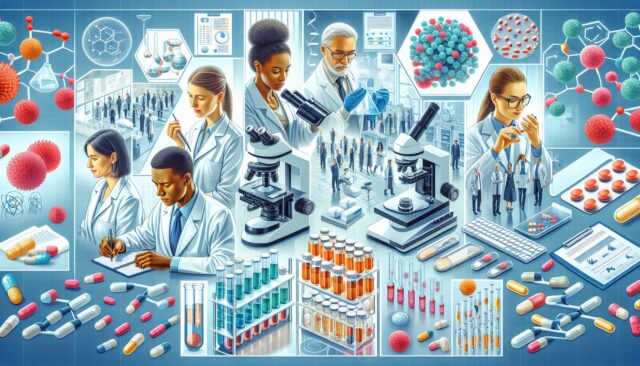
The pharmaceutical industry plays a crucial role in the development and production of life-saving medicines. From antibiotics to vaccines, these pharmaceutical companies are constantly on the forefront of research and innovation to improve the health and well-being of individuals around the world.

In recent years, there have been significant advancements in medicine that have revolutionized the way we treat various diseases and conditions. For example, the development of targeted therapies has allowed for more precise and effective treatments for cancer, while the emergence of biologics has provided new options for patients with autoimmune diseases.

Furthermore, the pharmaceutical industry has been instrumental in the fight against global health crises, such as the Covid-19 pandemic. Companies have worked tirelessly to develop vaccines in record time, demonstrating the power of collaboration and innovation in times of crisis.

However, the pharmaceutical industry is not without its challenges. Critics often point to the high cost of prescription medications and the influence of pharmaceutical companies on healthcare policies. Access to affordable medicines remains a pressing issue, particularly for those in developing countries.

Despite these challenges, the pharmaceutical industry continues to play a critical role in advancing medical science and improving patient outcomes. Research and development efforts are ongoing, with new breakthroughs in gene therapy, immunotherapy, and personalized medicine on the horizon.

In conclusion, the pharmaceutical industry is at the forefront of modern medicine, driving innovation and progress in the treatment of diseases and conditions. While there are challenges to overcome, the industry’s dedication to improving public health is evident in the countless lives saved and improved by their work. As we look to the future, we can expect even greater advancements in medicine that will further transform the way we approach healthcare.

#The Impact of the Pharmaceutical Industry on Medicine

The pharmaceutical industry plays a crucial role in the development and distribution of medications that improve and save lives. With advancements in science and technology, the industry has made significant progress in treating various health conditions and diseases. However, there are also challenges and controversies surrounding the pharmaceutical industry and its impact on medicine.

In recent years, the pharmaceutical industry has been under scrutiny for issues such as rising drug prices, unethical marketing practices, and potential conflicts of interest with healthcare providers. These issues have raised concerns about the industry’s priorities and its influence on healthcare decisions.

On the other hand, the pharmaceutical industry has made significant contributions to medicine by developing innovative drugs and therapies that have improved patient outcomes and extended life expectancy. Through research and development efforts, pharmaceutical companies have brought new treatments for cancer, infectious diseases, and chronic conditions to market, providing hope for patients worldwide.

Additionally, the pharmaceutical industry plays a critical role in drug safety and regulation. Before a medication can be approved for use, it must undergo rigorous testing to ensure its safety and effectiveness. Regulatory agencies like the Food and Drug Administration (FDA) oversee the approval process and monitor the ongoing safety of drugs on the market, helping to protect patients from harm.

Despite the challenges and controversies, the pharmaceutical industry remains an essential partner in advancing medicine and improving public health. By investing in research and development, collaborating with healthcare providers, and adhering to strict regulations, pharmaceutical companies can continue to make a positive impact on patient care.

In conclusion, the pharmaceutical industry has a significant influence on medicine, with both benefits and drawbacks. While there are concerns about drug prices, marketing practices, and conflicts of interest, the industry also plays a crucial role in developing new treatments, ensuring drug safety, and improving patient outcomes. By addressing these challenges and working towards greater transparency and accountability, the pharmaceutical industry can continue to contribute to advancements in medicine and healthcare for the benefit of patients worldwide.

The Pharmaceutical Industry: Revolutionizing Medicine

The pharmaceutical industry plays a crucial role in the development and production of life-saving medications. From painkillers to antibiotics to vaccines, pharmaceutical companies are at the forefront of medical innovation, constantly researching and creating new drugs to treat a wide range of diseases and conditions.

One of the key aspects of the pharmaceutical industry is its ability to bring new drugs to market. This process involves rigorous testing and approval by regulatory agencies to ensure that the medications are safe and effective for patients. Pharmaceutical companies invest billions of dollars in research and development each year, working tirelessly to discover new treatments and cures for the world’s most pressing health issues.

In recent years, the pharmaceutical industry has made significant advancements in areas such as personalized medicine, gene therapy, and immunotherapy. These cutting-edge technologies have the potential to revolutionize the way we treat diseases, offering more targeted and effective solutions for patients. For example, personalized medicine allows doctors to tailor treatments to individual patients based on their genetic makeup, improving outcomes and reducing side effects.

Despite the many benefits of the pharmaceutical industry, it is not without its challenges. Drug pricing, for example, has been a source of controversy in recent years, with some medications costing thousands of dollars per month. Critics argue that high drug prices can limit access to essential medications for patients who cannot afford them, leading to disparities in healthcare. Pharmaceutical companies defend their pricing practices, citing the high cost of research and development as well as the need to generate profits to fund future innovations.

In conclusion, the pharmaceutical industry plays a vital role in advancing medicine and improving patient outcomes. Through research, development, and innovation, pharmaceutical companies have brought countless life-saving medications to market, helping to treat and prevent a wide range of diseases. While challenges such as drug pricing exist, the industry continues to push forward, developing new treatments and technologies that have the potential to transform healthcare for years to come.

The Evolution of Medicine: A Look at the Pharmaceutical Industry

The pharmaceutical industry has made tremendous strides in developing life-saving and life-improving medicines over the past few decades. From antibiotics to vaccines to chemotherapy drugs, pharmaceutical companies have played a crucial role in advancing global healthcare.

One of the key drivers of the pharmaceutical industry is research and development. Companies invest billions of dollars in developing new drugs, conducting clinical trials, and obtaining regulatory approvals. This extensive process ensures that medicines are safe, effective, and meet the needs of patients. Without pharmaceutical research, many diseases and conditions that are now treatable would still be deadly.

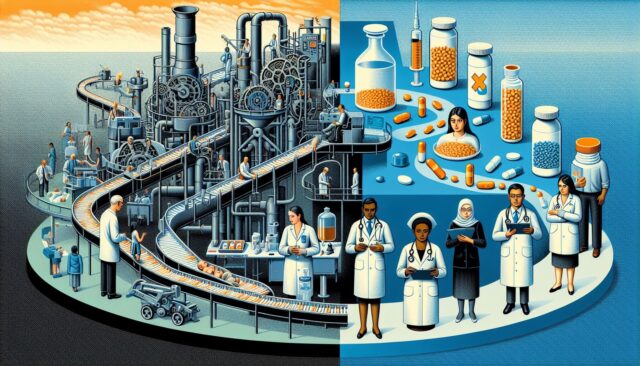
Another important aspect of the pharmaceutical industry is manufacturing. Once a drug has been approved, companies must produce it in large quantities to meet demand. This requires state-of-the-art facilities, strict quality control processes, and compliance with regulatory standards. Manufacturing pharmaceuticals is a complex process that requires precision and attention to detail to ensure the safety and efficacy of the final product.

In recent years, the pharmaceutical industry has faced growing scrutiny over drug pricing. The cost of medicines has skyrocketed, leading to concerns about affordability and access to healthcare. Many patients struggle to afford essential medications, and governments are grappling with escalating healthcare costs. Pharmaceutical companies must find a balance between recouping their research and development costs and making medicines affordable for patients.

Despite these challenges, the pharmaceutical industry continues to innovate and drive medical progress. New technologies such as personalized medicine, gene therapy, and immunotherapy hold great promise for treating a wide range of diseases. Pharmaceutical companies are also investing in areas such as rare diseases, mental health, and global health to address unmet medical needs.

In conclusion, the pharmaceutical industry plays a crucial role in advancing healthcare and improving patient outcomes. Through research, development, manufacturing, and innovation, pharmaceutical companies have revolutionized the treatment of diseases and extended the lives of millions of people. As we look to the future, it is clear that the pharmaceutical industry will continue to be a driving force in the evolution of medicine.

The Evolution of the Pharmaceutical Industry: Advancements in Medicine

The pharmaceutical industry plays a crucial role in our healthcare system, constantly working to develop new and improved medications to treat a wide range of illnesses and conditions. Over the years, significant advancements have been made in the field of medicine, leading to better treatment options and improved patient outcomes.

One of the key drivers of progress in the pharmaceutical industry is technological innovation. From the discovery of penicillin in the 1920s to the development of targeted therapies for cancer in recent years, advances in technology have enabled researchers to better understand diseases at the molecular level and design more effective treatments. The use of cutting-edge techniques such as genomics, proteomics, and artificial intelligence has revolutionized the drug discovery process, allowing scientists to identify potential drug targets more quickly and accurately than ever before.

In addition to technological advancements, regulatory changes have also had a significant impact on the pharmaceutical industry. The introduction of regulatory bodies such as the Food and Drug Administration (FDA) in the United States has helped to ensure the safety and efficacy of new medications, providing patients with confidence in the treatments they receive. Regulatory agencies also play a key role in the approval process for new drugs, ensuring that only those that have been proven to be safe and effective are brought to market.

The pharmaceutical industry has also witnessed a shift towards personalized medicine in recent years. This approach recognizes that each patient is unique and may respond differently to treatment based on their genetic makeup, lifestyle, and other factors. By tailoring treatment plans to individual patients, personalized medicine has the potential to improve outcomes and reduce side effects, leading to better overall healthcare.

Despite these advancements, the pharmaceutical industry faces challenges as well. Rising drug prices, concerns about drug safety, and the increasing prevalence of antimicrobial resistance are just a few of the issues that the industry must contend with. However, by continuing to invest in research and development, collaborating with healthcare providers and regulatory agencies, and prioritizing patient needs, the pharmaceutical industry can overcome these challenges and continue to drive innovation in medicine.

In conclusion, the pharmaceutical industry has made significant strides in the development of new and improved medications over the years. Technological advancements, regulatory changes, and a shift towards personalized medicine have all contributed to the evolution of the industry and the improvement of patient care. By addressing the challenges it faces and staying true to its mission of improving healthcare for all, the pharmaceutical industry will continue to make a positive impact on the lives of patients around the world.

The Impact of the Pharmaceuticals Industry on Medicine

The pharmaceutical industry is a crucial component of modern medicine, responsible for developing and manufacturing the drugs and treatments that keep us healthy and treat a wide range of diseases and conditions. This industry plays a significant role in advancing medical research, improving patient outcomes, and driving economic growth.

In recent years, the pharmaceutical industry has faced criticism for high drug prices, aggressive marketing tactics, and the influence of big pharma on healthcare decisions. However, it’s important to recognize the many positive contributions that this industry makes to society.

One of the most significant benefits of the pharmaceutical industry is its role in advancing medical research. Pharmaceutical companies invest billions of dollars each year in research and development, seeking to discover new drugs and treatment options for a variety of illnesses. These investments have led to the development of life-saving medications for cancer, HIV, diabetes, and many other diseases.

Additionally, the pharmaceutical industry plays a vital role in improving patient outcomes. By developing new medications and therapies, pharmaceutical companies can help patients manage chronic conditions, alleviate pain and suffering, and improve overall quality of life. Without the innovations produced by the pharmaceutical industry, many patients would not have access to the treatments they need to stay healthy and live longer lives.

Moreover, the pharmaceutical industry contributes significantly to economic growth. Pharmaceutical companies create jobs, stimulate innovation, and drive economic development in communities around the world. The industry also supports other sectors, such as healthcare, research, and manufacturing, making it a critical driver of economic activity.

Despite its many benefits, the pharmaceutical industry still faces challenges. Ensuring access to affordable medications, combating counterfeit drugs, and addressing concerns about transparency and ethics are just a few of the issues that the industry must navigate.

In conclusion, the pharmaceutical industry is a vital part of modern medicine, driving innovation, improving patient outcomes, and supporting economic growth. While it faces challenges and criticisms, this industry continues to play a crucial role in advancing healthcare worldwide.

In the coming years, it will be essential for pharmaceutical companies to prioritize ethical practices, increase transparency, and work towards ensuring that all patients have access to the medications they need to live healthy and fulfilling lives. By doing so, the pharmaceutical industry can continue to make a positive impact on medicine and society as a whole.

The Evolution of Medicine: A Look at the Pharmaceutical Industry

The pharmaceutical industry plays a crucial role in the development and distribution of medicine around the world. With advancements in technology and research, the field of medicine continues to evolve, offering innovative solutions to a wide range of health issues.

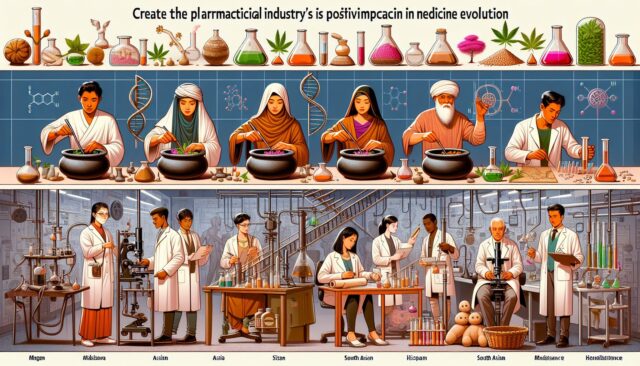
In the past, traditional medicines were derived from natural sources such as plants, animals, and minerals. These remedies were often passed down through generations and used to treat common ailments. However, with the rise of modern medicine and the pharmaceutical industry, the way we approach healthcare has drastically changed.

Pharmaceutical companies invest billions of dollars in research and development to discover new drugs that can help improve the quality of life for patients. These companies work closely with scientists, doctors, and regulatory agencies to ensure that the medications they produce are safe and effective.

One of the key benefits of modern medicine is the ability to target specific health conditions with precision. Scientists can now create drugs that target specific molecules in the body, leading to more effective treatments with fewer side effects. This level of precision has revolutionized the way we treat diseases such as cancer, diabetes, and heart conditions.

The pharmaceutical industry has also made significant strides in the development of vaccines. Vaccines have played a critical role in preventing the spread of infectious diseases such as measles, polio, and influenza. Thanks to vaccines, many deadly diseases have been eradicated, saving countless lives in the process.

Despite the advancements in medicine, the pharmaceutical industry does face challenges. One of the biggest challenges is the high cost of medications. Many life-saving drugs come with a hefty price tag, making them inaccessible to those who need them most. This has sparked debates about the affordability and accessibility of healthcare around the world.

In conclusion, the pharmaceutical industry continues to push the boundaries of medicine, offering new treatments and cures for a wide range of health conditions. While there are challenges that need to be addressed, the industry remains dedicated to improving the health and well-being of people worldwide. As technology continues to advance, we can expect even more groundbreaking developments in the field of medicine in the years to come.

The Complex World of the Pharmaceutical Industry

The pharmaceutical industry plays a crucial role in the healthcare system by researching, developing, and manufacturing medicines that save lives and improve quality of life for countless individuals. However, this industry is not without its controversies and challenges.

The development of new medications is a lengthy and expensive process that involves rigorous testing for safety and efficacy. Pharmaceutical companies invest millions of dollars in research and development to bring a new drug to market, often taking many years before it is available to patients. This high cost of development is one of the reasons behind the high prices of prescription drugs.

Another issue facing the pharmaceutical industry is drug pricing. Many people struggle to afford the medications they need, leading to debates over the pricing practices of pharmaceutical companies. Some argue that the prices of certain drugs are exorbitant and place a significant financial burden on patients, while others point to the high costs of research and development as justification for these prices.

Furthermore, concerns have been raised about the influence of pharmaceutical companies on healthcare providers. Some argue that the industry’s marketing tactics, such as providing incentives to doctors to prescribe certain medications, can compromise patient care. Additionally, the push for profit may lead to an overemphasis on developing drugs for common conditions, at the expense of research on rare diseases.

Despite these challenges, the pharmaceutical industry continues to be a driving force in medical innovation. The development of new medications has led to groundbreaking treatments for many diseases, improving health outcomes and extending lives. Companies are also investing in research on cutting-edge technologies, such as gene therapy and personalized medicine, which hold the promise of revolutionizing healthcare in the future.

In conclusion, the pharmaceutical industry plays a vital role in the healthcare system by developing life-saving medications and advancing medical research. While there are legitimate concerns about drug pricing and industry practices, it is important to recognize the positive impact that pharmaceutical companies have on public health. By addressing these challenges and working towards greater transparency and affordability, the industry can continue to bring innovative treatments to patients in need.

The Pharmaceutical Industry: Revolutionizing Medicine

The pharmaceutical industry plays a crucial role in modern healthcare, developing and providing life-saving medications to patients around the world. With advances in technology and research, the industry has revolutionized the way we treat diseases and manage chronic conditions.

In recent years, there have been significant breakthroughs in the development of new medications for a wide range of conditions, from cancer and heart disease to infectious diseases and mental health disorders. These innovations have improved patient outcomes, reduced hospitalizations, and increased life expectancy.

One of the key drivers of progress in the pharmaceutical industry is ongoing research and development. Pharmaceutical companies invest heavily in research to discover new drugs, improve existing treatments, and find innovative ways to deliver medications. This commitment to innovation has led to the development of targeted therapies, personalized medicine, and gene therapies that were once considered science fiction.

Additionally, the pharmaceutical industry plays a vital role in ensuring the safety and efficacy of medications. Before a new drug can be brought to market, it must undergo rigorous testing in clinical trials to demonstrate its effectiveness and safety. These trials are essential for determining the appropriate dosage, identifying potential side effects, and evaluating drug interactions.

Despite its many contributions to healthcare, the pharmaceutical industry is not without its challenges. The rising cost of medications, concerns about drug pricing and access, and ethical considerations related to marketing and sales are all areas of ongoing debate and controversy. However, it is important to recognize the valuable role that pharmaceutical companies play in advancing medical science and improving patient care.

In conclusion, the pharmaceutical industry is a critical part of the modern healthcare system, driving innovation, research, and development of new medications. With a continued focus on scientific discovery, patient safety, and access to affordable healthcare, the industry has the potential to continue revolutionizing medicine and improving health outcomes for individuals worldwide.