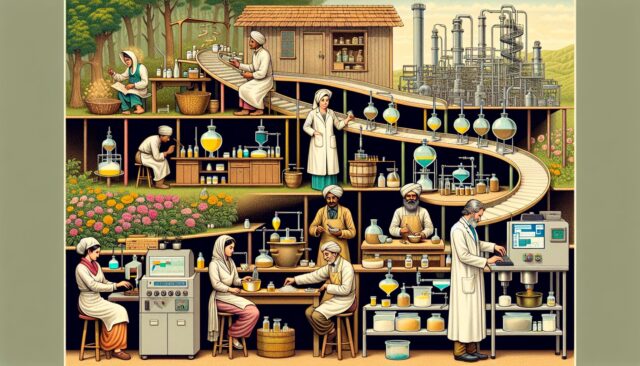
The Impact of the Pharmaceutical Industry on Medicine

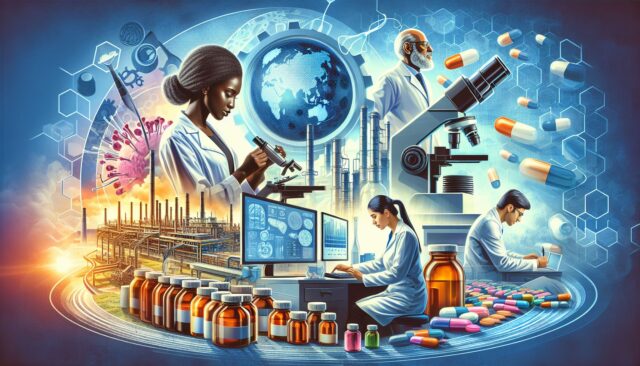
The pharmaceutical industry plays a crucial role in the healthcare system by developing, producing, and distributing medications that improve and save lives. These companies invest millions of dollars in research and development to discover new drugs, enhance existing treatments, and address unmet medical needs. Their contributions have revolutionized the field of medicine, allowing for advancements in the treatment of various diseases and conditions.

One of the most significant impacts of the pharmaceutical industry on medicine is the creation of life-saving medications. Drugs developed by pharmaceutical companies have been instrumental in the treatment of conditions such as cancer, heart disease, diabetes, and infectious diseases. These medications have significantly improved the quality of life for millions of patients around the world and have helped to extend life expectancy.

In addition to developing new drugs, the pharmaceutical industry also plays a vital role in ensuring that medications are safe, effective, and of high quality. These companies must adhere to rigorous regulatory standards set by government health agencies to ensure that their products meet strict safety and efficacy requirements. This regulatory oversight helps to protect patients from potential harm and ensures that they receive the most effective treatments available.

Furthermore, the pharmaceutical industry plays a critical role in driving innovation in medicine. By investing in research and development, these companies are constantly exploring new treatment options, improving existing medications, and searching for potential cures for diseases that have long plagued humanity. Their innovative efforts have led to groundbreaking discoveries in areas such as gene therapy, immunotherapy, and precision medicine, offering new hope for patients with challenging medical conditions.

Despite the numerous benefits that the pharmaceutical industry brings to medicine, it is not without its challenges. The high cost of prescription drugs, concerns about access to medications, and issues surrounding drug pricing transparency have all sparked debate and controversy. However, it is essential to recognize the valuable contributions that pharmaceutical companies make to healthcare and the significant impact they have on improving the lives of patients worldwide.

In conclusion, the pharmaceutical industry is a driving force behind the advancements in medicine that we have seen in recent years. From the development of life-saving medications to the promotion of innovation and research, these companies play a crucial role in improving health outcomes and shaping the future of healthcare. As we continue to navigate the complexities of healthcare, it is important to acknowledge and appreciate the contributions of the pharmaceutical industry to the field of medicine.


#The Crucial Role of the Pharmaceutical Industry in Healthcare

The pharmaceutical industry plays a crucial role in the health and well-being of people around the world. By researching, developing, and producing new medicines, pharmaceutical companies help treat and prevent a wide range of illnesses and diseases. Without their innovations, many health conditions would go untreated, leading to significant suffering and loss of life.

In recent years, the pharmaceutical industry has made remarkable advancements in various fields, such as oncology, cardiovascular diseases, infectious diseases, and mental health. These advancements have improved the quality of life for millions of patients and have contributed to increasing life expectancy rates globally.

One of the key strengths of the pharmaceutical industry is its commitment to rigorous testing and quality control. Before a new medicine can be approved for use, it undergoes extensive clinical trials to ensure its safety and effectiveness. This process helps protect patients from potential harm and ensures that only the most beneficial treatments are made available to the public.

However, the pharmaceutical industry also faces challenges, such as high costs of research and development, regulatory hurdles, and increasing pressure to deliver innovative treatments quickly. These challenges can sometimes lead to delays in bringing new medicines to market or result in high prices for life-saving drugs.

Despite these challenges, the pharmaceutical industry continues to make significant contributions to healthcare. By investing in research and development, companies are constantly striving to create new treatments for diseases that currently have limited options. Additionally, pharmaceutical companies often collaborate with academic institutions and government agencies to accelerate the development of new medicines.

In conclusion, the pharmaceutical industry plays a vital role in healthcare by developing innovative treatments that improve the lives of patients worldwide. As we face new challenges in healthcare, such as the rise of antibiotic resistance and the global pandemic, the importance of the pharmaceutical industry in providing solutions to these complex problems cannot be overstated. By supporting continued research and development in this industry, we can look forward to a healthier and brighter future for all.

Let us continue to recognize and appreciate the efforts of the pharmaceutical industry in advancing medicine and shaping the future of healthcare.

The Role of Pharmaceuticals in Modern Medicine

The pharmaceutical industry plays a crucial role in the development and production of life-saving medications. These medications are used to treat a wide range of ailments, from the common cold to chronic diseases like cancer and diabetes. Without pharmaceutical companies, many of the medications that we rely on to stay healthy would not exist.

One of the key functions of pharmaceutical companies is to research and develop new medications. This process involves extensive testing to ensure that the medication is safe and effective for human use. Pharmaceutical companies invest millions of dollars into research and development each year, with the hope of discovering breakthrough treatments for diseases that currently have no cure.

In addition to developing new medications, pharmaceutical companies also play a role in manufacturing and distributing existing medications. This ensures that patients have access to the medications they need to manage their health conditions. The pharmaceutical industry also works closely with regulatory bodies, such as the Food and Drug Administration (FDA), to ensure that medications meet strict safety and quality standards before they are released to the public.

While the pharmaceutical industry has made great strides in improving the health and well-being of people around the world, it is not without its challenges. One of the biggest criticisms of the industry is the high cost of medications. Some argue that pharmaceutical companies prioritize profit over public health, leading to inflated prices for essential medications. This can make it difficult for some patients to afford the medications they need to stay healthy.

Despite these challenges, the pharmaceutical industry continues to drive innovation in medicine and improve patient outcomes. By investing in research and development, pharmaceutical companies are able to discover new treatments for a wide range of diseases, ultimately saving lives and improving quality of life for countless individuals.

In conclusion, the pharmaceutical industry plays a vital role in modern medicine. From researching and developing new medications to manufacturing and distributing existing medications, pharmaceutical companies are at the forefront of innovation in healthcare. While there are challenges to be addressed, the industry’s commitment to improving patient outcomes and advancing medical science is undeniable.

The Pharmaceutical Industry: Advancements in Medicine

The pharmaceutical industry plays a crucial role in the healthcare sector by researching, developing, and manufacturing life-saving medications that improve the quality of life for millions of people around the world. From antibiotics to vaccines to cutting-edge biologics, pharmaceutical companies are at the forefront of innovation in medicine.

In recent years, the pharmaceutical industry has made significant advancements in various fields of medicine, such as oncology, immunology, and neurology. With the rise of precision medicine and personalized treatments, pharmaceutical companies are leveraging the latest technologies, such as genomics and artificial intelligence, to develop targeted therapies that are tailored to individual patients.

One area where the pharmaceutical industry has seen remarkable progress is in the development of biologics. Biologics are a class of drugs derived from living organisms, such as proteins, antibodies, and gene therapies. These treatments have revolutionized the treatment of complex diseases like cancer, autoimmune disorders, and genetic conditions, offering new hope to patients who previously had limited options.

Furthermore, the pharmaceutical industry has also been instrumental in responding to global health crises, such as the COVID-19 pandemic. Several pharmaceutical companies developed safe and effective vaccines in record time, thanks to collaborative efforts with governments, academia, and other stakeholders. The rapid development of vaccines against COVID-19 has demonstrated the industry’s ability to mobilize resources and expertise to address urgent public health needs.

Despite these advancements, the pharmaceutical industry faces challenges, including increasing regulatory requirements, pricing pressures, and the need for continuous innovation. Drug development is a complex and costly process, requiring significant investments in research and development, clinical trials, and manufacturing. Balancing the need for affordable access to medicines with the demand for profitable returns poses a delicate challenge for pharmaceutical companies.

In conclusion, the pharmaceutical industry plays a vital role in advancing medicine and improving healthcare outcomes. Through ongoing research, innovation, and collaboration, pharmaceutical companies are bringing life-changing treatments to patients worldwide. As the industry continues to evolve, stakeholders must work together to address challenges and ensure that innovative medicines are accessible to all who need them.

In summary, the pharmaceutical industry is key in delivering life-saving medication to people around the world and has made significant advancements in various medical fields. Through collaboration and innovation, pharmaceutical companies continue to push the boundaries of medicine and improve the quality of life for countless individuals.

The Pharmaceutical Industry: Driving Innovation in Medicine

The pharmaceutical industry plays a crucial role in the development and advancement of medicine. From researching and testing new drugs to manufacturing and distributing them, pharmaceutical companies are at the forefront of innovation in healthcare.

One of the key factors driving innovation in the pharmaceutical industry is the constant need to find new treatments for diseases and conditions. With an aging population and rising healthcare costs, there is a growing demand for more effective and affordable medications. This demand has spurred pharmaceutical companies to invest heavily in research and development, leading to the discovery of novel drug therapies that can save lives and improve quality of life for patients.

In addition to developing new drugs, pharmaceutical companies also work closely with regulatory agencies to ensure that medications are safe and effective for use. The rigorous testing and approval process helps to protect patients from harmful side effects and ensures that they are receiving high-quality medications that have been thoroughly evaluated for safety and efficacy.

Furthermore, pharmaceutical companies often collaborate with academic institutions and research organizations to leverage their expertise and resources in drug discovery and development. These partnerships help to accelerate the pace of innovation and bring new treatments to market more quickly, benefiting patients who are in need of effective therapies.

Despite the many benefits of the pharmaceutical industry, there are also challenges that companies face, such as increasing competition, pricing pressures, and regulatory hurdles. However, by continuing to invest in research and development, improving operational efficiency, and fostering collaborations with other stakeholders, pharmaceutical companies can overcome these challenges and continue to drive innovation in medicine.

In conclusion, the pharmaceutical industry plays a vital role in advancing healthcare by developing new drugs and treatments to address unmet medical needs. Through research and collaboration, pharmaceutical companies are able to bring innovative therapies to market, benefiting patients and improving overall health outcomes. As we look to the future, it is clear that the pharmaceutical industry will continue to play a key role in shaping the future of medicine and healthcare.

The Importance of the Pharmaceutical Industry in Providing Medicine

The pharmaceutical industry plays a crucial role in society by researching, developing, and providing medicines that save lives and improve the quality of life for millions of people around the world. From antibiotics to vaccines to treatments for chronic diseases, pharmaceutical companies are constantly innovating and advancing medical science to address the health needs of populations worldwide.

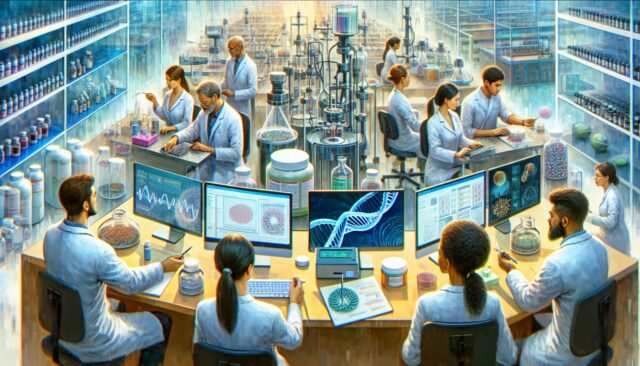
One of the key functions of the pharmaceutical industry is drug discovery and development. This process involves extensive research and testing to identify new drug compounds that can effectively treat a specific disease or condition. Once a potential drug candidate is identified, it must undergo rigorous testing in preclinical and clinical trials to ensure its safety and efficacy before receiving regulatory approval for market release.

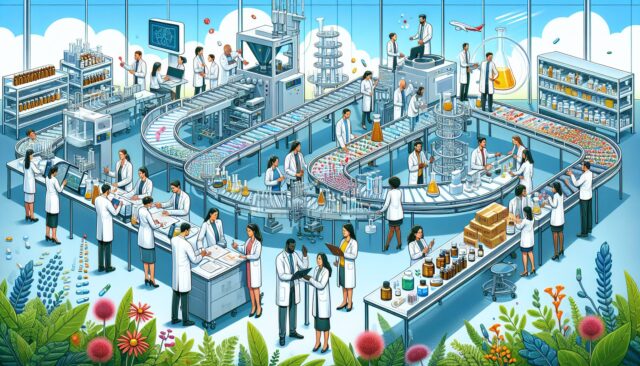
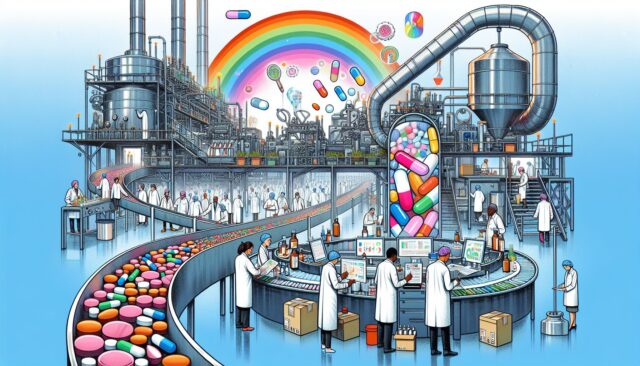
In addition to drug development, pharmaceutical companies also play a crucial role in manufacturing and distributing medicines to healthcare providers and patients. This involves adhering to strict quality control standards to ensure the safety and effectiveness of medications, as well as complying with regulatory requirements to ensure that drugs are properly labeled and marketed.

Moreover, the pharmaceutical industry collaborates closely with healthcare professionals, government agencies, and research institutions to address public health challenges and develop new treatment options for diseases with unmet medical needs. Through partnerships and collaborations, pharmaceutical companies can leverage their expertise and resources to accelerate the development of new therapies and expand access to medicines for patients in need.

Despite the significant contributions of the pharmaceutical industry to global health, it faces challenges such as regulatory hurdles, pricing pressures, and public scrutiny over drug safety and affordability. Companies must navigate a complex regulatory environment to bring new drugs to market, while also balancing the need for innovation with concerns about the cost of healthcare and access to medicines.

In conclusion, the pharmaceutical industry plays a vital role in advancing medical science and improving healthcare outcomes for patients worldwide. Through research, development, and collaboration, pharmaceutical companies continue to drive innovation in medicine and deliver life-saving treatments to those in need. As we look to the future, it is essential to support and sustain the pharmaceutical industry in its mission to provide safe and effective medicines for the benefit of society.

The Pharmaceutical Industry: Advancements in Medicine

The pharmaceutical industry plays a crucial role in the development and production of lifesaving medications that have significantly improved human health and longevity. From discovering new drugs to manufacturing them on a large scale, pharmaceutical companies are at the forefront of innovation in the field of medicine.

In recent years, the pharmaceutical industry has made tremendous strides in the development of novel treatments for a wide range of diseases, including cancer, diabetes, and infectious diseases. Through rigorous research and clinical trials, scientists and researchers are constantly exploring new compounds and therapies that can address unmet medical needs and improve patient outcomes.

One of the key drivers of innovation in the pharmaceutical industry is the increasing use of technology in drug discovery and development. By harnessing the power of artificial intelligence, machine learning, and big data analytics, researchers are able to accelerate the identification of potential drug targets and streamline the drug development process. This has led to the rapid advancement of precision medicine, personalized therapies tailored to individual patients based on their genetic makeup and specific disease characteristics.

Moreover, the pharmaceutical industry has also been instrumental in the development of vaccines that have helped eradicate deadly diseases such as smallpox and polio. In recent years, the rapid development of COVID-19 vaccines has demonstrated the industry’s ability to respond quickly to global health crises and deliver safe and effective vaccines to the population.

Despite these advancements, the pharmaceutical industry also faces challenges, including the high costs of drug development and the increasing complexity of regulatory requirements. The lengthy and expensive process of bringing a new drug to market can hinder access to essential medications for patients in need, particularly in low- and middle-income countries.

In conclusion, the pharmaceutical industry plays a vital role in advancing medicine and improving human health. Through ongoing research and innovation, pharmaceutical companies continue to develop groundbreaking therapies that have the potential to transform the way we prevent, diagnose, and treat diseases. As we look to the future, it is essential that we support and invest in the pharmaceutical industry to ensure continued progress in the field of medicine.

The Evolution of the Pharmaceutical Industry: From Pioneering Drugs to Modern Medicine

The pharmaceutical industry plays a crucial role in society by researching, developing, and manufacturing drugs that improve and save countless lives. Over the years, this industry has seen significant advancements that have revolutionized medicine as we know it.

In the early days of the pharmaceutical industry, companies focused on producing essential medicines like antibiotics and painkillers. These drugs were groundbreaking in their time and provided relief for various illnesses and conditions. However, as technology and research methods progressed, the industry began to shift towards more specialized and targeted medications.

Today, the pharmaceutical industry is at the forefront of innovation, producing cutting-edge treatments for complex diseases like cancer, autoimmune disorders, and rare genetic conditions. These breakthrough drugs are developed through meticulous research and clinical trials to ensure their safety and efficacy.

One of the most notable advancements in the pharmaceutical industry is the development of biologics. These are complex molecules derived from living organisms, such as proteins, antibodies, and nucleic acids. Biologics have shown remarkable results in treating diseases that were once considered untreatable, offering new hope for patients with chronic and life-threatening conditions.

Another significant trend in the pharmaceutical industry is personalized medicine. This approach tailors treatment to an individual’s genetic makeup, lifestyle, and specific disease characteristics. By analyzing a patient’s genetic profile, doctors can prescribe medications that are more effective and have fewer side effects, leading to better outcomes and improved quality of life.

Despite these advancements, the pharmaceutical industry faces challenges like drug pricing, regulatory hurdles, and increasing competition. Companies must navigate these obstacles while continuing to innovate and bring new treatments to market.

In conclusion, the pharmaceutical industry has come a long way from its humble beginnings, evolving into a sophisticated sector that drives medical progress and improves global health. As technology continues to advance, we can expect even more groundbreaking discoveries and treatments that will further shape the future of medicine.

The evolution of the pharmaceutical industry is a testament to human ingenuity and perseverance in the quest for better health and well-being. By supporting and investing in this vital sector, we can ensure that future generations have access to life-saving medications and treatments that will continue to transform healthcare for years to come.

The Pharmaceutical Industry and Medicine

The pharmaceutical industry plays a crucial role in the development and distribution of medicines that improve and save lives. From research and development to regulatory approval and distribution, pharmaceutical companies play a vital role in the healthcare ecosystem.

In recent years, there has been growing scrutiny of the pharmaceutical industry, with concerns raised about the pricing of medications, the influence of pharmaceutical companies on healthcare policies, and the potential for conflicts of interest. While these concerns are valid, it’s important to recognize the essential role that pharmaceutical companies play in developing new medications and treatments.

One of the key functions of the pharmaceutical industry is research and development. Pharmaceutical companies invest heavily in researching and developing new medicines, often spending billions of dollars in the process. This research is essential for discovering new treatments for diseases and conditions that can improve and save lives.

Once a new medication has been developed, pharmaceutical companies must seek regulatory approval from government agencies such as the Food and Drug Administration (FDA) in the United States. This process involves rigorous testing to ensure that the medication is safe and effective for patients. Without this regulatory approval, medications cannot be brought to market.

After a medication has received regulatory approval, pharmaceutical companies must manufacture and distribute the medication to healthcare providers and pharmacies. This process involves complex logistics to ensure that medications are available when and where they are needed. Pharmaceuticals companies also invest in marketing and sales efforts to educate healthcare providers about new medications and treatments.

While the pharmaceutical industry plays a crucial role in the healthcare system, it is not without its challenges. Critics argue that the high cost of medications can make healthcare unaffordable for many patients. There are also concerns about the influence of pharmaceutical companies on healthcare policies and regulations.

In conclusion, the pharmaceutical industry is a vital part of the healthcare system, responsible for developing and distributing medications that improve and save lives. While there are valid concerns about the industry, it’s important to recognize the essential role that pharmaceutical companies play in advancing medicine and providing treatments for a wide range of diseases and conditions. By balancing the need for innovation with concerns about affordability and access, we can ensure that the pharmaceutical industry continues to benefit patients and society as a whole.

The Power and Potential of the Pharmaceutical Industry

The pharmaceutical industry plays a crucial role in our society, consistently pushing the boundaries of medical innovation to develop new treatments and cures for various diseases. From antibiotics to cancer therapies, the pharmaceutical industry has revolutionized healthcare and improved the quality of life for countless individuals around the world.

One of the key strengths of the pharmaceutical industry lies in its ability to conduct extensive research and development to create new drugs and treatments. Pharmaceutical companies invest billions of dollars each year in research and clinical trials, working tirelessly to bring new medications to the market. These advancements have led to groundbreaking treatments for diseases that were once considered incurable, giving hope to patients and their families.

Moreover, the pharmaceutical industry plays a critical role in public health initiatives, producing vaccines and medications that prevent the spread of infectious diseases. Vaccines have played a crucial role in eradicating diseases such as smallpox and greatly reducing the prevalence of others like measles and polio. The development of antiretroviral drugs has also transformed the management of HIV/AIDS, allowing patients to live longer, healthier lives.

However, the pharmaceutical industry is not without its challenges. Drug development can be a lengthy and costly process, with many potential treatments failing to reach the market due to safety concerns or lack of efficacy. Additionally, there are ethical concerns surrounding pricing and access to medications, with some life-saving treatments being priced out of reach for many patients.

Despite these challenges, the pharmaceutical industry continues to drive forward, seeking new ways to improve healthcare and address unmet medical needs. Collaboration between industry, academia, and government agencies is essential to advancing medical research and bringing new treatments to patients in a timely manner.

In conclusion, the pharmaceutical industry plays a vital role in advancing medical science and improving healthcare outcomes for individuals worldwide. Through ongoing research and development, the industry continues to push the boundaries of innovation, creating new treatments and cures that have the potential to transform lives. While there are challenges to overcome, the dedication and commitment of the pharmaceutical industry to improving public health are truly remarkable.