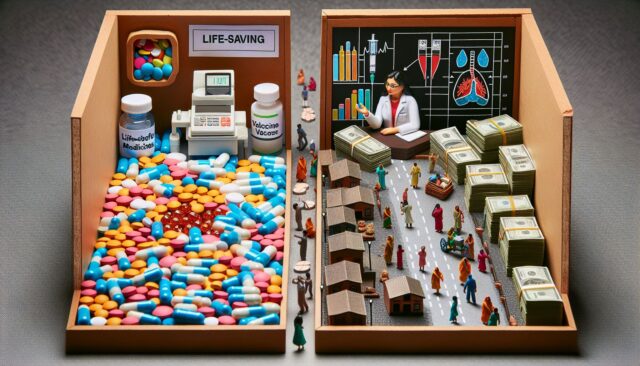
The Pharmaceutical Industry: Lifesaving Medicine at a Cost

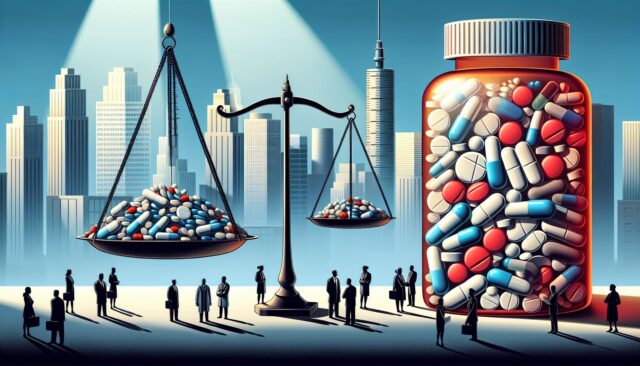
The pharmaceutical industry plays a crucial role in society by developing and producing lifesaving medications for various illnesses and conditions. Pharmaceutical companies invest countless resources in research and development to create new drugs that improve the quality of life for millions of people worldwide. However, the cost of these medications has become a growing concern, with many individuals and healthcare systems struggling to afford essential treatment.

In recent years, the rising prices of prescription drugs have sparked debates about the ethics and transparency of the pharmaceutical industry. Critics argue that companies prioritize profit over public health, leading to exorbitant costs that place a financial burden on patients. This issue is particularly problematic for individuals with chronic conditions who rely on medication to manage their health on a daily basis.

Despite these challenges, it is essential to acknowledge the positive impact of the pharmaceutical industry on society. Without groundbreaking research and development, many life-threatening diseases would remain untreatable. Medications have transformed the landscape of healthcare, offering hope and healing to those in need. It is important to strike a balance between incentivizing innovation and ensuring that medications are accessible and affordable for all individuals.

One potential solution to address the high cost of pharmaceuticals is to promote competition within the industry. By encouraging the development of generic alternatives and biosimilar medications, patients can have more affordable options for essential treatment. Additionally, greater transparency in pricing and negotiations between pharmaceutical companies and healthcare providers can help mitigate excessive costs.

It is also crucial for policymakers to prioritize measures that protect consumers from price gouging and unjustified price increases. Pharmaceutical pricing should be based on factors such as research and development costs, production expenses, and the value that a medication provides to patients. By implementing regulations that promote fair pricing practices, we can ensure that medications remain accessible to all individuals who need them.

In conclusion, the pharmaceutical industry plays a vital role in advancing medical science and improving the health and well-being of individuals around the world. While the cost of medications poses a significant challenge, it is essential to recognize the value that these drugs bring to society. By fostering a collaborative environment that promotes innovation, affordability, and transparency, we can continue to harness the power of medicine for the benefit of all.
The Evolution of Medicine and the Role of the Pharmaceutical Industry

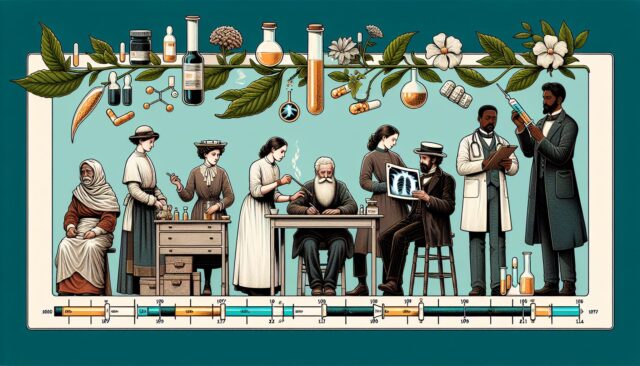
Over the past century, the field of medicine has rapidly evolved, thanks in large part to the innovations and advancements in the pharmaceutical industry. The development of new drugs and treatments has revolutionized healthcare, saving countless lives and improving the quality of life for millions of people worldwide.

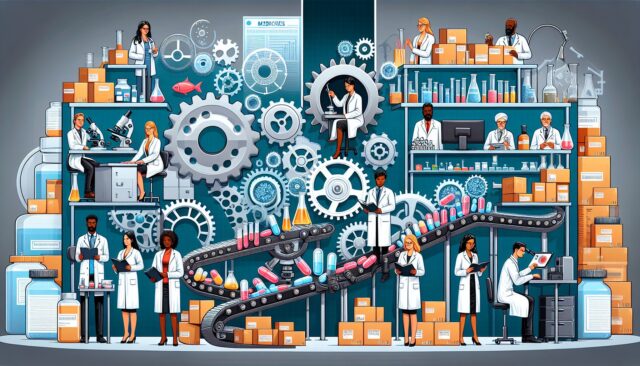
The pharmaceutical industry plays a crucial role in the research, development, and production of medications that treat a wide range of illnesses and conditions. From antibiotics to vaccines to chemotherapy drugs, pharmaceutical companies are constantly working to discover new therapies and improve existing ones.

One of the key challenges facing the pharmaceutical industry is the high cost of research and development. Bringing a new drug to market can take years of testing and regulatory approval, and the process can be incredibly expensive. This cost is often passed on to consumers in the form of high drug prices, leading to concerns about the accessibility and affordability of medications.

Despite these challenges, the pharmaceutical industry continues to push the boundaries of what is possible in medicine. Breakthrough drugs have been developed for diseases that were once considered untreatable, such as HIV/AIDS, hepatitis C, and certain forms of cancer. These advancements have transformed the way we think about healthcare and have given hope to patients facing life-threatening conditions.

In addition to developing new drugs, the pharmaceutical industry also plays a critical role in promoting public health and disease prevention. Vaccines, for example, have helped to eradicate deadly diseases such as smallpox and polio, and have significantly reduced the incidence of others like measles and influenza.

However, the pharmaceutical industry is not without its controversies. Critics argue that drug companies prioritize profits over public health, leading to unethical practices such as price gouging and the marketing of unnecessary drugs. There have also been concerns about the influence of pharmaceutical companies on medical research and prescribing practices.

Despite these criticisms, it is clear that the pharmaceutical industry has had a profound impact on medicine and healthcare. Without the innovations and advancements made by pharmaceutical companies, many of the life-saving treatments we have today would not exist.

In conclusion, the pharmaceutical industry plays a vital role in the evolution of medicine. Through research, development, and production of new drugs, pharmaceutical companies have revolutionized healthcare and saved countless lives. While there are challenges and controversies facing the industry, it is important to recognize the positive impact it has had on public health and disease prevention.

The Role of the Pharmaceutical Industry in Advancing Medicine

The pharmaceutical industry plays a crucial role in advancing medicine and improving the quality of healthcare for people around the world. With advancements in technology and research, new medications are constantly being developed to treat a wide range of diseases and conditions. This continuous innovation has led to the development of life-saving drugs and therapies that have significantly improved patient outcomes and quality of life.

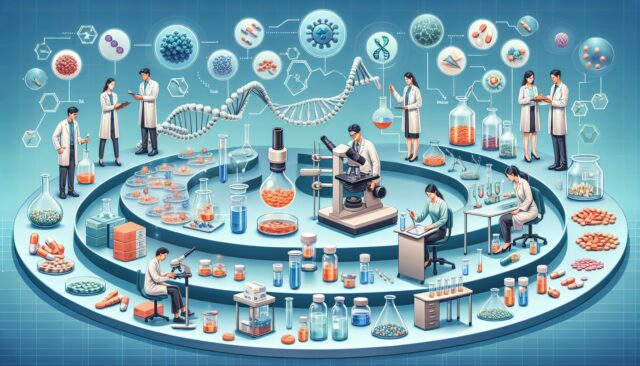
One of the key roles of the pharmaceutical industry is to conduct research and development to discover new drugs and treatments. This involves extensive testing and clinical trials to ensure the safety and effectiveness of new medications before they are brought to market. The industry also plays a vital role in manufacturing and distributing these medications to healthcare providers and pharmacies, ensuring that patients have access to the treatments they need.

In addition to developing new medications, the pharmaceutical industry also plays a critical role in educating healthcare professionals and patients about the proper use and potential side effects of these drugs. This helps to ensure that medications are used safely and effectively, leading to better health outcomes for patients.

Furthermore, the pharmaceutical industry also invests heavily in research and development to address emerging health challenges, such as infectious diseases, cancer, and chronic conditions. By funding cutting-edge research and collaborating with academic institutions and government agencies, the industry is able to drive innovation and develop new treatments that can save lives and improve health outcomes.

However, the pharmaceutical industry is not without its challenges. Issues such as pricing, access to medications, and the rising cost of healthcare can pose barriers to patient care. It is important for stakeholders, including pharmaceutical companies, policymakers, healthcare providers, and patients, to work together to address these challenges and ensure that everyone has access to the medications they need.

In conclusion, the pharmaceutical industry plays a vital role in advancing medicine and improving patient outcomes. Through research, development, and innovation, the industry has been able to develop new treatments for a wide range of diseases and conditions, leading to improved health outcomes for patients around the world. By collaborating and addressing challenges in the industry, we can continue to harness the power of pharmaceuticals to improve healthcare for all.

The Impact of the Pharmaceutical Industry on Medicine

The pharmaceutical industry plays a crucial role in advancing medicine and improving overall health outcomes. With constant innovation in drug development, pharmaceutical companies are able to provide patients with life-saving medications and treatments for a wide range of conditions.

One of the key contributions of the pharmaceutical industry is research and development. Companies invest a significant amount of time and resources into discovering new drugs and treatments. This research leads to the development of innovative medications that can effectively treat diseases and improve quality of life for patients. Without the pharmaceutical industry’s commitment to research and development, many life-saving medications would not be available today.

In addition to developing new drugs, pharmaceutical companies also play an important role in ensuring the safety and efficacy of medications. Before a new drug can be brought to market, it must go through rigorous testing and clinical trials to ensure that it is safe and effective for patients. This process helps to protect the public from potentially harmful medications and ensures that only the highest quality drugs are available to consumers.

Furthermore, pharmaceutical companies are also involved in manufacturing and distributing medications to pharmacies, hospitals, and healthcare facilities around the world. This ensures that patients have access to the medications they need in a timely manner. Pharmaceutical companies work closely with healthcare providers to ensure that medications are available when they are needed and that patients are able to receive the treatment they require.

Overall, the pharmaceutical industry has a significant impact on medicine and healthcare. Without the innovations and advancements made by pharmaceutical companies, many of the treatments and medications we rely on today would not be available. The industry’s commitment to research, development, safety, and distribution of medications plays a crucial role in improving the health and well-being of individuals worldwide.

In conclusion, the pharmaceutical industry is a key player in advancing medicine and improving health outcomes for patients. Through research, development, safety testing, and distribution of medications, pharmaceutical companies are able to provide patients with life-saving treatments and improve overall quality of life. The industry’s dedication to innovation and excellence continues to make a positive impact on medicine and healthcare.

The Impact of the Pharmaceutical Industry on Medicine

The pharmaceutical industry plays a crucial role in the field of medicine by developing, producing, and distributing medications that improve the health and well-being of individuals around the world. With advancements in technology and scientific research, the pharmaceutical industry has made significant strides in treating various health conditions and diseases.

In recent years, the pharmaceutical industry has seen a surge in the development of cutting-edge medications that target specific diseases and conditions. From immunotherapy drugs for cancer treatment to gene therapies for rare genetic disorders, pharmaceutical companies are constantly innovating to provide patients with more effective and personalized treatment options.

One of the key challenges facing the pharmaceutical industry is ensuring that medications are safe, effective, and accessible to those who need them. Regulatory bodies such as the Food and Drug Administration (FDA) play a vital role in ensuring that medications meet stringent safety and efficacy standards before they are approved for use.

Moreover, the pharmaceutical industry also faces scrutiny over issues such as drug pricing and access to medications. The high cost of certain medications has been a point of contention, with critics arguing that drug companies prioritize profits over the well-being of patients. In response, many pharmaceutical companies are exploring solutions such as value-based pricing and patient assistance programs to make medications more affordable and accessible.

Despite these challenges, the pharmaceutical industry remains an essential component of the healthcare system. Through collaborations with healthcare providers, research institutions, and government agencies, pharmaceutical companies continue to drive innovation in medicine and improve patient outcomes.

In conclusion, the pharmaceutical industry plays a vital role in advancing medicine and improving the health of individuals worldwide. With ongoing research and development efforts, pharmaceutical companies are pioneering new treatments and therapies that have the potential to transform healthcare. By addressing challenges such as drug pricing and access, the pharmaceutical industry can continue to make a positive impact on the field of medicine and the lives of patients.

The Impact of the Pharmaceutical Industry on Medicine

The pharmaceutical industry plays a crucial role in advancing healthcare by developing and delivering innovative medicines to patients around the world. With the constant evolution of technology and research, the industry continues to grow and shape the way we approach and treat various medical conditions.

In recent years, the pharmaceutical industry has made significant strides in developing groundbreaking medications that have revolutionized the treatment of diseases such as cancer, HIV/AIDS, and diabetes. These advancements have not only extended the lives of patients but have also improved their quality of life.

One of the key factors driving innovation in the pharmaceutical industry is research and development. Pharmaceutical companies invest billions of dollars in R&D each year to discover and develop new medicines. This process involves extensive testing, clinical trials, and regulatory approvals to ensure that the medications are safe and effective for patient use.

In addition to developing new drugs, the pharmaceutical industry also plays a critical role in manufacturing and distributing medications to patients. This involves adhering to strict guidelines and regulations to ensure that the drugs are produced in a safe and controlled environment. Pharmaceutical companies also work closely with healthcare providers and organizations to ensure that patients have access to the medications they need.

Despite the many advancements and successes of the pharmaceutical industry, there are also challenges and criticisms that come with it. One common criticism is the high cost of prescription medications, which can often be prohibitive for patients, especially those without insurance. This has led to a growing debate around drug pricing and the need for greater transparency in the industry.

Another criticism of the pharmaceutical industry is the influence of marketing and advertising on the prescription of medications. Some argue that pharmaceutical companies prioritize profits over patient welfare, leading to the overprescribing of certain drugs and potential conflicts of interest.

In conclusion, the pharmaceutical industry plays a vital role in advancing medicine and improving healthcare outcomes for patients. While there are challenges and criticisms associated with the industry, it is important to recognize the positive impact that pharmaceutical companies have on public health. By continuing to innovate, collaborate, and prioritize patient care, the industry can continue to make a difference in the lives of millions of individuals worldwide.

The Pharmaceutical Industry: Innovations in Medicine

The pharmaceutical industry plays a crucial role in the development and production of medicines that improve the quality of life for millions of people around the world. From life-saving drugs for serious illnesses to over-the-counter remedies for common ailments, the pharmaceutical industry is constantly working to advance medical science and provide effective treatments for a wide range of conditions.

One of the key drivers of innovation in the pharmaceutical industry is research and development (R&D). Pharmaceutical companies invest significant resources into discovering and developing new treatments, often spending years and billions of dollars to bring a new drug to market. This process involves rigorous testing, clinical trials, and regulatory approval to ensure the safety and efficacy of the medication.

In recent years, advancements in technology have revolutionized the way medicines are developed and delivered. From the use of artificial intelligence and machine learning to improve drug discovery processes to the development of targeted therapies and personalized medicine, the pharmaceutical industry is at the forefront of innovation in healthcare.

Additionally, the pharmaceutical industry plays a critical role in addressing global health challenges, such as infectious diseases, cancer, and chronic conditions. Companies are working to develop vaccines, treatments, and cures for some of the world’s most pressing health issues, providing hope for patients and caregivers alike.

However, the pharmaceutical industry also faces challenges, including regulatory hurdles, pricing pressures, and competition from generics and biosimilars. Balancing the need for innovation with the demands of affordability and access to medicines is an ongoing issue that the industry must navigate.

In conclusion, the pharmaceutical industry plays a vital role in advancing medical science and improving the health and well-being of people worldwide. Through research, innovation, and collaboration, pharmaceutical companies are bringing life-changing medicines to market and shaping the future of healthcare. As technology continues to evolve and new challenges arise, the industry must continue to adapt and innovate to meet the needs of patients and healthcare providers.

In a world where the demand for effective treatments is ever-growing, the pharmaceutical industry remains a beacon of hope for those in need of healing and relief. With continued investment in research and development, as well as a commitment to improving access to healthcare, the industry is poised to make even greater strides in the years to come.

Revolutionizing Healthcare: The Impact of Technology in the Pharmaceutical Industry

From ancient remedies to modern vaccines, medicine has always played a crucial role in the field of healthcare. The pharmaceutical industry, which is responsible for the development, production, and marketing of drugs, has continuously evolved over time. One of the key factors driving this evolution is the integration of technology into the pharmaceutical industry.

Advancements in technology have revolutionized the way medicines are developed and administered. With the help of artificial intelligence and machine learning, pharmaceutical companies can now analyze vast amounts of data to identify potential drug candidates more efficiently. This has led to the discovery of new treatments for various diseases and has accelerated the drug development process.

In addition to drug discovery, technology has also improved the manufacturing and quality control processes in the pharmaceutical industry. Automation and robotics have made drug production more precise and efficient, reducing the risk of errors and contamination. This has significantly improved the safety and efficacy of medicines, ensuring that patients receive high-quality treatments.

Furthermore, technology has enabled the development of innovative drug delivery systems, such as nanoparticles and implants, which allow for targeted and controlled release of medications. This has improved the effectiveness of treatments and reduced side effects for patients. Additionally, the use of telemedicine and digital health platforms has made healthcare more accessible and convenient for patients, especially those in remote areas.

Despite these advancements, the pharmaceutical industry still faces challenges, such as the rising costs of drug development and the increasing regulatory requirements. However, by leveraging technology and collaborating with other stakeholders in the healthcare industry, pharmaceutical companies can overcome these challenges and continue to drive innovation in medicine.

In conclusion, technology has had a profound impact on the pharmaceutical industry, transforming the way medicines are developed, produced, and administered. This has led to the discovery of new treatments, improved manufacturing processes, and enhanced patient care. As technology continues to advance, the pharmaceutical industry will play an even greater role in revolutionizing healthcare and improving the lives of patients worldwide.

Exploring the Complexities of the Pharmaceutical Industry and Medicine

The pharmaceutical industry plays a crucial role in the healthcare sector by researching, developing, manufacturing, and distributing medicines to treat and prevent various diseases and ailments. It is a constantly evolving field that requires significant investments in research and development, as well as stringent regulations to ensure the safety and efficacy of pharmaceutical products.

One of the key challenges faced by the pharmaceutical industry is the lengthy and expensive process of bringing a new drug to market. It can take over a decade and cost billions of dollars to research and develop a new medicine, with no guarantee of success. Additionally, drugs must undergo rigorous testing in clinical trials to ensure their safety and efficacy before they can be approved for sale to the public.

Another major issue facing the pharmaceutical industry is the rising costs of prescription medications. The high prices of many drugs have raised concerns about access to essential medicines, particularly for those without adequate insurance coverage. This has led to calls for greater transparency and accountability in drug pricing, as well as efforts to promote generic alternatives and increase competition in the marketplace.

Despite these challenges, the pharmaceutical industry continues to make significant advancements in medicine, with new treatments and therapies being developed all the time. From vaccines that prevent deadly diseases to targeted therapies that treat specific types of cancer, the pharmaceutical industry has revolutionized healthcare and saved countless lives.

In conclusion, the pharmaceutical industry is a complex and dynamic sector that plays a vital role in advancing medicine and improving health outcomes for people around the world. While there are challenges and controversies that must be addressed, the industry’s commitment to innovation and patient care remains unwavering. As we continue to navigate the complexities of the pharmaceutical industry, it is important to recognize the crucial role that medicine plays in our lives and to support ongoing efforts to enhance public health through research and development.

The Impact of the Pharmaceutical Industry on Medicine

The pharmaceutical industry plays a crucial role in shaping the field of medicine. With advancements in technology and research, pharmaceutical companies are able to develop new drugs and treatments to combat various diseases and improve quality of life. However, the industry also faces challenges such as high costs, regulatory hurdles, and ethical concerns.

In recent years, the pharmaceutical industry has made significant advancements in the development of new drugs and treatments. From cutting-edge biotechnology to personalized medicine, pharmaceutical companies are constantly striving to push the boundaries of what is possible in healthcare. These innovations have led to breakthroughs in the treatment of diseases such as cancer, diabetes, and HIV/AIDS, saving countless lives and improving patient outcomes.

Despite these advancements, the pharmaceutical industry faces challenges that can impact the availability and affordability of medications. High research and development costs, lengthy approval processes, and complex regulatory frameworks can make it difficult for companies to bring new drugs to market. Additionally, there are ethical concerns surrounding issues such as drug pricing, marketing practices, and conflicts of interest that can erode trust in the industry.

As the pharmaceutical industry continues to evolve, it is essential for stakeholders to work together to address these challenges and ensure that patients have access to safe, effective, and affordable medications. Collaboration between government agencies, healthcare providers, patient advocacy groups, and pharmaceutical companies is key to advancing medicine and improving public health.

In conclusion, the pharmaceutical industry plays a vital role in advancing medicine and improving patient outcomes. While the industry faces challenges such as high costs and ethical concerns, ongoing research and collaboration can help overcome these obstacles. By working together, we can ensure that healthcare continues to progress and that patients receive the best possible treatments for their medical conditions.