The Impact of the Pharmaceutical Industry on Medicine

The pharmaceutical industry plays a crucial role in our healthcare system by developing, manufacturing, and distributing medications that improve and save lives. From antibiotics to vaccines to treatments for chronic diseases, pharmaceutical companies are responsible for bringing innovative therapies to market.

In recent years, there has been a growing concern over the rising costs of medication and the influence of pharmaceutical companies on healthcare policies. Critics argue that the industry prioritizes profits over patients, leading to high drug prices and questionable marketing practices. However, it is important to recognize the significant contributions that the pharmaceutical industry has made to advancements in medicine.

One of the key benefits of the pharmaceutical industry is its ability to invest in research and development (R&D) to discover new drugs and treatments. This process can be time-consuming and costly, but it has led to groundbreaking medications that have transformed healthcare. Without the financial incentives provided by pharmaceutical companies, many life-saving treatments may never have been developed.

Additionally, the pharmaceutical industry plays a vital role in ensuring drug safety and efficacy. Before a medication can be approved for market use, it must undergo rigorous testing to demonstrate its effectiveness and safety. This process helps to protect patients from harmful or ineffective treatments and ensures that healthcare providers can prescribe medications with confidence.

Despite these important contributions, there are still challenges facing the pharmaceutical industry and the broader healthcare system. Issues such as drug pricing, access to medications, and transparency in marketing practices continue to be hotly debated topics. It is essential for pharmaceutical companies, policymakers, and healthcare providers to work together to address these challenges and ensure that patients have access to safe and affordable medications.

In conclusion, the pharmaceutical industry plays a critical role in advancing medicine and improving patient outcomes. While there are valid concerns about drug pricing and industry practices, it is important to recognize the positive impact that pharmaceutical companies have had on healthcare. By continuing to invest in research, prioritize patient safety, and promote transparency, the pharmaceutical industry can help to shape a healthier future for all.


Would you like me to write more?
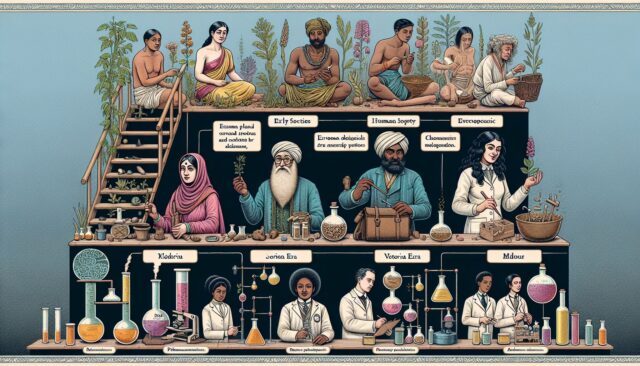
The Evolution of the Pharmaceutical Industry: Advancements in Medicine

In recent years, the pharmaceutical industry has made significant strides in the development of new medicines and treatments. This rapid progress is driven by advancements in technology, increased funding for research, and a growing understanding of complex health conditions.

One of the most significant breakthroughs in the pharmaceutical industry is the development of biologic medications. These drugs are made from living organisms and are used to treat a wide range of diseases, including autoimmune disorders, cancer, and infectious diseases. Biologic medications have proven to be highly effective in treating these conditions, often with fewer side effects than traditional chemical-based drugs.

Another major advancement in the pharmaceutical industry is the use of precision medicine. This approach involves identifying genetic variations in patients that may affect their response to certain medications. By tailoring treatments to individual patients based on their genetic makeup, doctors can provide more effective and personalized care.

The pharmaceutical industry has also seen a rise in the development of innovative drug delivery systems. These systems include oral dissolvable films, transdermal patches, and implantable devices that can deliver medication directly to the affected area of the body. These advancements have improved patient compliance and outcomes by making it easier for patients to adhere to their treatment regimens.

Despite these advancements, the pharmaceutical industry still faces challenges, such as the rising costs of drug development and the need for stricter regulations to ensure the safety and efficacy of new medications. Additionally, there is a growing demand for more affordable and accessible healthcare options, particularly in developing countries.

In conclusion, the pharmaceutical industry continues to play a vital role in advancing medicine and improving patient outcomes. With continued research and innovation, we can expect to see even more groundbreaking treatments and medications in the years to come. As we move forward, it is essential for policymakers, healthcare providers, and industry stakeholders to work together to address the challenges facing the industry and ensure that patients have access to the best possible care.

The Impact of the Pharmaceutical Industry on Medicine

The pharmaceutical industry plays a crucial role in the development, manufacturing, and distribution of medicine worldwide. From life-saving drugs to everyday over-the-counter remedies, pharmaceutical companies are responsible for ensuring that people have access to the medications they need to stay healthy and manage their conditions.

In recent years, the pharmaceutical industry has faced criticism for issues such as high drug prices, unethical marketing practices, and conflicts of interest. However, it is important to recognize the positive impact that the industry has had on medicine and healthcare as a whole.

One of the key benefits of the pharmaceutical industry is its role in research and development. Pharmaceutical companies invest billions of dollars each year in developing new medications and treatments for a wide range of diseases and conditions. This research has led to important medical breakthroughs, such as vaccines for diseases like polio and HPV, and new treatments for conditions like cancer and diabetes.

In addition to developing new drugs, the pharmaceutical industry also plays a critical role in manufacturing and distributing medications to patients. Without the infrastructure and resources of pharmaceutical companies, many people would not have access to the drugs they need to manage their health conditions. The industry also invests in technologies and processes to ensure that medications are safe, effective, and of high quality.

Despite these important contributions, the pharmaceutical industry is not without its challenges. Issues such as drug pricing, insurance coverage, and access to medications can make it difficult for some people to afford the drugs they need. In addition, concerns about the influence of pharmaceutical companies on healthcare policy and medical research have led to calls for greater transparency and accountability in the industry.

Overall, the pharmaceutical industry plays a vital role in the development and delivery of medicine. While there are certainly areas for improvement, it is important to recognize the significant contributions that pharmaceutical companies make to healthcare and to continue working towards a more equitable and sustainable healthcare system for all.

In conclusion, the pharmaceutical industry has a profound impact on medicine and healthcare, from research and development to manufacturing and distribution. Despite the challenges it faces, the industry plays a crucial role in ensuring that people have access to the medications they need to stay healthy and manage their conditions. By addressing issues such as drug pricing and access, we can work towards a healthcare system that is fair, efficient, and effective for all.

The Evolution of the Pharmaceutical Industry

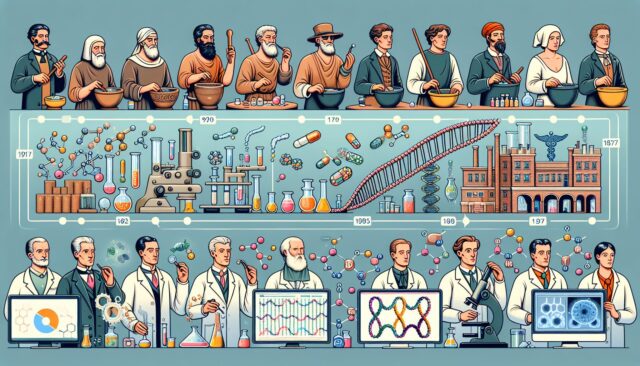
From ancient herbal remedies to cutting-edge biotechnology, the pharmaceutical industry has come a long way in providing medicine to treat a wide range of illnesses and conditions. The development of pharmaceuticals has revolutionized healthcare, making it possible to cure diseases that were once considered fatal and improve the quality of life for millions of people.

The pharmaceutical industry is constantly evolving, with new drugs and treatments being developed and tested every day. This rapid pace of innovation is driven by a combination of scientific advancements, regulatory requirements, and market demand. Pharmaceutical companies invest billions of dollars in research and development each year to create new medications and improve upon existing ones.

One of the key challenges facing the pharmaceutical industry is the high cost of drug development. It can take over a decade and billions of dollars to bring a new drug to market, and there is no guarantee of success. In order to recoup their investments, pharmaceutical companies often charge high prices for their medications. This has led to criticism from consumers, policymakers, and healthcare providers who argue that access to essential medicines should be more affordable.

Despite these challenges, the pharmaceutical industry plays a crucial role in improving public health. By developing new treatments for diseases such as cancer, HIV/AIDS, and heart disease, pharmaceutical companies have helped to extend and improve the lives of patients around the world. In addition to developing new drugs, the industry also invests in research to better understand the underlying causes of diseases and develop more effective treatment strategies.

The future of the pharmaceutical industry is promising, with continued advancements in areas such as personalized medicine, gene therapy, and immunotherapy. These innovative approaches have the potential to revolutionize healthcare by tailoring treatments to individual patients and targeting specific disease mechanisms. As technology continues to advance, the pharmaceutical industry will play an increasingly important role in shaping the future of medicine.

In conclusion, the pharmaceutical industry has made significant contributions to healthcare by developing life-saving medications and improving the quality of life for patients. While there are challenges such as high drug costs and regulatory hurdles, the industry continues to innovate and drive progress in the field of medicine. With ongoing research and development efforts, the pharmaceutical industry will continue to play a vital role in addressing global health challenges and improving patient outcomes.

The Vital Role of the Pharmaceutical Industry in Advancing Medicine

The pharmaceutical industry plays a critical role in advancing medicine and improving healthcare outcomes for people around the world. From drug research and development to manufacturing and distribution, pharmaceutical companies are responsible for bringing life-saving medications to market and ensuring they are safe and effective for patients.

One of the key functions of the pharmaceutical industry is drug discovery and development. This process involves identifying new compounds that have the potential to treat a specific disease or condition. Research and development teams work tirelessly to conduct preclinical studies, clinical trials, and regulatory submissions to bring a new drug to market. This process can take several years and cost billions of dollars, but the end result is a medication that can improve or save lives.

Once a new drug is approved by regulatory agencies, pharmaceutical companies are responsible for manufacturing and distributing the medication to healthcare providers and patients. Manufacturing facilities must adhere to strict quality control standards to ensure the drugs are safe, effective, and free from contamination. Distribution networks help get medications to pharmacies, hospitals, and clinics so they can be prescribed and administered to patients in need.

The pharmaceutical industry also plays a crucial role in ensuring that medications are used safely and effectively. This includes conducting post-marketing surveillance studies to monitor for any potential side effects or adverse reactions to a drug. Pharmaceutical companies also provide healthcare professionals and patients with important information about how to use a medication correctly and what to watch out for in terms of potential side effects.

In addition to developing and manufacturing medications, the pharmaceutical industry also invests heavily in research and development to find new treatments for challenging diseases and conditions. This includes researching new target molecules, developing novel drug delivery systems, and exploring personalized medicine approaches to tailor treatments to individual patients. These ongoing efforts are critical for addressing unmet medical needs and improving patient outcomes.

In conclusion, the pharmaceutical industry plays a vital role in advancing medicine and improving healthcare outcomes for people around the world. From drug discovery and development to manufacturing and distribution, pharmaceutical companies are essential partners in the fight against disease and illness. By investing in research, developing new treatments, and ensuring medications are safe and effective, the pharmaceutical industry helps to save lives and improve quality of life for millions of people.

The Impact of Pharmaceuticals on Modern Medicine

In today’s fast-paced world, the pharmaceutical industry plays a vital role in the development and advancement of medicine. From creating life-saving drugs to improving the quality of life for millions of people worldwide, pharmaceutical companies have revolutionized the way we treat and manage various medical conditions.

One of the most significant contributions of the pharmaceutical industry is the development of vaccines. Vaccines have been instrumental in eradicating deadly diseases such as smallpox and polio, and continue to play a crucial role in preventing the spread of infectious diseases like influenza and measles. The pharmaceutical industry invests billions of dollars in research and development to create safe and effective vaccines that protect public health and save countless lives.

In addition to vaccines, pharmaceutical companies also develop a wide range of medications to treat chronic and acute diseases. From antibiotics to cancer treatments, pharmaceuticals have transformed the way we manage illnesses and improve patient outcomes. These medications go through rigorous testing and clinical trials to ensure their safety and efficacy before they are approved for use by regulatory agencies.

Furthermore, the pharmaceutical industry is constantly striving to innovate and discover new therapies to address unmet medical needs. This includes developing personalized medicines based on a patient’s genetic makeup, as well as exploring new approaches to treating complex diseases such as Alzheimer’s and autoimmune disorders. These advancements have the potential to revolutionize the field of medicine and provide patients with more targeted and effective treatments.

While the pharmaceutical industry has made significant strides in improving healthcare, it is not without its challenges. Rising healthcare costs, access to medications, and concerns over drug pricing are just a few of the issues facing the industry today. Pharmaceutical companies must navigate these challenges while continuing to invest in research and development to bring new and innovative drugs to market.

In conclusion, the pharmaceutical industry plays a crucial role in modern medicine by developing life-saving drugs, vaccines, and treatments for a wide range of medical conditions. Through innovation, research, and collaboration, pharmaceutical companies have the power to shape the future of healthcare and improve the lives of millions of people worldwide. As we look to the future, it is essential that the pharmaceutical industry continues to prioritize patient care, safety, and access to medications to ensure a healthier and more prosperous society.

The Evolution of the Pharmaceutical Industry and Medicine

The pharmaceutical industry is a vast and ever-changing field that plays a crucial role in the advancement of medicine and healthcare. From the discovery of penicillin to the development of life-saving vaccines, pharmaceutical companies have been at the forefront of medical innovation for decades.

In recent years, the pharmaceutical industry has seen significant growth and evolution. With advancements in technology and research, new medications and treatments are being developed at a rapid pace. This has led to improved outcomes for patients and has helped reduce the burden of disease worldwide.

One of the key drivers of this growth is the increasing focus on personalized medicine. By tailoring treatments to individual patients based on their genetic makeup, lifestyle, and other factors, healthcare providers can deliver more effective and targeted care. This has the potential to revolutionize the way we approach healthcare and improve patient outcomes in the long run.

Another important trend in the pharmaceutical industry is the rise of biologics and gene therapy. These innovative treatments are derived from living organisms and have the potential to treat a wide range of diseases, including cancer, autoimmune disorders, and genetic disorders. As research in this area continues to advance, we can expect to see even more groundbreaking therapies enter the market.

However, with great innovation comes great responsibility. The pharmaceutical industry is not without its challenges, including concerns about drug pricing, access to medications, and potential side effects. Companies must strike a balance between developing life-saving treatments and ensuring that they are affordable and accessible to those who need them.

In conclusion, the pharmaceutical industry and medicine have come a long way in recent years, thanks to advancements in research, technology, and personalized medicine. With further investments in research and development, we can expect to see even more breakthroughs in the years to come. As we continue to navigate the complexities of healthcare, it is important for pharmaceutical companies to prioritize patient care and safety above all else. By working together, we can ensure a healthier and brighter future for all.

The Impact of the Pharmaceutical Industry on Medicine

The pharmaceutical industry plays a crucial role in the development, manufacturing, and distribution of medications that save lives and improve quality of life for millions of people around the world. From prescription drugs to over-the-counter remedies, the industry is constantly evolving and innovating to meet the ever-changing healthcare needs of society.

In recent years, the pharmaceutical industry has faced criticism for high drug prices and perceived monopolistic practices. However, it’s important to recognize the invaluable contributions that the industry has made to medicine and public health. Without the research and development efforts of pharmaceutical companies, many life-saving medications would not exist today.

One of the key areas where the pharmaceutical industry has had a profound impact is in the treatment of chronic diseases such as cancer, diabetes, and heart disease. Through innovative drug therapies, patients are able to manage their conditions and live longer, healthier lives. Additionally, the industry has played a critical role in the fight against infectious diseases, developing vaccines and antibiotics that have saved countless lives.

The pharmaceutical industry also plays a vital role in the development of new treatments and cures for rare diseases. These conditions, which often affect small patient populations, may not be financially viable for other sectors to invest in research and development. Pharmaceutical companies, with their resources and expertise, are able to take on these challenges and bring hope to patients who have few treatment options available to them.

While the pharmaceutical industry has made tremendous strides in advancing medicine, there are still areas where improvements can be made. Access to affordable medications, drug safety, and transparency in clinical trials are all issues that need to be addressed to ensure that patients receive the best care possible.

In conclusion, the pharmaceutical industry is an essential player in the field of medicine, driving innovation, research, and development of new treatments that improve patient outcomes and save lives. While there are challenges that need to be overcome, the industry’s impact on medicine cannot be understated. It is through the collaboration and dedication of pharmaceutical companies, healthcare providers, and patients that we can continue to push the boundaries of what is possible in healthcare.

The Role of the Pharmaceutical Industry in Modern Medicine

In today’s world, the pharmaceutical industry plays a critical role in advancing healthcare and improving the quality of life for millions of people around the globe. From developing new drugs to manufacturing and distributing medications, pharmaceutical companies are at the forefront of innovation and research in the field of medicine.

The pharmaceutical industry is responsible for the discovery and development of new medications to treat a wide range of illnesses and conditions. Through rigorous testing and clinical trials, pharmaceutical companies bring new drugs to market that have the potential to save lives and improve health outcomes for patients. These advancements in medicine have revolutionized the treatment of many diseases, from cancer to HIV/AIDS to chronic conditions like diabetes and hypertension.

In addition to developing new medications, the pharmaceutical industry also plays a key role in manufacturing and distributing drugs to healthcare providers and patients. Pharmaceutical companies must adhere to strict regulations and quality control standards to ensure that medications are safe, effective, and of high quality. This ensures that patients receive the proper treatment they need to manage their conditions and improve their well-being.

Furthermore, the pharmaceutical industry invests heavily in research and development to continuously improve existing medications and develop new therapies for emerging health challenges. This commitment to innovation drives progress in healthcare and enables patients to access cutting-edge treatments that can significantly impact their lives. Without the ongoing contributions of the pharmaceutical industry, medical advancements may be limited, and patients may not have access to the latest treatments and therapies.

In conclusion, the pharmaceutical industry plays a vital role in advancing modern medicine and improving healthcare outcomes for patients worldwide. From developing new medications to manufacturing and distributing drugs, pharmaceutical companies are committed to innovation and research to address the health needs of society. Through their efforts, the pharmaceutical industry continues to revolutionize healthcare and contribute to the well-being of individuals and communities.

The Impact of the Pharmaceutical Industry on Medicine

The pharmaceutical industry plays a crucial role in shaping the field of medicine. From research and development of new drugs to marketing and distribution, pharmaceutical companies are at the forefront of advancing medical science and improving healthcare outcomes.

One of the key contributions of the pharmaceutical industry is in the discovery and development of new medications. Through extensive research and clinical trials, pharmaceutical companies are able to create innovative drugs that can treat a wide range of diseases and conditions. These medications undergo rigorous testing to ensure their safety and efficacy before they are approved for use by regulatory agencies.

In addition to developing new drugs, pharmaceutical companies also play a vital role in manufacturing and distributing medications to healthcare providers and patients. This involves ensuring that drugs are produced in accordance with strict quality control standards and are delivered in a timely manner to those in need.

Furthermore, the pharmaceutical industry invests heavily in marketing and sales to promote their products to healthcare professionals and consumers. This includes advertising campaigns, sales representatives, and educational initiatives to raise awareness about the benefits of their medications. While this can be seen as a necessary part of doing business, critics argue that aggressive marketing tactics can lead to overprescribing of medications and contribute to rising healthcare costs.

Despite these challenges, the pharmaceutical industry has made significant advancements in medicine and has revolutionized the way we prevent and treat diseases. From antibiotics and vaccines to biologic therapies and personalized medicine, pharmaceutical companies continue to push the boundaries of medical science to improve patient outcomes and quality of life.

In conclusion, the pharmaceutical industry plays a critical role in driving innovation and progress in the field of medicine. While there are issues surrounding drug pricing, marketing practices, and access to medications, it is important to recognize the positive impact that pharmaceutical companies have on healthcare worldwide. By working together with healthcare providers, regulators, and patients, the pharmaceutical industry can continue to develop new treatments and therapies that benefit society as a whole.