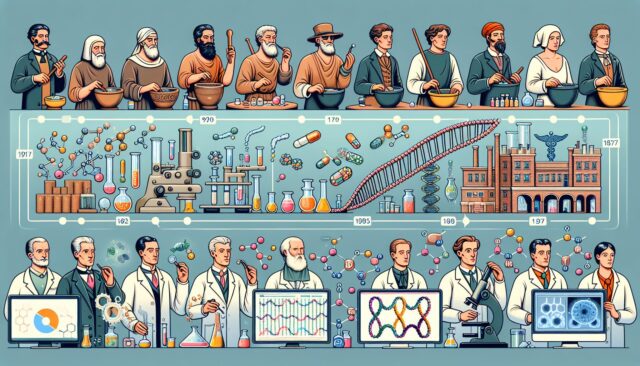
From ancient herbal remedies to cutting-edge biotechnology, the pharmaceutical industry has come a long way in providing medicine to treat a wide range of illnesses and conditions. The development of pharmaceuticals has revolutionized healthcare, making it possible to cure diseases that were once considered fatal and improve the quality of life for millions of people.
The pharmaceutical industry is constantly evolving, with new drugs and treatments being developed and tested every day. This rapid pace of innovation is driven by a combination of scientific advancements, regulatory requirements, and market demand. Pharmaceutical companies invest billions of dollars in research and development each year to create new medications and improve upon existing ones.
One of the key challenges facing the pharmaceutical industry is the high cost of drug development. It can take over a decade and billions of dollars to bring a new drug to market, and there is no guarantee of success. In order to recoup their investments, pharmaceutical companies often charge high prices for their medications. This has led to criticism from consumers, policymakers, and healthcare providers who argue that access to essential medicines should be more affordable.
Despite these challenges, the pharmaceutical industry plays a crucial role in improving public health. By developing new treatments for diseases such as cancer, HIV/AIDS, and heart disease, pharmaceutical companies have helped to extend and improve the lives of patients around the world. In addition to developing new drugs, the industry also invests in research to better understand the underlying causes of diseases and develop more effective treatment strategies.
The future of the pharmaceutical industry is promising, with continued advancements in areas such as personalized medicine, gene therapy, and immunotherapy. These innovative approaches have the potential to revolutionize healthcare by tailoring treatments to individual patients and targeting specific disease mechanisms. As technology continues to advance, the pharmaceutical industry will play an increasingly important role in shaping the future of medicine.
In conclusion, the pharmaceutical industry has made significant contributions to healthcare by developing life-saving medications and improving the quality of life for patients. While there are challenges such as high drug costs and regulatory hurdles, the industry continues to innovate and drive progress in the field of medicine. With ongoing research and development efforts, the pharmaceutical industry will continue to play a vital role in addressing global health challenges and improving patient outcomes.