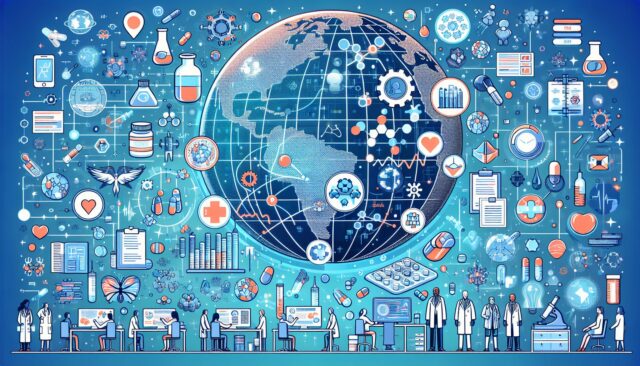
From ancient remedies to modern vaccines, medicine has always played a crucial role in the field of healthcare. The pharmaceutical industry, which is responsible for the development, production, and marketing of drugs, has continuously evolved over time. One of the key factors driving this evolution is the integration of technology into the pharmaceutical industry.
Advancements in technology have revolutionized the way medicines are developed and administered. With the help of artificial intelligence and machine learning, pharmaceutical companies can now analyze vast amounts of data to identify potential drug candidates more efficiently. This has led to the discovery of new treatments for various diseases and has accelerated the drug development process.
In addition to drug discovery, technology has also improved the manufacturing and quality control processes in the pharmaceutical industry. Automation and robotics have made drug production more precise and efficient, reducing the risk of errors and contamination. This has significantly improved the safety and efficacy of medicines, ensuring that patients receive high-quality treatments.
Furthermore, technology has enabled the development of innovative drug delivery systems, such as nanoparticles and implants, which allow for targeted and controlled release of medications. This has improved the effectiveness of treatments and reduced side effects for patients. Additionally, the use of telemedicine and digital health platforms has made healthcare more accessible and convenient for patients, especially those in remote areas.
Despite these advancements, the pharmaceutical industry still faces challenges, such as the rising costs of drug development and the increasing regulatory requirements. However, by leveraging technology and collaborating with other stakeholders in the healthcare industry, pharmaceutical companies can overcome these challenges and continue to drive innovation in medicine.
In conclusion, technology has had a profound impact on the pharmaceutical industry, transforming the way medicines are developed, produced, and administered. This has led to the discovery of new treatments, improved manufacturing processes, and enhanced patient care. As technology continues to advance, the pharmaceutical industry will play an even greater role in revolutionizing healthcare and improving the lives of patients worldwide.