The Pharmaceutical Industry: Advancements in Medicine

The pharmaceutical industry plays a crucial role in the development and production of medicine that helps treat various health conditions and improve quality of life. Pharmaceutical companies invest millions of dollars into research and development to create innovative therapies that can save lives and alleviate suffering.

One of the key aspects of the pharmaceutical industry is the rigorous process of drug discovery and approval. Researchers and scientists work tirelessly to identify new compounds that have the potential to treat diseases effectively. These compounds undergo extensive testing in preclinical and clinical trials before they can be approved by regulatory agencies like the FDA.

Once a drug is approved, pharmaceutical companies must manufacture it on a large scale to meet the demand of patients worldwide. This requires state-of-the-art facilities that adhere to strict quality control standards to ensure the safety and efficacy of the medicine.

In recent years, there have been significant advancements in the pharmaceutical industry that have revolutionized the way we treat diseases. Biologics, for example, are a new class of drugs made from living organisms that have shown great promise in treating conditions like cancer, rheumatoid arthritis, and in some cases, COVID-19.

Personalized medicine is another breakthrough in the industry that tailors treatment to an individual’s genetic makeup. This approach allows healthcare providers to prescribe the most effective medication for a patient based on their unique genetic profile, leading to better outcomes and fewer side effects.

Despite these advancements, the pharmaceutical industry faces challenges such as rising drug prices, patent expirations, and increasing regulatory scrutiny. Critics argue that some companies prioritize profits over patient well-being, leading to issues like the opioid epidemic and high drug costs.

In conclusion, the pharmaceutical industry plays a vital role in advancing medicine and improving public health. Through continued research and innovation, we can expect to see even more groundbreaking treatments that address unmet medical needs and help patients live healthier, longer lives. It is important for pharmaceutical companies to prioritize ethical practices and patient safety to maintain the trust and confidence of healthcare providers and the general public.

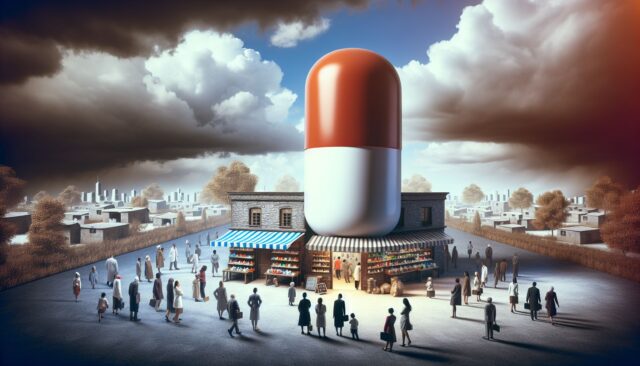
The Influence of the Pharmaceutical Industry on Medicine

The pharmaceutical industry plays a vital role in the development, production, and distribution of medicine worldwide. With advancements in technology and research, pharmaceutical companies are continuously working to improve healthcare outcomes through the creation of innovative drugs and treatments. However, the industry also faces criticism for its high costs, marketing practices, and ethical considerations.

One of the key ways in which the pharmaceutical industry influences medicine is through drug development. Companies invest significant resources into researching and testing new medications to address a range of health conditions. This process involves clinical trials, regulatory approvals, and post-market surveillance to ensure the safety and effectiveness of the drugs being brought to market.

In addition to drug development, pharmaceutical companies also play a crucial role in the production and distribution of medications. They work with healthcare providers, pharmacies, and insurance companies to ensure that patients have access to the drugs they need. This includes manufacturing medications at scale, maintaining quality control standards, and managing supply chains to deliver drugs to patients in a timely manner.

Despite the positive impact of the pharmaceutical industry on medicine, there are also challenges that must be addressed. One of the most significant issues is the high cost of prescription drugs, which can make treatment unaffordable for many patients. This has led to debates about healthcare policy, pricing transparency, and the role of government regulation in controlling drug prices.

Furthermore, the pharmaceutical industry has faced criticism for its marketing practices, including direct-to-consumer advertising and the influence of drug representatives on healthcare providers. There are concerns about conflicts of interest, overprescribing of medications, and the prioritization of profits over patient health. As such, there is a need for greater transparency and ethical standards within the industry.

In conclusion, the pharmaceutical industry has a profound impact on medicine, driving innovation, and improving healthcare outcomes for patients around the world. However, there are also challenges that must be addressed to ensure that medications are accessible, affordable, and safe for all individuals. By promoting transparency, accountability, and ethical practices, the industry can continue to play a positive role in advancing healthcare for years to come.

The Impact of the Pharmaceutical Industry on Medicine

The pharmaceutical industry plays a vital role in the development and production of medicines that improve the health and well-being of individuals around the world. From research and development to manufacturing and distribution, pharmaceutical companies are responsible for bringing life-saving drugs to the market.

In the field of medicine, pharmaceutical companies invest heavily in research and development to discover new treatments and cures for various diseases. This investment in innovation has led to the development of groundbreaking drugs that have transformed the way we treat illnesses such as cancer, diabetes, and heart disease. Without the pharmaceutical industry, many of these life-saving medications would not exist.

In addition to developing new drugs, pharmaceutical companies also play a crucial role in ensuring the safety and efficacy of medications. Before a drug can be approved for use by regulatory agencies, it must undergo rigorous testing to demonstrate its safety and effectiveness. This process helps to protect patients from harmful side effects and ensures that they receive high-quality medications.

Furthermore, the pharmaceutical industry plays a key role in manufacturing and distributing medications to patients around the world. By investing in state-of-the-art manufacturing facilities and supply chains, pharmaceutical companies can produce and deliver medications efficiently and effectively. This helps to ensure that patients have access to the medications they need when they need them.

Despite the many benefits that the pharmaceutical industry brings to medicine, it is not without its challenges. The high cost of prescription medications, for example, has become a major concern for patients and healthcare providers alike. Pharmaceutical companies must balance the need to recoup their investments in research and development with the need to make medications affordable and accessible to those who need them.

In conclusion, the pharmaceutical industry plays a critical role in advancing medicine and improving the health of individuals worldwide. Through research and development, manufacturing, and distribution, pharmaceutical companies help to bring life-saving medications to the market. While there are challenges to be addressed, the pharmaceutical industry continues to be a driving force in the field of medicine.

By working together with healthcare providers, patients, and regulators, the pharmaceutical industry can continue to make a positive impact on the health and well-being of individuals around the world. Through collaboration and innovation, we can build a better future for medicine and ensure that patients have access to the medications they need to live healthy lives.

The Power and Influence of the Pharmaceutical Industry

The pharmaceutical industry plays a crucial role in modern society by developing and manufacturing medications that improve and save countless lives. However, like any other industry, it also has its fair share of controversies and challenges.

The Role of the Pharmaceutical Industry
The pharmaceutical industry is responsible for discovering, developing, producing, and marketing drugs for use as medications to cure, alleviate, treat, or prevent various diseases. It employs scientists, researchers, and other professionals who work tirelessly to create safe and effective medications that meet the needs of patients worldwide.

Challenges Facing the Pharmaceutical Industry
The pharmaceutical industry faces numerous challenges, including the high cost of research and development, stringent regulations, and intellectual property rights. Additionally, there are concerns about the pricing of medications and access to essential drugs for patients in developing countries. Critics also point to the influence of pharmaceutical companies on healthcare policies and medical practices.

Impact of the Pharmaceutical Industry
Despite these challenges, the pharmaceutical industry has had a significant impact on public health. It has developed life-saving medications for diseases such as HIV, cancer, diabetes, and heart disease. Vaccines produced by pharmaceutical companies have helped eradicate diseases like polio and measles. The industry also invests in research and development to address emerging health threats, such as antibiotic resistance and pandemic outbreaks.

Regulation and Oversight
To ensure the safety and efficacy of medications, government agencies, such as the Food and Drug Administration (FDA) in the United States, regulate the pharmaceutical industry. These agencies oversee the development, testing, and approval of drugs before they can be marketed to the public. Regulatory bodies also monitor post-market safety and conduct inspections to ensure compliance with good manufacturing practices.

Conclusion
The pharmaceutical industry plays a vital role in advancing healthcare and improving the quality of life for millions of people around the world. While it faces challenges and controversies, the industry’s commitment to research, innovation, and patient care is undeniable. As we navigate the complexities of healthcare, it is essential to strike a balance between incentivizing pharmaceutical companies to develop new medications and ensuring affordable access to essential drugs for all those in need. By working together, we can harness the power and influence of the pharmaceutical industry to create a healthier and more prosperous future for all.

The Pharmaceutical Industry and Medicine

The pharmaceutical industry plays a crucial role in the development, production, and distribution of medicines that improve and save lives. From painkillers to vaccines, the work of pharmaceutical companies has a direct impact on public health and well-being.

One of the key functions of the pharmaceutical industry is drug research and development. This involves identifying potential compounds that could be used as medicines, testing their safety and efficacy, and conducting clinical trials to determine their effectiveness. This process can take years and requires significant investment in resources and expertise.

Once a new medicine has been developed, pharmaceutical companies must obtain regulatory approval from government agencies such as the FDA before it can be marketed and sold to the public. This involves demonstrating the drug’s safety and effectiveness through rigorous testing and documentation.

In addition to research and development, pharmaceutical companies also have a role in manufacturing and distributing medicines. This involves ensuring that drugs are produced to the highest quality standards and distributed efficiently to healthcare providers and patients.

However, the pharmaceutical industry is not without its controversies. Concerns have been raised about the high cost of many prescription medicines, which can put them out of reach for some patients. There have also been instances of unethical behavior, such as marketing drugs for off-label uses or hiding negative results from clinical trials.

Despite these challenges, the pharmaceutical industry continues to play a vital role in healthcare. New breakthroughs in medicine, such as cell and gene therapies, are offering hope for patients with previously untreatable conditions. Companies are also investing in research into rare diseases and global health issues to address unmet medical needs.

In conclusion, the pharmaceutical industry and medicine are deeply interconnected, with pharmaceutical companies driving innovation and advancements in healthcare. While there are challenges and controversies to navigate, the ultimate goal of improving patient outcomes and public health remains at the forefront of the industry’s mission. By continuing to prioritize patient safety and ethical practices, the pharmaceutical industry can continue to make a positive impact on society.

The Role of the Pharmaceutical Industry in Providing Medicine

The pharmaceutical industry plays a crucial role in providing medicine to billions of people around the world. From over-the-counter painkillers to life-saving treatments for rare diseases, pharmaceutical companies are constantly researching, developing, and manufacturing new drugs to improve our health and well-being.

In the past century, incredible advancements have been made in medicine thanks to the work of pharmaceutical companies. Diseases that were once considered death sentences are now manageable chronic conditions, and new breakthroughs continue to be made every year. The pharmaceutical industry invests billions of dollars in research and development to discover new treatments, improve existing ones, and ensure that patients have access to the best possible care.

One of the most important aspects of the pharmaceutical industry is drug safety. Before a new drug can be approved for use, it must undergo rigorous testing to ensure that it is both effective and safe for patients. This process can take many years and involve multiple stages of clinical trials, but it is essential to protect the health and well-being of those who will ultimately benefit from the medication.

In addition to researching and developing new drugs, pharmaceutical companies also play a key role in manufacturing and distributing medicine. They work closely with healthcare providers, pharmacies, and regulatory agencies to ensure that drugs are produced to the highest standards and made available to those who need them. This complex supply chain is essential for getting medication into the hands of patients in a timely and efficient manner.

Despite the many benefits that the pharmaceutical industry provides, it is not without its challenges. Drug pricing, access to medication, and ethical considerations are just a few of the issues that the industry must navigate. Pharmaceutical companies must balance the need for profitability with the desire to make life-saving treatments accessible to all, a delicate balance that requires careful consideration and constant evaluation.

In conclusion, the pharmaceutical industry plays a vital role in providing medicine to people around the world. Through research, development, manufacturing, and distribution, pharmaceutical companies are able to deliver life-saving medications to those in need. While there are challenges that must be addressed, the industry continues to innovate and improve the way we treat and manage illness. Thanks to the efforts of those working in the pharmaceutical industry, millions of lives have been saved and improved, and the future of medicine looks brighter than ever.

The Impact of the Pharmaceutical Industry on Medicine

The pharmaceutical industry plays a significant role in the field of medicine, working tirelessly to develop new drugs and treatments that can improve the health and well-being of people around the world. From researching and testing new medications to manufacturing and distributing them, pharmaceutical companies are at the forefront of medical innovation.

One of the key contributions of the pharmaceutical industry to medicine is the development of new drugs to treat a wide range of diseases and conditions. Through ongoing research and clinical trials, pharmaceutical companies are constantly working to identify new compounds and molecules that have the potential to become effective treatments. This process can take years, as potential drugs must go through rigorous testing to ensure their safety and efficacy before being approved for use by regulatory agencies.

In addition to developing new drugs, pharmaceutical companies also play a crucial role in producing and distributing existing medications. By manufacturing large quantities of drugs and ensuring their quality and safety, pharmaceutical companies help to ensure that patients have access to the treatments they need. This includes not only prescription medications, but also over-the-counter drugs and vaccines that are essential for preventing and treating various illnesses.

Furthermore, the pharmaceutical industry is also involved in the research and development of new technologies and medical devices that can improve patient care and outcomes. From advanced imaging techniques to innovative drug delivery systems, pharmaceutical companies are constantly pushing the boundaries of what is possible in the field of medicine. These new technologies have the potential to revolutionize healthcare and provide patients with better options for diagnosis and treatment.

Despite these advancements, the pharmaceutical industry is not without its challenges. Companies must navigate complex regulatory processes and face increasing pressure to develop cost-effective treatments that are accessible to all patients. Additionally, concerns about drug pricing and transparency have led to calls for greater accountability and oversight within the industry.

In conclusion, the pharmaceutical industry plays a vital role in driving progress in the field of medicine. Through their research, development, and manufacturing efforts, pharmaceutical companies are constantly working to improve healthcare outcomes and enhance the quality of life for patients. While there are challenges to overcome, the dedication and innovation of the pharmaceutical industry continue to pave the way for advancements in medical treatment and technology.

The Impact of Pharmaceuticals on Modern Medicine

The pharmaceutical industry plays a crucial role in the development and advancement of medicine. Through research, testing, and production, pharmaceutical companies provide essential drugs and treatments that improve health outcomes for millions of people around the world.

In recent years, the pharmaceutical industry has made significant strides in developing innovative medications to treat a wide range of conditions, from chronic diseases like diabetes and heart disease to rare genetic disorders and infectious diseases. These breakthroughs have helped to extend and improve the quality of life for many patients.

Pharmaceutical companies invest billions of dollars in research and development each year to discover new drugs and bring them to market. This investment is essential for driving innovation and pushing the boundaries of what is possible in medicine. Without the resources and expertise of pharmaceutical companies, many life-saving treatments would not exist today.

However, the pharmaceutical industry also faces challenges, such as increasing regulatory scrutiny, pricing pressures, and concerns about the ethical implications of drug development. Issues like drug affordability, access to medications, and transparency in clinical trials continue to be hot topics of debate within the industry.

Despite these challenges, the pharmaceutical industry remains a vital pillar of modern healthcare. Without the contributions of pharmaceutical companies, many medical breakthroughs would not have been possible, and countless lives would have been lost. Through collaboration with healthcare providers, researchers, and regulatory agencies, the pharmaceutical industry continues to drive progress and innovation in the field of medicine.

In conclusion, the pharmaceutical industry plays a crucial role in advancing modern medicine and improving patient outcomes. While facing challenges and criticisms, pharmaceutical companies continue to innovate and develop life-saving treatments for a wide range of conditions. As we look to the future, it is essential that we support and collaborate with the pharmaceutical industry to ensure continued progress in healthcare and the development of new and improved medications for patients around the world.

The Role of the Pharmaceutical Industry in Advancing Medicine

The pharmaceutical industry plays a crucial role in the advancement of medicine. Through research, development, and production of medications, this industry helps to improve the health and well-being of individuals around the world.

In the field of pharmaceuticals, companies invest millions of dollars in research and development to discover new medications and treatments for a variety of diseases and conditions. This research is essential for addressing the growing healthcare needs of populations globally.

One of the key contributions of the pharmaceutical industry is the development of new drugs to treat previously untreatable or poorly managed conditions. For example, in recent years, pharmaceutical companies have developed targeted therapies for cancer, biologics for autoimmune diseases, and innovative treatments for rare diseases. These advancements have significantly improved the quality of life and life expectancy for many patients.

In addition to developing new treatments, the pharmaceutical industry also plays a vital role in ensuring the safety and efficacy of medications. Before a new drug can be brought to market, it must undergo rigorous testing in clinical trials to demonstrate its safety and effectiveness. This process helps to protect patients from potentially harmful or ineffective medications.

Furthermore, pharmaceutical companies are responsible for manufacturing and distributing medications to healthcare providers and patients. This ensures that patients have access to the medications they need to manage their health conditions and improve their overall well-being.

Despite the many contributions of the pharmaceutical industry to healthcare, it is not without its challenges. One of the major challenges facing the industry is the rising cost of medications. The high cost of prescription drugs can be a barrier to access for many patients, particularly those without adequate insurance coverage.

In conclusion, the pharmaceutical industry plays a critical role in advancing medicine and improving patient outcomes. Through research, development, and production of medications, this industry helps to address the healthcare needs of populations globally. While challenges exist, such as the rising cost of medications, the industry continues to strive towards innovation and improved patient care.

The Role of the Pharmaceutical Industry in Advancing Medicine

The pharmaceutical industry plays a crucial role in the development and production of life-saving medications that improve the health and quality of life for millions of people around the world. From researching new drugs to manufacturing and distributing them, pharmaceutical companies are at the forefront of medical innovation.

One of the key responsibilities of the pharmaceutical industry is to conduct research and development to discover new drugs and treatments for a wide range of medical conditions. This process involves testing thousands of compounds to identify potential candidates for further study. Once a promising drug is identified, it undergoes rigorous testing in clinical trials to ensure its safety and effectiveness.

In addition to developing new drugs, pharmaceutical companies also play a significant role in manufacturing and distributing medications. This involves producing drugs in large quantities, ensuring they meet high-quality standards, and distributing them to pharmacies, hospitals, and other healthcare providers. The pharmaceutical industry also works closely with regulatory agencies to ensure that medications are safe and effective for patients.

Furthermore, the pharmaceutical industry is constantly investing in new technologies and research to improve existing medications and develop new treatments. This includes exploring innovative drug delivery systems, such as nanoparticles and biodegradable implants, to improve the effectiveness and convenience of drug administration.

Despite the important role the pharmaceutical industry plays in advancing medicine, it is not without its challenges. One of the biggest issues facing the industry is the rising cost of medications, which can make them inaccessible to patients who cannot afford them. Additionally, there are concerns about the influence of pharmaceutical companies on healthcare decisions and policies, as well as the need for greater transparency in drug pricing and marketing practices.

In conclusion, the pharmaceutical industry plays a critical role in advancing medicine by researching, developing, manufacturing, and distributing life-saving medications. Although there are challenges facing the industry, such as rising costs and ethical concerns, it continues to drive innovation and improve healthcare outcomes for patients worldwide. As we look to the future, it is essential that the pharmaceutical industry continues to prioritize patient safety, transparency, and accessibility in order to maintain public trust and confidence in the medications they provide.