The Pharmaceutical Industry: Revolutionizing Medicine

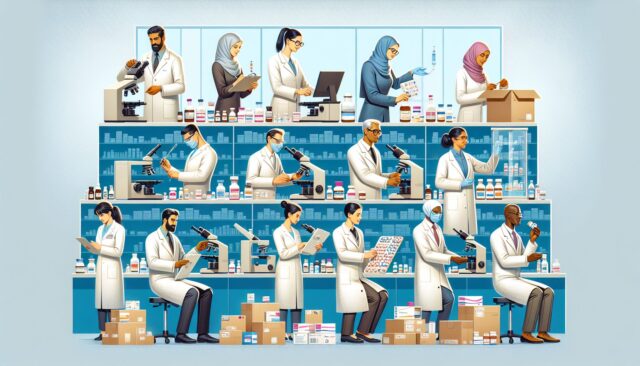
The pharmaceutical industry plays a crucial role in our society by developing and producing life-saving medications that improve the quality of life for millions of people worldwide. From antibiotics to vaccines, pharmaceutical companies are constantly researching and developing new drugs to treat a wide range of diseases and conditions.

One of the most significant contributions of the pharmaceutical industry is the development of vaccines. Vaccines have been instrumental in eradicating deadly diseases such as smallpox and drastically reducing the incidence of other infectious diseases like polio and measles. Thanks to the work of pharmaceutical companies, many people are protected from potentially life-threatening illnesses.

Additionally, the pharmaceutical industry has made great strides in the treatment of chronic conditions such as diabetes, hypertension, and cancer. Medications developed by pharmaceutical companies can help patients manage their symptoms, improve their quality of life, and in some cases, even cure their condition. The innovative research and development efforts of the industry have led to breakthrough therapies that have revolutionized medical treatment.

However, the pharmaceutical industry is not without its challenges. Critics argue that the high cost of medications is a barrier to access for many patients, especially those without insurance or with limited financial resources. Pharmaceutical companies often face criticism for prioritizing profits over public health and for engaging in practices that may hinder competition and drive up prices.

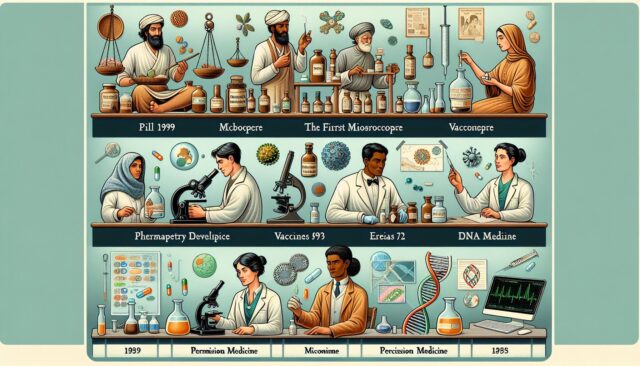
Despite these challenges, the pharmaceutical industry continues to play a vital role in advancing medicine and improving patient outcomes. Research and development efforts are ongoing, with companies investing billions of dollars each year to bring new drugs to market. The industry is also increasingly focused on personalized medicine, which tailors treatment plans to individual patients based on their genetic makeup and other factors.

In conclusion, the pharmaceutical industry is a key driver of innovation in medicine, with the potential to transform healthcare for the better. By developing new drugs, vaccines, and therapies, pharmaceutical companies are saving lives and improving quality of life for people around the world. While challenges remain, the industry’s commitment to research and development ensures that it will continue to make significant contributions to the field of medicine for years to come.

The Complex World of Pharmaceuticals: A Look into the Medicine Industry

In today’s world, the pharmaceutical industry plays a crucial role in providing medications to alleviate diseases and improve overall health. This industry is known for its innovation and research in developing new drugs and treatments, making it an essential component of healthcare systems worldwide.

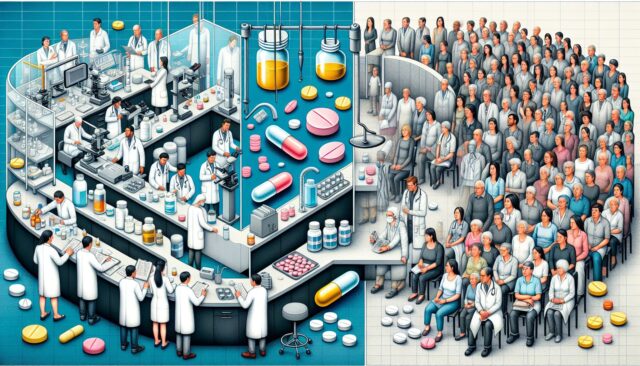
The pharmaceutical industry consists of various companies that research, develop, manufacture, and market medications to treat a wide range of conditions. These companies invest significant resources into research and development to discover new drugs and therapies that can benefit patients. The process of developing a new drug can take many years and involve clinical trials to ensure the safety and efficacy of the medication.

Pharmaceutical companies work closely with regulatory bodies, such as the Food and Drug Administration (FDA) in the United States, to ensure that medications meet strict safety and quality standards before they are approved for use. This rigorous process helps to protect patients from harmful side effects and ensures that they receive safe and effective treatments for their conditions.

The pharmaceutical industry also plays a role in addressing public health issues, such as outbreaks of infectious diseases and epidemics. Companies may collaborate with governments and international organizations to develop vaccines and treatments to combat these threats and protect public health.

Despite the benefits of the pharmaceutical industry, it is not without its challenges. One of the main concerns is the rising cost of medications, which can make them inaccessible to some patients. Pharmaceutical companies must balance the need to recoup their research and development costs with the need to make medications affordable for those who need them.

Another challenge is the issue of counterfeit or substandard medications, which can pose serious risks to patients. Regulatory bodies work to prevent the distribution of counterfeit drugs and ensure that medications meet quality standards, but this remains a ongoing concern in the industry.

In conclusion, the pharmaceutical industry plays a vital role in healthcare by developing medications to treat diseases and improve quality of life. While it faces challenges such as rising costs and counterfeit drugs, pharmaceutical companies continue to invest in research and development to bring innovative treatments to patients around the world. The industry’s commitment to improving public health makes it an essential part of the global healthcare system.

The Pharmaceutical Industry and Medicine: A Complex Relationship

The pharmaceutical industry plays a crucial role in the development, production, and distribution of medicines that improve the health and well-being of people around the world. From antibiotics to vaccines to treatments for chronic diseases, pharmaceutical companies invest billions of dollars in research and development to bring innovative therapies to market. However, the relationship between the pharmaceutical industry and medicine is complex and often fraught with challenges.

One of the key issues facing the pharmaceutical industry is the high cost of prescription drugs. Many people struggle to afford the medications they need, leading to disparities in access to healthcare. The high prices of drugs are often attributed to the costs of research and development, as well as marketing and distribution. Critics argue that pharmaceutical companies prioritize profits over the well-being of patients, leading to inflated prices for life-saving treatments.

Another challenge facing the pharmaceutical industry is the issue of drug safety and efficacy. While rigorous testing and regulation are in place to ensure that medications are safe and effective, there have been instances where drugs have been recalled due to serious side effects or lack of efficacy. The industry must continue to prioritize patient safety and transparency in clinical trials to build trust with both healthcare providers and consumers.

Despite these challenges, the pharmaceutical industry has made significant advancements in medicine that have revolutionized healthcare. Breakthrough medications have prolonged and improved the quality of life for countless individuals, from cancer patients to those with autoimmune diseases. The industry continues to invest in cutting-edge research and technology to develop new treatments for a wide range of health conditions.

In conclusion, the pharmaceutical industry and medicine have a complex relationship that is shaped by a variety of factors, including cost, safety, and innovation. While there are challenges that must be addressed, the industry plays a vital role in improving healthcare and advancing medical science. By continuing to prioritize patient safety, access to affordable medication, and innovation, the pharmaceutical industry can continue to make a positive impact on the lives of people around the world.

The Impact of the Pharmaceutical Industry on Medicine

Pharmaceutical companies play a vital role in the healthcare industry by researching, developing, and producing medications that help treat and prevent a wide range of illnesses and diseases. These companies invest billions of dollars in research and development each year to discover new treatments and improve existing ones.

One of the key benefits of the pharmaceutical industry is its ability to innovate and create new drugs that can significantly improve the quality of life for patients. For example, the development of antibiotics has revolutionized the treatment of bacterial infections, saving countless lives in the process. Additionally, the development of vaccines has helped to eradicate deadly diseases such as smallpox and significantly reduce the incidence of others like polio.

Pharmaceutical companies also play a crucial role in providing access to essential medications for people around the world. Through their global distribution networks, they are able to ensure that patients have access to the medications they need, regardless of where they live. This is particularly important in developing countries where access to healthcare can be limited.

However, the pharmaceutical industry is not without its controversies. One of the most significant issues facing the industry is the high cost of medications. The high prices of many prescription drugs can put a significant financial strain on patients, particularly those without insurance or with limited coverage. This has led to calls for increased regulation of drug pricing to ensure that medications are accessible and affordable for all patients.

Another issue facing the pharmaceutical industry is the prevalence of off-label prescribing, where medications are used for purposes other than those approved by regulatory agencies. While off-label prescribing is legal and can sometimes be beneficial, it can also lead to serious side effects and complications for patients. This highlights the importance of continued research and monitoring of medications to ensure their safety and effectiveness.

In conclusion, the pharmaceutical industry has made significant contributions to the field of medicine by developing life-saving medications and providing access to essential treatments. However, it also faces challenges such as high drug prices and off-label prescribing that must be addressed to ensure the safety and well-being of patients. By working together with healthcare providers, regulators, and patients, the pharmaceutical industry can continue to innovate and improve the quality of healthcare for people around the world.

The Pharmaceutical Industry: The Backbone of Modern Medicine

The pharmaceutical industry plays a crucial role in the development, production, and distribution of medicine. Without the innovations and advancements made by pharmaceutical companies, many life-saving treatments and medications would not be available to patients around the world.

The process of bringing a new drug to market is lengthy and complex, requiring years of research, testing, and regulatory approval. Pharmaceutical companies invest billions of dollars into research and development to discover new medications that can improve health outcomes and treat a wide range of conditions and diseases.

Once a new drug is discovered, it must undergo rigorous testing to ensure its safety and efficacy. This process involves preclinical studies in the laboratory, followed by clinical trials in human subjects. Only after successful completion of these trials can a drug be submitted for approval by regulatory agencies such as the Food and Drug Administration (FDA) in the United States.

The pharmaceutical industry also plays a crucial role in manufacturing and distributing medications to patients. Companies must adhere to strict quality control standards to ensure that drugs are produced safely and consistently. They must also navigate complex supply chains to ensure that medications reach patients in need in a timely manner.

In recent years, the pharmaceutical industry has faced increasing scrutiny over issues such as drug pricing and access to medications. Some drugs, particularly those used to treat rare diseases or chronic conditions, can be prohibitively expensive for patients without insurance coverage. This has led to calls for greater transparency and accountability in drug pricing, as well as efforts to expand access to affordable medications for all patients.

Despite these challenges, the pharmaceutical industry continues to play a vital role in advancing medical science and improving patient outcomes. From antibiotics to vaccines to cancer treatments, pharmaceutical companies have revolutionized the field of medicine and saved countless lives in the process.

In conclusion, the pharmaceutical industry is the backbone of modern medicine, driving innovation and progress in the development of new treatments and medications. While challenges remain, the industry’s commitment to improving health outcomes and advancing medical science is unwavering. As we look to the future, it is clear that the pharmaceutical industry will continue to play a critical role in shaping the future of healthcare for years to come.

The Pharmaceutical Industry: Advancing Medicine for Better Health

The pharmaceutical industry plays a vital role in advancing medicine and improving public health. Pharmaceutical companies invest heavily in research and development to bring new drugs to market, treating a wide range of medical conditions and providing solutions to health challenges. These drugs have the potential to save lives, alleviate suffering, and improve the quality of life for millions of people around the world.

One of the key drivers of innovation in the pharmaceutical industry is the need to address unmet medical needs. By conducting research into diseases that currently lack effective treatments, pharmaceutical companies are able to develop new drugs that can improve patient outcomes and extend life expectancy. These breakthroughs have the potential to revolutionize healthcare and bring hope to patients who previously had limited options for treatment.

In addition to developing new drugs, the pharmaceutical industry also plays a crucial role in ensuring the safety and effectiveness of medicines. Before a new drug can be approved for use, it must undergo rigorous testing to demonstrate its safety and efficacy. This process helps to protect patients from potential harm and ensures that they receive the best possible treatment for their condition.

Furthermore, pharmaceutical companies invest in ongoing research and development to improve existing drugs and develop new formulations that are more effective, safer, and easier to administer. This commitment to continuous improvement has led to significant advancements in medical treatment, resulting in better outcomes for patients and a higher standard of care across a wide range of medical conditions.

Despite these important contributions to healthcare, the pharmaceutical industry also faces challenges such as rising healthcare costs, regulatory hurdles, and public skepticism about the safety and efficacy of medicines. It is important for the industry to address these challenges and work collaboratively with healthcare providers, regulators, and patients to ensure that medicines are developed and used responsibly.

In conclusion, the pharmaceutical industry plays a crucial role in advancing medicine and improving public health. By investing in research and development, ensuring the safety and efficacy of medicines, and continuously striving for innovation, pharmaceutical companies are able to develop life-saving treatments that benefit millions of people worldwide. It is important to recognize the valuable contributions of the pharmaceutical industry and support its efforts to improve healthcare for all.

The Pharmaceutical Industry: Providing Life-saving Medicine to Millions

The pharmaceutical industry plays a critical role in providing medicine to people around the world. From life-saving drugs to treatments for chronic illnesses, pharmaceutical companies are constantly researching and developing new medications to improve the health and well-being of individuals.

One of the key benefits of the pharmaceutical industry is its ability to innovate and create new treatments for a wide range of conditions. Whether it’s a new cancer drug or a medication for a rare genetic disorder, pharmaceutical companies invest billions of dollars in research and development to bring these treatments to market. This constant innovation has led to significant advancements in medical science and has helped to improve the quality of life for countless individuals.

In addition to developing new treatments, pharmaceutical companies also play a crucial role in ensuring that these medications are safe and effective. Before a new drug can be brought to market, it must undergo rigorous testing and clinical trials to demonstrate its safety and efficacy. This process ensures that patients can trust the medications they are taking and can rely on them to improve their health.

Despite all the benefits of the pharmaceutical industry, there are also challenges that must be addressed. One of the biggest concerns is the rising cost of medications, which can make it difficult for some individuals to access the treatments they need. This issue has sparked a heated debate about the affordability of healthcare and has led to calls for pharmaceutical companies to lower their prices and increase transparency.

Another challenge facing the pharmaceutical industry is the issue of counterfeit drugs, which can pose serious risks to individuals who unknowingly take these fake medications. Pharmaceutical companies must work closely with regulatory agencies and law enforcement to combat the illegal sale and distribution of counterfeit drugs and ensure that patients receive safe and effective treatments.

In conclusion, the pharmaceutical industry plays a vital role in providing medicine to millions of people around the world. Through innovation, research, and development, pharmaceutical companies are able to create life-saving medications that improve the health and well-being of individuals. While there are challenges that must be addressed, the industry continues to work tirelessly to ensure that patients have access to safe and effective treatments.

The Evolution of the Pharmaceutical Industry: Advancements in Medicine

The pharmaceutical industry has been a driving force behind significant advancements in medicine over the past century. From the development of antibiotics to the creation of life-saving vaccines, pharmaceutical companies play a crucial role in improving the health and well-being of individuals worldwide.

One of the key factors contributing to the success of the pharmaceutical industry is its dedication to research and development. Pharmaceutical companies invest billions of dollars each year in R&D to discover new drugs and treatments for various medical conditions. This commitment to innovation has led to breakthroughs in areas such as cancer treatment, cardiovascular disease, and infectious diseases.

In addition to R&D, the pharmaceutical industry also plays a central role in ensuring the safety and efficacy of medications. Before a new drug can be brought to market, it must undergo rigorous testing through clinical trials to demonstrate its effectiveness and safety. This process helps to protect patients from potential harm and ensures that they receive high-quality medications.

Furthermore, pharmaceutical companies work closely with regulatory agencies such as the Food and Drug Administration (FDA) to ensure that medications meet strict standards for quality, safety, and efficacy. This collaboration helps to safeguard public health and build trust in the healthcare system.

Despite these advancements, the pharmaceutical industry faces challenges such as rising healthcare costs and increasing regulatory scrutiny. As a result, companies must continuously adapt and innovate to stay competitive in the market.

Looking ahead, the pharmaceutical industry is poised to make even greater strides in medicine through the use of cutting-edge technologies such as artificial intelligence, machine learning, and genetic engineering. These tools have the potential to revolutionize drug discovery and development, leading to more personalized and effective treatments for patients.

In conclusion, the pharmaceutical industry has played a vital role in advancing medicine and improving the health of individuals globally. Through dedication to research, adherence to strict regulatory standards, and innovation, pharmaceutical companies continue to make significant contributions to the field of healthcare. As we look to the future, the industry is well-positioned to drive further progress in medicine and shape the future of healthcare for generations to come.

The Role of the Pharmaceutical Industry in Advancing Medicine

The pharmaceutical industry plays a crucial role in the development and production of life-saving medications that improve the quality of life for millions of people around the world. With advancements in technology and research, pharmaceutical companies are constantly pushing the boundaries of science to create innovative treatments for a wide range of medical conditions.

In recent years, the pharmaceutical industry has made significant strides in the development of new drugs and therapies, particularly in areas such as oncology, infectious diseases, and rare genetic disorders. These breakthroughs have not only saved lives but have also improved the overall health and well-being of individuals across the globe.

One of the key strengths of the pharmaceutical industry lies in its ability to conduct rigorous clinical trials to ensure the safety and efficacy of new medications. These trials involve testing potential drugs on thousands of participants to determine their effectiveness in treating specific conditions. Through this process, pharmaceutical companies can identify and mitigate potential risks while ensuring that patients receive the best possible care.

Furthermore, the pharmaceutical industry plays a critical role in public health by producing vaccines that protect individuals from infectious diseases such as influenza, measles, and COVID-19. Vaccines have been instrumental in reducing the spread of these diseases and preventing outbreaks on a global scale. Without the expertise and resources of pharmaceutical companies, it would be challenging to develop and distribute vaccines in a timely manner.

Despite the many benefits of the pharmaceutical industry, it is not without its challenges. One of the main concerns is the high cost of medications, which can often be prohibitive for individuals without proper insurance or financial resources. As a result, many people are unable to access the medications they need to manage chronic conditions or treat serious illnesses.

In conclusion, the pharmaceutical industry plays a vital role in advancing medicine and improving the quality of life for people worldwide. Through cutting-edge research, clinical trials, and the production of essential medications, pharmaceutical companies continue to drive innovation in healthcare and address the most pressing medical challenges of our time. By working collaboratively with healthcare professionals, regulatory agencies, and patient advocacy groups, the pharmaceutical industry can continue to make a positive impact on public health and wellbeing.

The Role of the Pharmaceutical Industry in Modern Medicine

The pharmaceutical industry plays a crucial role in the development and distribution of medicines that help to improve and save lives. Without the advancements made by pharmaceutical companies, many of the treatments and cures that are available today would not exist.

One of the key responsibilities of the pharmaceutical industry is research and development. This involves conducting tests and trials to create new drugs that can treat a wide range of illnesses and conditions. These companies invest significant time and resources into finding new ways to combat diseases and improve overall health outcomes for patients.

In addition to developing new drugs, pharmaceutical companies also work to ensure that these medications are safe, effective, and easily accessible to those who need them. They must adhere to strict regulations and guidelines set forth by regulatory agencies to guarantee the quality and efficacy of their products. This includes conducting clinical trials, obtaining approvals, and monitoring the safety of drugs once they are on the market.

Furthermore, pharmaceutical companies collaborate with healthcare providers and government agencies to educate the public about the benefits and risks of different medications. This helps to promote the responsible use of drugs and ensure that patients are well-informed about their treatment options.

Despite the essential role that the pharmaceutical industry plays in modern medicine, it is not without its controversies. Some critics argue that pharmaceutical companies prioritize profits over people’s health and well-being, leading to high drug prices and unethical marketing practices. However, it is important to acknowledge the valuable contributions that these companies make to healthcare and recognize the complex challenges that they face in bringing new medications to the market.

In conclusion, the pharmaceutical industry is a vital component of modern medicine. By developing new drugs, ensuring their safety and efficacy, and promoting responsible use, pharmaceutical companies help to improve the health and well-being of people around the world. While there are certainly areas for improvement, it is clear that the work of these companies has had a significant impact on the field of medicine and continues to drive advancements in healthcare.