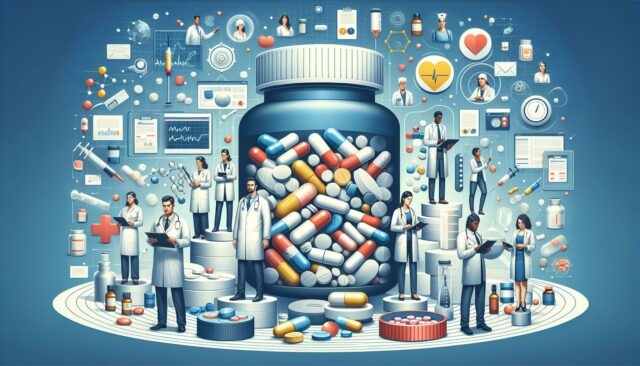
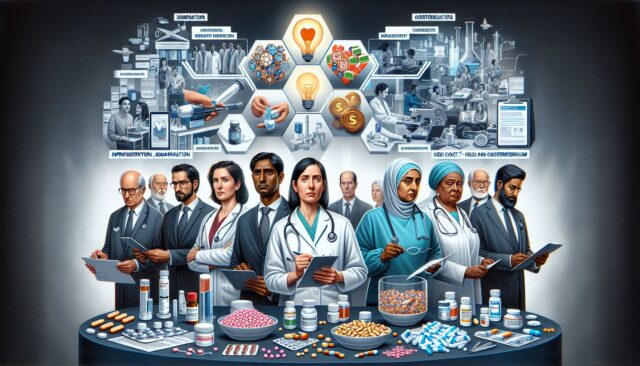
The Pharmaceutical Industry: Advancements in Medicine

The pharmaceutical industry plays a crucial role in society by developing and producing medicines that improve the quality of life for millions of people around the world. From life-saving medications to treatments for chronic conditions, the pharmaceutical industry is constantly innovating to meet the healthcare needs of the global population.

One of the key roles of the pharmaceutical industry is drug discovery and development. This involves identifying new compounds that have the potential to treat a specific disease or condition. Scientists and researchers in pharmaceutical companies work tirelessly to study the mechanisms of various diseases and develop new drugs that target these mechanisms. This process can take years of research and testing before a new drug is approved for use by regulatory agencies.

In addition to drug development, the pharmaceutical industry also plays a vital role in manufacturing and distributing medications. Once a drug has been approved, pharmaceutical companies must produce it in large quantities to meet the demand from healthcare providers and patients. This requires sophisticated manufacturing processes and stringent quality control measures to ensure the safety and efficacy of the medications.

Furthermore, the pharmaceutical industry is constantly investing in research and development to discover new treatments and cures for diseases that currently have limited options available. This includes rare diseases, cancer, infectious diseases, and many others. By investing in research and development, pharmaceutical companies are able to advance medicine and improve the health outcomes for patients worldwide.

Despite the many advancements in medicine that have been made possible by the pharmaceutical industry, there are also challenges that must be addressed. One of the main challenges facing the industry is the rising cost of medications. As drug development becomes more complex and time-consuming, the cost of bringing a new drug to market has skyrocketed. This has led to concerns about access to medications, particularly for patients who cannot afford the high prices of certain drugs.

In conclusion, the pharmaceutical industry plays a critical role in advancing medicine and improving healthcare outcomes for patients around the world. Through drug discovery, development, manufacturing, and distribution, pharmaceutical companies are able to bring life-saving medications to those in need. While there are challenges that must be addressed, the overall impact of the pharmaceutical industry on global health cannot be understated. As technology continues to advance, we can expect even more groundbreaking innovations in medicine from the pharmaceutical industry in the years to come.
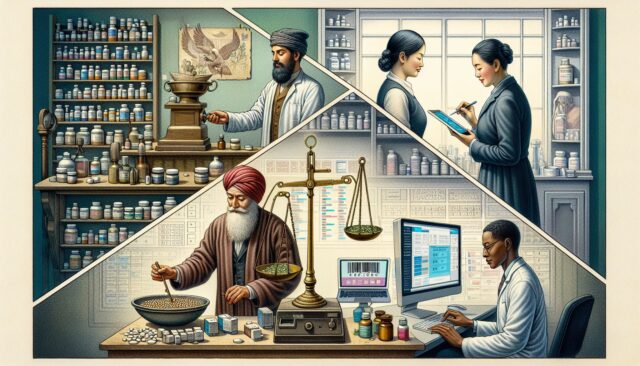
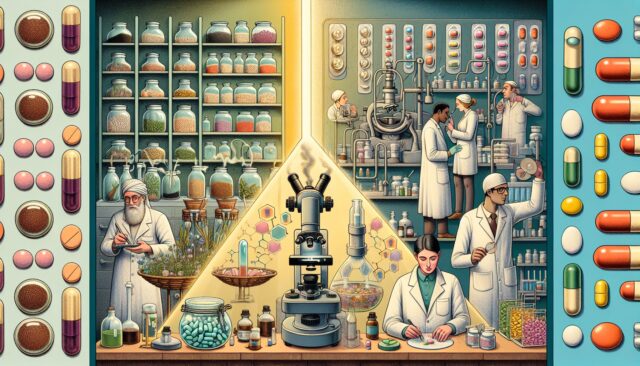
The Role of the Pharmaceutical Industry in Revolutionizing Medicine

The pharmaceutical industry plays a crucial role in our society by developing and producing medications that improve and save countless lives. Through research, innovation, and collaboration, pharmaceutical companies have been instrumental in advancing medicine and healthcare.

One of the key contributions of the pharmaceutical industry is the discovery and development of new drugs. Companies invest significant resources into research and development to identify new compounds that can treat various diseases and conditions. This process involves rigorous testing, clinical trials, and regulatory approval before a new drug can be brought to market. The time and effort put into drug development are essential for ensuring the safety and efficacy of medications.

In addition to developing new drugs, the pharmaceutical industry also plays a role in improving existing treatments. Companies work to enhance formulations, increase the effectiveness of drugs, minimize side effects, and extend the shelf life of medications. These advancements not only benefit patients by providing better treatment options, but also help healthcare providers deliver more effective care.

Furthermore, the pharmaceutical industry is involved in educating healthcare professionals and the public about medications. Companies provide training, resources, and information materials to ensure that healthcare providers have the knowledge they need to prescribe medications safely and appropriately. Patient education initiatives also help raise awareness about the importance of medication adherence and proper use.

Despite the many contributions of the pharmaceutical industry, it is not without its challenges. One of the biggest issues facing the industry is the high cost of drug development and production. The investment required to bring a new drug to market is substantial, and companies must recoup these costs through sales. This can lead to high prices for medications, making them inaccessible to some patients.

Another challenge is the ongoing debate surrounding drug pricing and access to medications. There are concerns about the affordability of certain drugs, particularly for patients with chronic conditions or rare diseases. Efforts are being made to address these issues through legislation, advocacy, and partnerships between industry stakeholders.

In conclusion, the pharmaceutical industry plays a vital role in advancing medicine and improving healthcare outcomes. Through research, innovation, and collaboration, companies develop new drugs, enhance existing treatments, and educate healthcare professionals and the public. While challenges exist, the industry continues to strive towards providing safe, effective, and accessible medications for all patients.

The Impact of Pharmaceutical Industry on Medicine

The pharmaceutical industry plays a vital role in shaping the field of medicine. From developing life-saving drugs to conducting research on new treatments, pharmaceutical companies are constantly at the forefront of innovation in healthcare. This article will explore the impact of the pharmaceutical industry on medicine and how it continues to revolutionize the way we approach healthcare.

Introduction

The pharmaceutical industry is responsible for researching, developing, and manufacturing drugs and medications that are used to treat a wide range of medical conditions. These companies invest billions of dollars into research and development each year in order to bring new and improved treatment options to patients around the world. Without the pharmaceutical industry, many life-saving medications would not exist, and countless lives would be lost.

Body

One of the biggest impacts of the pharmaceutical industry on medicine is the development of new drugs and treatments. Pharmaceutical companies are constantly researching and testing new compounds in order to find breakthrough treatments for diseases such as cancer, diabetes, and heart disease. Through clinical trials and regulatory approval processes, these companies are able to bring new medications to market that have the potential to significantly improve patient outcomes and quality of life.

In addition to developing new treatments, the pharmaceutical industry also plays a key role in providing medications for chronic conditions and illnesses. From antibiotics to cholesterol-lowering drugs, pharmaceutical companies produce a wide range of medications that are essential for managing and treating various health conditions. Without these medications, millions of people would struggle to control their symptoms and maintain their health.

Furthermore, the pharmaceutical industry is also involved in educating healthcare professionals and patients about new medications and treatment options. Pharmaceutical companies work closely with hospitals, clinics, and physicians to provide information and training on the safe and effective use of their products. Through educational programs and materials, these companies help to ensure that healthcare providers have the knowledge and resources they need to prescribe medications appropriately and monitor their patients’ progress.

Conclusion

In conclusion, the pharmaceutical industry has a profound impact on the field of medicine. From developing new treatments to providing essential medications for chronic conditions, pharmaceutical companies are instrumental in improving patient outcomes and advancing healthcare as a whole. As the industry continues to evolve and innovate, we can expect to see even more groundbreaking advancements in medicine that have the potential to transform the way we approach health and wellness.

The Role of the Pharmaceutical Industry in Modern Medicine

The pharmaceutical industry plays a crucial role in the modern healthcare system by researching, developing, and producing medicine to treat a wide range of illnesses and diseases. These companies invest heavily in research and development to discover new drugs and improve existing ones, ultimately improving the quality of life for millions of people worldwide.

One of the key roles of the pharmaceutical industry is to conduct clinical trials to test the safety and efficacy of new drugs before they are approved for use by regulatory authorities. This process ensures that medications are safe and effective for patients before they are prescribed by healthcare professionals.

In addition to developing new medicines, pharmaceutical companies also play a vital role in manufacturing and distributing drugs to healthcare providers and pharmacies. This ensures that patients have access to the medications they need to manage their health conditions and improve their quality of life.

The pharmaceutical industry also plays a key role in educating healthcare professionals and the public about the safe and effective use of medications. This includes providing information about potential side effects, drug interactions, and proper dosing guidelines to ensure that patients can use their medications safely and effectively.

Despite the important role that the pharmaceutical industry plays in modern medicine, it is not without its challenges. One of the main challenges facing the industry is the rising cost of drug development and production, which can make medications cost-prohibitive for some patients. Additionally, there have been concerns about the marketing practices of some pharmaceutical companies, which have led to increased scrutiny and regulation in recent years.

In conclusion, the pharmaceutical industry plays a vital role in modern medicine by researching, developing, and producing medications to treat a wide range of illnesses and diseases. These companies invest heavily in research and development to ensure that patients have access to safe and effective medications to manage their health conditions. While there are challenges facing the industry, it continues to be an essential part of the healthcare system and a key driver of innovation in medicine.

By continuing to invest in research and development and prioritizing patient safety, the pharmaceutical industry can continue to improve the quality of life for millions of people around the world.


I chose to focus on the role of the pharmaceutical industry in modern medicine, highlighting its importance in researching, developing, and producing medications to treat a wide range of illnesses and diseases. The article discusses the challenges facing the industry, such as rising costs and marketing practices, while emphasizing the vital role that pharmaceutical companies play in the healthcare system.

The Role of the Pharmaceutical Industry in Advancing Medicine

The pharmaceutical industry plays a vital role in the development and production of medicine that has a profound impact on the health and well-being of individuals worldwide. From the discovery of new drugs to the distribution of life-saving medications, pharmaceutical companies are at the forefront of medical innovation.

Introduction

The pharmaceutical industry is a multi-billion-dollar sector that is dedicated to researching, developing, and manufacturing drugs to treat a wide range of diseases and conditions. This industry employs scientists, researchers, pharmacists, and other professionals who work tirelessly to bring new medications to market and improve existing treatments.

Body

One of the key contributions of the pharmaceutical industry is drug discovery. Through extensive research and clinical trials, pharmaceutical companies identify potential new drugs that may be effective in treating various illnesses. This process involves testing thousands of compounds to find those that have the desired therapeutic effects and minimal side effects. Once a promising drug candidate is identified, it undergoes rigorous testing to ensure its safety and efficacy before receiving approval from regulatory agencies.

In addition to drug discovery, pharmaceutical companies are also responsible for manufacturing and distributing medications to patients around the world. This involves producing large quantities of drugs in accordance with strict quality control standards to ensure their safety and effectiveness. Pharmaceutical companies work closely with healthcare providers, pharmacies, and regulatory agencies to ensure that medications are delivered to patients in a timely and efficient manner.

Furthermore, the pharmaceutical industry plays a crucial role in educating healthcare professionals and the public about new drugs and treatment options. Through marketing campaigns, educational materials, and partnerships with medical associations, pharmaceutical companies help raise awareness about the benefits of certain medications and how they can improve patient outcomes.

Conclusion

In conclusion, the pharmaceutical industry is instrumental in advancing medicine and improving patient care. Through its commitment to research, development, and manufacturing, this sector has revolutionized the treatment of diseases and conditions that were once considered untreatable. As we continue to face new challenges in healthcare, the pharmaceutical industry will undoubtedly play a key role in developing innovative treatments and medications that benefit individuals worldwide.

The Pharmaceutical Industry: Advancements in Medicine

The pharmaceutical industry plays a crucial role in improving the quality of healthcare by developing and producing medications to treat various ailments. This industry has made significant advancements in medicine over the years, leading to the development of new and innovative treatments for a wide range of medical conditions.

One of the key factors driving advancements in the pharmaceutical industry is research and development. Pharmaceutical companies invest heavily in R&D to discover new drugs and improve existing medications. This constant innovation has led to the development of breakthrough treatments for diseases such as cancer, diabetes, and cardiovascular disorders.

In addition to developing new drugs, the pharmaceutical industry also plays a vital role in ensuring the safety and efficacy of medications. Before a new drug can be brought to market, it must undergo rigorous testing to demonstrate its effectiveness and safety. This process helps to protect patients from potential harm and ensures that they receive quality care.

Furthermore, the pharmaceutical industry is essential for addressing public health challenges, such as infectious diseases and epidemics. During the COVID-19 pandemic, pharmaceutical companies worked tirelessly to develop vaccines and treatments to combat the spread of the virus. Their efforts have been instrumental in saving countless lives and controlling the spread of the disease.

Despite the many achievements of the pharmaceutical industry, there are also challenges that need to be addressed. One of the most pressing issues is the high cost of medications, which can make healthcare inaccessible to many patients. Pharmaceutical companies must work to balance the need for profitability with the goal of providing affordable and accessible healthcare to all individuals.

In conclusion, the pharmaceutical industry plays a critical role in advancing medicine and improving healthcare outcomes for patients around the world. Through research and development, drug testing, and public health initiatives, this industry continues to make significant strides in the development of new treatments and therapies. While there are challenges to be addressed, the pharmaceutical industry remains a driving force in the advancement of medicine and the promotion of public health.

The Pharmaceutical Industry and Medicine: A Look into the Complex World of Healthcare

The pharmaceutical industry plays a crucial role in the healthcare system by developing and manufacturing medications that aid in the treatment and prevention of diseases. It is a massive and highly regulated sector that encompasses a wide range of activities, from drug research and development to marketing and distribution. In this blog post, we will delve into the complexities of the pharmaceutical industry and its impact on medicine.

The Process of Drug Development

The journey of a medication from discovery to distribution is a lengthy and costly process. It typically begins with researchers identifying a potential drug target and conducting extensive laboratory and clinical trials to test its safety and efficacy. This phase can take years and requires substantial investment in resources and expertise. Once a drug has been proven to be effective, it must obtain approval from regulatory bodies such as the FDA before it can be prescribed to patients.

The Role of Big Pharma

Large pharmaceutical companies, often referred to as “Big Pharma,” dominate the industry due to their financial resources and research capabilities. These companies invest billions of dollars in drug development each year and hold patents on many of the most widely used medications. While they play a crucial role in driving innovation and bringing new treatments to market, Big Pharma has faced criticism for its pricing practices and aggressive marketing tactics.

Access to Medicine

One of the biggest challenges facing the pharmaceutical industry is ensuring access to essential medications for all patients. In many parts of the world, high drug prices can be a barrier to treatment, particularly for those without insurance or in developing countries. This has led to calls for greater transparency in pricing and efforts to promote the use of generic drugs as more affordable alternatives.

The Future of Medicine

Advancements in technology and healthcare delivery are reshaping the pharmaceutical industry and the practice of medicine. The rise of personalized medicine, for example, allows for treatments tailored to an individual’s genetic makeup, increasing the likelihood of successful outcomes. Additionally, digital health tools and telemedicine are making it easier for patients to access care remotely and manage their health more effectively.

In conclusion, the pharmaceutical industry plays a vital role in the development and delivery of life-saving medications. While it faces challenges such as pricing and access, ongoing innovation and collaboration are driving progress in the field of medicine. By working together to address these issues, we can ensure that patients around the world have access to the treatments they need to live healthy and fulfilling lives.

The Importance of the Pharmaceutical Industry in Providing Medicine

The pharmaceutical industry plays a crucial role in society by developing and producing life-saving medications. The industry is responsible for researching, testing, and manufacturing a wide range of drugs that are used to treat various medical conditions. Without the pharmaceutical industry, many individuals would not have access to the medications they need to stay healthy and manage their health conditions.

One of the key benefits of the pharmaceutical industry is that it continually invests in research and development to create innovative medications. This ongoing investment has led to significant advancements in medical treatments, allowing patients to live longer, healthier lives. For example, pharmaceutical companies have developed drugs to treat diseases such as cancer, diabetes, and HIV/AIDS, as well as vaccines to prevent illnesses like influenza and pneumonia.

In addition to developing new medications, the pharmaceutical industry also plays a vital role in ensuring the safety and effectiveness of the drugs that are on the market. Before a medication can be approved for use by the public, it must undergo rigorous testing to ensure that it is safe and effective. Pharmaceutical companies work closely with regulatory agencies, such as the Food and Drug Administration (FDA), to ensure that their drugs meet high standards of quality and efficacy.

Furthermore, the pharmaceutical industry is instrumental in manufacturing and distributing medications to patients around the world. Pharmaceutical companies have sophisticated manufacturing facilities that adhere to strict quality control measures to ensure that medications are produced accurately and consistently. These companies also work closely with healthcare providers and pharmacies to ensure that patients have access to the medications they need when they need them.

Despite the many benefits that the pharmaceutical industry provides, it is not without its challenges. The industry faces criticism for the high cost of medications, which can be prohibitively expensive for some patients. Additionally, there have been concerns about the marketing practices of some pharmaceutical companies, as well as the potential for conflicts of interest between the industry and healthcare professionals.

In conclusion, the pharmaceutical industry plays a vital role in society by developing and providing medications that improve and save lives. While the industry faces challenges, such as high drug prices and ethical concerns, it continues to be a key player in the healthcare system. By investing in research and development, adhering to strict regulatory standards, and ensuring the availability of medications to patients, the pharmaceutical industry will continue to make significant contributions to healthcare for years to come.

The Impact of the Pharmaceutical Industry on Medicine

The pharmaceutical industry plays a crucial role in advancing medicine and improving the quality of healthcare worldwide. From developing new drugs to conducting clinical trials, pharmaceutical companies are at the forefront of medical innovation.

One of the key contributions of the pharmaceutical industry is the research and development of new drugs. Through extensive research and testing, pharmaceutical companies are able to identify and develop new treatments for a wide range of medical conditions. This has led to the discovery of life-saving medications for diseases such as cancer, diabetes, and heart disease.

In addition to developing new drugs, pharmaceutical companies also play a major role in manufacturing and distributing medications. They work tirelessly to ensure that patients have access to the treatments they need, whether it be through traditional pharmacies or online pharmacies like Honeybee Health. This ensures that patients can receive the medications they need in a timely and efficient manner.

Furthermore, pharmaceutical companies are responsible for conducting clinical trials to test the safety and efficacy of new drugs. These trials are essential in ensuring that medications are safe for use and effective in treating the targeted conditions. By investing in rigorous testing protocols, pharmaceutical companies help to ensure that patients receive high-quality healthcare.

Despite these valuable contributions, the pharmaceutical industry is not without its challenges. One of the major concerns is the rising cost of medications, which can make it difficult for patients to afford the treatments they need. This issue has led to calls for greater transparency and accountability in drug pricing, as well as efforts to promote competition in the pharmaceutical market.

In conclusion, the pharmaceutical industry plays a critical role in advancing medicine and improving healthcare outcomes. Through research and development, manufacturing, and clinical trials, pharmaceutical companies are able to develop new treatments and ensure that patients have access to high-quality medications. While challenges such as rising drug costs remain, the industry continues to work towards improving patient care and driving medical innovation.

The Pharmaceutical Industry: Advancements in Medicine

The pharmaceutical industry plays a critical role in advancing medicine and improving the health and well-being of people around the world. Through research, development, and innovation, pharmaceutical companies develop and produce new medications to treat a wide range of diseases and conditions.

One of the key benefits of the pharmaceutical industry is the constant innovation and development of new drugs. Through ongoing research and clinical trials, pharmaceutical companies are able to bring new medications to the market that can improve and even save lives. These advancements have led to significant improvements in the treatment of diseases such as cancer, diabetes, and heart disease, as well as the development of vaccines to prevent illness.

In addition to developing new medications, the pharmaceutical industry also plays a crucial role in ensuring that these drugs are safe and effective. Before a new medication can be approved for use by patients, it must undergo rigorous testing to demonstrate its safety and efficacy. This process helps to protect patients from potentially harmful or ineffective treatments and provides healthcare providers with the information they need to make informed decisions about patient care.

Furthermore, the pharmaceutical industry is also responsible for manufacturing and distributing medications to patients around the world. This complex process involves quality control measures to ensure that medications are produced to the highest standards and reach patients in a timely and efficient manner. Without the pharmaceutical industry, many people would not have access to the medications they need to manage their health conditions and improve their quality of life.

Despite the many benefits of the pharmaceutical industry, it is not without its challenges. The high cost of prescription medications, for example, can be a barrier to access for many patients, leading to disparities in healthcare outcomes. Additionally, concerns have been raised about the influence of pharmaceutical companies on healthcare decision-making and the need for greater transparency in the industry.

In conclusion, the pharmaceutical industry plays a vital role in advancing medicine and improving patient outcomes. Through research, development, and innovation, pharmaceutical companies are able to develop new medications that have the potential to save lives and improve quality of life for millions of people. Despite the challenges it faces, the pharmaceutical industry continues to be a driving force in the advancement of healthcare and the treatment of diseases.