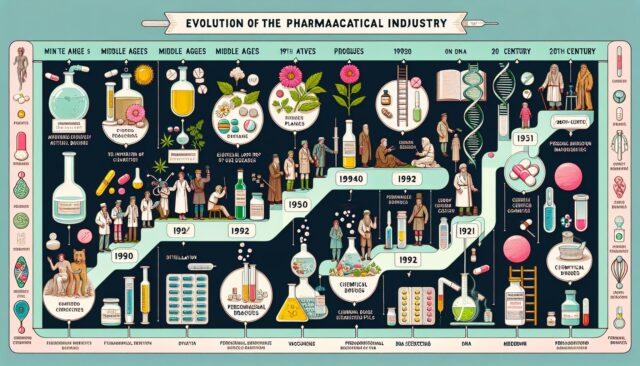
The pharmaceutical industry plays a critical role in the development of new medicines and treatments that improve the quality of life for millions of people around the world. From the discovery of penicillin in the early 20th century to the cutting-edge technology of gene therapy today, the pharmaceutical industry has come a long way in advancing medicine.
In the past, the pharmaceutical industry primarily focused on developing drugs to treat symptoms of diseases. However, with advancements in medical research and technology, pharmaceutical companies are now able to target the underlying causes of diseases, leading to more effective treatments and potential cures.
One of the key drivers of innovation in the pharmaceutical industry is the constant pursuit of new scientific knowledge. With a greater understanding of genetics, molecular biology, and immunology, researchers can now develop personalized medicines tailored to an individual’s unique genetic makeup. This precision medicine approach has the potential to revolutionize how diseases are treated, leading to better outcomes for patients.
Another important aspect of the pharmaceutical industry is its emphasis on regulatory approval and patient safety. Before a new drug can be brought to market, it must undergo rigorous testing to ensure its efficacy and safety. This process involves preclinical studies, clinical trials, and regulatory review by agencies such as the Food and Drug Administration (FDA) in the United States. These stringent regulations help to protect patients from harmful or ineffective treatments and ensure that only the most promising drugs are made available to the public.
Despite the many advancements in medicine made possible by the pharmaceutical industry, challenges still remain. Drug development is a costly and time-consuming process, with many potential treatments failing to make it to market due to lack of efficacy or safety concerns. Additionally, there is ongoing debate about the affordability and accessibility of medicines, particularly in low-income countries where life-saving treatments may be out of reach for many patients.
In conclusion, the pharmaceutical industry has made significant strides in advancing medicine and improving patient outcomes. With continued investment in research and development, as well as collaboration between industry, academia, and government, we can expect to see even more groundbreaking discoveries in the years to come. By working together to address challenges and build on successes, we can unlock the full potential of medicine to improve health and save lives.
References:
– DiMasi JA, Grabowski HG, Hansen RW. Innovation in the pharmaceutical industry: New estimates of R&D costs. Journal of Health Economics. 2016;47:20-33.