The Pharmaceutical Industry: Advancements in Medicine

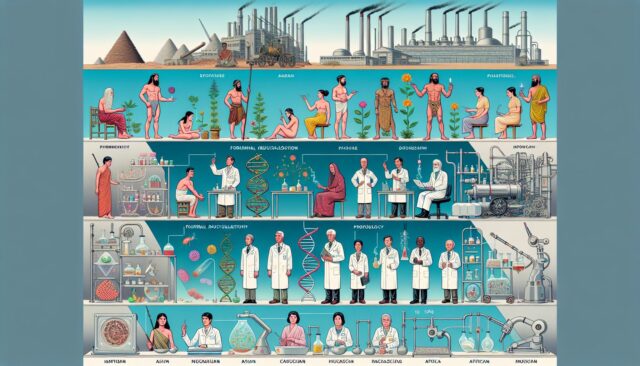
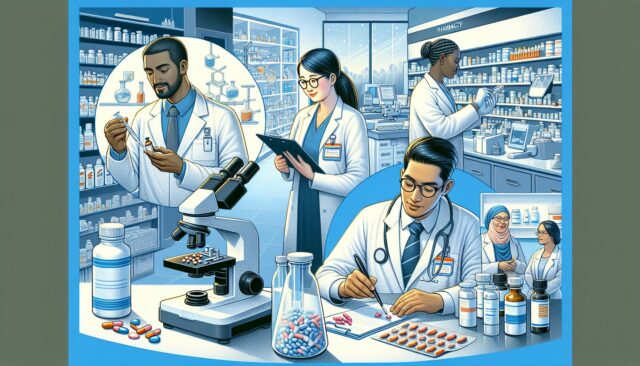
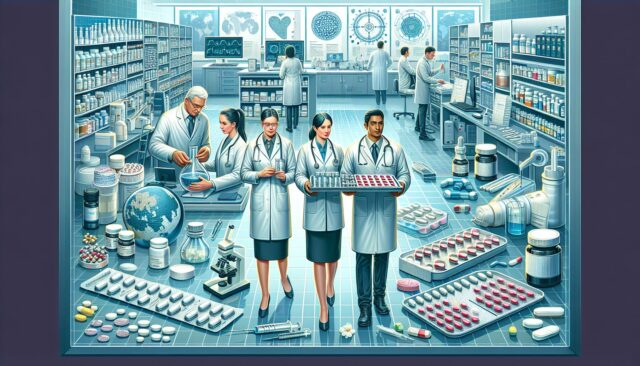
The pharmaceutical industry plays a crucial role in the development, production, and distribution of medicines that improve and save countless lives around the world. With constant advancements in technology and research, the industry continues to make significant strides in creating new drugs and treatments for a wide range of illnesses and conditions.

The process of bringing a new drug to market is a complex and costly one, often taking many years of research and testing before a medication is approved for use by regulatory agencies. Pharmaceutical companies invest billions of dollars into research and development each year in the hopes of discovering breakthrough treatments that can address unmet medical needs.

Once a potential drug has been identified, it undergoes rigorous testing in preclinical and clinical trials to evaluate its safety and efficacy. These trials involve thousands of participants and can take several years to complete. Only a small percentage of drugs make it through this process and receive approval for sale to the public.

Despite the challenges and risks involved in drug development, the pharmaceutical industry has been responsible for countless medical innovations that have revolutionized healthcare. From antibiotics and vaccines to treatments for chronic diseases like cancer and diabetes, pharmaceutical companies have played a key role in improving the quality and length of life for millions of people.

In recent years, the industry has also shown a growing interest in personalized medicine, which seeks to tailor treatments to individual patients based on genetic, environmental, and lifestyle factors. This approach has the potential to improve treatment outcomes and reduce side effects by targeting therapies to those who are most likely to benefit from them.

However, the pharmaceutical industry is not without its critics. Some argue that drug prices are too high, making essential medications inaccessible to many people. Others raise concerns about the influence of pharmaceutical companies on healthcare policies and practices, citing instances of unethical behavior and conflicts of interest.

Despite these challenges, the pharmaceutical industry continues to push the boundaries of medical science and drive innovation in healthcare. As we look to the future, it is clear that the industry will play an increasingly important role in addressing the health needs of our society and improving the quality of life for people around the world.

In conclusion, the pharmaceutical industry is a vital partner in the ongoing effort to advance medicine and improve health outcomes for people worldwide. Through dedication to research, innovation, and collaboration, the industry will continue to drive progress in healthcare and bring new and improved treatments to those in need.

The Pharmaceutical Industry: Advancements in Medicine

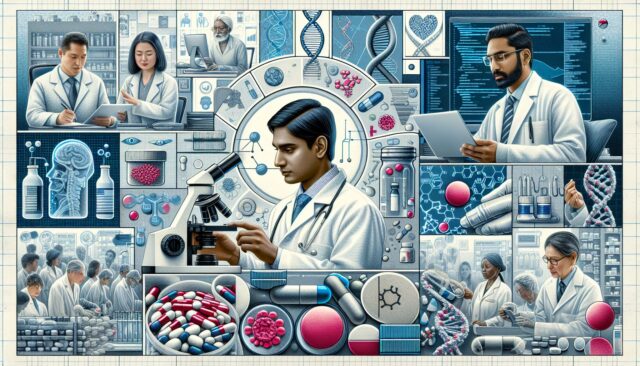
The pharmaceutical industry plays a crucial role in the development of new medicines that improve our health and quality of life. From the discovery of life-saving drugs to the production of vaccines that prevent disease, the industry continues to push the boundaries of what is possible in the field of medicine.

One of the key aspects of the pharmaceutical industry is research and development. Scientists and researchers work tirelessly to discover new compounds and therapies that can treat a wide range of illnesses. This process involves rigorous testing and clinical trials to ensure the safety and efficacy of new medications before they are approved for use by regulatory agencies.

In recent years, the industry has seen significant advancements in areas such as personalized medicine and immunotherapy. Personalized medicine involves tailoring treatment plans to individual patients based on their genetic makeup, allowing for more targeted and effective therapies. Immunotherapy, on the other hand, harnesses the power of the immune system to fight cancer and other diseases, offering new hope for patients with previously untreatable conditions.

Beyond just developing new medications, the pharmaceutical industry also plays a critical role in manufacturing and distributing medications to patients around the world. This involves adhering to strict quality control standards and regulations to ensure that medications are safe and effective for use.

However, the industry is not without its challenges. Issues such as rising healthcare costs, access to medications, and regulatory hurdles can all impact the ability of pharmaceutical companies to bring new treatments to market. Additionally, concerns about the influence of the industry on healthcare policies and practices have sparked debates about ethics and transparency in the field.

In conclusion, the pharmaceutical industry continues to be a driving force in the advancement of medicine. Through research, development, and innovation, the industry has made significant strides in improving healthcare outcomes for patients globally. While challenges exist, the industry remains committed to finding new ways to address these issues and continue to make a positive impact on public health.

As we look to the future, it is clear that the pharmaceutical industry will continue to play a vital role in shaping the landscape of healthcare and medicine. With ongoing advancements and breakthroughs, the industry holds the promise of bringing even more life-saving medications to those in need.

The Evolution of the Pharmaceutical Industry: Advancements in Medicine

The pharmaceutical industry plays a crucial role in advancing healthcare and improving the quality of life for millions of people around the world. From the development of life-saving drugs to the treatment of chronic diseases, the industry has revolutionized the way we approach healthcare.

One of the key reasons behind the success of the pharmaceutical industry is the continuous investment in research and development. Pharmaceutical companies invest billions of dollars every year in researching and developing new drugs and treatments. These investments have led to groundbreaking discoveries in fields such as oncology, cardiology, neurology, and infectious diseases.

Advancements in technology have also played a significant role in pushing the boundaries of medicine. Cutting-edge technologies such as genetic engineering, nanotechnology, and artificial intelligence have enabled researchers to develop more targeted and effective treatments for a wide range of illnesses. For example, precision medicine, which involves tailoring treatment plans based on an individual’s genetic makeup, has revolutionized the way we treat cancer and other diseases.

Furthermore, collaborations between the pharmaceutical industry and academic institutions have also contributed to the development of innovative treatments. By working together, researchers can leverage each other’s expertise and resources to accelerate the pace of drug discovery and development. This collaborative approach has led to the development of breakthrough therapies that have transformed the lives of patients worldwide.

Despite the remarkable progress made by the pharmaceutical industry, challenges remain. The rising cost of healthcare and access to medicines continue to be major concerns for patients and policymakers. Pharmaceutical companies must strike a balance between recouping their investment in research and development and making treatments affordable and accessible to those in need.

In conclusion, the pharmaceutical industry has made tremendous strides in advancing medicine and improving patient outcomes. Through continuous investment in research and development, harnessing the power of technology, and fostering collaborations, the industry has been able to bring life-saving treatments to market and shape the future of healthcare. However, there is still work to be done to ensure that all patients have access to the treatments they need. By addressing these challenges and working together, we can continue to push the boundaries of medicine and improve the health and well-being of people worldwide.

The Evolution of the Pharmaceutical Industry and the Power of Medicine

The pharmaceutical industry plays a critical role in modern society, providing lifesaving medications and treatments for a wide range of medical conditions. Over the years, the industry has evolved significantly, with advances in science and technology driving innovation and pushing the boundaries of what is possible in medicine.

One of the key factors that has shaped the pharmaceutical industry is the rise of biotechnology. Biotech companies are at the forefront of developing cutting-edge treatments and therapies, using the latest scientific breakthroughs to create new drugs that target specific diseases and conditions. These advancements have revolutionized the way we treat illnesses, offering new hope to patients who may have otherwise had limited options.

Another key trend in the pharmaceutical industry is the growing focus on personalized medicine. This approach involves tailoring treatments to the individual characteristics of each patient, such as their genetic makeup or lifestyle factors. By taking a more personalized approach to healthcare, doctors can ensure that patients receive the most effective and appropriate treatments for their specific needs, leading to better outcomes and improved quality of life.

Additionally, the pharmaceutical industry has seen a rise in collaborations and partnerships between companies, academic institutions, and government agencies. By working together, stakeholders can pool their resources and expertise to address complex medical challenges, speeding up the development and delivery of new treatments to patients in need.

Despite these advancements, the pharmaceutical industry also faces challenges and criticisms. One of the most contentious issues is the high cost of medications, with many patients struggling to afford life-saving drugs. Critics argue that pharmaceutical companies prioritize profits over public health, leading to inflated prices and limited access to essential treatments.

In response, the industry has begun to explore new pricing models and reimbursement strategies to make medications more affordable and accessible to those who need them. Companies are also investing in research and development to create more cost-effective treatments and generics that can help reduce healthcare costs and improve patient outcomes.

In conclusion, the pharmaceutical industry has come a long way in recent years, thanks to advances in science, technology, and collaboration. The power of medicine continues to drive innovation and change, offering hope and healing to millions of people around the world. By addressing the challenges and embracing the opportunities that lie ahead, the industry can continue to make a positive impact on global health and well-being.

The Complex World of Pharmaceuticals and Medicine

The pharmaceutical industry plays a crucial role in society by developing and providing the medications that help treat and manage various illnesses and conditions. From pain relief to antibiotics, pharmaceutical companies invest billions of dollars in research and development to bring new drugs to market. However, the industry is not without its controversies and challenges.

At the heart of the pharmaceutical industry is the quest for innovation. Companies invest heavily in research to discover new drugs that can improve or save lives. This process can take years of testing and trials before a drug is approved for use by regulatory agencies. The pharmaceutical industry also plays a vital role in producing generic medications, which can provide affordable options for patients.

However, the industry has faced criticism for its high drug prices, which can be a barrier for many patients. The cost of prescription medications continues to rise, leading to debates over pricing practices and access to essential drugs. This issue has sparked discussions about the need for healthcare reform and regulation to ensure that medications are affordable and accessible to those who need them.

Another challenge for the pharmaceutical industry is the rise of counterfeit drugs and online pharmacies. These counterfeit medications can be dangerous, as they may not contain the correct ingredients or dosage levels. The industry is working to combat this problem through increased regulation and enforcement efforts to protect patients from potentially harmful counterfeit drugs.

It’s also important to consider the ethical considerations within the pharmaceutical industry. Companies must adhere to strict guidelines and regulations to ensure the safety and efficacy of their products. This includes rigorous testing and reporting requirements to ensure that medications are safe for patients to use.

In conclusion, the pharmaceutical industry plays a vital role in our healthcare system by developing and providing essential medications. However, the industry faces challenges such as high drug prices, counterfeit medications, and ethical considerations. By addressing these issues and continuing to invest in research and development, the pharmaceutical industry can continue to innovate and improve the lives of patients around the world.

The Role of the Pharmaceutical Industry in Medicine

The pharmaceutical industry plays a crucial role in the development and production of medicines that have revolutionized healthcare over the years. From antibiotics to life-saving cancer drugs, the pharmaceutical industry continues to innovate and push the boundaries of medicine. In this article, we will explore the impact and importance of the pharmaceutical industry in the field of medicine.

The Importance of Research and Development

One of the key functions of the pharmaceutical industry is research and development (R&D) in the field of medicine. Pharmaceutical companies invest billions of dollars in R&D to discover and develop new drugs that can treat various diseases and improve the quality of life for patients. This process involves extensive testing, clinical trials, and regulatory approvals to ensure the safety and efficacy of new medicines.

Manufacturing and Distribution

Once a new drug has been developed and approved, the pharmaceutical industry is responsible for manufacturing and distributing the medicine to healthcare providers and patients. This involves complex processes to ensure that the drug is produced safely and consistently, and that it reaches the individuals who need it in a timely manner. The pharmaceutical industry also plays a key role in ensuring the quality and integrity of medicines throughout the supply chain.

Regulatory Oversight and Compliance

Given the critical nature of medicines, the pharmaceutical industry is subject to strict regulatory oversight and compliance requirements. Government agencies such as the Food and Drug Administration (FDA) in the United States and the European Medicines Agency (EMA) in Europe set standards for the safety, efficacy, and quality of drugs, and require pharmaceutical companies to adhere to these regulations. This ensures that medicines meet the necessary standards and are safe for patient use.

Innovation and Collaboration

In addition to developing and producing medicines, the pharmaceutical industry also fosters innovation and collaboration in the field of medicine. Companies often partner with academic institutions, research organizations, and other industry players to advance scientific knowledge and develop new treatments for various diseases. This collaboration has led to groundbreaking advancements in areas such as personalized medicine, gene therapy, and immunotherapy.

Conclusion

In conclusion, the pharmaceutical industry plays a critical role in the field of medicine by driving innovation, developing new treatments, and ensuring the quality and safety of medicines. Through research, manufacturing, and regulatory compliance, pharmaceutical companies contribute to the advancement of healthcare and the improvement of patient outcomes. Despite facing challenges such as pricing pressures and regulatory hurdles, the pharmaceutical industry continues to be a driving force in the development of life-saving therapies and treatments.

The Pharmaceutical Industry and Medicine

The pharmaceutical industry plays a pivotal role in providing the population with life-saving medications and treatments. Medicine, in various forms, has been used for centuries to alleviate pain, cure diseases, and improve overall health. However, the process of getting drugs from initial research to market availability is a complex and highly regulated one.

The pharmaceutical industry invests billions of dollars in research and development each year to discover and produce new drugs. This investment is necessary due to the rigorous testing and approval process that all medications must undergo before they can be prescribed by healthcare professionals. Pharmaceutical companies must adhere to strict guidelines set by regulatory bodies to ensure the safety and efficacy of their products.

Once a new drug has been discovered, it must go through several phases of clinical trials to determine its safety and effectiveness in treating a particular condition. These trials involve thousands of participants and can take several years to complete. Once the drug has been proven to be safe and effective, it can be submitted for approval by regulatory agencies such as the Food and Drug Administration (FDA) in the United States.

After approval, pharmaceutical companies must navigate the process of manufacturing, marketing, and distributing their medications. This involves working with healthcare providers, insurance companies, and pharmacies to ensure that the drug reaches the patients who need it. Companies also invest in ongoing research and development to improve existing medications and discover new treatments for various health conditions.

Despite the vital role that pharmaceutical companies play in providing access to essential medications, the industry has faced criticism in recent years. Some critics argue that drug prices are too high, making it difficult for some patients to afford the medications they need. Additionally, concerns have been raised about the influence of pharmaceutical companies on healthcare providers and policymakers.

In conclusion, the pharmaceutical industry is an integral part of the healthcare system, providing essential medications and treatments to patients around the world. While the industry faces challenges and criticism, its innovation and dedication to improving public health cannot be overlooked. As technology continues to advance and new medical discoveries are made, the pharmaceutical industry will play a critical role in ensuring that patients have access to the treatments they need to live healthy and fulfilling lives.

The Power of Pharmaceuticals: Revolutionizing Healthcare

The pharmaceutical industry plays a crucial role in the field of medicine, providing essential treatments and medications that improve the health and well-being of millions of people around the world. From pain management to life-saving vaccines, pharmaceutical companies are constantly innovating and developing new drugs to combat a wide range of illnesses and conditions.

One of the key benefits of the pharmaceutical industry is its ability to conduct extensive research and clinical trials to ensure the safety and effectiveness of medications. This rigorous testing process allows for the development of drugs that are both potent and targeted, with minimal side effects. This commitment to quality and safety is what sets pharmaceutical medicines apart from other forms of treatment.

In addition to developing new drugs, pharmaceutical companies also play a vital role in manufacturing and distributing medications to healthcare providers and patients. This ensures that individuals have access to the treatments they need, when they need them. The pharmaceutical industry’s supply chain is highly regulated to ensure the quality and integrity of medications from production to distribution.

Furthermore, pharmaceutical companies invest heavily in research and development to discover new therapies and treatments for a wide range of diseases, from rare genetic disorders to common chronic conditions. These innovations have the potential to save lives and improve quality of life for millions of people worldwide. Without the resources and expertise of pharmaceutical companies, many breakthroughs in medicine would not be possible.

However, the pharmaceutical industry is not without its challenges. Critics often point to the high cost of medications and the impact of drug prices on healthcare access and affordability. Pharmaceutical companies must strike a balance between recouping their investment in research and development and ensuring that their products are accessible to those who need them. This delicate balance is a constant challenge for the industry.

In conclusion, the pharmaceutical industry plays a crucial role in the healthcare ecosystem, revolutionizing the way we treat and prevent diseases. Through research, development, manufacturing, and distribution, pharmaceutical companies have the power to improve and save lives. While there are challenges and criticisms, the benefits of pharmaceutical medications far outweigh the drawbacks. Ultimately, the pharmaceutical industry is a driving force behind the advancement of medicine and the betterment of global health.

In the end, it is clear that the pharmaceutical industry is a powerful force for good in the world of medicine, and its impact will continue to shape the future of healthcare for years to come.

The Complex World of Pharmaceutical Industry and Medicine

The pharmaceutical industry plays a crucial role in the healthcare sector, with the development and manufacturing of life-saving drugs and treatments. This industry is constantly evolving, facing challenges and breakthroughs in the pursuit of improving human health.

In recent years, there has been growing concern about access to affordable medicine, especially in developing countries. The high cost of some medications has sparked debates and controversies, with critics accusing pharmaceutical companies of prioritizing profits over the well-being of patients. This issue highlights the delicate balance between business interests and public health.

On the other hand, the pharmaceutical industry is also responsible for groundbreaking innovations in medicine. From the discovery of antibiotics to the development of vaccines, these advancements have significantly improved life expectancy and quality of life around the world. Research and development efforts continue to drive progress in the treatment of various diseases, from cancer to rare genetic disorders.

However, the road from drug discovery to market approval is long and arduous. Regulatory bodies such as the Food and Drug Administration (FDA) in the United States play a vital role in ensuring the safety and efficacy of medications before they can be prescribed to patients. This process involves rigorous clinical trials and testing, which can take several years and millions of dollars to complete.

Despite the challenges and controversies, the pharmaceutical industry remains a key player in the global healthcare landscape. Collaboration between researchers, healthcare providers, and policymakers is essential to address issues such as drug affordability, access, and safety. Transparency and accountability are also crucial in building trust and confidence in the industry.

In conclusion, the pharmaceutical industry and medicine are inextricably linked, with each influencing the other in a complex interplay of science, business, and ethics. As we navigate the opportunities and challenges of this dynamic field, it is important to prioritize the well-being of patients and strive for a healthcare system that is accessible, affordable, and equitable for all.

The future of medicine holds great promise, with new technologies and therapies on the horizon. By working together and upholding the highest standards of integrity and excellence, we can continue to push the boundaries of healthcare and improve the lives of people worldwide.

The Pharmaceutical Industry and Medicine

The pharmaceutical industry plays a crucial role in the field of medicine by researching, developing, manufacturing, and distributing drugs that help improve the quality of life for countless individuals. This industry has made significant strides in advancing medical treatments and therapies for various diseases and conditions, ultimately saving lives and alleviating suffering.

In recent years, the pharmaceutical industry has faced scrutiny and criticism for various reasons, including the high costs of medications, potential conflicts of interest, and concerns about drug safety and efficacy. While these issues are certainly valid and warrant attention, it is essential to recognize the vital role that pharmaceutical companies play in advancing medical science and improving patient outcomes.

One of the most significant contributions of the pharmaceutical industry is the development of new drugs and treatments. Pharmaceutical companies invest billions of dollars in research and development each year, leading to groundbreaking discoveries that have revolutionized healthcare. These advancements have resulted in the introduction of life-saving medications for diseases such as cancer, HIV/AIDS, diabetes, and hypertension, among others.

Additionally, the pharmaceutical industry plays a crucial role in ensuring the safety and effectiveness of medications. Before a new drug can be approved for use, it must undergo rigorous testing and clinical trials to evaluate its efficacy and potential side effects. This process helps to protect patients from harm and ensures that they receive the most appropriate and effective treatments for their conditions.

Furthermore, pharmaceutical companies invest in ongoing research and development to continuously improve existing medications and develop new therapies. By staying at the forefront of medical innovation, these companies help to address unmet medical needs and improve patient outcomes.

While the pharmaceutical industry has its challenges and shortcomings, it is essential to recognize the valuable contributions that it makes to the field of medicine. By investing in research and development, ensuring the safety and efficacy of medications, and continuously innovating, pharmaceutical companies play a vital role in improving the health and well-being of individuals around the world.

In conclusion, the pharmaceutical industry is a cornerstone of modern medicine, responsible for developing life-saving drugs and treatments that have transformed healthcare. While there are legitimate concerns and criticisms surrounding this industry, it is crucial to acknowledge the significant contributions that pharmaceutical companies make to advance medical science and improve patient outcomes. Ultimately, the pharmaceutical industry and medicine are deeply interconnected, with each playing a crucial role in advancing healthcare for the benefit of all.