The Pharmaceutical Industry: Advancements in Medicine

The pharmaceutical industry plays a critical role in our society by developing and providing essential medicines that improve the health and well-being of millions of people worldwide. It is a vast industry that encompasses the research, development, production, and marketing of drugs and medications to treat a wide range of illnesses and conditions.

One of the most significant contributions of the pharmaceutical industry is the constant innovation and advancements in medicine. Through extensive research and clinical trials, pharmaceutical companies are able to develop new drugs and therapies that can effectively treat diseases that were once considered incurable. These breakthroughs have not only saved countless lives but have also improved the quality of life for many individuals.

Moreover, the pharmaceutical industry plays a key role in public health. By producing vaccines and medications for infectious diseases, the industry helps prevent the spread of illnesses and pandemics. In recent years, the development of vaccines for diseases like COVID-19 has demonstrated the industry’s ability to respond quickly to global health crises and provide life-saving solutions.

However, the pharmaceutical industry is not without its challenges. The cost of medications, for example, has been a growing concern for many individuals who struggle to afford essential treatments. Additionally, the industry has faced scrutiny over issues such as drug pricing, marketing practices, and potential conflicts of interest. It is essential for pharmaceutical companies to prioritize ethical behavior and transparency to maintain public trust and credibility.

Despite these challenges, the pharmaceutical industry remains a driving force behind medical advancements and innovations. Through collaboration with healthcare professionals, researchers, and regulatory agencies, the industry continues to push boundaries and develop new treatments for various conditions. From cancer therapies to mental health medications, the pharmaceutical industry plays a crucial role in improving the health and well-being of individuals worldwide.

In conclusion, the pharmaceutical industry is a vital component of modern healthcare, continuously working to develop new medicines and treatments to improve the lives of patients. While facing challenges and criticisms, the industry remains committed to its mission of advancing medicine and promoting public health. As we navigate through a rapidly evolving healthcare landscape, the pharmaceutical industry will continue to be at the forefront of innovation, driving progress and improving outcomes for patients around the world.
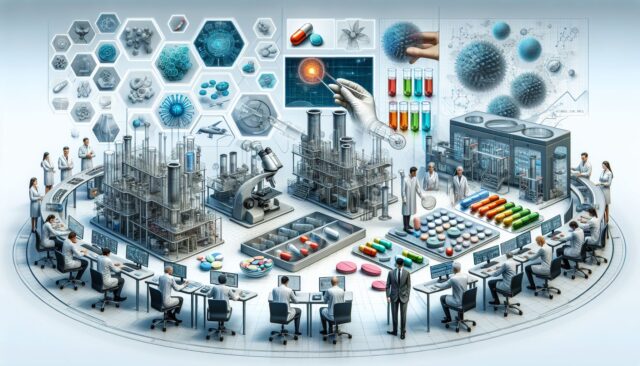
The Pharmaceutical Industry: Advancements in Medicine

The pharmaceutical industry plays a crucial role in the development of medicine and healthcare. From discovering life-saving treatments to creating innovative drugs, pharmaceutical companies have revolutionized the way we treat and cure diseases.

In the past few decades, the pharmaceutical industry has made significant advancements in medicine. Scientists and researchers are constantly working to develop new drugs and treatments for a wide range of health conditions, from common ailments like headaches and allergies to more serious illnesses such as cancer and heart disease. These advancements have significantly improved the quality of life for millions of people around the world.

One of the key drivers of innovation in the pharmaceutical industry is research and development. Pharmaceutical companies invest billions of dollars each year in R&D, aiming to discover new drugs and therapies that can help patients lead healthier and more fulfilling lives. This investment has led to the development of groundbreaking treatments like gene therapy, immunotherapy, and precision medicine, which have the potential to revolutionize the way we approach healthcare.

In addition to developing new drugs, the pharmaceutical industry also plays a crucial role in ensuring that patients have access to safe and effective medications. Pharmaceutical companies work closely with regulatory agencies like the Food and Drug Administration (FDA) to ensure that drugs are thoroughly tested for safety and efficacy before they are approved for use. This rigorous testing process helps protect patients from potentially harmful side effects and ensures that they receive high-quality medications.

Despite the many advancements in medicine made by the pharmaceutical industry, challenges still remain. Issues like rising drug prices, access to healthcare, and the opioid epidemic continue to plague the industry and impact patients around the world. Pharmaceutical companies must work collaboratively with healthcare providers, policymakers, and patients to address these challenges and find sustainable solutions that benefit everyone.

In conclusion, the pharmaceutical industry has made remarkable advancements in medicine that have significantly improved the health and well-being of people around the world. Through research and development, collaboration, and innovation, pharmaceutical companies continue to drive progress in healthcare and develop life-changing treatments for a wide range of medical conditions. As we look towards the future, it is essential that the industry continues to prioritize patient safety, access to healthcare, and affordability to ensure that everyone can benefit from the incredible advancements in medicine.


Would you like to learn more about the pharmaceutical industry and its impact on medicine? Let us know in the comments below!

The Pharmaceutical Industry: Revolutionizing Medicine

The pharmaceutical industry plays a crucial role in the development and production of medication that improves and saves lives every day. From over-the-counter pain relievers to cutting-edge cancer treatments, pharmaceutical companies are constantly working to innovate and provide better solutions for various health conditions.

One of the key functions of the pharmaceutical industry is research and development. This involves investing significant resources into discovering new drugs and treatments, conducting clinical trials to test their effectiveness and safety, and obtaining regulatory approval from health authorities. Without this vital work, many life-saving medications would not exist.

Furthermore, pharmaceutical companies also play a crucial role in manufacturing and distributing medications to patients all over the world. This involves adhering to strict quality control standards to ensure that the medications produced are safe, effective, and free from contamination. Additionally, pharmaceutical companies work closely with healthcare providers to educate them about new drugs and treatments, as well as provide support and resources to help patients access the medications they need.

Despite the many benefits that the pharmaceutical industry provides, it is not without its challenges. One of the key criticisms of the industry is the high cost of medication, which can make it difficult for some patients to afford the treatments they need. This has led to calls for greater transparency in drug pricing and the need for policies that ensure medications are accessible to all patients, regardless of their financial situation.

Another challenge facing the pharmaceutical industry is the rise of counterfeit medications, which can pose serious health risks to patients. To combat this issue, pharmaceutical companies are investing in technologies such as track-and-trace systems and blockchain to ensure the authenticity of their products and protect patients from harm.

In conclusion, the pharmaceutical industry plays a vital role in advancing medicine and improving the health and well-being of people around the world. Despite facing challenges such as high drug prices and counterfeit medications, pharmaceutical companies continue to innovate and provide life-saving treatments to those in need. As technology continues to evolve, we can expect even more breakthroughs in medicine that will further revolutionize healthcare and improve the quality of life for millions of people.

The Pharmaceutical Industry: Revolutionizing Medicine

The pharmaceutical industry plays a critical role in the development and production of life-saving medications and treatments. With constant advancements in technology and research, the industry has made significant strides in improving healthcare and increasing life expectancy worldwide.

In the past few decades, we have witnessed the development of groundbreaking drugs that have revolutionized the treatment of various diseases. From antibiotics that have saved millions of lives to specialized medications for rare genetic disorders, the pharmaceutical industry has continuously pushed the boundaries of what is possible in medicine.

One of the key strengths of the pharmaceutical industry lies in its dedication to research and development. Companies invest billions of dollars each year in exploring new treatments and therapies, often taking years of rigorous testing and clinical trials before a new drug is approved for use. This commitment to innovation has led to the discovery of medications that have transformed the way we approach healthcare.

In addition to developing new drugs, the pharmaceutical industry also plays a crucial role in ensuring that existing medications are safe, effective, and affordable. Companies work closely with regulatory agencies to adhere to strict guidelines and standards, ensuring that patients receive high-quality medications that meet their needs.

Despite its many successes, the pharmaceutical industry also faces challenges. Issues such as skyrocketing drug prices, counterfeit medications, and access to healthcare in developing countries are significant hurdles that need to be addressed. However, the industry continues to adapt and evolve, finding new ways to overcome these obstacles and improve the lives of patients worldwide.

In conclusion, the pharmaceutical industry is a cornerstone of modern medicine, driving innovation and providing essential medications that save lives and improve quality of life. With ongoing research and development, we can expect to see even more groundbreaking treatments in the future, further pushing the boundaries of what is possible in healthcare. As we continue to navigate the complexities of the healthcare landscape, the pharmaceutical industry will play a crucial role in shaping the future of medicine.

The Evolution of Medicine: A Look at the Pharmaceutical Industry

The pharmaceutical industry has played a vital role in the advancement of medicine over the years. With the development of new drugs and treatments, countless lives have been saved and improved. In this article, we will explore the evolution of the pharmaceutical industry and its impact on medicine.

Introduction

The pharmaceutical industry is constantly evolving, driven by advancements in science and technology. From the discovery of penicillin in the 1920s to the development of cutting-edge gene therapies today, the industry has made significant strides in improving healthcare outcomes worldwide. With an increasing focus on precision medicine and personalized treatments, the future of medicine looks brighter than ever.

Body

One of the key aspects of the pharmaceutical industry is research and development. This is where new drugs and treatments are discovered and tested for safety and efficacy. Pharmaceutical companies invest billions of dollars each year in R&D, leading to the development of groundbreaking drugs like statins for heart disease and antiretrovirals for HIV/AIDS.

Another important factor in the pharmaceutical industry is regulation. Government agencies like the FDA in the United States and the EMA in Europe play a crucial role in ensuring that drugs are safe and effective before they reach the market. This rigorous approval process helps protect patients from harmful or ineffective medications.

Furthermore, the rise of biotechnology has revolutionized medicine in recent years. Biopharmaceutical companies are using cutting-edge techniques like gene editing and monoclonal antibodies to develop targeted therapies for a variety of diseases. These innovative treatments are often more effective and have fewer side effects than traditional drugs.

Conclusion

In conclusion, the pharmaceutical industry has had a profound impact on the field of medicine. Through research and development, regulatory oversight, and biotechnological advancements, pharmaceutical companies are creating a future where diseases once thought incurable can be managed or even cured. As we look towards the future, it is clear that the pharmaceutical industry will continue to play a critical role in improving healthcare outcomes for people around the world.

The Role of the Pharmaceutical Industry in Medicine

In today’s world, the pharmaceutical industry plays a crucial role in the field of medicine. With advancements in technology and research, pharmaceutical companies are constantly developing new drugs and treatments that have the potential to save lives and improve the quality of life for millions of people around the globe.

One of the key functions of the pharmaceutical industry is to conduct research and development to create new medications. This process involves a significant investment of time and resources, as companies must carefully study the potential benefits and risks of a new drug before it can be approved for use by regulatory agencies. Without the pharmaceutical industry’s dedication to research and innovation, many life-saving medications that we rely on today would not exist.

In addition to developing new drugs, pharmaceutical companies also play a critical role in ensuring that existing medications are safe and effective. Through rigorous testing and quality control measures, these companies help to protect patients from harmful or ineffective treatments. This commitment to safety and efficacy is essential in maintaining public trust in the healthcare system.

Furthermore, the pharmaceutical industry is responsible for manufacturing and distributing medications to healthcare providers and patients. This process requires a complex infrastructure of production facilities, distribution networks, and regulatory compliance measures to ensure that medications are readily available to those who need them. Without the pharmaceutical industry’s expertise in this area, access to vital medications would be severely limited.

Despite the many benefits that the pharmaceutical industry provides, it is not without its challenges. The high cost of medications, for example, has been a source of concern for many individuals and healthcare providers. This issue is complex and multifaceted, involving factors such as research and development costs, market competition, and access to healthcare services. As such, it is important for stakeholders to work together to find sustainable solutions that balance the need for innovation with affordability and accessibility.

In conclusion, the pharmaceutical industry plays a vital role in the field of medicine by developing new drugs, ensuring the safety and efficacy of medications, and manufacturing and distributing treatments to those in need. While challenges such as the high cost of medications persist, the industry’s dedication to research and innovation continues to drive progress in healthcare. By working together, stakeholders can help to overcome these challenges and ensure that patients have access to the life-saving medications they need.

The Pharmaceutical Industry: Advancements in Medicine

The pharmaceutical industry plays a crucial role in developing and providing medicine to improve healthcare outcomes for individuals around the world. With constant advances in technology and research, the industry has been able to develop life-saving medications and treatments for a wide range of diseases and conditions.

One of the key aspects of the pharmaceutical industry is research and development. Companies invest significant resources in conducting research to discover new drugs and treatments that can address unmet medical needs. This research often involves collaboration with academic institutions and other stakeholders to bring new ideas and innovations to market.

Once a drug has been discovered, it goes through a rigorous process of testing and approval by regulatory agencies to ensure its safety and efficacy. This process can take several years and involves multiple phases of clinical trials to gather data on the drug’s effectiveness and any potential side effects.

The pharmaceutical industry also plays a vital role in manufacturing and distributing medications to patients. Companies must adhere to strict quality control measures to ensure that their products meet regulatory standards and are safe for consumption. This includes proper storage and transportation of medications to maintain their effectiveness.

In recent years, the industry has seen significant advancements in areas such as personalized medicine, gene therapy, and immunotherapy. These innovative treatments have the potential to revolutionize how we approach certain diseases and conditions, providing more targeted and effective therapies for patients.

Despite all the progress made in the pharmaceutical industry, there are still challenges that need to be addressed. Issues such as high drug prices, access to medications in developing countries, and drug shortages continue to be areas of concern. Companies must work towards finding solutions to these challenges to ensure that patients have access to the medications they need.

Overall, the pharmaceutical industry plays a vital role in advancing medicine and improving healthcare outcomes for individuals worldwide. Through research, development, and innovation, companies are able to bring life-saving medications to market and make a positive impact on the lives of patients. As technology continues to evolve, we can expect even more exciting advancements in medicine that will help to improve the quality of life for individuals around the world.

The Complex World of Pharmaceutical Industry and Medicine

The pharmaceutical industry plays a critical role in the healthcare sector by developing and manufacturing medicine to help treat and cure diseases. Pharmaceutical companies invest significant amounts of money in research and development to discover new medications and improve existing ones. However, the industry is also faced with challenges such as regulatory hurdles, ethical concerns, and increasing competition.

One of the main goals of the pharmaceutical industry is to develop effective and safe medications to improve the quality of life for patients. This process involves rigorous testing and clinical trials to ensure the safety and efficacy of the drugs. Once a medication is approved by regulatory authorities, pharmaceutical companies then make it available to healthcare providers and patients.

However, the pharmaceutical industry is also highly regulated, with strict guidelines on how medications are researched, developed, and marketed. Companies must adhere to regulations set by government agencies such as the Food and Drug Administration (FDA) to ensure the safety and quality of their products. This can sometimes slow down the development and approval process for new drugs, leading to delays in getting important medications to patients who need them.

Ethical concerns also play a significant role in the pharmaceutical industry, particularly in areas such as pricing and access to medications. Companies must balance the need to make a profit with the responsibility to provide affordable medications to patients. This has led to debates and controversies over issues such as drug pricing, patents, and access to essential medicines in developing countries.

Additionally, the pharmaceutical industry faces intense competition from generic drug manufacturers and other companies seeking to develop similar medications. This can lead to challenges in protecting intellectual property and maintaining market share for brand-name drugs. Pharmaceutical companies must constantly innovate and invest in research and development to stay ahead of the competition and continue to bring new and improved medications to market.

In conclusion, the pharmaceutical industry plays a crucial role in advancing medicine and improving healthcare outcomes for patients. Despite the many challenges it faces, including regulatory hurdles, ethical concerns, and competition, the industry continues to strive to develop innovative medications to treat and prevent a wide range of diseases. By balancing the need for profits with the responsibility to provide safe and affordable medications, pharmaceutical companies can contribute to the overall well-being of society.

The Power of Medicine: Exploring the Pharmaceutical Industry

The pharmaceutical industry plays a crucial role in the health and well-being of individuals worldwide. With advancements in technology and research, the industry has been able to develop life-saving medications and treatments for a wide range of illnesses and conditions. From antibiotics to chemotherapy drugs, pharmaceutical companies have revolutionized modern medicine and have saved countless lives in the process.

One of the key aspects of the pharmaceutical industry is research and development. This involves the identification of potential new medications, conducting clinical trials to test their efficacy and safety, and obtaining approval from regulatory agencies such as the Food and Drug Administration (FDA) in the United States. This process can take years and cost millions of dollars, but it is essential in order to ensure that medications are safe and effective for patients.

In addition to research and development, pharmaceutical companies also play a significant role in manufacturing and distributing medications to pharmacies, hospitals, and other healthcare providers. This ensures that patients have access to the medications they need in a timely and efficient manner. The industry also invests heavily in marketing and sales to promote their products and educate healthcare professionals about their benefits.

While the pharmaceutical industry has made significant advancements in medicine, it is not without its controversies. One of the most pressing issues is the high cost of medications, especially in the United States. Many patients struggle to afford their prescriptions, leading to debates over drug pricing and access to affordable healthcare. Additionally, there have been concerns about the influence of pharmaceutical companies on medical research and prescribing practices, as well as issues surrounding the safety and efficacy of certain medications.

Despite these challenges, the pharmaceutical industry continues to play a vital role in the healthcare system. With ongoing research and innovation, new medications are constantly being developed to treat a variety of conditions, from chronic diseases to rare genetic disorders. The industry also plays a critical role in responding to public health emergencies, such as the COVID-19 pandemic, by developing vaccines and treatments to protect individuals and communities.

In conclusion, the pharmaceutical industry is a powerful force in modern medicine, with the ability to improve and save lives through innovative research, development, and distribution of medications. While there are challenges and controversies that need to be addressed, the industry remains committed to advancing healthcare and finding new solutions to complex medical problems. Whether it is developing a new cancer treatment or a vaccine for a global pandemic, the pharmaceutical industry continues to make a significant impact on the health and well-being of individuals worldwide.

The Role of the Pharmaceutical Industry in Modern Medicine

The pharmaceutical industry plays a crucial role in the development, production, and distribution of medicine. From antibiotics to vaccines to life-saving cancer treatments, pharmaceutical companies are responsible for bringing new drugs to market that improve and save lives. But with great power comes great responsibility, and the pharmaceutical industry is not without its controversies and challenges.

In recent years, the skyrocketing cost of prescription drugs has been a hot topic of debate. Critics argue that pharmaceutical companies are prioritizing profits over patients, making essential medications unaffordable for many. The industry has also faced scrutiny over issues such as drug safety, marketing practices, and the influence of powerful lobbyists.

On the other hand, defenders of the pharmaceutical industry point to the immense amount of research and development that goes into creating new drugs. Bringing a new drug to market is a long and expensive process, with no guarantee of success. Pharmaceutical companies invest billions of dollars in R&D each year, and only a small percentage of drugs make it to market.

Despite the challenges and controversies, there is no denying the incredible impact that the pharmaceutical industry has had on modern medicine. Breakthroughs in drug development have led to advancements in the treatment of a wide range of diseases, from HIV to Alzheimer’s to diabetes. Without the innovation and investment of pharmaceutical companies, many of the medical treatments we take for granted today would not exist.

In conclusion, the pharmaceutical industry plays a vital role in modern medicine, bringing new drugs to market that save and improve lives. While there are certainly challenges and controversies that need to be addressed, it is important to acknowledge the positive contributions that the industry has made to healthcare. By striking a balance between innovation, affordability, and patient safety, the pharmaceutical industry can continue to drive progress in medicine for years to come.