The Role of the Pharmaceutical Industry in Modern Medicine

The pharmaceutical industry plays a crucial role in the development and production of medicines that are essential for the health and well-being of individuals around the world. From research and development to clinical trials and distribution, pharmaceutical companies are responsible for bringing life-saving drugs to market.

One of the key functions of the pharmaceutical industry is research and development. Companies invest heavily in the development of new drugs and therapies that can treat a wide range of illnesses and diseases. This process can take years and involves rigorous testing to ensure the safety and efficacy of the medications being developed.

Clinical trials are another important aspect of the pharmaceutical industry. These trials are conducted to test the effectiveness of a new drug in a controlled setting before it is approved for widespread use. This helps ensure that the medications being prescribed to patients are both safe and effective.

Once a drug has been approved, pharmaceutical companies are responsible for manufacturing and distributing it to pharmacies, hospitals, and other healthcare providers. This process requires strict quality control measures to ensure that the medications being produced meet regulatory standards and are safe for consumption.

The pharmaceutical industry also plays a crucial role in ongoing research and development to address emerging health challenges. Companies are constantly working to develop new treatments for diseases that are currently untreatable or have limited treatment options. This research is essential for improving healthcare outcomes and saving lives.

Despite the many benefits of the pharmaceutical industry, there are also concerns about drug pricing and access to medications. Some argue that the high cost of certain drugs can be a barrier to access for patients who need them. Pharmaceutical companies are under pressure to balance the need for profitability with the need to make medications affordable and accessible to those who need them.

In conclusion, the pharmaceutical industry plays a vital role in modern medicine by developing and producing essential drugs that improve health outcomes and save lives. While there are concerns about drug pricing and access, the industry continues to innovate and develop new treatments for a wide range of diseases. By working together with healthcare providers, regulators, and patients, pharmaceutical companies can continue to make a positive impact on global health.

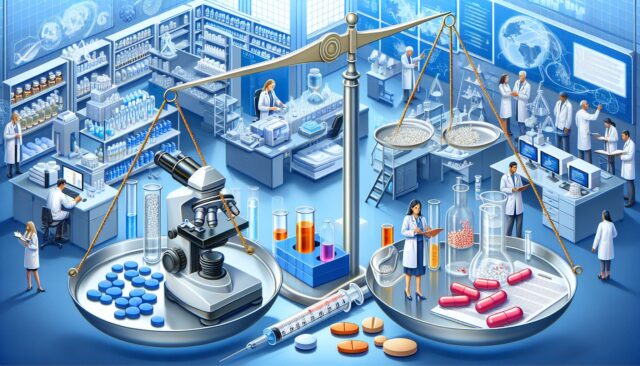
The Pharmaceutical Industry and Medicine: Enhancing Health and Saving Lives

The pharmaceutical industry plays a crucial role in the field of healthcare, as it is responsible for developing, manufacturing, and distributing medications to treat a wide range of illnesses and diseases. From antibiotics to vaccines, pharmaceutical companies work tirelessly to create innovative and effective drugs that improve the quality of life for millions of people around the world.

One of the key aspects of the pharmaceutical industry is research and development (R&D). This process involves the discovery of new drugs and the testing of their safety and efficacy through clinical trials. R&D is a complex and costly endeavor that requires significant investment in resources and expertise. However, the potential benefits of developing a new drug can be immense, not only in terms of financial returns but also in terms of improving patient outcomes and saving lives.

In addition to R&D, pharmaceutical companies are also involved in the manufacturing and distribution of medications. This involves ensuring that drugs are produced to the highest quality standards and are readily available to healthcare providers and patients. The pharmaceutical industry also plays a role in regulatory affairs, ensuring that drugs are approved by government agencies such as the Food and Drug Administration (FDA) before they can be marketed to the public.

One of the criticisms often leveled at the pharmaceutical industry is the high cost of medications. Developing a new drug is a lengthy and expensive process, and pharmaceutical companies often recoup their investment by charging high prices for their products. However, it is important to recognize that the cost of developing a new drug includes not only the direct expenses of R&D but also the costs of failed drug candidates and the need to generate profits to fund future research.

Despite these challenges, the pharmaceutical industry has made significant contributions to the field of medicine. From life-saving antibiotics to breakthrough cancer treatments, pharmaceutical companies have helped to extend and improve the lives of countless individuals. In recent years, the industry has also made strides in developing biologics, which are medications derived from living organisms like cells and proteins.

In conclusion, the pharmaceutical industry plays a vital role in enhancing health and saving lives. Through research and development, manufacturing, and distribution, pharmaceutical companies provide the medications that help to treat and prevent a wide range of illnesses. While there are challenges to be addressed, the pharmaceutical industry continues to strive towards innovation and improving patient outcomes.

The Impact of the Pharmaceutical Industry on Modern Medicine

The pharmaceutical industry plays a crucial role in shaping the field of modern medicine. From the discovery of new drugs to the development of cutting-edge treatments, pharmaceutical companies are at the forefront of medical innovation. However, the industry is not without its controversies and challenges.

One of the key functions of the pharmaceutical industry is to research and develop new drugs to treat a wide range of medical conditions. This process involves extensive testing and clinical trials to ensure the safety and efficacy of new treatments. Pharmaceutical companies invest billions of dollars each year in research and development, with the hope of bringing life-saving medications to market.

In addition to developing new drugs, pharmaceutical companies also play a vital role in manufacturing and distributing medications to patients around the world. Through partnerships with healthcare providers and pharmacies, pharmaceutical companies ensure that patients have access to the medications they need to manage their health conditions.

However, the pharmaceutical industry is not without its critics. Some argue that the high cost of medications puts necessary treatments out of reach for many patients. Others raise concerns about the influence of pharmaceutical companies on healthcare providers and the potential for conflicts of interest.

Despite these challenges, the pharmaceutical industry continues to push the boundaries of medical science and develop innovative treatments for a wide range of diseases. From cancer to diabetes to rare genetic disorders, pharmaceutical companies are constantly exploring new avenues for treatment and improving patient outcomes.

In conclusion, the pharmaceutical industry has a significant impact on modern medicine. Through research, development, and distribution of medications, pharmaceutical companies play a vital role in improving patient health and well-being. While there are challenges and controversies within the industry, the overall impact of pharmaceutical companies on healthcare cannot be denied.

The Role of the Pharmaceutical Industry in Modern Medicine

The pharmaceutical industry plays a critical role in the development and distribution of medicines that improve the health and well-being of people around the world. From research and development to manufacturing and distribution, pharmaceutical companies work tirelessly to bring new treatments and cures to market.

In the field of medicine, the pharmaceutical industry is at the forefront of innovation. Drug companies invest billions of dollars in research and development each year to discover new therapies for a wide range of medical conditions, from cancer to diabetes to infectious diseases. This investment has led to the development of life-saving medications that have greatly improved the quality of life for countless patients.

In addition to developing new drugs, the pharmaceutical industry also plays a crucial role in ensuring that these medications are safe and effective. Before a new drug can be brought to market, it must undergo rigorous testing to ensure that it meets the highest standards of safety and efficacy. This process, known as clinical trials, helps to ensure that patients can trust the medications they are taking.

Once a new drug has been approved, pharmaceutical companies work to manufacture and distribute it to patients around the world. This process requires precise coordination between manufacturers, distributors, and healthcare providers to ensure that patients can access the medications they need in a timely manner.

However, the pharmaceutical industry is not without its challenges. Critics argue that the high cost of many medications has put them out of reach for some patients, leading to disparities in access to healthcare. Additionally, concerns have been raised about the marketing practices of some pharmaceutical companies, which some believe prioritize profits over patient well-being.

Despite these challenges, the pharmaceutical industry continues to play a vital role in modern medicine. Through their commitment to research and development, drug companies are constantly working to bring new treatments to market that have the potential to save lives and improve health outcomes for patients worldwide.

In conclusion, the pharmaceutical industry is a cornerstone of modern medicine, responsible for developing and distributing the medications that keep us healthy and well. While there are certainly challenges to be addressed, the industry’s commitment to innovation and patient care ensures that it will continue to play a fundamental role in healthcare for years to come.

The Impact of the Pharmaceutical Industry on Medicine

The pharmaceutical industry plays a crucial role in the development and distribution of medicine worldwide. With advancements in technology and research, pharmaceutical companies are able to create new drugs and treatments that improve the quality of life for countless individuals. However, this industry also faces challenges such as high costs, regulatory barriers, and ethical considerations.

In the past decades, the pharmaceutical industry has made significant contributions to medical science. The development of antibiotics, vaccines, and other life-saving medications has led to a decline in mortality rates and an increase in life expectancy. Diseases that were once considered fatal are now manageable, thanks to the innovation and dedication of pharmaceutical companies.

Despite these advancements, the pharmaceutical industry has come under scrutiny for its high prices and potential conflicts of interest. The cost of medication continues to rise, putting a strain on healthcare systems and impacting patients’ ability to access necessary treatment. Additionally, there have been concerns about the influence of pharmaceutical companies on healthcare providers and policymakers, leading to questions about ethics and transparency within the industry.

Regulatory barriers also present challenges for the pharmaceutical industry. The approval process for new drugs can be lengthy and costly, requiring companies to conduct extensive clinical trials and meet stringent safety standards. While these regulations are in place to protect the public, they can hinder the timely introduction of new medications and treatments.

In response to these challenges, the pharmaceutical industry has made efforts to increase transparency, improve access to medications, and promote ethical practices. Companies are engaging in partnerships with government agencies, non-profit organizations, and academic institutions to address global health issues and expand access to essential medicines. Additionally, advancements in technology, such as telemedicine and personalized medicine, are changing the way healthcare is delivered, creating new opportunities for collaboration and innovation.

As we look to the future, the pharmaceutical industry will continue to play a vital role in shaping the landscape of medicine. By investing in research and development, fostering collaboration, and prioritizing patient needs, pharmaceutical companies can drive positive change and improve healthcare outcomes for individuals around the world.

In conclusion, the pharmaceutical industry has a profound impact on medicine, driving innovation, improving patient outcomes, and shaping the healthcare landscape. While facing challenges such as high costs and regulatory barriers, companies have made strides in promoting transparency, access, and ethical practices. By working together with stakeholders and embracing advancements in technology, the pharmaceutical industry can continue to make significant contributions to medical science and improve the quality of life for individuals globally.

The Pharmaceutical Industry: The Backbone of Modern Medicine

The pharmaceutical industry plays a crucial role in the development, production, and distribution of medications that are essential for the treatment and prevention of various medical conditions. From aspirin to antibiotics, pharmaceutical companies have been instrumental in advancing medical science and improving the quality of life for people around the world.

In recent years, the pharmaceutical industry has come under scrutiny for issues such as high drug prices, unethical marketing practices, and the influence of lobbyists on healthcare policy. While these concerns are valid, it is important to recognize the many positive contributions that the industry has made to society.

One of the key contributions of the pharmaceutical industry is the development of new drugs and treatments. Through extensive research and clinical trials, pharmaceutical companies are able to discover and bring to market innovative medications that can save lives and improve health outcomes. This process involves a significant investment of time, money, and resources, but the potential benefits for patients are immeasurable.

In addition to developing new drugs, pharmaceutical companies also play a vital role in ensuring the safety and efficacy of medications. Before a new drug is approved for use by regulatory agencies such as the Food and Drug Administration (FDA), it must undergo rigorous testing to determine its safety and effectiveness. This process helps to protect patients from harmful side effects and ensures that they receive the most appropriate treatment for their condition.

Furthermore, pharmaceutical companies are responsible for manufacturing and distributing medications to healthcare providers and patients. This involves complex processes to ensure that medications are produced in accordance with strict quality standards and are delivered in a timely manner. Without the expertise and infrastructure of pharmaceutical companies, many essential medications would not be readily available to those who need them.

Despite the many important contributions of the pharmaceutical industry, there is still room for improvement. Companies should strive to make medications more affordable and accessible to all patients, regardless of their income or insurance status. In addition, greater transparency and accountability are needed to address concerns about drug pricing and marketing practices.

In conclusion, the pharmaceutical industry is an essential component of modern healthcare and plays a critical role in the discovery, development, and distribution of medications. While there are valid concerns about certain aspects of the industry, it is important to recognize the significant positive impact that pharmaceutical companies have on public health. By working together to address challenges and promote ethical practices, we can ensure that the pharmaceutical industry continues to advance medical science and improve the lives of patients worldwide.

The Evolving Landscape of the Pharmaceutical Industry

The pharmaceutical industry plays a crucial role in society by developing, producing, and distributing medications that improve and save lives. With advancements in technology and research, the industry has made significant strides in producing more effective and targeted treatments for various diseases and conditions. However, the industry is not without its challenges and controversies.

In recent years, the pharmaceutical industry has come under scrutiny for various issues, such as the rising cost of medications, drug pricing practices, and concerns over the safety and efficacy of certain drugs. These issues have sparked debates and discussions about the regulation of the industry and the ethics of pharmaceutical companies.

One of the key challenges facing the pharmaceutical industry is the high cost of drug development and production. Developing a new medication can be a lengthy and expensive process, often taking years and costing billions of dollars. Pharmaceutical companies argue that high drug prices are necessary to recoup these costs and continue funding research and development for future treatments. However, this has led to concerns about access to medications for those who cannot afford them.

Another issue that has come to light in recent years is the role of pharmaceutical companies in the opioid crisis. Companies have been accused of misleading marketing practices that have contributed to the overprescription of opioid medications and subsequent addiction epidemic. This has brought increased scrutiny to the industry and calls for stricter regulations to prevent similar crises in the future.

Despite these challenges, the pharmaceutical industry continues to innovate and develop new treatments that have the potential to greatly impact public health. From breakthrough treatments for cancer and rare diseases to advancements in personalized medicine and gene therapy, the industry is constantly pushing the boundaries of what is possible in healthcare.

In conclusion, the pharmaceutical industry plays a vital role in improving healthcare and saving lives. While it faces challenges and controversies, it is also a driver of innovation and progress in medicine. As the industry continues to evolve, it is important for stakeholders to work together to address issues such as drug pricing, safety, and access to ensure that medications are accessible and beneficial to all who need them.

The Pharmaceutical Industry: A Look into the World of Medicine

The pharmaceutical industry plays a crucial role in our society by developing, producing, and distributing medicines that help treat and prevent various diseases and conditions. This multi-billion dollar industry is constantly evolving and advancing to meet the ever-changing healthcare needs of the global population.

One of the key aspects of the pharmaceutical industry is drug research and development. Pharmaceutical companies invest heavily in research to discover new drugs, improve existing treatments, and create innovative therapies. This process can take many years and involves rigorous testing to ensure the safety and efficacy of the medications.

Once a drug has been approved for use by regulatory agencies, pharmaceutical companies must then manufacture and distribute the medication to healthcare providers and patients. This involves complex supply chains, quality control measures, and regulations to ensure that the drugs reach those in need in a timely and safe manner.

In recent years, the pharmaceutical industry has also been at the forefront of developing vaccines and treatments for global health crises such as the COVID-19 pandemic. The rapid development and distribution of vaccines have saved countless lives and helped bring an end to the devastating impacts of the virus.

Despite the many advancements and contributions of the pharmaceutical industry, it is not without its challenges. One of the most pressing issues facing the industry is the rising cost of medications. The high prices of drugs can limit access to essential treatments for many individuals, particularly those without insurance or in lower-income countries.

Additionally, there are concerns about the influence of pharmaceutical companies on healthcare policies and practices. Some critics argue that aggressive marketing tactics, conflicts of interest, and lobbying efforts by pharmaceutical companies can lead to overprescribing of medications and unnecessary medical interventions.

In conclusion, the pharmaceutical industry plays a critical role in advancing medicine and improving the health and well-being of individuals worldwide. While there are challenges and controversies surrounding the industry, it is important to recognize the vital contributions that pharmaceutical companies make in developing life-saving treatments and therapies. As the industry continues to evolve, it is essential that we work towards ensuring equitable access to medications and promoting transparency and ethical practices in drug development and distribution.

The Pharmaceutical Industry and Medicine: A Complex Relationship

The pharmaceutical industry plays a crucial role in the healthcare sector by developing, testing, and manufacturing medicines that improve people’s quality of life and save lives. However, the relationship between the pharmaceutical industry and medicine is a complex one that involves various stakeholders, including drug companies, healthcare providers, regulatory bodies, and patients.

In recent years, the pharmaceutical industry has come under scrutiny for its pricing practices, with some drugs being priced out of reach for many patients. This has led to calls for greater transparency and accountability in pricing, as well as efforts to promote access to affordable medicines for all.

Despite these challenges, the pharmaceutical industry continues to make significant advancements in medicine, developing new treatments for a wide range of diseases and conditions. From antibiotics to cancer treatments to vaccines, the industry has played a key role in improving healthcare outcomes and extending life expectancy.

The process of developing a new medicine is long and complex, involving years of research, testing, and regulatory approval. Drug companies invest billions of dollars in research and development to bring new medicines to market, a process that can take up to 15 years from discovery to approval.

Once a new medicine is approved, it must undergo rigorous testing to ensure its safety and efficacy. Regulatory bodies such as the Food and Drug Administration (FDA) in the United States and the European Medicines Agency (EMA) in Europe play a crucial role in overseeing this process and ensuring that medicines meet strict standards for quality, safety, and effectiveness.

In addition to developing new medicines, the pharmaceutical industry also plays a key role in manufacturing and distributing medicines to patients. Drug companies work with healthcare providers, pharmacies, and other stakeholders to ensure that medicines are available when and where they are needed.

In conclusion, the pharmaceutical industry and medicine have a symbiotic relationship that is essential for the advancement of healthcare. While there are challenges and criticisms facing the industry, it continues to make significant contributions to public health through the development of new medicines and treatments. By working together with healthcare providers, regulatory bodies, and patients, the pharmaceutical industry can continue to improve healthcare outcomes and save lives.

The Impact of the Pharmaceutical Industry on Medicine

The pharmaceutical industry plays a crucial role in advancing medicine and improving healthcare for individuals around the world. From developing new drugs to testing and ensuring the safety and efficacy of treatments, pharmaceutical companies are at the forefront of medical innovation. This article will explore the impact of the pharmaceutical industry on medicine and the role it plays in shaping our healthcare system.

The Role of the Pharmaceutical Industry in Medicine

The pharmaceutical industry is responsible for discovering, developing, producing, and marketing medications to treat a wide range of diseases and conditions. Pharmaceutical companies invest billions of dollars each year in research and development to create new drugs that can improve patient outcomes and quality of life. Without these investments, many life-saving treatments and cures would not be possible.

In addition to developing new medications, pharmaceutical companies also play a key role in conducting clinical trials to test the safety and efficacy of treatments. These trials are essential for ensuring that medications are safe and effective for use in patients. The pharmaceutical industry works closely with regulatory agencies like the Food and Drug Administration (FDA) to ensure that medications meet rigorous standards before they are approved for use.

The Impact of Pharmaceutical Innovation

The pharmaceutical industry has revolutionized medicine in countless ways. From antibiotics and vaccines to life-saving treatments for chronic conditions like cancer and diabetes, pharmaceutical companies have made significant advancements in healthcare. These innovations have helped to extend and improve the lives of millions of individuals around the world.

In addition to developing new treatments, the pharmaceutical industry also plays a role in educating healthcare providers and patients about the latest advancements in medicine. Pharmaceutical companies provide valuable resources and information to help healthcare professionals make informed decisions about treatment options for their patients.

Conclusion

The pharmaceutical industry plays a critical role in advancing medicine and improving healthcare for individuals worldwide. By investing in research and development, conducting clinical trials, and bringing new treatments to market, pharmaceutical companies help to shape the future of healthcare. As technology continues to evolve and new discoveries are made, the pharmaceutical industry will continue to play a vital role in improving patient outcomes and quality of life.