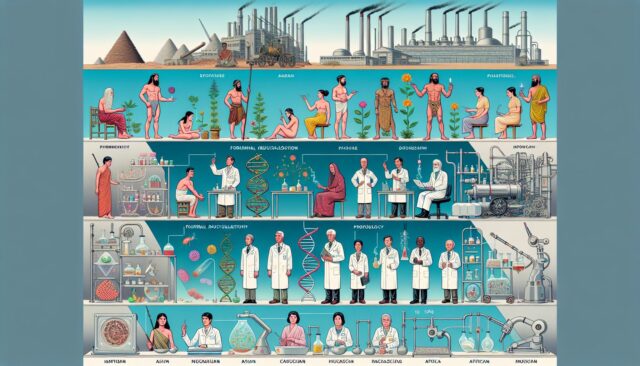
The pharmaceutical industry plays a critical role in modern society, providing lifesaving medications and treatments for a wide range of medical conditions. Over the years, the industry has evolved significantly, with advances in science and technology driving innovation and pushing the boundaries of what is possible in medicine.
One of the key factors that has shaped the pharmaceutical industry is the rise of biotechnology. Biotech companies are at the forefront of developing cutting-edge treatments and therapies, using the latest scientific breakthroughs to create new drugs that target specific diseases and conditions. These advancements have revolutionized the way we treat illnesses, offering new hope to patients who may have otherwise had limited options.
Another key trend in the pharmaceutical industry is the growing focus on personalized medicine. This approach involves tailoring treatments to the individual characteristics of each patient, such as their genetic makeup or lifestyle factors. By taking a more personalized approach to healthcare, doctors can ensure that patients receive the most effective and appropriate treatments for their specific needs, leading to better outcomes and improved quality of life.
Additionally, the pharmaceutical industry has seen a rise in collaborations and partnerships between companies, academic institutions, and government agencies. By working together, stakeholders can pool their resources and expertise to address complex medical challenges, speeding up the development and delivery of new treatments to patients in need.
Despite these advancements, the pharmaceutical industry also faces challenges and criticisms. One of the most contentious issues is the high cost of medications, with many patients struggling to afford life-saving drugs. Critics argue that pharmaceutical companies prioritize profits over public health, leading to inflated prices and limited access to essential treatments.
In response, the industry has begun to explore new pricing models and reimbursement strategies to make medications more affordable and accessible to those who need them. Companies are also investing in research and development to create more cost-effective treatments and generics that can help reduce healthcare costs and improve patient outcomes.
In conclusion, the pharmaceutical industry has come a long way in recent years, thanks to advances in science, technology, and collaboration. The power of medicine continues to drive innovation and change, offering hope and healing to millions of people around the world. By addressing the challenges and embracing the opportunities that lie ahead, the industry can continue to make a positive impact on global health and well-being.