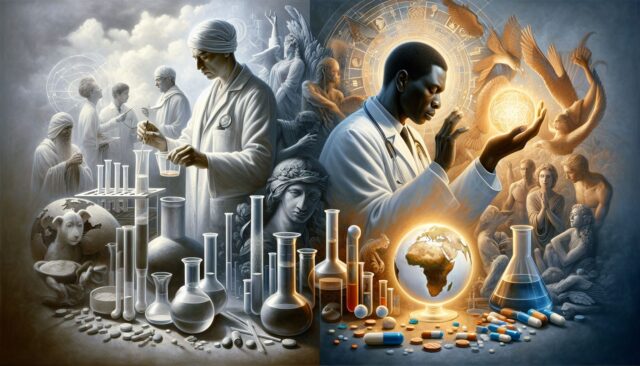
The Pharmaceutical Industry and the Power of Medicine

The pharmaceutical industry plays a crucial role in the healthcare sector by developing and producing medications that help treat a wide range of illnesses and diseases. From antibiotics and pain relievers to cancer-fighting drugs and vaccines, the pharmaceutical industry is constantly innovating and creating new treatments to improve the health and well-being of people around the world.

One of the most significant contributions of the pharmaceutical industry is the development of life-saving medications that have significantly increased the life expectancy and quality of life for millions of people. Diseases that were once considered fatal are now manageable or even curable thanks to the advancements made in medicine. For example, HIV/AIDS, once a death sentence, can now be effectively controlled with antiretroviral medications.

Furthermore, the pharmaceutical industry plays a crucial role in public health by developing vaccines that prevent the spread of infectious diseases. Vaccines have been instrumental in eradicating deadly diseases such as smallpox and reducing the prevalence of others like polio and measles. Through ongoing research and development, pharmaceutical companies continue to create new vaccines to protect individuals and communities from infectious diseases.

However, the pharmaceutical industry is not without its challenges. The high cost of prescription medications, for example, has been a source of debate and controversy. Many people struggle to afford the medications they need, leading to issues of access and affordability. Additionally, there have been concerns about the influence of pharmaceutical companies on medical practices and policies, leading to questions about ethics and transparency in the industry.

Despite these challenges, the pharmaceutical industry remains essential for the advancement of healthcare and the development of new treatments and cures. Through collaboration with healthcare professionals, researchers, and regulatory agencies, pharmaceutical companies continue to push the boundaries of medicine and improve the health outcomes of patients worldwide.

In conclusion, the pharmaceutical industry plays a vital role in the healthcare ecosystem by developing medications that treat and prevent a variety of illnesses and diseases. While there are challenges and concerns associated with the industry, the overall impact of pharmaceuticals on public health cannot be understated. As we continue to navigate the complexities of healthcare, it is important to recognize and support the critical work of the pharmaceutical industry in advancing medicine and improving lives.

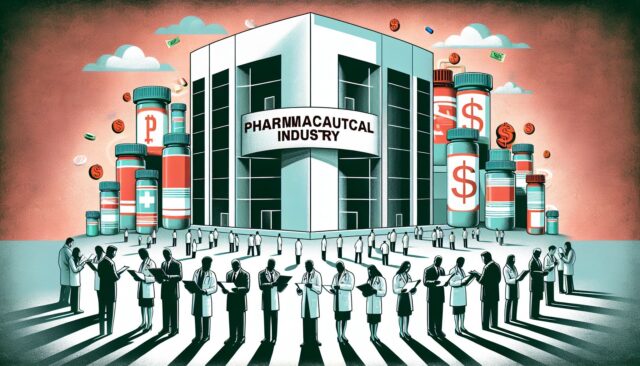
The Pharmaceutical Industry and Medicine

The pharmaceutical industry plays a crucial role in our society by developing and producing medications that help treat a wide range of diseases and improve quality of life for millions of people. From painkillers to antibiotics to vaccines, pharmaceutical companies are constantly researching and developing new drugs to address health issues around the world.

One of the key aspects of the pharmaceutical industry is the rigorous testing and approval process that any new medication must go through before it can be brought to market. This process typically involves multiple phases of clinical trials to determine the safety and efficacy of the drug in question. These trials are closely monitored by regulatory agencies such as the Food and Drug Administration (FDA) in the United States to ensure that the medication meets strict standards for quality and effectiveness.

In addition to developing new drugs, pharmaceutical companies also play a crucial role in manufacturing and distributing medications to pharmacies, hospitals, and other healthcare providers. This involves stringent quality control measures to ensure that each batch of medication meets the necessary standards for purity, potency, and consistency.

However, the pharmaceutical industry has also faced criticism in recent years for issues such as high drug prices, marketing practices, and potential conflicts of interest. Some argue that the high cost of medications can make them inaccessible to those who need them most, while others question the influence of pharmaceutical companies on prescribing patterns among healthcare providers.

Despite these challenges, the pharmaceutical industry continues to be a driving force in healthcare innovation, with new drugs constantly being developed to address unmet medical needs and improve patient outcomes. From breakthrough treatments for cancer to novel therapies for rare genetic disorders, the pharmaceutical industry plays a vital role in advancing medical science and improving public health.

In conclusion, the pharmaceutical industry and medicine are closely intertwined, with pharmaceutical companies playing a crucial role in developing, producing, and distributing medications that save lives and improve health outcomes for millions of people around the world. While there are challenges and criticisms facing the industry, the ongoing commitment to research and innovation continues to drive progress in healthcare and bring new hope to patients in need.

The Impact of the Pharmaceutical Industry on Medicine

The pharmaceutical industry plays a critical role in advancing medicine and improving the overall quality of healthcare worldwide. From developing life-saving drugs to conducting vital research, pharmaceutical companies are at the forefront of innovative healthcare solutions.

In recent years, the pharmaceutical industry has faced growing scrutiny over rising drug prices, ethical concerns, and the role of big corporations in shaping healthcare policies. However, it’s important to acknowledge the significant contributions that the industry has made in terms of medical advancements and patient care.

One of the key benefits of the pharmaceutical industry is its ability to drive innovation in medicine. Through research and development, pharmaceutical companies are continuously working to discover new treatments and cures for various diseases and health conditions. This has led to groundbreaking medical breakthroughs in areas such as cancer treatment, infectious diseases, and chronic conditions.

Moreover, pharmaceutical companies also play a crucial role in manufacturing and distributing essential medications to patients around the world. By ensuring that these medicines are safe, effective, and readily available, the industry helps to improve health outcomes and save lives on a global scale.

In addition, the pharmaceutical industry invests significant resources in clinical trials to test the safety and efficacy of new drugs. These trials are essential for bringing new treatments to market and ensuring that patients receive the best possible care. This commitment to research and testing helps to uphold high standards of quality in the pharmaceutical industry and ensure that patients can trust the medications they are prescribed.

Despite its many contributions, the pharmaceutical industry also faces challenges and criticisms. Issues such as drug pricing, monopolies, and conflicts of interest have sparked debates about the ethics and practices of pharmaceutical companies. It is crucial for the industry to address these concerns and work towards more transparent and patient-centered practices.

In conclusion, the pharmaceutical industry plays a vital role in advancing medicine and improving healthcare outcomes for patients worldwide. Through innovation, research, and manufacturing, pharmaceutical companies are able to develop life-saving medications and treatments that have a significant impact on public health. While there are challenges and controversies that the industry must navigate, it is clear that the pharmaceutical sector will continue to be a driving force in shaping the future of medicine.

The Impact of the Pharmaceutical Industry on Medicine

The pharmaceutical industry plays a crucial role in our healthcare system, providing us with the medications we need to treat various illnesses and improve our overall well-being. From antibiotics to cancer treatments, pharmaceutical companies are constantly researching, developing, and manufacturing new drugs to help patients around the world.

One of the main contributions of the pharmaceutical industry to medicine is the discovery of new drugs. Through extensive research and clinical trials, pharmaceutical companies are able to identify compounds that have the potential to treat specific diseases or conditions. Once a promising drug is found, it goes through a rigorous process of testing and approval by regulatory agencies before it can be prescribed to patients.

In addition to discovering new drugs, the pharmaceutical industry also plays a vital role in manufacturing and distributing medications. Companies invest heavily in state-of-the-art facilities and technologies to ensure that drugs are produced in a safe and efficient manner. They also work closely with healthcare providers and pharmacies to make sure that medications are readily available to those who need them.

Moreover, the pharmaceutical industry is constantly innovating and improving existing drugs. Through ongoing research and development, companies are able to enhance the effectiveness and safety of medications, as well as develop new formulations that are easier to administer. This continuous improvement helps patients receive better treatment options and improves their overall quality of life.

Despite all the advancements made by the pharmaceutical industry, there are also challenges and controversies. Drug pricing, for example, has been a hot topic in recent years, with many people expressing concerns about the high cost of medications. Companies often justify these prices by pointing to the significant investments required for research and development, but the issue remains a point of contention.

In conclusion, the pharmaceutical industry has a profound impact on medicine, providing us with the drugs we need to manage and treat various health conditions. Through ongoing research, development, and innovation, companies are able to improve existing medications and discover new ones that can save lives and improve quality of life. While there are challenges and controversies to address, the contribution of the pharmaceutical industry to medicine cannot be understated.

The Pharmaceutical Industry and Medicine: Advancements and Controversies

The pharmaceutical industry plays a crucial role in the development and distribution of medicine. It is responsible for creating life-saving drugs, vaccines, and therapies that improve the health and well-being of people worldwide. Despite its many advancements, the industry is also plagued with controversies related to pricing, access, and ethics.

In recent years, the pharmaceutical industry has made significant advancements in medicine. Breakthrough drugs have been developed to treat a wide range of diseases, from cancer to rare genetic disorders. Vaccines have been created to prevent deadly illnesses, such as COVID-19, saving countless lives. In addition, ongoing research and development efforts continue to push the boundaries of medical science, paving the way for new treatments and cures.

However, the pharmaceutical industry is not without its controversies. One of the most prominent issues is the rising cost of prescription drugs. Many essential medications have become prohibitively expensive, putting a significant financial strain on patients and healthcare systems. The industry has also faced criticism for its aggressive marketing tactics, which can sometimes prioritize profits over patient well-being.

Access to medicine is another contentious issue in the pharmaceutical industry. Many people around the world lack access to essential medications due to factors such as poverty, geography, and inadequate healthcare infrastructure. This inequity in access to medicine highlights the need for broader efforts to ensure that all individuals can benefit from the advancements in medical science.

Ethical concerns also surround the pharmaceutical industry, particularly in relation to drug testing and marketing practices. Questions have been raised about the transparency of clinical trials, the influence of pharmaceutical companies on medical research, and the potential for conflicts of interest. It is essential for the industry to uphold high ethical standards and prioritize the safety and well-being of patients in all its dealings.

In conclusion, the pharmaceutical industry plays a vital role in advancing medicine and improving public health. While it has achieved great success in developing innovative treatments, it also faces challenges and controversies that must be addressed. By promoting transparency, affordability, and ethical practices, the industry can continue to make a positive impact on the lives of people worldwide. The future of medicine depends on a collaborative effort between the industry, healthcare professionals, regulators, and the public to ensure that all individuals have access to safe, effective, and affordable healthcare.

The Influence of the Pharmaceutical Industry on Medicine

The pharmaceutical industry plays a vital role in the development and production of medicines that save and improve the lives of millions of people worldwide. Pharmaceutical companies invest substantial resources in research and development to discover new drugs, conduct clinical trials, and ensure that medications are safe and effective for patients. However, the industry also faces criticism for its pricing practices, marketing strategies, and influence on healthcare policies.

One of the primary concerns surrounding the pharmaceutical industry is the high cost of prescription medications. Drug companies invest significant amounts of money into research and development, and they argue that the high prices are necessary to recoup these costs and fund future innovation. However, this pricing strategy can make essential medications inaccessible to patients who cannot afford them, leading to disparities in healthcare.

Another issue facing the pharmaceutical industry is its marketing practices. Companies often heavily promote their drugs to physicians, who may prescribe them to patients even when there are cheaper or more effective alternatives available. This can lead to overprescribing and unnecessary use of medications, contributing to the rising costs of healthcare.

Furthermore, the pharmaceutical industry wields substantial influence over healthcare policies and regulations. Drug companies lobby policymakers and engage in extensive marketing campaigns to sway public opinion in their favor. This influence can sometimes result in policies that prioritize profit over public health, such as relaxed regulations on drug pricing or delayed approval of generic medications.

Despite these challenges, the pharmaceutical industry has made significant contributions to medicine. Through innovation and research, companies have developed life-saving medications for conditions such as cancer, heart disease, and diabetes. They have also played a crucial role in combating global health crises, such as the COVID-19 pandemic, by developing vaccines and treatments in record time.

In conclusion, the pharmaceutical industry has a profound impact on medicine and healthcare. While the industry faces criticism for its pricing practices, marketing strategies, and influence on policies, it also plays a crucial role in developing new medications and advancing medical science. It is essential for stakeholders, including policymakers, healthcare providers, and patients, to work together to address these challenges and ensure that the pharmaceutical industry continues to benefit society as a whole.


Word count: 365

The Pharmaceutical Industry: Advancements in Medicine

The pharmaceutical industry plays a crucial role in the development and production of medicines that improve the health and well-being of individuals around the world. With continuous advancements in technology and research, this industry has made significant contributions to the field of medicine.

One of the key aspects of the pharmaceutical industry is drug discovery and development. Scientists and researchers are constantly working to identify new molecules and compounds that can be used to treat various diseases and medical conditions. Through rigorous testing and clinical trials, these potential treatments are evaluated for safety and efficacy before they can be approved for use by regulatory agencies.

Once a drug has been approved, pharmaceutical companies are responsible for manufacturing and distributing the medication to patients. This process involves strict quality control measures to ensure that the drug is produced consistently and meets regulatory standards. Additionally, these companies invest in marketing and sales efforts to promote their products to healthcare providers and patients.

In recent years, the pharmaceutical industry has made significant strides in precision medicine and personalized treatments. By utilizing genetic information and biomarkers, healthcare providers can tailor treatments to individual patients based on their specific characteristics and needs. This approach has led to more targeted and effective therapies for conditions such as cancer, diabetes, and cardiovascular disease.

Furthermore, advancements in biotechnology have revolutionized the production of medications. Biopharmaceuticals, which are derived from living organisms, offer unique treatment options for a wide range of diseases. These drugs are highly specific and can be more effective with fewer side effects than traditional pharmaceuticals.

Despite the many achievements of the pharmaceutical industry, there are also challenges and criticisms that must be addressed. One of the most pressing issues is the high cost of prescription medications, which can create barriers to access for patients in need of treatment. Additionally, concerns about transparency, unethical marketing practices, and the influence of pharmaceutical companies on healthcare policies have raised questions about the industry’s practices.

In conclusion, the pharmaceutical industry continues to play a vital role in advancing medicine and improving patient outcomes. Through ongoing research and innovation, new treatments are being developed to address unmet medical needs and improve quality of life. It is important for stakeholders in the industry to collaborate and address challenges in order to ensure that patients have access to safe, effective, and affordable medications.

The Role of Pharmaceutical Industry in Advancing Medicine

The pharmaceutical industry plays a crucial role in the development and production of medicines that save lives and improve the quality of life for millions of people around the world. From antibiotics to chemotherapy drugs, pharmaceutical companies are responsible for researching, testing, and manufacturing the medications that treat various illnesses and conditions.

The process of developing a new medicine is a lengthy and complex one. It begins with the identification of a potential drug target, which could be a specific protein or enzyme associated with a disease. Scientists then work to design and test molecules that can interact with this target to either inhibit or enhance its activity. This often involves years of research and testing in the lab before a candidate drug is identified.

Once a promising drug candidate is found, it must undergo rigorous testing in clinical trials to ensure its safety and efficacy. These trials involve thousands of patients and can take several years to complete. If the drug proves to be safe and effective, it can then be submitted for approval by regulatory agencies such as the FDA in the United States.

After a drug is approved, pharmaceutical companies are responsible for manufacturing and distributing it to patients. This involves ensuring that the medication is produced in a consistent and high-quality manner, and that it reaches patients in need in a timely fashion. Companies also work to educate healthcare professionals and the public about the proper use of their medications, including potential side effects and interactions with other drugs.

In addition to developing new medicines, the pharmaceutical industry also plays a role in repurposing existing drugs for new uses. This can involve identifying a new disease or condition that a drug may be effective against, or finding ways to reformulate a drug to improve its efficacy or reduce side effects.

While the pharmaceutical industry has made significant advancements in medicine, it is not without its challenges. Critics argue that the high cost of medications can limit access for some patients, and that pharmaceutical companies prioritize profits over public health. There are also concerns about the influence of pharmaceutical companies on medical research and prescribing practices.

Despite these challenges, the pharmaceutical industry continues to be a key player in advancing medicine and improving patient outcomes. Through research, innovation, and collaboration with healthcare providers, pharmaceutical companies are at the forefront of developing new treatments for a wide range of diseases and conditions. By working together, we can ensure that patients have access to the medications they need to live healthy and fulfilling lives.

The Impact of the Pharmaceutical Industry on Modern Medicine

The pharmaceutical industry plays a crucial role in the development, production, and distribution of medicine. With advancements in technology and research, the industry has made significant strides in improving healthcare outcomes and prolonging life expectancy. This article explores the impact of the pharmaceutical industry on modern medicine.

Introduction

The pharmaceutical industry is responsible for discovering, developing, and producing medications that help treat a wide range of diseases and conditions. From antibiotics to vaccines, the industry has revolutionized healthcare and saved countless lives. Through collaboration with researchers, scientists, and healthcare professionals, pharmaceutical companies continue to innovate and improve the quality of medicines available to patients worldwide.

Body

One of the key contributions of the pharmaceutical industry to modern medicine is the development of new drugs and therapies. Through extensive research and clinical trials, pharmaceutical companies identify and test potential treatments for various diseases. This process can take years and involves rigorous testing to ensure the safety and efficacy of the medication before it is approved for use by regulatory authorities.

In addition to developing new drugs, pharmaceutical companies also play a vital role in manufacturing and distributing medicines to patients. This ensures that those in need have access to the treatments they require to manage their health conditions effectively. The industry invests heavily in advanced manufacturing processes to produce high-quality medications that meet regulatory standards and patient needs.

Moreover, the pharmaceutical industry contributes to healthcare by investing in education and training programs for healthcare professionals. This helps ensure that physicians, pharmacists, and other medical personnel are up-to-date on the latest treatments and guidelines for prescribing medications. By fostering collaboration between industry experts and healthcare providers, the industry can improve patient care and outcomes.

Conclusion

In conclusion, the pharmaceutical industry has a profound impact on modern medicine. Through research, development, manufacturing, and distribution of medications, the industry helps improve healthcare outcomes and quality of life for patients worldwide. By continuing to innovate and collaborate with healthcare professionals, the industry plays a vital role in advancing medical science and providing effective treatments for a wide range of health conditions.

The Role of the Pharmaceutical Industry in Shaping Modern Medicine

The pharmaceutical industry plays a crucial role in shaping our modern healthcare system. From the discovery and development of life-saving medications to the production and distribution of these drugs, pharmaceutical companies have a significant impact on the health and wellbeing of individuals around the world.

One of the key functions of the pharmaceutical industry is research and development. Through extensive scientific research and clinical trials, pharmaceutical companies are able to create new medications that treat various diseases and conditions. This process can take many years and involves significant investment in resources and manpower. However, the end result is often groundbreaking drugs that save lives and improve quality of life for millions of people.

In addition to creating new medications, pharmaceutical companies also play a vital role in ensuring that these drugs are safe and effective for use. Before a new medication can be approved for market, it must undergo rigorous testing to demonstrate its safety and efficacy. This process is overseen by regulatory agencies such as the Food and Drug Administration (FDA) in the United States, which sets strict standards for drug approval. Pharmaceutical companies must adhere to these regulations to ensure that their products meet the highest standards of quality and safety.

Once a medication has been approved for market, pharmaceutical companies are responsible for manufacturing and distributing it to healthcare providers and patients. This involves producing the drug in large quantities, packaging it for distribution, and working with pharmacies and hospitals to ensure that it reaches those who need it. Pharmaceutical companies also play a role in educating healthcare professionals and patients about the proper use of medications, including potential side effects and drug interactions.

Overall, the pharmaceutical industry plays a vital role in shaping modern medicine and improving healthcare outcomes for individuals worldwide. Through research and development, drug approval, and manufacturing and distribution, pharmaceutical companies contribute to the development of new and innovative medications that save lives and improve quality of life. As the healthcare landscape continues to evolve, the pharmaceutical industry will play an increasingly important role in meeting the growing healthcare needs of a global population.

In conclusion, the pharmaceutical industry is a driving force behind the development of modern medicine. Through its research and development efforts, drug approval process, and manufacturing and distribution capabilities, pharmaceutical companies ensure that life-saving medications reach those who need them most. By continuing to innovate and adapt to the changing healthcare landscape, the pharmaceutical industry will continue to play a crucial role in improving healthcare outcomes for individuals around the world.