The Impact of the Pharmaceutical Industry on Medicine

The pharmaceutical industry plays a crucial role in the world of medicine by researching, developing, and manufacturing drugs that improve the health and well-being of individuals. This industry is essential for providing treatments and cures for various diseases and conditions, from common ailments like headaches to life-threatening illnesses like cancer.

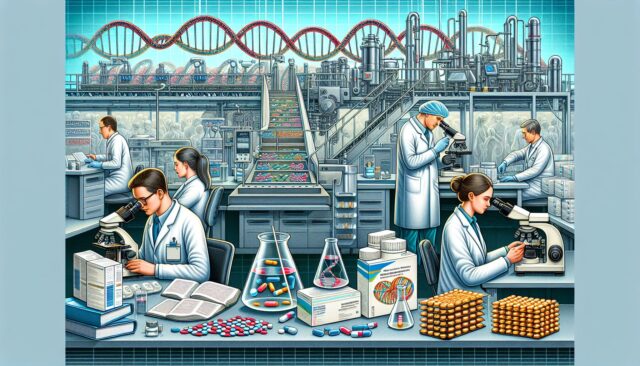
One of the key contributions of the pharmaceutical industry is innovation. Through rigorous research and development processes, pharmaceutical companies discover new drugs and treatments that can significantly improve the quality of life for patients. These innovations have led to breakthroughs in areas such as oncology, infectious diseases, and chronic conditions, allowing patients to live longer, healthier lives.

In addition to innovation, the pharmaceutical industry also plays a vital role in ensuring the safety and efficacy of medicines. Before any drug can be approved for use, it undergoes rigorous testing to determine its safety and effectiveness. This process helps to protect patients from harmful side effects and ensures that they receive the best possible treatment for their condition.

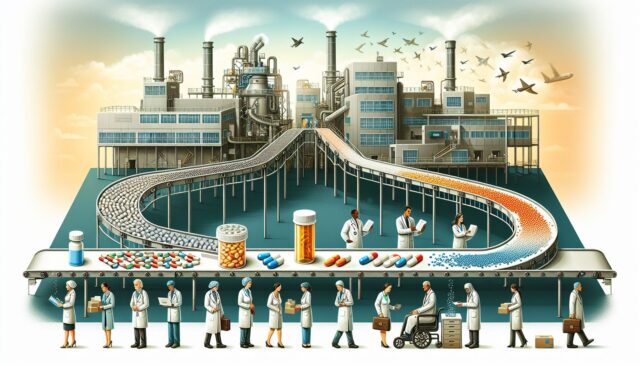
Furthermore, the pharmaceutical industry is responsible for manufacturing and distributing medicines to healthcare providers and patients. This ensures that essential drugs are readily available when needed and helps to meet the increasing demand for healthcare services worldwide. Without the pharmaceutical industry, patients would not have access to the medicines they need to treat their illnesses and manage their health.

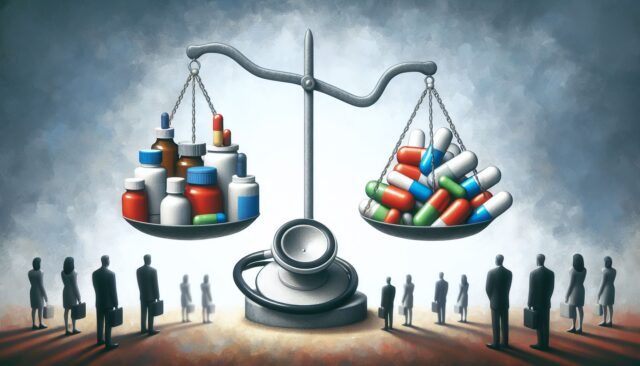
Despite these positive contributions, the pharmaceutical industry also faces challenges, such as rising healthcare costs and increased regulatory scrutiny. Drug pricing, in particular, has become a contentious issue, with some medications being sold at exorbitant prices that are out of reach for many patients. This has sparked debates about the need for greater transparency and accountability in the industry.

In conclusion, the pharmaceutical industry plays a crucial role in the development and advancement of medicine. Through innovation, research, and manufacturing, pharmaceutical companies provide essential drugs and treatments that improve the health and well-being of individuals around the world. While facing challenges, the industry continues to make significant contributions to healthcare, ensuring that patients have access to the medicines they need to lead healthier, happier lives.

By recognizing the importance of the pharmaceutical industry and working to address its challenges, we can continue to benefit from the advancements in medicine that improve our quality of life and well-being.

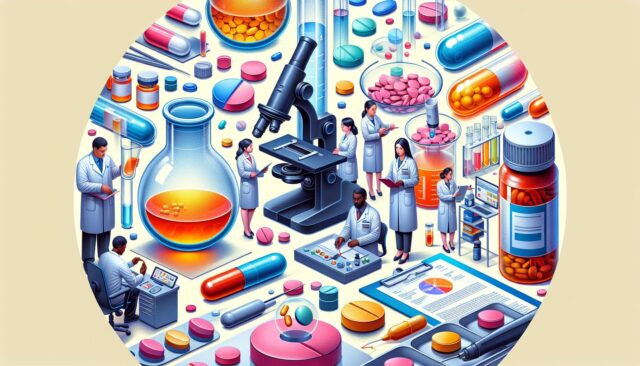
The Pharmaceutical Industry and Medicine

The pharmaceutical industry plays a crucial role in our healthcare system by researching, developing, manufacturing, and distributing medications to help treat and cure various diseases and conditions. It is a multi-billion dollar industry that is constantly evolving and innovating to meet the ever-changing needs of patients worldwide.

Medicine, on the other hand, is the science and practice of diagnosing, treating, and preventing disease. It encompasses a wide range of disciplines, including pharmacology, biochemistry, microbiology, and genetics. The goal of medicine is to improve the health and well-being of individuals by providing effective and safe treatments for their ailments.

Over the years, the pharmaceutical industry has made significant advancements in the development of new drugs and therapies that have revolutionized modern medicine. From antibiotics to vaccines to biologics, these innovative treatments have saved countless lives and improved the quality of life for millions of people around the globe.

However, the pharmaceutical industry is not without its controversies. Critics argue that the high cost of medications, the influence of drug companies on healthcare policies, and the potential for unethical practices such as off-label marketing and price gouging are significant issues that need to be addressed. Additionally, concerns about the safety and efficacy of certain drugs, as well as the rise of antibiotic resistance, have raised important questions about the future of medicine and public health.

Despite these challenges, the pharmaceutical industry continues to play a vital role in our healthcare system. Through partnerships with academia, government agencies, and non-profit organizations, drug companies are able to conduct groundbreaking research and development that leads to the discovery of new and innovative treatments for a wide range of diseases.

In conclusion, the pharmaceutical industry and medicine are intrinsically linked, with each playing a crucial role in the advancement of healthcare and the treatment of diseases. While there are challenges and controversies within the industry, the commitment to improving patient outcomes and finding new and effective treatments remains paramount. By working together, the pharmaceutical industry and the medical community can continue to push the boundaries of science and innovation, ultimately leading to better health and well-being for all.

The Pharmaceutical Industry and Medicine: An Overview

The pharmaceutical industry plays a crucial role in providing medicines that help improve and save lives around the world. From the development of new drugs to their distribution and marketing, pharmaceutical companies are at the forefront of healthcare innovation. In this article, we will explore the intricacies of the pharmaceutical industry and its impact on medicine.

The Role of Pharmaceutical Companies

Pharmaceutical companies are responsible for the research, development, and production of drugs that treat a wide range of illnesses and conditions. They invest billions of dollars in research and development each year to discover new medications and improve existing ones. These companies work closely with regulatory agencies, such as the Food and Drug Administration (FDA), to ensure that their products are safe and effective for consumers.

The Process of Drug Development

The process of developing a new drug can take years and involves several stages, including preclinical research, clinical trials, and regulatory approval. Preclinical research involves testing the drug in laboratory settings and on animals to determine its safety and effectiveness. If the drug shows promise, it can then move on to clinical trials, where it is tested on human subjects to evaluate its efficacy and side effects. Regulatory approval is obtained from government agencies before the drug can be marketed and sold to the public.

Challenges in the Pharmaceutical Industry

While the pharmaceutical industry has made significant advancements in medicine, it also faces challenges, such as high costs of drug development, generic competition, and regulatory hurdles. The high costs of research and development can make it difficult for smaller companies to bring new drugs to market, which can limit competition and drive up prices. Generic competition can also impact pharmaceutical companies’ profits, as cheaper alternatives to brand-name drugs become available.

The Future of Medicine

Despite these challenges, the pharmaceutical industry continues to innovate and develop new treatments for a variety of medical conditions. Advances in technology, such as personalized medicine and gene therapy, hold great promise for the future of healthcare. As our understanding of genetics and disease improves, we can expect to see more targeted and effective treatments that improve patient outcomes and quality of life.

In conclusion, the pharmaceutical industry plays a vital role in the development and distribution of medicines that improve and save lives. While it faces challenges, such as high costs and regulatory hurdles, the industry continues to innovate and push the boundaries of medicine. With continued research and investment, the future of medicine looks bright, with new treatments and therapies on the horizon.

The Complex World of Pharmaceuticals: A Look into the Industry

The pharmaceutical industry plays a crucial role in our society by developing, producing, and distributing medicines that improve and save countless lives. However, this industry is complex and filled with many challenges and controversies.

In the world of pharmaceuticals, research and development are the driving forces behind the creation of new drugs. Companies invest billions of dollars into discovering and testing new medications in the hopes of finding cures for various diseases and conditions. This process can take years, with no guarantee of success, making it a high-risk venture for companies.

Once a new drug is developed, it must go through a rigorous approval process by regulatory agencies, such as the Food and Drug Administration (FDA). This process ensures that the drug is safe and effective for its intended use. However, there have been cases where drugs have been approved, only to later be recalled due to unforeseen side effects.

The pricing of pharmaceuticals is another hot topic in the industry. Many people argue that the cost of medications is too high, making them inaccessible to those who need them most. Pharmaceutical companies defend their pricing by citing the high cost of research and development, as well as the need to recoup these expenses.

The pharmaceutical industry also faces criticism for its marketing practices. Some companies have been accused of aggressively marketing drugs to consumers and healthcare providers, leading to overprescribing and misuse of medications. This has raised concerns about the influence of pharmaceutical companies on medical practices.

Despite its challenges, the pharmaceutical industry has made significant advancements in the field of medicine. From antibiotics and vaccines to treatments for chronic conditions, pharmaceuticals have revolutionized healthcare and saved countless lives. The industry continues to push boundaries with the development of personalized medicine and cutting-edge therapies.

In conclusion, the pharmaceutical industry is a complex and dynamic sector that plays a vital role in healthcare. While it faces challenges and controversies, it also brings hope and innovation to the world of medicine. By addressing issues such as drug pricing and marketing practices, the industry can continue to evolve and improve the lives of patients worldwide.

The Transformative Impact of the Pharmaceutical Industry on Medicine

The pharmaceutical industry plays a crucial role in the field of medicine by developing and manufacturing drugs that save lives, improve quality of life, and alleviate suffering. This industry is constantly innovating and conducting research to discover new treatments for a wide range of illnesses and diseases.

One of the key contributions of the pharmaceutical industry is the development of new drugs. Through rigorous testing and clinical trials, pharmaceutical companies are able to bring to market medications that can effectively treat various health conditions. These drugs undergo extensive testing to ensure their safety and efficacy, providing healthcare professionals with valuable tools to help their patients.

In addition to developing new drugs, the pharmaceutical industry also plays a significant role in the production and distribution of medications. Pharmaceutical companies invest heavily in state-of-the-art manufacturing facilities to produce high-quality drugs at scale. This ensures that patients have access to the medications they need to manage their health conditions.

Furthermore, the pharmaceutical industry drives innovation in medicine through research and development. By investing in cutting-edge technologies and scientific advancements, pharmaceutical companies are able to push the boundaries of what is possible in the treatment of diseases. This innovative spirit has led to the discovery of groundbreaking therapies, such as immunotherapies and gene therapies, that have revolutionized the way we approach healthcare.

Despite these advancements, the pharmaceutical industry also faces challenges, such as regulatory hurdles and pricing pressures. The process of developing new drugs can be lengthy and costly, requiring significant investment in research and development. Additionally, pharmaceutical companies must navigate complex regulatory frameworks to ensure their drugs meet safety and efficacy standards before they can be brought to market.

In conclusion, the pharmaceutical industry plays a vital role in advancing medicine and improving healthcare outcomes for individuals around the world. Through their tireless efforts in research, development, and manufacturing, pharmaceutical companies continue to drive innovation and provide patients with life-changing treatments. As we look to the future of medicine, the pharmaceutical industry will undoubtedly remain a key player in shaping the healthcare landscape.

The Role of Pharmaceutical Industry in Advancing Medicine

The pharmaceutical industry plays a crucial role in the development and advancement of medicine. Through research, innovation, and the production of medications, pharmaceutical companies have revolutionized healthcare and have significantly improved the quality of life for millions of people around the world.

One of the primary functions of the pharmaceutical industry is to conduct research and development to create new drugs and treatments for various illnesses and diseases. This involves investing significant resources into the science of drug discovery, clinical trials, and the regulatory approval process. Without the pharmaceutical industry’s dedication to research and innovation, many life-saving medications would not exist today.

Furthermore, pharmaceutical companies are responsible for manufacturing and distributing medications to healthcare providers and patients. This includes producing drugs in large quantities, ensuring quality control and safety standards are met, and making medications accessible and affordable to those in need. The pharmaceutical industry plays a critical role in the supply chain that ensures patients have access to the medications they require to manage their health conditions.

In addition to creating new drugs, pharmaceutical companies also play an essential role in repurposing existing medications for new uses. Through ongoing research and clinical trials, pharmaceutical companies can identify alternative uses for existing drugs, expanding their potential benefits and improving patient outcomes. This process has led to the development of new treatments for various conditions, providing patients with additional options for managing their health.

Despite the many benefits that the pharmaceutical industry provides, it is not without its challenges. The industry faces scrutiny over drug pricing, patent protection, and potential conflicts of interest. It is essential for pharmaceutical companies to balance the need for profitability with the ethical responsibility of providing affordable and accessible medications to those in need.

In conclusion, the pharmaceutical industry plays a critical role in advancing medicine and improving healthcare outcomes for individuals worldwide. Through research, innovation, and the production of medications, pharmaceutical companies continue to make significant contributions to the field of medicine. While the industry faces challenges, it is essential to recognize the valuable role that pharmaceutical companies play in improving the health and well-being of individuals around the globe.

The Importance of the Pharmaceutical Industry in Advancing Medicine

In today’s society, the pharmaceutical industry plays a crucial role in developing and providing life-saving medications to individuals all around the world. The discovery and production of new drugs have significantly improved the quality of life for many people, treating a wide range of illnesses and diseases.

The pharmaceutical industry invests heavily in research and development to create new medications that can alleviate symptoms, cure diseases, and improve overall health outcomes. This constant innovation leads to breakthroughs in treatment options for conditions that were once considered untreatable.

One of the key benefits of the pharmaceutical industry is the accessibility and availability of medications. Thanks to the efforts of pharmaceutical companies, people can easily obtain the drugs they need to manage their health conditions. This accessibility is crucial for those who rely on medication to maintain their well-being and quality of life.

Moreover, the pharmaceutical industry plays a vital role in driving economic growth and job creation. The industry employs a significant number of people in various roles, from researchers and scientists to manufacturing and sales professionals. This not only provides employment opportunities for individuals but also contributes to overall economic development.

Despite these benefits, the pharmaceutical industry also faces challenges such as the high costs associated with drug development and the need to balance profitability with affordability. Many people around the world struggle to afford necessary medications due to high prices set by pharmaceutical companies. This issue has sparked debates about the ethics and practices of the industry, as access to essential medications should be a fundamental right for all individuals.

In conclusion, the pharmaceutical industry plays a critical role in advancing medicine and improving the health outcomes of people worldwide. Through research, development, and production of medications, the industry has transformed the way we treat illnesses and manage health conditions. However, it is essential for the industry to prioritize affordability and accessibility to ensure that everyone has access to the medications they need for their well-being. Collaborative efforts between pharmaceutical companies, healthcare providers, policymakers, and patients are necessary to address these challenges and ensure a sustainable and equitable healthcare system for all.

The Impact of the Pharmaceutical Industry on Medicine

The pharmaceutical industry plays a crucial role in the advancement of medicine and healthcare. Through research, development, and innovation, pharmaceutical companies create life-saving drugs and treatments that improve the quality of life for millions of people around the world. However, the industry is not without its controversies and challenges.

In recent years, the pharmaceutical industry has come under scrutiny for high drug prices and unethical marketing practices. Some critics argue that pharmaceutical companies prioritize profits over patient well-being, leading to inflated prices and the promotion of unnecessary medications. This has raised questions about the transparency and ethics of the industry, as well as the accessibility of affordable healthcare for all individuals.

Despite these criticisms, the pharmaceutical industry has made significant advancements in the fields of medicine and healthcare. Through extensive research and clinical trials, companies have developed new treatments for diseases and conditions that were once considered incurable. From life-saving vaccines to innovative cancer therapies, pharmaceutical companies continue to push the boundaries of medical science and improve patient outcomes.

One of the key challenges facing the pharmaceutical industry is the issue of drug pricing. The high cost of prescription medications can be a barrier to access for many patients, particularly those without insurance or with limited financial resources. In response to this issue, some pharmaceutical companies have worked to increase transparency around pricing and offer discounts or assistance programs to help make medications more affordable for patients in need.

In addition to pricing concerns, the pharmaceutical industry is also facing pressure to improve drug safety and reduce the risk of adverse effects. Regulatory agencies around the world play a critical role in monitoring the safety and effectiveness of medications, but challenges still exist in ensuring that all drugs on the market meet stringent safety standards. Pharmaceutical companies must continue to invest in research and development to ensure that their products are safe, effective, and beneficial for patients.

In conclusion, the pharmaceutical industry plays a vital role in driving innovation and progress in the field of medicine. While challenges and controversies exist, the industry’s contributions to healthcare cannot be overlooked. By addressing issues such as drug pricing, safety, and ethics, pharmaceutical companies can continue to make a positive impact on the lives of patients and improve global health outcomes.

The Pharmaceutical Industry and Medicine: A Closer Look

The pharmaceutical industry plays a crucial role in the development, production, and distribution of medicine worldwide. It is responsible for creating life-saving drugs, vaccines, and medical devices that help improve and prolong human life. However, like any other industry, the pharmaceutical industry also has its fair share of challenges and controversies.

One of the biggest criticisms of the pharmaceutical industry is the high cost of medicine. Many life-saving drugs are priced exorbitantly, making them unaffordable for the average person. This has led to debates about the ethics of putting a price on human life and the need for regulations to ensure fair pricing.

Another issue that the pharmaceutical industry faces is the process of drug development and approval. It can take years and billions of dollars to bring a new drug to market, and the process is not without risks. Many drugs fail to make it through the rigorous testing and approval process, leading to wasted time and resources.

The pharmaceutical industry is also often criticized for its marketing practices. There have been instances of companies misleading the public about the efficacy and safety of their drugs, leading to lawsuits and public distrust. The industry has been accused of prioritizing profits over patient well-being, leading to calls for increased transparency and regulation.

Despite these challenges, the pharmaceutical industry plays a vital role in advancing medical science and improving healthcare outcomes. Without the innovation and research conducted by pharmaceutical companies, many life-threatening diseases would still be untreatable.

In conclusion, the pharmaceutical industry is essential for the development and production of medicine that saves lives and improves health outcomes. However, it is not without its flaws and controversies. It is important for the industry to address these issues and work towards more ethical and transparent practices. By prioritizing patient well-being over profits, the pharmaceutical industry can continue to make significant contributions to healthcare worldwide.

The Role of the Pharmaceutical Industry in Advancing Medicine

The pharmaceutical industry plays a critical role in the development and distribution of medicine, which is essential for treating and preventing various medical conditions. Through research, testing, and manufacturing, pharmaceutical companies are able to create innovative drugs that can improve the quality of life for millions of people around the world.

One of the key aspects of the pharmaceutical industry is drug research and development. Scientists and researchers within pharmaceutical companies work tirelessly to discover new compounds and molecules that have the potential to address unmet medical needs. This process involves a combination of laboratory experiments, animal testing, and clinical trials to ensure the safety and efficacy of the drug candidate.

Once a promising drug candidate has been identified, pharmaceutical companies must obtain regulatory approval before it can be marketed and sold to consumers. This involves submitting data from clinical trials to regulatory agencies such as the Food and Drug Administration (FDA) in the United States or the European Medicines Agency (EMA) in Europe. These agencies review the data to determine whether the drug is safe and effective for its intended use.

In addition to research and development, pharmaceutical companies also play a critical role in drug manufacturing and distribution. Once a drug has been approved, it must be produced in large quantities to meet the demand of patients and healthcare providers. Pharmaceutical companies have the infrastructure and expertise to manufacture drugs on a mass scale while maintaining high quality standards.

Furthermore, pharmaceutical companies also invest significant resources into marketing and sales to promote their products to healthcare professionals and consumers. This includes educating healthcare providers about the benefits of their drugs and raising awareness among patients about treatment options for their medical conditions. These efforts help ensure that patients have access to the medications they need to manage their health.

Overall, the pharmaceutical industry is a vital component of the healthcare system, contributing to medical advancements that have the potential to save lives and improve health outcomes. While there are some criticisms of the industry, such as high drug prices and conflicts of interest, it is clear that pharmaceutical companies play a crucial role in advancing medicine and improving patient care.

In conclusion, the pharmaceutical industry is instrumental in the development and distribution of medicine, which is essential for treating and preventing various medical conditions. Through research, testing, and manufacturing, pharmaceutical companies are able to create innovative drugs that have the potential to improve the quality of life for millions of people worldwide. Despite some criticisms, it is undeniable that the pharmaceutical industry plays a crucial role in advancing medicine and ultimately benefiting society as a whole.