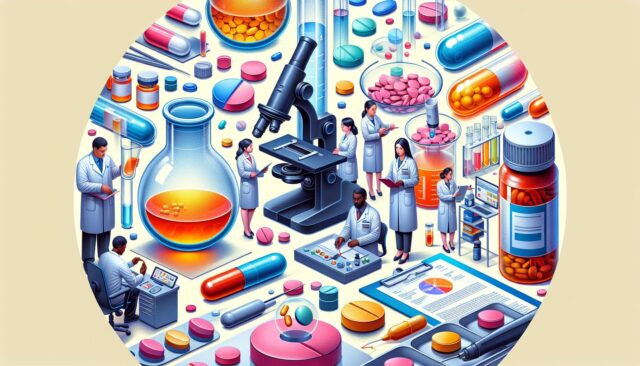
The pharmaceutical industry plays a crucial role in providing medicines that help improve and save lives around the world. From the development of new drugs to their distribution and marketing, pharmaceutical companies are at the forefront of healthcare innovation. In this article, we will explore the intricacies of the pharmaceutical industry and its impact on medicine.
The Role of Pharmaceutical Companies
Pharmaceutical companies are responsible for the research, development, and production of drugs that treat a wide range of illnesses and conditions. They invest billions of dollars in research and development each year to discover new medications and improve existing ones. These companies work closely with regulatory agencies, such as the Food and Drug Administration (FDA), to ensure that their products are safe and effective for consumers.
The Process of Drug Development
The process of developing a new drug can take years and involves several stages, including preclinical research, clinical trials, and regulatory approval. Preclinical research involves testing the drug in laboratory settings and on animals to determine its safety and effectiveness. If the drug shows promise, it can then move on to clinical trials, where it is tested on human subjects to evaluate its efficacy and side effects. Regulatory approval is obtained from government agencies before the drug can be marketed and sold to the public.
Challenges in the Pharmaceutical Industry
While the pharmaceutical industry has made significant advancements in medicine, it also faces challenges, such as high costs of drug development, generic competition, and regulatory hurdles. The high costs of research and development can make it difficult for smaller companies to bring new drugs to market, which can limit competition and drive up prices. Generic competition can also impact pharmaceutical companies’ profits, as cheaper alternatives to brand-name drugs become available.
The Future of Medicine
Despite these challenges, the pharmaceutical industry continues to innovate and develop new treatments for a variety of medical conditions. Advances in technology, such as personalized medicine and gene therapy, hold great promise for the future of healthcare. As our understanding of genetics and disease improves, we can expect to see more targeted and effective treatments that improve patient outcomes and quality of life.
In conclusion, the pharmaceutical industry plays a vital role in the development and distribution of medicines that improve and save lives. While it faces challenges, such as high costs and regulatory hurdles, the industry continues to innovate and push the boundaries of medicine. With continued research and investment, the future of medicine looks bright, with new treatments and therapies on the horizon.