The Pharmaceutical Industry: Advancements in Medicine

The pharmaceutical industry plays a crucial role in the development of life-saving medications and treatments for various medical conditions. From research and development to manufacturing and distribution, pharmaceutical companies work tirelessly to improve the quality of healthcare worldwide.

One of the key aspects of the pharmaceutical industry is innovation. Through ongoing research and clinical trials, pharmaceutical companies are able to discover new drugs and treatments that can greatly benefit patients. These advancements have led to the development of medications for diseases such as cancer, diabetes, and HIV/AIDS, among others. Without the continuous efforts of the pharmaceutical industry, many of these life-saving treatments would not be available today.

In addition to developing new drugs, pharmaceutical companies also play a vital role in manufacturing and distributing medications to patients around the world. Through stringent quality control measures and regulations, pharmaceutical companies ensure that the medications produced are safe and effective for use. This helps to protect the health and well-being of patients who rely on these medications for their treatment.

Furthermore, the pharmaceutical industry plays a key role in driving economic growth and creating jobs. With billions of dollars invested in research and development, pharmaceutical companies contribute significantly to the economy. Additionally, the industry provides employment opportunities for scientists, researchers, healthcare professionals, and other individuals who work in various aspects of drug development and manufacturing.

Despite the many benefits that the pharmaceutical industry brings, it also faces challenges such as drug pricing and access to medications. The high cost of some prescription drugs has been a point of contention among patients, healthcare providers, and policymakers. This has led to debates on how to make medications more affordable and accessible to those who need them.

In conclusion, the pharmaceutical industry plays a critical role in advancing medicine and improving healthcare outcomes. Through innovation, research, and manufacturing, pharmaceutical companies are able to develop life-saving medications that benefit patients worldwide. While challenges exist, the industry continues to work towards finding solutions to improve drug pricing and access. Overall, the pharmaceutical industry is a driving force in the healthcare sector and will continue to shape the future of medicine for years to come.

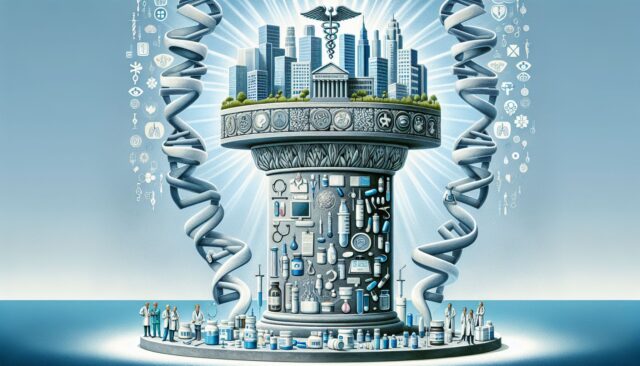
The Impact of the Pharmaceutical Industry on Medicine

From curing diseases to alleviating symptoms, medicine has played a crucial role in improving the overall health and well-being of humanity. The pharmaceutical industry, which is responsible for the development, production, and marketing of medications, plays a significant role in shaping the landscape of modern medicine.

One of the most significant contributions of the pharmaceutical industry to medicine is the development of new drugs. Through research and innovation, pharmaceutical companies are able to discover and create new medications that can treat a wide range of illnesses and conditions. These drugs not only alleviate symptoms but can sometimes even cure diseases that were once considered incurable.

Furthermore, the pharmaceutical industry is also responsible for conducting clinical trials to ensure the safety and efficacy of new medications before they are released to the public. This rigorous testing process helps to safeguard patients from any potential harm and ensures that they receive the best possible treatment.

In addition to developing new drugs, the pharmaceutical industry also plays a vital role in improving existing medications. Through ongoing research and development, pharmaceutical companies are able to enhance the formulation of drugs, making them more effective and safer for patients. This continuous improvement helps to ensure that patients have access to the most advanced and innovative treatments available.

Moreover, the pharmaceutical industry is also instrumental in producing generic medications, which are often more affordable alternatives to brand-name drugs. This has made it easier for people to access essential medications, particularly in developing countries where healthcare costs can be prohibitive.

Despite these advancements, the pharmaceutical industry is not without its challenges. Critics argue that the high cost of drugs can be a barrier to access for many patients, particularly those without insurance or with limited financial resources. Additionally, concerns have been raised about the influence of pharmaceutical companies on medical professionals and regulatory bodies, leading to questions about the integrity of the industry.

In conclusion, the pharmaceutical industry plays a critical role in shaping the landscape of modern medicine. Through research, development, and innovation, pharmaceutical companies have been able to create life-saving medications that have significantly improved the quality of life for millions of people around the world. While challenges exist, the pharmaceutical industry continues to be a driving force in advancing healthcare and improving patient outcomes.

The Pharmaceutical Industry: A Necessary Pillar of Modern Healthcare

The pharmaceutical industry plays a crucial role in our healthcare system, providing the medicines and treatments that help us combat illnesses and improve our quality of life. From pain relievers to vaccines, pharmaceutical companies are constantly researching and developing new medications to address a wide range of health conditions.

One of the key functions of the pharmaceutical industry is drug research and development. This process involves discovering new compounds, testing their safety and efficacy, and obtaining regulatory approval before they can be brought to market. This is a lengthy and expensive process, with some estimates putting the cost of bringing a new drug to market at over $2 billion. However, the benefits of new medications can be life-changing for patients, making this investment well worth it in the long run.

In addition to developing new drugs, pharmaceutical companies also play a vital role in manufacturing and distributing medications to healthcare providers and patients. This ensures that people have access to the treatments they need when they need them, helping to save lives and alleviate suffering. Pharmaceutical companies also support healthcare professionals by providing information about the latest advancements in medicine and offering training and educational resources.

However, the pharmaceutical industry is not without its challenges. Critics often point to issues such as high drug prices, concerns about safety and side effects, and the influence of marketing on prescribing practices. These are important issues that need to be addressed in order to ensure that patients receive the best possible care.

Despite these challenges, the pharmaceutical industry remains a crucial pillar of our healthcare system. Without the research, development, and distribution of medications, many people would not have access to the treatments they need to manage chronic conditions, fight infections, or alleviate symptoms. The pharmaceutical industry’s work is essential in improving public health and helping patients live healthier, longer lives.

In conclusion, the pharmaceutical industry plays a vital role in our healthcare system by researching, developing, manufacturing, and distributing medications that help us stay healthy and treat illness. While there are certainly challenges that need to be addressed, the benefits of new medications far outweigh the drawbacks. It is important to support and regulate the pharmaceutical industry to ensure that patients continue to receive the high-quality care they deserve.

The Impact of the Pharmaceutical Industry on Modern Medicine

The pharmaceutical industry plays a crucial role in the development, production, and distribution of medicines that have revolutionized modern healthcare. Through scientific research, innovation, and collaboration, pharmaceutical companies have been able to create life-saving drugs and treatments for various diseases and conditions.

One of the key contributions of the pharmaceutical industry to medicine is the discovery and development of new drugs. Pharmaceutical companies invest billions of dollars in research and development to identify and test potential new treatments for diseases such as cancer, diabetes, and heart disease. These efforts have led to the creation of medications that have significantly improved the quality of life for millions of patients worldwide.

In addition to drug development, the pharmaceutical industry also plays a critical role in the production and distribution of medicines. Through partnerships with manufacturers, distributors, and healthcare providers, pharmaceutical companies ensure that medications are safely produced, stored, and delivered to patients in need. This ensures that patients have access to safe and effective treatments when they need them the most.

Moreover, the pharmaceutical industry also plays a vital role in advancing medical knowledge and education. Through clinical trials and research studies, pharmaceutical companies contribute valuable data and insights that help healthcare professionals better understand diseases and develop more effective treatments. Additionally, pharmaceutical companies provide educational resources and support to healthcare providers to ensure that they have the latest information on new medications and treatment options.

Despite its many contributions to modern medicine, the pharmaceutical industry also faces challenges and criticisms. Issues such as high drug prices, conflicts of interest, and safety concerns have fueled debates about the ethics and practices of pharmaceutical companies. However, many companies have taken steps to address these concerns by increasing transparency, investing in drug affordability programs, and improving patient access to medications.

In conclusion, the pharmaceutical industry plays a vital role in the advancement of modern medicine. Through research, innovation, and collaboration, pharmaceutical companies have developed life-saving drugs and treatments that have transformed healthcare and improved patient outcomes. While there are challenges and criticisms facing the industry, it continues to be a driving force in the development and delivery of new medications that benefit patients around the world.

#The Pharmaceutical Industry: Advancements in Medicine

The pharmaceutical industry plays a crucial role in society by researching, developing, and producing life-saving medications. From antibiotics to vaccines, the pharmaceutical industry has significantly improved the quality of life for people all around the world. With the ever-evolving landscape of healthcare, the industry is constantly striving to innovate and create new medicines to address a wide range of illnesses and diseases.

One of the key aspects of the pharmaceutical industry is the research and development process. This involves conducting extensive research to identify potential drug candidates, testing their safety and efficacy in clinical trials, and obtaining regulatory approval before the medication can be made available to the general public. This process can take years and involves significant investment in terms of time, resources, and funding.

Once a new medication is approved, the pharmaceutical industry plays a crucial role in manufacturing and distributing the drug to healthcare providers and patients. This ensures that people have access to the medications they need to treat various health conditions and improve their quality of life. In addition to producing conventional medications, the industry also invests in developing innovative treatment options, such as personalized medicine and gene therapy, to address individual patient needs.

Despite the many advancements in medicine brought about by the pharmaceutical industry, there are also some challenges that the industry faces. One of the most significant challenges is the rising cost of medications, which can make it difficult for some patients to afford the drugs they need. This has led to debates about the pricing of medications and calls for greater transparency in how drug prices are determined.

Another challenge facing the pharmaceutical industry is the issue of counterfeit medications, which can pose serious risks to patients’ health. To address this issue, the industry is working on developing new technologies and strategies to prevent the production and distribution of counterfeit drugs. By collaborating with regulatory agencies and law enforcement, the industry is taking steps to ensure that patients receive safe and effective medications.

In conclusion, the pharmaceutical industry plays a vital role in advancing medicine and improving healthcare outcomes for people around the world. Through research, development, manufacturing, and distribution of medications, the industry has made significant contributions to public health. While there are challenges that need to be addressed, the industry continues to innovate and develop new treatments to meet the evolving needs of patients. By working together with healthcare providers, regulatory agencies, and patients, the pharmaceutical industry can continue to make a positive impact on global health.

The Pharmaceutical Industry: Healing or Harming?

The pharmaceutical industry plays a critical role in the healthcare system, providing essential medications to treat a wide range of illnesses and conditions. However, as with many industries, there are debates and controversies surrounding the practices and ethics of pharmaceutical companies.

On one hand, the pharmaceutical industry has made significant advancements in medical research and development, leading to groundbreaking discoveries in the treatment of diseases such as cancer, HIV/AIDS, and heart disease. These medications save countless lives and improve the quality of life for millions of people around the world. Without the pharmaceutical industry, many of the treatments and cures we rely on today would not exist.

On the other hand, the pharmaceutical industry has come under fire for its pricing practices, with some medications costing thousands of dollars per dose. This has led to concerns about accessibility and affordability, particularly for those who are uninsured or underinsured. Additionally, there have been instances of price gouging and unethical marketing practices, raising questions about the industry’s priorities and motivations.

Another area of contention is the influence of pharmaceutical companies on healthcare providers and policymakers. There have been instances of pharmaceutical companies providing incentives and kickbacks to healthcare providers in exchange for prescribing their medications, raising concerns about conflicts of interest and the potential for biased treatment decisions. Similarly, the pharmaceutical industry’s lobbying efforts have led to policy decisions that prioritize profits over public health, such as extending patent protections and delaying the approval of generic medications.

Despite these criticisms, it is important to acknowledge the vital role that the pharmaceutical industry plays in bringing life-saving medications to market. Without the research and innovation funded by pharmaceutical companies, many of the medical advancements we take for granted would not be possible. However, it is crucial for the industry to address concerns about pricing, transparency, and ethical behavior in order to regain the trust of patients and healthcare professionals.

In conclusion, the pharmaceutical industry is a complex and multifaceted industry that has both positive and negative impacts on public health. While the industry has made significant contributions to medical science and patient care, there are legitimate concerns about pricing, marketing practices, and conflicts of interest that must be addressed. By working together with healthcare providers, policymakers, and patients, the pharmaceutical industry can strive to fulfill its potential as a force for good in the fight against disease and suffering.

The Evolution of the Pharmaceutical Industry and Medicine

The pharmaceutical industry plays a crucial role in advancing healthcare and improving the quality of life for millions of people around the world. Through research, innovation, and collaboration, pharmaceutical companies have developed life-saving medications and treatments for a wide range of diseases and conditions.

In recent years, the pharmaceutical industry has seen significant advancements in technology and research, leading to the development of new treatments and therapies. From cancer drugs to vaccines, pharmaceutical companies are constantly working to bring new and improved medicines to market.

One of the key challenges facing the pharmaceutical industry is the high cost of developing and bringing new drugs to market. Research and development can be a long and expensive process, requiring substantial investment in time and resources. This has led to concerns about high drug prices and access to affordable healthcare for those in need.

Despite these challenges, the pharmaceutical industry continues to make strides in developing innovative treatments and improving patient outcomes. From personalized medicine to gene therapy, the future of medicine holds great promise for advancements in healthcare and disease prevention.

The pharmaceutical industry also plays a crucial role in ensuring the safety and efficacy of medications for patients. Regulatory bodies like the Food and Drug Administration (FDA) in the United States and the European Medicines Agency (EMA) in Europe work to ensure that pharmaceutical companies adhere to strict guidelines and regulations to protect public health.

In conclusion, the pharmaceutical industry has played a vital role in advancing medicine and improving healthcare outcomes for millions of people worldwide. Through research, innovation, and collaboration, pharmaceutical companies continue to develop life-saving medications and treatments that have the potential to save lives and improve quality of life. While challenges remain, such as high drug prices and access to affordable healthcare, the future of medicine holds great promise for advancements in healthcare and disease prevention. As we move forward, it is important to continue supporting the pharmaceutical industry in their efforts to develop new and innovative treatments that benefit patients and society as a whole.

The Pharmaceutical Industry: Advancements in Medicine

The pharmaceutical industry plays a crucial role in the development of new medicines and treatments that help improve the quality of life for millions of people around the world. From the discovery of new drugs to the regulatory approval process, pharmaceutical companies are at the forefront of medical innovation.

In recent years, there have been significant advancements in medicine that have been made possible by the pharmaceutical industry. These advancements include the development of targeted therapies for specific diseases, the use of biologics to treat conditions such as cancer and autoimmune disorders, and the creation of new vaccines to prevent infectious diseases.

One of the key drivers of innovation in the pharmaceutical industry is investment in research and development. Pharmaceutical companies invest billions of dollars each year in R&D efforts to discover and develop new drugs. This investment not only helps to bring new treatments to market but also fuels economic growth and creates high-skilled jobs in the industry.

In addition to developing new drugs, the pharmaceutical industry also plays a vital role in ensuring the safety and efficacy of medicines. Before any new drug can be brought to market, it must go through a rigorous testing and regulatory approval process to ensure that it is safe and effective for patients. This process helps to protect patients from potentially harmful or ineffective treatments and ensures that only high-quality medicines are available to the public.

Despite the many benefits that the pharmaceutical industry brings to society, it has faced its fair share of challenges. One of the biggest challenges facing the industry is the rising cost of healthcare and the affordability of medicines. As new drugs become more complex and expensive to develop, the cost of these treatments can place a significant burden on patients and healthcare systems.

Another challenge facing the industry is the rise of counterfeit and substandard medicines. These counterfeit drugs can be dangerous to patients, as they may not contain the correct ingredients or may be contaminated with harmful substances. The pharmaceutical industry works diligently to combat the production and distribution of counterfeit medicines to protect patients and maintain the integrity of the healthcare system.

In conclusion, the pharmaceutical industry plays a critical role in advancing medicine and improving the quality of life for people around the world. Through investment in research and development, the development of new drugs, and ensuring the safety and efficacy of medicines, the industry continues to push the boundaries of medical science. While there are challenges facing the industry, the commitment to innovation and patient safety remains a top priority for pharmaceutical companies.

The Evolving Role of the Pharmaceutical Industry in Healthcare

The pharmaceutical industry plays a crucial role in healthcare by developing, producing, and distributing medications that improve people’s quality of life and treat various illnesses and diseases. Over the years, the industry has seen significant advancements in technology, research, and innovation, leading to groundbreaking discoveries and life-saving treatments.

One of the key responsibilities of the pharmaceutical industry is to conduct research and development to discover new drugs and improve existing ones. This process involves extensive clinical trials to ensure the safety and efficacy of medications before they are approved for use by regulatory agencies. The industry invests billions of dollars in research each year to bring new treatments to market and address unmet medical needs.

In addition to research, pharmaceutical companies also play a vital role in manufacturing and distributing medications to healthcare providers and patients. This involves stringent quality control measures to ensure that medications are safe, effective, and of the highest quality. The industry also works closely with regulatory agencies to ensure compliance with regulations and standards to protect public health.

Pharmaceutical companies work with healthcare providers, including doctors, pharmacists, and hospitals, to ensure that patients have access to the medications they need. This involves educating healthcare professionals about new drugs, their uses, and potential side effects. The industry also provides direct-to-consumer advertising to raise awareness about health conditions and treatment options.

The pharmaceutical industry has faced criticism in recent years for issues such as drug pricing, access to medications, and conflicts of interest. High drug prices have been a major concern for patients, policymakers, and healthcare providers, leading to calls for greater transparency and affordability. Some argue that the industry prioritizes profits over public health, while others believe that pharmaceutical companies should be rewarded for their investments in research and innovation.

Despite these challenges, the pharmaceutical industry continues to play a critical role in advancing healthcare and improving patient outcomes. From developing new cancer treatments to creating vaccines for infectious diseases, the industry has made significant contributions to public health. As technology continues to evolve and new therapies are discovered, the pharmaceutical industry will remain a key player in the healthcare landscape.

In conclusion, the pharmaceutical industry plays a vital role in healthcare by developing and providing medications that treat illnesses, improve quality of life, and save lives. While facing challenges such as drug pricing and access, the industry continues to innovate and make significant contributions to public health. As we move into the future, the pharmaceutical industry will continue to evolve and shape the future of healthcare for years to come.

The Evolution of Medicine and the Pharmaceutical Industry

The pharmaceutical industry plays a crucial role in the advancement of medicine and the improvement of public health. Throughout history, the development of pharmaceuticals has led to revolutionary breakthroughs in treating various illnesses and diseases. From the discovery of penicillin by Alexander Fleming to the development of vaccines for diseases like polio and measles, pharmaceutical companies have made significant contributions to the well-being of society.

In recent years, the pharmaceutical industry has faced challenges such as rising drug prices, regulatory scrutiny, and the need for innovation in drug development. Drug companies are under pressure to deliver safe and effective treatments while also ensuring that they are affordable and accessible to patients. This balance between profit and public health is a delicate one, and the industry must continue to evolve in order to meet the needs of a rapidly changing healthcare landscape.

One of the key trends in the pharmaceutical industry is the shift towards personalized medicine. Advances in genetics and molecular biology have enabled researchers to develop targeted therapies that are tailored to individual patients based on their genetic makeup and other factors. This personalized approach holds great promise for treating diseases like cancer, where traditional treatments have often been ineffective or resulted in harmful side effects.

Another area of innovation in the pharmaceutical industry is the use of artificial intelligence and machine learning. These technologies have the potential to revolutionize drug discovery and development by analyzing vast amounts of data to identify new drug targets, predict how patients will respond to treatments, and optimize clinical trial designs. By harnessing the power of AI, pharmaceutical companies can accelerate the pace of drug development and bring lifesaving treatments to market more quickly.

Despite the challenges and complexities of the pharmaceutical industry, there is no denying the impact that it has had on society. From antibiotics and vaccines to treatments for chronic diseases like diabetes and hypertension, pharmaceuticals have saved countless lives and improved the quality of life for millions of people around the world. As we continue to push the boundaries of medicine and science, it is important that we recognize and support the important work being done by pharmaceutical companies to advance healthcare and improve outcomes for patients.

In conclusion, the pharmaceutical industry has played a vital role in the evolution of medicine and has the potential to shape the future of healthcare in profound ways. By continuing to prioritize safety, efficacy, and accessibility in drug development, pharmaceutical companies can make a lasting impact on public health and well-being. As we look to the future, it is important that we support and encourage innovation in the pharmaceutical industry so that we may continue to benefit from the lifesaving treatments and therapies that it has to offer.