The Pharmaceutical Industry and Medicine: A Symbiotic Relationship

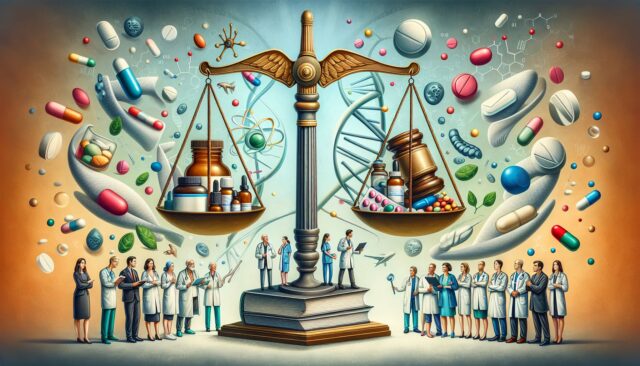
The pharmaceutical industry plays a crucial role in the development and production of medicine. It is responsible for researching, testing, and manufacturing drugs that help treat and prevent various medical conditions. This partnership between the pharmaceutical industry and medicine is essential for advancing healthcare and improving the quality of life for people around the world.

In the past few decades, we have witnessed significant advancements in medicine, thanks to the innovative work of pharmaceutical companies. New drugs have been developed to combat previously untreatable diseases, prolonging the lives of patients and improving their quality of life. From vaccines to antibiotics to cancer treatments, the pharmaceutical industry has made tremendous contributions to the field of medicine.

In addition to developing new drugs, pharmaceutical companies also play a crucial role in ensuring the safety and efficacy of existing medications. They conduct rigorous testing to ensure that drugs meet regulatory standards and are safe for consumption. This commitment to quality control is essential for maintaining public trust in the healthcare system and ensuring that patients receive the best possible care.

However, the pharmaceutical industry is not without its challenges. One of the biggest criticisms of the industry is the high cost of medication. Many life-saving drugs are prohibitively expensive, making them inaccessible to those who need them most. This has sparked debates about the role of pharmaceutical companies in healthcare and the need for greater transparency and accountability in the pricing of medications.

Despite these challenges, the pharmaceutical industry continues to play a vital role in advancing medicine and improving healthcare outcomes. Collaborations between pharmaceutical companies, healthcare providers, and researchers have led to breakthroughs in the treatment of various diseases. Without the contributions of the pharmaceutical industry, many medical advancements would not have been possible.

In conclusion, the relationship between the pharmaceutical industry and medicine is a symbiotic one. Both sectors rely on each other to develop new treatments, ensure the safety of medications, and improve patient outcomes. While there are challenges that need to be addressed, the pharmaceutical industry remains a key player in the advancement of healthcare. It is important for stakeholders to work together to address issues such as access to medication and drug pricing to ensure that healthcare remains accessible and affordable for all.

The Pharmaceutical Industry: A Vital Player in Medicine

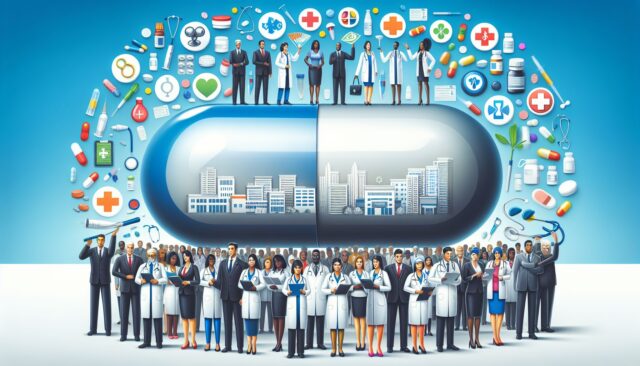
The pharmaceutical industry plays a crucial role in the development and production of medicines that help save lives and improve quality of life around the world. From researching new drugs to ensuring their safety and efficacy, pharmaceutical companies are responsible for bringing life-saving medications to patients in need.

In the realm of healthcare, pharmaceutical companies are at the forefront of driving innovation in medicine. They invest significant resources in research and development to discover new treatments for a wide range of medical conditions, from common illnesses like colds and flu to complex diseases like cancer and Alzheimer’s. This relentless pursuit of new treatments and cures has led to groundbreaking discoveries that have revolutionized the way we approach healthcare.

In addition to developing new drugs, pharmaceutical companies also play a key role in ensuring the safety and quality of medications. Before a new drug can be brought to market, it undergoes rigorous testing to ensure its safety and effectiveness. This process typically involves years of research and clinical trials to gather data on the drug’s benefits and potential risks. Once a drug is approved for sale, pharmaceutical companies continue to monitor its safety through post-marketing surveillance to detect any adverse effects that may arise.

Furthermore, pharmaceutical companies collaborate with healthcare professionals and regulatory agencies to ensure that medications are used safely and effectively. They provide valuable information and resources to healthcare providers to help them make informed decisions about prescribing medications to their patients. Additionally, pharmaceutical companies work closely with regulatory agencies like the Food and Drug Administration (FDA) to ensure that medications meet stringent standards for safety and effectiveness.

Despite their important contributions to healthcare, pharmaceutical companies have faced criticism for various reasons, including high drug prices and unethical marketing practices. These concerns have sparked debates about the role of pharmaceutical companies in healthcare and the need for greater transparency and accountability in the industry.

In conclusion, the pharmaceutical industry is a vital player in medicine, driving innovation and improving patient outcomes through the development and production of life-saving medications. While it is not without its challenges, the pharmaceutical industry continues to play a critical role in advancing the field of medicine and improving the health and well-being of people worldwide.

The Power of Pharmaceuticals: How Medicine Shapes Society

From alleviating pain to curing diseases, medicine plays a crucial role in maintaining and improving our health. Behind every pill or injection lies the pharmaceutical industry, a sector that is constantly evolving and innovating to meet the healthcare needs of the global population.

The pharmaceutical industry is responsible for the research, development, manufacturing, and distribution of medications. It is a complex and highly regulated industry that requires strict adherence to safety protocols and quality standards. Despite the challenges and costs associated with drug development, the pharmaceutical industry continues to produce life-saving medications that have significantly impacted the way we treat and manage various medical conditions.

One of the key driving forces behind the pharmaceutical industry is innovation. Through research and development, pharmaceutical companies are able to discover new medications and treatments that can improve the quality of life for millions of people. From antibiotics to vaccines to cutting-edge biologics, the pharmaceutical industry continues to push the boundaries of medical science and technology.

Another important aspect of the pharmaceutical industry is its role in shaping healthcare policies and practices. Pharmaceutical companies often work closely with regulatory agencies, healthcare providers, and patient advocacy groups to ensure that medications are safe, effective, and accessible to those who need them. Additionally, the pharmaceutical industry plays a significant role in healthcare economics, as the cost of medications and treatments can have a profound impact on healthcare spending and patient access to care.

Despite its many contributions to healthcare, the pharmaceutical industry is not without its challenges. Issues such as drug pricing, access to medications, and drug safety continue to be hotly debated topics within the industry. Additionally, the rise of counterfeit medications and the global opioid crisis have raised concerns about patient safety and the integrity of the pharmaceutical supply chain.

In conclusion, the pharmaceutical industry plays a vital role in advancing medical science, improving healthcare outcomes, and shaping healthcare policies. As we continue to face new challenges and opportunities in healthcare, we must work together to ensure that the pharmaceutical industry remains a force for good in society. By supporting innovation, promoting access to medications, and advocating for patient safety, we can harness the power of pharmaceuticals to create a healthier and more prosperous world for all.

The Pharmaceutical Industry: Advancements in Medicine

The pharmaceutical industry plays a crucial role in our society by developing, producing, and distributing life-saving medications. From antibiotics to vaccines to treatments for chronic diseases, pharmaceutical companies are at the forefront of medical innovation.

Advancements in medicine have significantly improved the quality of life for millions of people around the world. Diseases that were once considered terminal can now be managed with the help of medications developed by pharmaceutical companies. For example, the development of antiretroviral drugs has transformed HIV from a death sentence to a manageable chronic condition.

In addition to developing new medications, the pharmaceutical industry also plays a vital role in ensuring that these medications are safe and effective. Before a new drug can be brought to market, it must undergo rigorous testing to demonstrate its safety and efficacy. This process, known as clinical trials, helps to ensure that patients can trust the medications they are taking.

However, the pharmaceutical industry is not without its controversies. High drug prices, unethical marketing practices, and the influence of big pharma on healthcare policy are all issues that have come under scrutiny in recent years. Critics argue that the pursuit of profit often takes precedence over the well-being of patients, leading to inflated drug prices and unnecessary prescriptions.

Despite these challenges, the pharmaceutical industry continues to make significant contributions to medical science. New drugs are being developed every day to treat a wide range of conditions, from cancer to diabetes to mental health disorders. The relentless pursuit of medical advancements by pharmaceutical companies is helping to improve the lives of people all over the world.

In conclusion, the pharmaceutical industry plays a vital role in advancing medicine and improving healthcare outcomes for individuals. While there are challenges and controversies that must be addressed, it is important to recognize the positive impact that pharmaceutical companies have had on society. Through continued research, development, and innovation, the pharmaceutical industry will continue to shape the future of medicine and provide hope for those in need.

The Impact of the Pharmaceutical Industry on Medicine

From life-saving treatments to everyday ailments, the pharmaceutical industry plays a crucial role in the field of medicine. With advancements in technology and research, new drugs and therapies are constantly being developed to help improve the health and well-being of individuals worldwide.

The pharmaceutical industry is responsible for the discovery, development, and production of medications that are used to treat a wide range of diseases and conditions. These medications can help alleviate symptoms, cure illnesses, or prevent future health issues. Without the pharmaceutical industry, many of the medical breakthroughs that we take for granted today would not be possible.

One of the key aspects of the pharmaceutical industry is research and development. Scientists and researchers work tirelessly to discover new drugs and therapies that can help improve patient outcomes. This process involves testing potential drugs in clinical trials to ensure their safety and efficacy before they are approved for use by regulatory agencies.

In addition to developing new medications, the pharmaceutical industry also plays a vital role in manufacturing and distributing these drugs to patients around the world. Pharmaceutical companies must adhere to strict regulations and quality control standards to ensure that their products are safe and effective for consumers.

Another important aspect of the pharmaceutical industry is marketing and sales. Pharmaceutical companies must effectively communicate the benefits of their medications to healthcare providers and patients in order to drive sales and generate revenue. This involves a complex network of sales representatives, marketing campaigns, and educational materials.

Despite its many benefits, the pharmaceutical industry does face some challenges. One of the biggest criticisms of the industry is the high cost of many medications, which can be prohibitive for patients who are in need of treatment. Additionally, there are concerns about the influence of pharmaceutical companies on healthcare providers and the potential for conflicts of interest.

In conclusion, the pharmaceutical industry plays a crucial role in the field of medicine by developing, manufacturing, and distributing medications that help improve the health and well-being of individuals worldwide. While there are challenges and criticisms, the industry continues to make strides in research and development to discover new treatments and therapies. As technology and research continue to advance, the pharmaceutical industry will undoubtedly play an even larger role in shaping the future of medicine.

The Pharmaceutical Industry and Medicine: A Closer Look

The pharmaceutical industry plays a crucial role in our society, producing life-saving medications that help treat and manage a wide range of health conditions. From antibiotics to heart medications, this industry is responsible for developing the drugs that keep us healthy and improve our quality of life. However, the pharmaceutical industry is not without its controversies and challenges.

In recent years, the rising cost of medication has been a major concern for many people. The high prices of some drugs can put a significant financial burden on patients, especially those without health insurance or those with high deductible plans. This has led to calls for greater transparency and regulation in the industry to ensure that medications remain affordable and accessible to those who need them.

Another issue facing the pharmaceutical industry is the process of drug development and approval. It can take years and millions of dollars to bring a new drug to market, and there is no guarantee of success. Additionally, the industry has come under scrutiny for its marketing practices, with some companies accused of promoting their drugs for off-label uses or downplaying potential side effects.

Despite these challenges, the pharmaceutical industry continues to play a vital role in advancing medicine and improving public health. In recent years, we have seen major advancements in areas such as cancer treatment, infectious diseases, and mental health. New technologies and research methods are helping to accelerate the drug development process, potentially bringing new and innovative treatments to patients faster than ever before.

As we look to the future, it is clear that the pharmaceutical industry will continue to evolve and adapt to meet the changing needs of society. Greater collaboration between industry, academia, and government is essential to drive innovation and ensure that new medications are safe, effective, and affordable. By working together, we can harness the full potential of the pharmaceutical industry to improve public health and well-being for generations to come.

In conclusion, the pharmaceutical industry is a vital sector that plays a critical role in advancing medicine and improving patient outcomes. While there are challenges and controversies facing the industry, there is also great potential for innovation and progress. By addressing issues such as drug pricing, transparency, and regulatory oversight, we can ensure that the benefits of the pharmaceutical industry are felt by all.

The Pharmaceutical Industry: Advancements in Medicine

The pharmaceutical industry plays a critical role in advancing healthcare by developing and manufacturing medications to treat a wide range of illnesses and diseases. From antibiotics to vaccines, pharmaceutical companies are constantly researching and innovating to improve patient outcomes and quality of life.

In recent decades, the industry has made significant breakthroughs in areas such as cancer treatment, infectious diseases, and chronic conditions like diabetes and cardiovascular disease. These advancements have saved countless lives and have helped to improve overall public health around the world.

One of the key factors driving innovation in the pharmaceutical industry is research and development. Companies invest heavily in R&D to discover new medications and improve existing treatments. This process can be time-consuming and expensive, but the potential benefits for patients and society as a whole make it a worthwhile investment.

Another important aspect of the pharmaceutical industry is regulatory oversight. Governments and regulatory agencies such as the FDA in the United States play a crucial role in ensuring that medications are safe and effective before they are approved for use by patients. This rigorous process helps to protect consumers and maintain trust in the industry.

Despite the many advancements in medicine that have been made possible by the pharmaceutical industry, there are also challenges and criticisms that must be addressed. Issues such as high drug prices, access to medications for underserved populations, and concerns about overprescribing and drug interactions are all areas of ongoing concern.

In conclusion, the pharmaceutical industry plays a vital role in advancing healthcare and improving patient outcomes. Through research and development, regulatory oversight, and innovation, companies are able to develop life-saving medications and treatments that benefit millions of people worldwide. While there are challenges that must be addressed, the industry’s commitment to improving public health remains strong.

The Complex World of Pharmaceuticals: Understanding the Medicine Industry

The pharmaceutical industry plays a crucial role in the health and well-being of society. It is responsible for the research, development, production, and distribution of medications that help treat and prevent various diseases. However, the world of pharmaceuticals can be complex and at times controversial.

One of the key challenges facing the pharmaceutical industry is the high cost of medication. Developing new drugs requires a significant investment in research and development, which can lead to expensive prices for consumers. This has led to debates over the accessibility and affordability of essential medications, especially for those who are uninsured or underinsured.

Furthermore, the pharmaceutical industry is also heavily regulated to ensure the safety and efficacy of medications. Before a drug can be brought to market, it must undergo rigorous testing to demonstrate its effectiveness and identify any potential side effects. This process can be both time-consuming and costly, but it is necessary to protect the public from harm.

Another issue facing the pharmaceutical industry is the prevalence of counterfeit and substandard medications. These products can pose serious risks to patients, as they may not contain the proper active ingredients or could be contaminated with harmful substances. Regulators and law enforcement agencies work tirelessly to combat the illegal production and distribution of counterfeit drugs to protect consumers.

Despite these challenges, the pharmaceutical industry has made significant advancements in recent years. New technologies such as gene therapy, precision medicine, and immunotherapy are revolutionizing the way we treat diseases like cancer, diabetes, and rare genetic disorders. These innovative therapies offer new hope to patients who may not have had effective treatment options in the past.

In conclusion, the pharmaceutical industry is a vital component of healthcare systems around the world. While it faces numerous challenges, including high costs, regulatory hurdles, and counterfeit medications, it continues to drive innovation and improve patient outcomes. By working together with healthcare providers, regulators, and patient advocacy groups, the pharmaceutical industry can continue to develop safe and effective medications that benefit society as a whole.

The Impact of the Pharmaceutical Industry on Medicine

The pharmaceutical industry plays a crucial role in the development, production, and distribution of medicine. Without pharmaceutical companies, we would not have access to the life-saving drugs and treatments that have improved the quality of life for millions of people around the world. However, the industry is not without its controversies and challenges.

In the past, pharmaceutical companies have been criticized for putting profits above the well-being of patients. There have been instances of companies hiking up the prices of essential medications, making them unaffordable for those who need them most. This has led to calls for more regulation and oversight of the industry to ensure that medications are accessible and affordable for all.
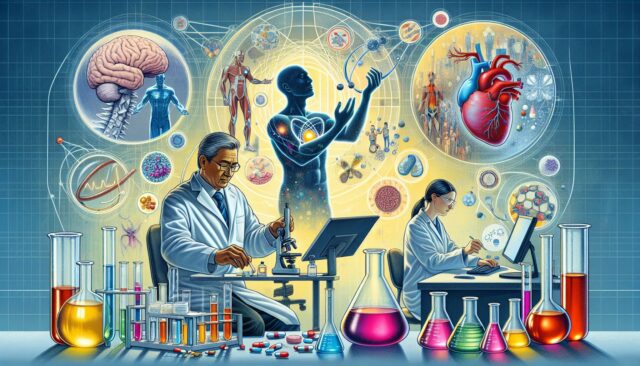
Despite these challenges, the pharmaceutical industry has made significant advancements in medicine. From developing vaccines for deadly diseases to creating innovative treatments for chronic conditions, pharmaceutical companies have made a positive impact on global health. Without their research and development efforts, many diseases would still be untreatable, and countless lives would be lost.

One of the key contributions of the pharmaceutical industry is the development of new drugs. Through extensive research and clinical trials, companies are able to identify compounds that have the potential to treat a variety of conditions. These drugs go through rigorous testing to ensure their safety and efficacy before they are approved for use by regulatory agencies.

In addition to developing new drugs, pharmaceutical companies also play a crucial role in manufacturing and distributing medications. They work with healthcare providers and pharmacies to ensure that patients have access to the treatments they need. This includes producing generic versions of medications to make them more affordable for those in need.

Overall, the pharmaceutical industry has a significant impact on medicine. While there are challenges and controversies that need to be addressed, the industry has made invaluable contributions to healthcare. From developing life-saving drugs to ensuring that patients have access to essential medications, pharmaceutical companies play a vital role in improving global health. By continuing to innovate and prioritize the well-being of patients, the industry can continue to make a positive impact on medicine for years to come.

In conclusion, the pharmaceutical industry has a profound impact on medicine. Through research, development, and distribution of medications, companies are able to improve the quality of life for millions of people worldwide. While there are challenges to overcome, the industry continues to make strides in advancing healthcare and saving lives.

The Impact of the Pharmaceutical Industry on Medicine

The pharmaceutical industry plays a crucial role in the field of medicine, providing the necessary drugs and treatments for various health conditions. With constant advancements in technology and research, pharmaceutical companies are able to develop new and innovative medications that have the potential to improve and save countless lives.

One of the key contributions of the pharmaceutical industry to medicine is the development of new drugs. Through extensive research and testing, pharmaceutical companies are able to discover and create medications that target specific diseases and conditions. These drugs can help manage symptoms, improve quality of life, and even cure certain illnesses. Without the pharmaceutical industry, many life-saving medications would not exist, leaving patients without essential treatment options.

In addition to developing new drugs, the pharmaceutical industry also plays a significant role in the manufacturing and distribution of medications. Pharmaceutical companies are responsible for ensuring that drugs are produced safely and effectively, meeting strict regulatory standards set by governing bodies. They also work to make sure that medications are readily available to patients, whether through pharmacies, hospitals, or other healthcare providers.

Furthermore, the pharmaceutical industry invests heavily in research and development to continue advancing medicine. By funding clinical trials and studies, pharmaceutical companies are able to explore new treatment options, improve existing medications, and better understand diseases and their underlying causes. This research is essential for driving innovation in healthcare and pushing the boundaries of what is possible in medicine.

However, despite the many benefits of the pharmaceutical industry, there are also challenges and criticisms that must be addressed. Some concerns include the high cost of medications, potential side effects, and the influence of pharmaceutical companies on healthcare practices. It is important for industry stakeholders to work together to address these issues and ensure that patients have access to safe, effective, and affordable medications.

In conclusion, the pharmaceutical industry has a profound impact on medicine, providing valuable drugs and treatments that improve the health and well-being of individuals around the world. Through research, development, and manufacturing, pharmaceutical companies play a crucial role in advancing healthcare and transforming the way we treat and manage various health conditions. By continuing to invest in innovation and prioritizing patient safety, the pharmaceutical industry will continue to shape the future of medicine for years to come.