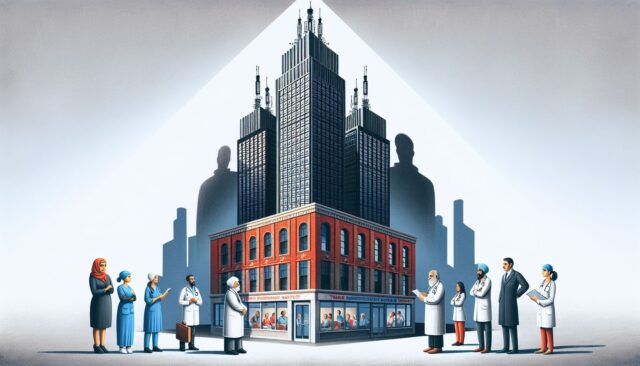
The Impact of the Pharmaceutical Industry on Medicine

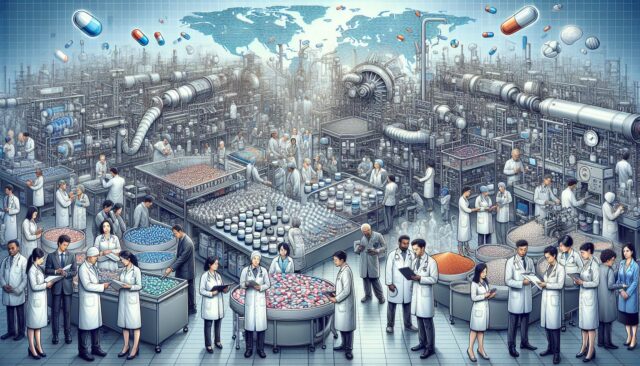
The pharmaceutical industry plays a crucial role in the development, production, and distribution of medications that are vital for treating various medical conditions. From over-the-counter drugs to specialty medications, pharmaceutical companies work tirelessly to create innovative solutions that improve the quality of life for millions of people around the world.

In recent years, the pharmaceutical industry has faced scrutiny for issues such as high drug prices, drug shortages, and the opioid crisis. However, it’s important to recognize that without the pharmaceutical industry, many life-saving medications would not exist. The industry invests billions of dollars in research and development each year, leading to breakthroughs in areas such as cancer treatment, infectious diseases, and chronic conditions.

One of the key advantages of the pharmaceutical industry is its ability to bring new drugs to market quickly. Through a rigorous process of clinical trials and regulatory approvals, pharmaceutical companies ensure that medications are safe and effective before they are made available to the public. This process can take several years and involves collaboration with government agencies, healthcare providers, and other stakeholders.

The pharmaceutical industry also plays a vital role in global health initiatives. Through partnerships with organizations such as the World Health Organization and the Bill & Melinda Gates Foundation, pharmaceutical companies help to distribute medications to developing countries and address public health challenges such as HIV/AIDS, malaria, and tuberculosis. These initiatives have the potential to save millions of lives and improve health outcomes for communities around the world.

Despite these positive contributions, the pharmaceutical industry still faces challenges in terms of access to medications, affordability, and ethical considerations. Patients in some regions may struggle to afford life-saving medications, while others may face barriers to accessing necessary treatments. Additionally, concerns have been raised about the influence of pharmaceutical companies on healthcare policies and practices.

In conclusion, the pharmaceutical industry has a significant impact on medicine and public health. Through its investment in research and development, the industry has made remarkable advancements in the field of healthcare. However, it is essential for pharmaceutical companies to continue to prioritize patient safety, affordability, and ethical practices to ensure that medications remain accessible and beneficial to all individuals. By working together, stakeholders can address these challenges and continue to improve health outcomes for people worldwide.
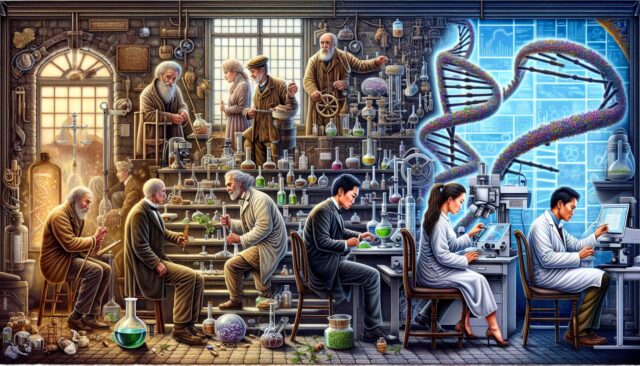

The Evolution of the Pharmaceutical Industry and Medicine

The pharmaceutical industry plays a crucial role in our society by developing, producing, and distributing medication to treat various diseases and conditions. Over the years, the industry has evolved significantly, with advancements in technology and research leading to the development of more effective and innovative drugs.

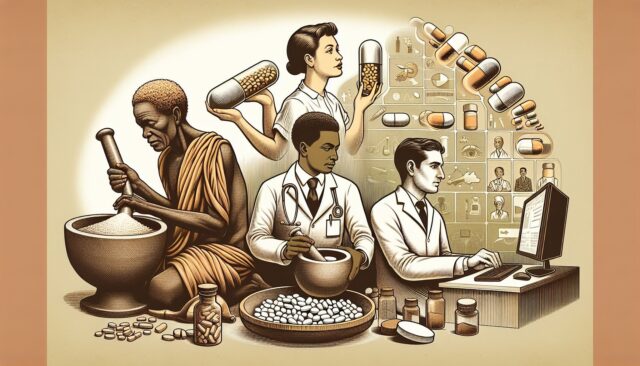
In the past, medicines were derived from natural sources such as plants and animals. However, with the advancement of science, pharmaceutical companies began to synthesize drugs in laboratories, leading to the creation of new classes of medications. This shift from natural to synthetic drugs revolutionized the way diseases were treated and managed.

One of the most significant advancements in medicine was the development of antibiotics, which revolutionized the treatment of bacterial infections. Before the discovery of antibiotics, many bacterial infections were deadly. However, with the introduction of penicillin and other antibiotics, the mortality rate from bacterial infections drastically decreased, saving countless lives.

In addition to antibiotics, the pharmaceutical industry has also made significant progress in the treatment of chronic diseases such as cancer, diabetes, and heart disease. Breakthrough drugs such as chemotherapy, insulin, and statins have improved the quality of life for millions of patients worldwide.

Furthermore, the pharmaceutical industry has also played a key role in the fight against global health crises such as the COVID-19 pandemic. In record time, pharmaceutical companies developed and distributed vaccines to protect against the novel coronavirus, highlighting the industry’s ability to respond quickly to urgent public health needs.

Despite these advancements, the pharmaceutical industry has faced criticism for high drug prices, unethical marketing practices, and the prioritization of profits over public health. It is essential for the industry to address these concerns and strive for more transparency and accountability in its practices.

Moving forward, the pharmaceutical industry will continue to play a vital role in advancing medicine and improving patient outcomes. With ongoing research and innovation, we can expect to see even more groundbreaking drugs that will revolutionize the treatment of diseases and enhance the quality of life for patients around the world.

In conclusion, the pharmaceutical industry has come a long way in its development of medicines that have saved lives and improved health outcomes. Despite challenges and criticisms, the industry’s commitment to innovation and research remains unwavering, ensuring a brighter future for healthcare globally.

The Pharmaceutical Industry: A Vital Component of Modern Medicine

The pharmaceutical industry plays a crucial role in the development, production, and distribution of medicines that improve and save lives. This multi-billion dollar industry is constantly evolving and innovating to meet the ever-growing global demand for safe and effective medications.

In today’s fast-paced world, the need for pharmaceutical companies to develop new drugs quickly and efficiently is greater than ever. The process of bringing a new drug to market is complex and time-consuming, requiring years of research, testing, and regulatory approval. From identifying potential drug targets to conducting clinical trials, pharmaceutical companies invest significant resources in the development of new medications.

One of the biggest challenges facing the pharmaceutical industry is the rising cost of drug development. The process of bringing a new drug to market can cost billions of dollars, and there is no guarantee of success. In order to recoup these costs and generate a profit, pharmaceutical companies must price their medications accordingly. This often leads to high drug prices that can be unaffordable for many patients, especially those without insurance coverage.

Despite these challenges, the pharmaceutical industry plays a vital role in advancing medical science and improving patient outcomes. From antibiotics that combat infectious diseases to medications that control chronic conditions like diabetes and hypertension, pharmaceutical companies have developed a wide range of life-saving drugs that have revolutionized healthcare.

In recent years, the pharmaceutical industry has also been at the forefront of developing cutting-edge treatments for diseases like cancer, HIV, and rare genetic disorders. Through ongoing research and collaboration with academic institutions and government agencies, pharmaceutical companies are making significant strides in finding cures for some of the most devastating diseases facing humanity.

As the pharmaceutical industry continues to evolve, it is essential that we support policies that promote innovation while ensuring access to affordable medications for all patients. By striking a balance between profits and public health, we can ensure that the pharmaceutical industry remains a driving force behind the development of life-saving medications.

In conclusion, the pharmaceutical industry is a vital component of modern medicine, playing a crucial role in developing and distributing medications that improve and save lives. While challenges like rising costs and high drug prices remain, the industry’s commitment to innovation and patient care will continue to drive advancements in healthcare for years to come.

The Pharmaceutical Industry: Innovation in Medicine

The pharmaceutical industry plays a crucial role in the development of new medicines and treatments for various health conditions. With advancements in technology and research, pharmaceutical companies are constantly striving to create innovative drugs that can improve the quality of life for countless individuals around the world.

One of the key aspects of the pharmaceutical industry is the process of drug discovery and development. This involves extensive research and testing to identify potential drug candidates, followed by clinical trials to assess their safety and efficacy. It is a complex and time-consuming process that requires significant investment in resources and expertise.

Pharmaceutical companies have made significant strides in recent years, with the development of new drugs to treat a wide range of medical conditions such as cancer, diabetes, and cardiovascular diseases. These drugs have the potential to revolutionize the way we treat and manage these conditions, offering new hope to patients who may have previously had limited treatment options.

In addition to developing new drugs, the pharmaceutical industry also plays a key role in manufacturing and distributing medications to patients around the world. This requires strict adherence to regulatory guidelines and quality control measures to ensure the safety and effectiveness of medications.

Despite the many advancements in medicine brought about by the pharmaceutical industry, there are also challenges and controversies that arise. One of the main concerns is the high cost of many medications, which can make them inaccessible to those who need them most. This has sparked debate and calls for greater transparency and accountability in drug pricing.

Another issue facing the pharmaceutical industry is the rise of counterfeit drugs, which can pose serious risks to patients. Regulatory bodies are working to crack down on the production and distribution of these fake medications, but it remains a significant challenge.

Overall, the pharmaceutical industry plays a vital role in driving innovation and improving healthcare outcomes. Through continued research and collaboration, we can expect to see even more groundbreaking developments in medicine in the years to come.

In conclusion, the pharmaceutical industry is a critical part of our healthcare system, with the potential to save and improve countless lives. By investing in research and development, and maintaining a focus on quality and safety, pharmaceutical companies can continue to drive innovation and deliver life-changing medications to patients worldwide.

The Pharmaceutical Industry: Advancements in Medicine

The pharmaceutical industry plays a crucial role in the development and production of medicines that improve and save lives. From antibiotics to vaccines, the pharmaceutical industry is at the forefront of medical innovation.

In recent years, there have been significant advancements in medicine thanks to the work of pharmaceutical companies. New medications have been developed to treat a wide range of illnesses, from chronic conditions like diabetes and heart disease to rare genetic disorders. These medications have greatly improved the quality of life for millions of people around the world.

One of the key areas of focus for the pharmaceutical industry is research and development. Companies invest billions of dollars each year in developing new drugs and treatments. This research is essential for finding cures for diseases that have long plagued humanity, such as cancer and Alzheimer’s disease.

In addition to developing new medications, the pharmaceutical industry also plays a crucial role in manufacturing and distributing these medications to patients. This ensures that people have access to the medicines they need to stay healthy and treat their illnesses.

However, the pharmaceutical industry is not without its challenges. One of the biggest issues facing the industry is the high cost of medications. Pharmaceutical companies must recoup the costs of research and development, which can lead to high prices for patients. This has sparked debates about healthcare affordability and the need for more affordable medications.

Another challenge facing the pharmaceutical industry is the rise of counterfeit drugs. These fake medications can be dangerous, as they may not contain the proper ingredients or may be contaminated. The industry is working to combat this issue through better regulation and oversight.

Despite these challenges, the pharmaceutical industry continues to make strides in developing new medications and treatments that improve and save lives. From life-saving vaccines to breakthrough cancer treatments, the industry plays a critical role in healthcare.

In conclusion, the pharmaceutical industry is essential for advancing medicine and improving the health and well-being of people around the world. Through research, development, manufacturing, and distribution, the industry helps to bring new treatments to patients and tackle some of the most challenging diseases of our time. As technology continues to advance, we can expect even more groundbreaking discoveries in the years to come.

The Role of the Pharmaceutical Industry in Medicine

The pharmaceutical industry plays a crucial role in the field of medicine by researching, developing, and manufacturing new drugs and medications to treat a wide range of health conditions. This industry is responsible for producing life-saving medications that improve the quality of life for millions of people around the world.

In recent years, there has been a significant increase in the development of new drugs and treatments for various diseases and conditions. The pharmaceutical industry invests billions of dollars in research and development each year to discover new drugs and bring them to market. This investment not only drives innovation in medicine but also creates economic growth and job opportunities.

One of the key aspects of the pharmaceutical industry is its ability to create medications that have the potential to cure diseases, alleviate symptoms, and improve the overall health and well-being of patients. These medications range from antibiotics that treat infections to cancer drugs that target and destroy cancer cells. Without the pharmaceutical industry, many life-threatening diseases would remain untreated, leading to higher mortality rates and decreased quality of life.

In addition to developing new drugs, the pharmaceutical industry also plays a vital role in ensuring the safety and efficacy of medications. Before a new drug can be brought to market, it must undergo rigorous testing in clinical trials to demonstrate its effectiveness and safety. This process helps to protect patients from harmful or ineffective medications and ensures that healthcare providers are able to prescribe drugs with confidence.

Despite the many benefits that the pharmaceutical industry provides, it is not without its challenges. One of the main criticisms of the industry is the high cost of medications, which can limit access to life-saving treatments for some patients. Additionally, there have been concerns raised about the influence of pharmaceutical companies on healthcare providers and the potential for conflicts of interest.

In conclusion, the pharmaceutical industry plays a critical role in advancing medicine and improving the health and well-being of people worldwide. Through research, development, and manufacturing, this industry is able to create innovative medications that treat a wide range of health conditions. While there are challenges that need to be addressed, the pharmaceutical industry continues to drive progress in medicine and provide hope for patients in need of treatment.

The Transformation of the Pharmaceutical Industry: A Look at Medicine

The pharmaceutical industry plays a crucial role in society by researching, developing, and manufacturing life-saving medications. Over the years, the industry has experienced significant transformations in response to advancements in technology, changes in regulations, and shifts in consumer demands.

One of the key aspects of the pharmaceutical industry is medicine – the cornerstone of healthcare. Medicines are essential for treating diseases, alleviating symptoms, and improving quality of life. As technology continues to advance, the development of new medicines has become more targeted and personalized, allowing for more effective and efficient treatments.

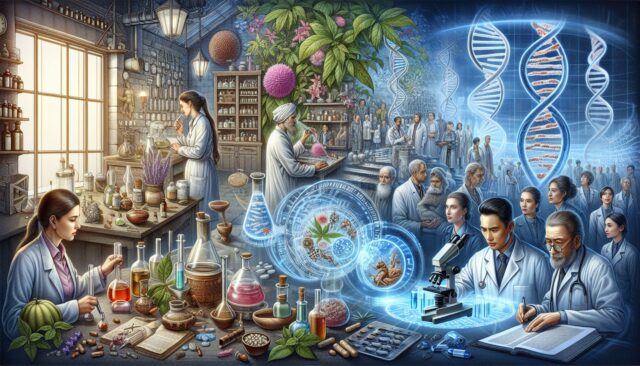
In recent years, there has been a growing focus on precision medicine, which involves tailoring treatments to individual patients based on their genetic makeup, lifestyle, and other factors. This approach has the potential to revolutionize healthcare by providing more personalized and effective treatments while reducing side effects.

In addition to the development of new medicines, the pharmaceutical industry also plays a crucial role in ensuring the safety and effectiveness of existing medications. Regulatory agencies such as the Food and Drug Administration (FDA) in the United States and the European Medicines Agency (EMA) in Europe are responsible for evaluating medications before they are approved for use. These agencies conduct rigorous testing to ensure that medicines are safe and effective for patients.

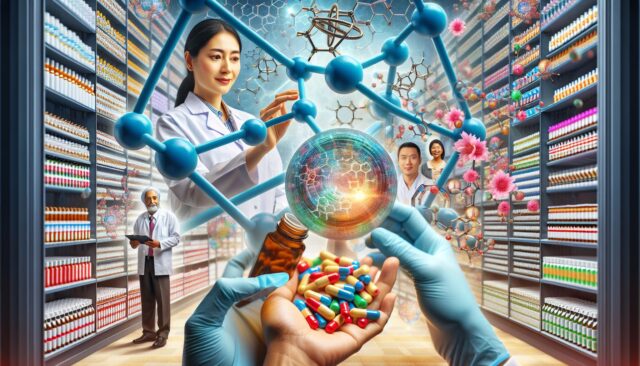
Furthermore, the pharmaceutical industry is also constantly exploring new ways to improve drug delivery methods. From traditional pills and injections to more innovative technologies such as nanoparticles and gene therapy, researchers are working to develop more targeted and efficient ways to deliver medicines to specific areas of the body.

As the pharmaceutical industry continues to evolve, it is important to consider the ethical implications of medicine. Issues such as access to medications, affordability, and the influence of pharmaceutical companies on healthcare decisions are all important topics that need to be addressed.

In conclusion, the pharmaceutical industry and medicine go hand in hand in improving the health and well-being of individuals around the world. With continued advancements in technology and research, the future of medicine looks bright. However, it is essential to ensure that medications are developed and delivered in a safe, effective, and ethical manner to benefit patients and society as a whole.

The Role of the Pharmaceutical Industry in Advancing Medicine

The pharmaceutical industry plays a crucial role in developing, producing, and distributing life-saving medications that improve the quality of life for millions of people worldwide. From the discovery of new drugs to the rigorous testing and approval process, pharmaceutical companies are dedicated to advancing medicine and finding cures for a wide range of diseases and illnesses.

One of the main goals of the pharmaceutical industry is to conduct research and development to create innovative drugs that can treat, manage, or even cure various medical conditions. This often involves investing significant amounts of time and resources into studying the underlying causes of diseases and identifying potential drug targets. Through collaboration with scientists, researchers, and healthcare professionals, pharmaceutical companies strive to bring new medications to market that can address unmet medical needs.

In addition to developing new drugs, the pharmaceutical industry is also responsible for ensuring the safety and efficacy of these medications through rigorous testing and clinical trials. This process helps to determine the optimal dosage, potential side effects, and overall effectiveness of a drug before it is made available to the public. Regulatory agencies, such as the Food and Drug Administration (FDA) in the United States, play a critical role in overseeing this process to protect the health and well-being of patients.

Once a drug has been approved for use, pharmaceutical companies are tasked with manufacturing and distributing it to healthcare providers, pharmacies, and patients around the world. This involves ensuring that the medication is produced according to strict quality control standards and that it is available in the appropriate quantities to meet the needs of patients. Through partnerships with distributors and healthcare organizations, pharmaceutical companies work to ensure that their products reach those who can benefit from them.

While the pharmaceutical industry plays a vital role in advancing medicine, it is not without its challenges. Issues such as drug pricing, access to medications, and concerns about transparency and ethical practices continue to be topics of debate and discussion. As the industry continues to evolve and innovate, it is essential for pharmaceutical companies to prioritize patient safety and access to affordable healthcare.

In conclusion, the pharmaceutical industry plays a crucial role in advancing medicine and improving the health and well-being of individuals around the world. Through research, development, testing, and distribution of innovative medications, pharmaceutical companies are at the forefront of addressing medical needs and finding solutions to complex health challenges. By continuing to prioritize patient safety and ethical practices, the pharmaceutical industry can continue to make a positive impact on healthcare outcomes for years to come.

The Pharmaceutical Industry: Advancements and Controversies

The pharmaceutical industry plays a crucial role in society by developing and producing medication to treat a wide range of diseases and conditions. From antibiotics to vaccines to cancer treatments, the pharmaceutical industry is responsible for improving and saving countless lives.

Over the years, the pharmaceutical industry has made significant advancements in medicine. Breakthrough medications have been developed to treat once-deadly diseases, extending the lifespans and improving the quality of life for millions of people. Innovations in biotechnology and genetic engineering have led to the creation of personalized medicine, tailored to individual patients based on their genetic makeup.

Despite these advancements, the pharmaceutical industry also faces its fair share of controversies. One of the most significant issues is the high cost of medication. Drug prices have skyrocketed in recent years, putting essential medications out of reach for many patients. This has sparked debates about the ethics of pricing medication and the role of pharmaceutical companies in providing affordable healthcare.

Another controversy facing the pharmaceutical industry is the widespread use of prescription drugs and the potential for abuse. Opioid addiction has become a national crisis, with many pointing fingers at pharmaceutical companies for aggressively marketing these medications and downplaying their addictive nature. The industry has also faced criticism for pushing medications on patients that may not necessarily need them, leading to overprescribing and potential harm.

Despite these controversies, the pharmaceutical industry continues to play a critical role in advancing medicine and improving public health. Through research and development, new medications are constantly being developed to address unmet medical needs and improve patient outcomes. Pharmaceutical companies also play a vital role in responding to global health crises, such as the COVID-19 pandemic, by developing vaccines and treatments in record time.

In conclusion, the pharmaceutical industry is a complex and multifaceted sector that has both positive and negative aspects. While advancements in medicine have greatly benefited society, controversies surrounding drug pricing and overprescribing must be addressed. It is crucial for the industry to prioritize patient health and access to essential medication while continuing to innovate and improve healthcare for all.

The Role of the Pharmaceutical Industry in Advancing Medicine

The pharmaceutical industry plays a crucial role in the development and distribution of medications that improve and save countless lives around the world. From research and development to clinical trials and regulatory approval, pharmaceutical companies are at the forefront of innovation in healthcare.

One of the primary functions of the pharmaceutical industry is to conduct research and develop new drugs and treatments for a wide range of medical conditions. This process involves identifying potential drug candidates, conducting preclinical studies to assess safety and efficacy, and then moving on to clinical trials in human subjects. These trials are carefully designed to evaluate the effectiveness of the new medication and identify any potential side effects or risks.

In addition to developing new drugs, pharmaceutical companies also play a key role in manufacturing, quality control, and distribution of medications. This ensures that patients receive safe and effective treatments that meet regulatory standards. The pharmaceutical industry employs thousands of scientists, researchers, and healthcare professionals who work tirelessly to bring new treatments to market and improve patient outcomes.

Furthermore, the pharmaceutical industry plays a vital role in addressing public health challenges and global health crises. During the COVID-19 pandemic, pharmaceutical companies worked quickly to develop vaccines and treatments to help control the spread of the virus and protect vulnerable populations. The industry’s expertise in clinical research, manufacturing, and distribution was crucial in the rapid development and deployment of effective vaccines.

Despite the many benefits of the pharmaceutical industry, there are also some challenges and controversies. Pricing and access to medications are significant issues, with many patients unable to afford life-saving treatments due to high costs. Pharmaceutical companies must balance the need for financial sustainability with the goal of providing affordable access to medications for all patients.

In conclusion, the pharmaceutical industry plays a critical role in advancing medicine and improving patient outcomes. Through research, development, and distribution of medications, pharmaceutical companies help address public health challenges and bring new treatments to market. While there are challenges and controversies within the industry, the overall impact of pharmaceutical companies on healthcare is undeniable. As we continue to face new health challenges, the pharmaceutical industry will play a key role in developing innovative solutions to improve global health.