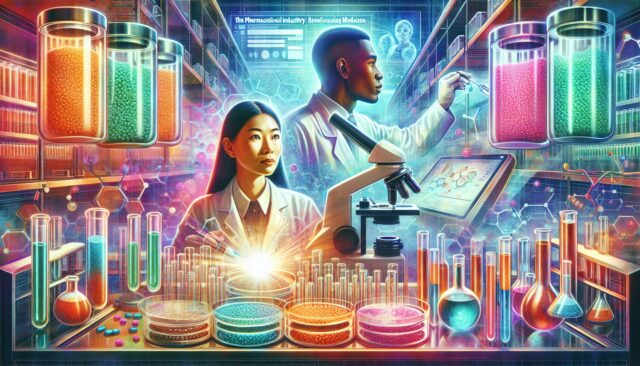
The pharmaceutical industry has played a crucial role in revolutionizing modern medicine. With advancements in research and development, pharmaceutical companies have significantly improved the quality of life and extended the lifespan of millions of people worldwide. Let’s delve into the remarkable contributions made by the industry and how it continues to shape the world of medicine.
The Introduction of Pharmaceuticals
Over the centuries, medicine has evolved from the use of natural remedies to scientifically formulated drugs. The advent of the pharmaceutical industry has opened up unprecedented possibilities for treating various diseases and conditions. Pharmaceutics, as a specialized field, combines chemistry, biology, and technology to develop drugs that are safe, effective, and readily available to patients.
Research and Development: The Pillars of Progress
The pharmaceutical industry invests significant resources into research and development (R&D) to discover innovative medicines and treatments. This extensive process involves identifying potential drug targets, conducting preclinical studies, assessing safety and efficacy, and conducting clinical trials. These trials involve diligent testing and analysis to ensure the drug’s performance, side effects, and potential interactions are well understood.
Regulatory Standards and Safety
Pharmaceutical companies operate within a strict regulatory framework to ensure the safety and efficacy of their products. Regulatory agencies, such as the U.S. Food and Drug Administration (FDA) and the European Medicines Agency (EMA), closely monitor the development, manufacturing, and distribution processes. These crucial steps guarantee that the drugs reaching patients are of high quality and meet stringent safety standards.
Life-saving Breakthroughs
Pharmaceutical innovations have led to numerous life-saving breakthroughs in recent decades. Diseases that were once fatal are now treatable or even curable. Antibiotics have revolutionized the treatment of bacterial infections, and vaccinations have eradicated or greatly reduced the impact of several deadly diseases worldwide. Moreover, medications for chronic conditions, such as diabetes and hypertension, have allowed patients to manage their conditions effectively and lead fuller lives.
Addressing Global Health Challenges
The pharmaceutical industry plays a critical role in addressing global health challenges. Companies invest in researching vaccines and treatments for emerging infectious diseases, such as Ebola, Zika, and now, COVID-19. Additionally, the industry conducts extensive research on chronic diseases, such as cancer and neurological disorders, striving to find new therapies and improve patients’ outcomes.
Accessibility and Affordability
Despite the many advancements, accessibility and affordability of medications remain critical issues. Pharmaceutical companies are continuously working to strike a balance between the cost of developing new drugs and making them accessible to those who need them most. Through collaborations with governments, organizations, and advocacy groups, the industry aims to overcome these barriers and ensure equitable access to life-saving drugs.
Conclusion: Shaping the Future of Medicine
The pharmaceutical industry has transformed the world of medicine through groundbreaking research, innovation, and improvements in patient outcomes. It continues to tackle global health challenges, striving to improve accessibility and affordability of medications. Through collaborative efforts, the industry will shape the future of medicine, bringing hope to millions of people worldwide.
As we look ahead, let us recognize the immense contributions made by the pharmaceutical industry and support ongoing efforts to make healthcare more accessible and inclusive for all.