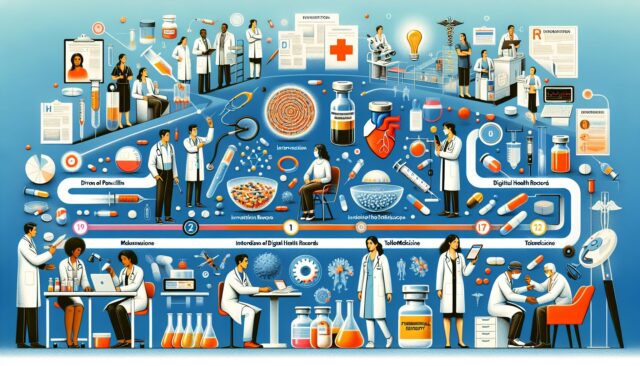
The pharmaceutical industry has revolutionized the world of medicine, paving the way for countless life-saving and life-changing advancements. With a focus on research, development, and manufacturing of drugs, this industry plays a vital role in improving global health outcomes. In this article, we will explore the incredible impact of the pharmaceutical industry and its contribution to modern medicine.
Introduction: Unveiling the Power of Pharmaceuticals
Medicine is an ever-evolving field, constantly seeking ways to eradicate diseases, alleviate suffering, and improve quality of life. The pharmaceutical industry, with its scientific expertise and extensive resources, has become a cornerstone in achieving these goals. From discovering new treatments to ensuring drug safety, this industry has transformed healthcare practices worldwide.
Body: The Pillars of Pharmaceutical Advancement
1. Research and Development (R&D): At the heart of the pharmaceutical industry lies a commitment to research and development. Pharmaceutical companies invest billions of dollars in R&D, exploring innovative drug molecules, treatment strategies, and therapeutic breakthroughs. By partnering with academic institutions and independent researchers, they uncover new avenues for combating diseases.
2. Drug Discovery and Clinical Trials: The discovery and development of new drugs take center stage in the pharmaceutical industry. Scientists identify potential drug targets and screen thousands of compounds to find those with medical potential. Rigorous clinical trials then ensue, testing the efficacy and safety of these drugs on human volunteers. This thorough process ensures that only proven medications reach the market.
3. Manufacturing and Quality Control: Once a drug successfully completes the pipeline, pharmaceutical companies meticulously manufacture it on a large scale. This step involves stringent quality control measures at every stage to ensure consistency, purity, and reliability of the final product. Stringent adherence to Good Manufacturing Practices (GMP) and regulatory standards guarantee that medicines meet strict criteria for safety and effectiveness.
4. Accessibility and Affordability: The pharmaceutical industry aims to make essential medicines accessible and affordable to all. By leveraging economies of scale and negotiating with suppliers, they strive to keep prices reasonable. Additionally, collaboration with public health institutions and non-profit organizations enables them to distribute medicines to underserved populations around the globe.
Conclusion: Envisioning a Healthier Future
Thanks to the pharmaceutical industry’s unwavering dedication, medical breakthroughs have become a reality. Incurable diseases have now become manageable, and countless lives have been saved. However, challenges remain, such as ensuring ethical practices, addressing drug pricing concerns, and bridging healthcare disparities. The pharmaceutical industry must continue to innovate, collaborate, and explore novel therapies for unmet medical needs.
As we celebrate the remarkable achievements of the pharmaceutical industry, we must also recognize the collaborative efforts of physicians, researchers, and patients. Together, they create a global healthcare ecosystem that fosters well-being and triumphs over diseases. By acknowledging their contributions and supporting responsible healthcare practices, we contribute to a healthier and more promising future for all.