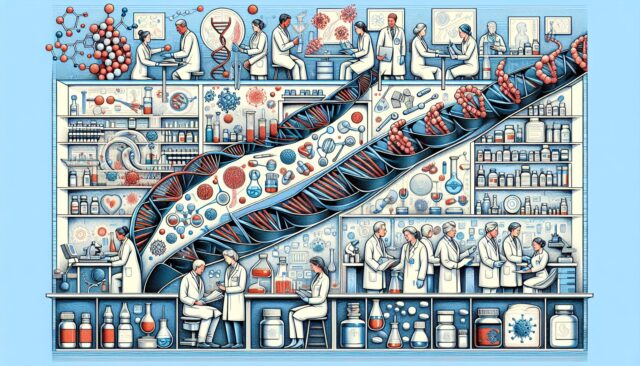
The pharmaceutical industry plays a pivotal role in revolutionizing the field of medicine by developing life-saving drugs and therapies. With a relentless pursuit of innovation, researchers and scientists work tirelessly to find cures for diseases and improve our overall well-being. This blog post will explore the importance of the pharmaceutical industry and how it continues to shape our world.
The Power of Research and Development
At the heart of the pharmaceutical industry lies the process of research and development (R&D). This rigorous process involves the investigation of new drug compounds, clinical trials, and obtaining regulatory approval. Pharmaceutical companies invest millions of dollars in R&D each year, driving the advancement of medical science.
Through extensive research, pharmaceutical companies have successfully developed medications that have transformed the treatment of various diseases. Vaccines against deadly viruses, such as polio and smallpox, are prime examples of their invaluable contributions to public health. Thanks to their efforts, countless lives have been saved, and many debilitating diseases have been eradicated.
Access to Life-Saving Medications
Pharmaceutical companies not only focus on creating new drugs but also strive to ensure their accessibility to those in need. Collaborating closely with healthcare providers and government agencies, they work to make medications more affordable and available to everyone. Patient assistance programs, generic drugs, and negotiation of lower drug prices are just a few strategies employed to improve access.
Furthermore, pharmaceutical companies frequently engage in philanthropic initiatives, providing medications and healthcare resources to underserved communities around the world. By addressing global health challenges and prioritizing the well-being of humanity, they are actively working towards a brighter and healthier future for all.
The Economic Impact
The pharmaceutical industry serves not only as a catalyst for medical advancements but also as an engine of economic growth. The creation and production of drugs generate employment opportunities, fuel research institutions, and contribute to the overall stability of the economy. Furthermore, as new treatments become available, there is a direct positive impact on productivity, as individuals regain their health and rejoin the workforce.
Investments in the pharmaceutical industry also lead to significant financial returns. This encourages continuous R&D efforts and fosters a competitive environment that drives further innovation. These financial gains further support the development of new medications and therapies, enabling the industry to meet the ever-growing needs of patients worldwide.
Ethical Considerations
While the pharmaceutical industry has undoubtedly brought about groundbreaking medical discoveries, it is not without its ethical challenges. Concerns surrounding drug pricing, patent protection, and potential conflicts of interest need to be carefully addressed. Striking a balance between profitability and the ethical responsibility of improving public health should be a continuous dialogue among pharmaceutical companies, policymakers, and society as a whole.
Conclusion
The pharmaceutical industry is an instrumental force in the realm of medicine, diligently working to create new treatments and improve existing ones. From life-saving medications to significant economic contributions, their impact on society is undeniable. As we navigate the future, it is crucial to prioritize access and affordability while ensuring ethical practices. By supporting the pharmaceutical industry, we can foster a collective effort towards advancements that will shape a healthier and brighter future for all.