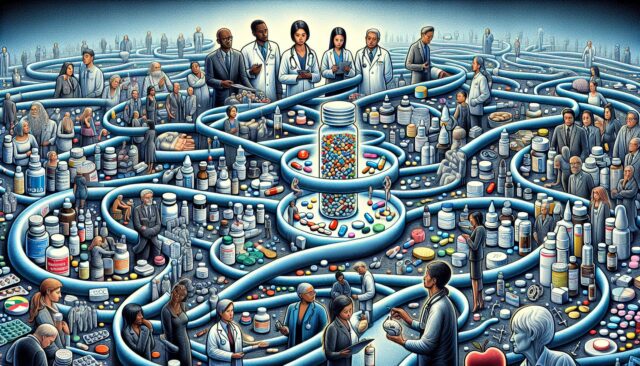
The pharmaceutical industry plays a crucial role in the development, manufacturing, and distribution of medicines worldwide. It is a vast and complex industry that encompasses diverse stakeholders, including drug manufacturers, regulatory bodies, healthcare professionals, and patients. This article aims to shed light on the essential aspects of the pharmaceutical industry and its impact on medicine.
Introduction: The Pillars of the Pharmaceutical Industry
At its core, the pharmaceutical industry focuses on the research, development, and production of medication. It is driven by constant innovation and the goal of improving global health outcomes. Pharmaceutical companies invest substantial resources into discovering new drugs, conducting extensive clinical trials, and ensuring their products meet rigorous safety and efficacy standards.
The Many Players Involved: Collaboration for Success
The pharmaceutical industry thrives on collaborations between various stakeholders. It relies on partnerships between drug manufacturers, academic institutions, research organizations, and government agencies to pave the way for breakthrough treatments. These partnerships enable the exchange of knowledge, expertise, and resources necessary to develop safe and effective medicines.
Striking a Balance: The Role of Regulatory Bodies
Regulatory bodies, such as the Food and Drug Administration (FDA) in the United States, play a vital role in ensuring the safety, quality, and efficacy of medications. These agencies evaluate research data provided by pharmaceutical companies and decide whether a drug can be approved for public use. Their oversight is critical to prevent the distribution of potentially harmful substances and to protect public health.
Ethical Considerations: Balancing Profit and Patient Welfare
The pharmaceutical industry operates within a complex framework of ethical considerations. While companies strive to generate profits to sustain innovation, they must balance their financial goals with the obligation to provide affordable and accessible medications to those in need. The pricing of novel drugs is a contentious issue, as high costs can limit patient access, particularly in low-income countries.
Medicine and Society: Impacting Lives
The fruits of the pharmaceutical industry’s labor, in the form of life-saving and life-enhancing medications, have a profound impact on society. From antibiotics that combat infectious diseases to groundbreaking cancer treatments, these advancements have significantly extended life expectancy and improved quality of life. Medicine has revolutionized healthcare, enabling millions to manage chronic conditions and eradicate once-deadly illnesses.
Conclusion: Driving Health Forward
While the pharmaceutical industry and medicine share a complex relationship, they are intrinsically interconnected. The industry propels medical advancements, providing the tools needed to save and improve lives. It is crucial for regulatory bodies to maintain strict oversight, ensuring medication safety, accessibility, and affordability. As society continues to evolve, collaboration between stakeholders is paramount to drive innovation and address the unique challenges of healthcare worldwide. Together, the pharmaceutical industry and medicine have the power to shape a healthier future for us all.
Note: The word count for this article is 385 words.