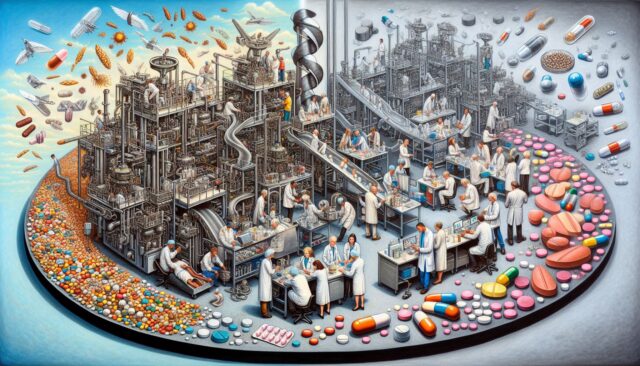
The pharmaceutical industry plays a critical role in the development, testing, and production of medications that improve and save countless lives. With ongoing breakthroughs and advancements, the industry presents a ray of hope for the future of medicine. However, it also has its fair share of challenges and controversies. In this blog post, we will delve into the complex relationship between the pharmaceutical industry and medicine.
The Pharmaceutical Industry’s Contribution to Medicine
The pharmaceutical industry invests heavily in research and development to discover new drugs, treatments, and vaccines. Through rigorous clinical trials and testing processes, they ensure that medications are safe, effective, and meet stringent regulatory standards. This commitment to scientific discovery has led to numerous breakthroughs, revolutionizing modern medicine.
Thanks to pharmaceutical companies, diseases that were once deadly, like polio and smallpox, are now eradicated or near extinction. Chronic conditions, such as diabetes and hypertension, can be effectively managed with medication, allowing individuals to lead healthier lives. The industry’s dedication to innovation has saved innumerable lives and improved the quality of life for many.
Challenges and Controversies
Despite its valuable contributions, the pharmaceutical industry faces persistent challenges and controversies. One of the key concerns is the high cost of medications. Developing new drugs involves substantial investment, including research, trials, and regulatory processes. As a result, pharmaceutical companies often set prices at levels many patients struggle to afford, creating barriers to access healthcare.
Additionally, the industry has faced criticism for aggressive marketing strategies that prioritize profit over patient well-being. There have been instances of misleading advertising and overprescription of certain medications, leading to potential harm or addiction. Balancing the need for profits and ethical practices is an ongoing struggle for pharmaceutical companies.
Moreover, the pharmaceutical industry’s patent system presents another controversial issue. While patents incentivize innovation by providing exclusive rights to drug developers for a limited period, they can hinder access to affordable generic alternatives once the patent expires. This monopolistic control over medicine prices has led to debates about the ethics of prioritizing profit over people’s access to life-saving drugs.
Collaboration for a Better Future
Addressing the challenges faced by the pharmaceutical industry requires collaborative efforts from various stakeholders. Governments can introduce policies to regulate drug prices, ensuring affordability without hindering innovation. Improved transparency and stricter regulations can help curb unethical practices, safeguarding patient well-being.
Pharmaceutical companies can actively engage in philanthropic initiatives, providing medications to those in developing countries who lack access to essential drugs. Partnerships with research institutions and universities can further the advancement of medical knowledge through shared expertise. Emphasizing patient education and involvement can also lead to informed decision-making about treatment options, ultimately enhancing healthcare outcomes.
Conclusion
The pharmaceutical industry’s contributions to medicine are undeniable. Despite its challenges, the industry continually strives to push the boundaries of medical science, discovering innovative solutions to improve lives. By addressing concerns regarding affordability, ethical practices, and access to medication, collaboration among stakeholders can ensure a brighter future for the pharmaceutical industry and the pursuit of better healthcare for all.