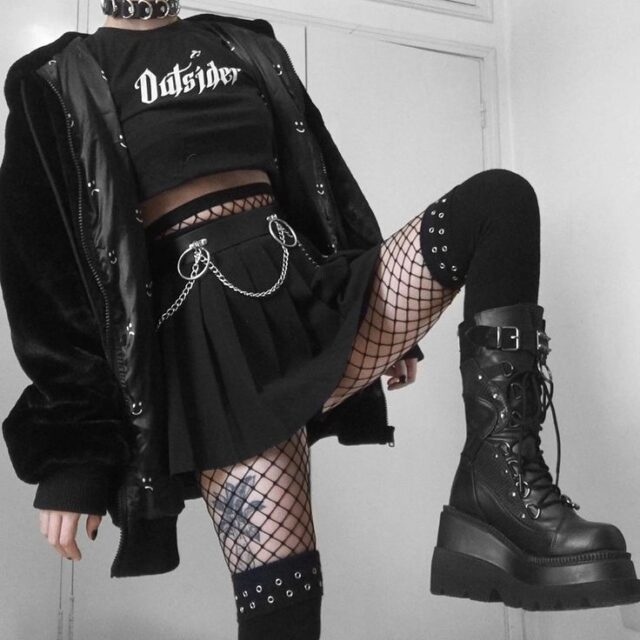
Goth fashion is a striking blend of dark romanticism and edgy style, attracting individuals who seek to express their unique identity through distinctive clothing and accessories. With roots tracing back to the post-punk music scene of the late 1970s and early 1980s, goth fashion has evolved into a complex aesthetic that embraces a variety of influences, from Victorian elegance to punk rebellion. If you’re curious about this fascinating style, you might want to check out reviews on a gothnrock clothing reviews site to gain insights about popular brands and trends.
Historical Context of Goth Fashion
The origins of goth fashion can be traced to the post-punk movement. Bands like Bauhaus and Siouxsie and the Banshees established a sound intertwined with dark themes, which in turn influenced the fashion of their fans. The goth subculture emerged as a counter-culture expression, echoing a fascination with the macabre and the paranormal. Early adopters of this style incorporated elements from various eras, most notably Victorian and Edwardian styles, leading to a modern amalgamation that has captured global attention.
Key Elements of Goth Fashion
Understanding goth fashion requires a look into its defining characteristics. Here are some key elements that exemplify this aesthetic:
- Color Palette: Goth fashion primarily embraces dark colors, particularly black, which symbolizes mystery and elegance. Accents of deep reds, purples, and sometimes metallic shades often add depth to outfits.
- Fabrics and Textures: Common materials include lace, velvet, leather, and cotton. Layering different textures is a hallmark of goth attire, creating visually interesting outfits that feel rich and luxurious.
- Silhouettes: Tailored fits, flowing skirts, and oversized coats are prevalent. A combination of fitted and loose garments often characterizes a classic goth ensemble.
- Accessories: Jewelry plays a significant role, with items often featuring symbols like crosses, skulls, and bats. Other accessories may include chokers, wrist cuffs, and belts that complement the overarching look.
- Footwear: Boots, especially combat boots and platform shoes, are essential in goth fashion. They provide both a punk edge and a statement of individuality.
Influences and Variations
While the core elements of goth fashion remain consistent, various sub-genres have emerged, each with its unique twist. Some of these include:
- Victorian Goth: This style draws heavily on the elegance of Victorian fashion, featuring corsets, long skirts, and elaborate accessories.
- Punk Goth: Merging punk’s rebellious spirit with goth’s darker elements, this style often includes ripped clothing, spikes, and aggressive visual motifs.
- Cyber Goth: Incorporating futuristic elements such as neon colors and synthetic materials, this style embraces technology and digital culture.
- Romantic Goth: A softer approach that emphasizes flowing fabrics and ethereal designs, often incorporating floral patterns and softer colors.
Making Goth Fashion Your Own
For those interested in exploring goth fashion, it’s important to remember that personal expression is key. Customizing outfits, mixing and matching elements from different styles, and selecting accessories that resonate with your personal aesthetic can make the look truly unique. Whether you choose to shop from established goth brands or explore options on a gothnrock clothing reviews site, finding pieces that speak to you is essential.
The Allure of Dark Aesthetics
The allure of goth fashion goes beyond mere clothing; it offers a way for individuals to express their inner selves and embrace themes that society often overlooks. By celebrating darkness, mystery, and individuality, the goth aesthetic serves as a powerful mode of self-expression. As this subculture continues to evolve, it remains a vibrant and dynamic aspect of contemporary fashion that encourages personalization and creativity.