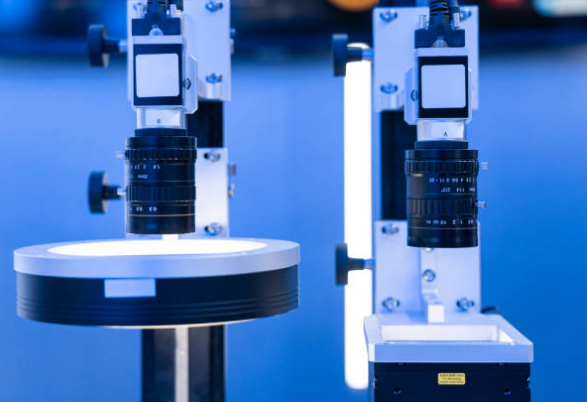
In the ever-evolving world of industrial automation, vision cameras play a pivotal role in enhancing efficiency and precision. These cameras from https://va-imaging.com are literally the eyes of automated systems, providing crucial insights that drive intelligent decision-making. Selecting the right vision camera can be a daunting task with an overwhelming array of options available. From understanding technical specifications to evaluating environmental factors, there are several key considerations to keep in mind.
Understanding Your Application Needs
Before diving into the specifics of camera selection, it’s essential to clearly understand your application needs. Are you looking for a solution that requires high-speed processing or one that demands high-resolution imaging? Knowing your priorities will guide you towards features that matter most.
- Resolution: Determine the level of detail required. Higher resolution cameras capture more detail but come at a higher cost.
- Speed: High-speed applications like conveyor belt inspections need fast image processing capabilities.
- Sensitivity: Low-light environments may require cameras with enhanced sensitivity to ensure accurate image capturing.
The Importance of Sensor Technology
The sensor is arguably one of the most critical components in a vision camera. It determines how well the camera performs across different lighting conditions and influences image quality significantly.
- CCD Sensors: Known for their excellent image quality and light sensitivity, CCD sensors are ideal for applications requiring superior image clarity.
- CMOS Sensors: These provide faster processing speeds and lower power consumption compared to CCDs, making them suitable for dynamic environments where speed is crucial.
Lenses: Focus on Precision
A great sensor isn’t enough if it’s not paired with an equally capable lens. The lens focuses light onto the sensor and directly affects image sharpness and field of view (FOV).
- Lens Mount Types: C-mounts are commonly used due to their versatility while CS-mounts offer compact solutions for space-constrained setups.
- Aperture Size: Larger apertures allow more light to reach the sensor but reduce depth of field – striking a balance based on application requirements is key.
The Role of Software Integration
An often-overlooked aspect when selecting a vision camera is its software compatibility and integration capabilities within existing systems like PLCs (Programmable Logic Controllers) or SCADA (Supervisory Control And Data Acquisition) frameworks. Look for cameras offering open APIs or SDKs that facilitate seamless integration into your current workflow without extensive modifications required on existing infrastructure such as found at https://va-imaging.com .
Your Environment Matters Literally!
The environment where you’ll deploy these vision systems can pose unique challenges requiring specific features from chosen equipment; whether dealing with harsh chemicals causing corrosion over time or extreme temperatures impacting performance stability – choosing ruggedized models designed specifically withstand tough conditions ensures longevity reliability long-term use cases scenario deployment scenarios..
A Glimpse Into The Future Of Vision Cameras For Industry 4 .0
As industries continue embracing automation advancements under Industry 4 .0 umbrella , future holds exciting possibilities further enhancing operational efficiencies through smarter interconnected devices harnessing power artificial intelligence machine learning algorithms analyze data real-time optimize processes beyond today ‘ s limitations ultimately driving innovation forward reaching new heights productivity profitability across sectors worldwide … Stay tuned because journey has only just begun !