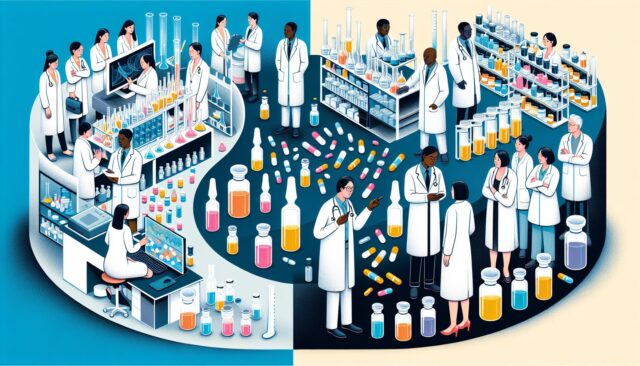
The pharmaceutical industry plays a vital role in our society, as it is responsible for the discovery, development, and production of medicine. Medicine, in turn, has the power to save lives, alleviate suffering, and improve the quality of life for millions of people worldwide. In this blog post, we will explore the importance of the pharmaceutical industry and the impact of medicine on our health.
The Importance of the Pharmaceutical Industry
The pharmaceutical industry invests significant resources in research and development to create new drugs and therapies. These advancements help combat a wide range of diseases, from common ailments to life-threatening conditions. Without the pharmaceutical industry, many diseases that are treatable today would be incurable or much more challenging to manage.
Furthermore, the industry contributes to economic growth by providing employment opportunities, generating revenue, and fostering innovation. Pharmaceutical companies collaborate with researchers, medical professionals, and regulatory agencies to ensure the safety and efficacy of their products. This collaboration often results in groundbreaking discoveries that further enhance the overall healthcare landscape.
The Impact of Medicine on Health
Medicine has revolutionized healthcare by eradicating diseases, reducing mortality rates, and improving patient outcomes. The availability of vaccines, antibiotics, and other medications has played a pivotal role in preventing and treating various illnesses. Many widespread diseases, such as smallpox and polio, have been eradicated or brought under control through the administration of vaccines.
In addition to treating acute illnesses, medicine also helps manage chronic conditions. Medications such as insulin, blood pressure regulators, and antiretroviral drugs have become essential in empowering individuals to lead healthier lives despite their conditions. Furthermore, advancements in personalized medicine, pharmacogenomics, and targeted therapies hold promise for more tailored and efficient treatments, further improving patient care.
Challenges and Ethical Considerations
While the pharmaceutical industry and medicine have brought about significant advancements in healthcare, they also face challenges and ethical considerations. One major challenge is the high cost of pharmaceuticals, especially innovative and life-saving drugs. Access to medication can be limited, particularly in developing countries or for individuals without adequate healthcare coverage. Balancing the need for affordability and sustainability with the industry’s economic demands remains an ongoing debate.
Moreover, ethical considerations arise when it comes to clinical trials, patient privacy, and the influence of pharmaceutical companies on medical professionals. It is crucial for the industry to maintain transparency and adhere to rigorous ethical standards to ensure the safety and well-being of patients.
Conclusion
The pharmaceutical industry holds a critical role in society by developing and producing life-saving medications. Medicine has made remarkable contributions to healthcare, from preventing diseases through vaccines to managing chronic conditions and improving patient outcomes. However, the industry also faces challenges such as access to medication and ethical considerations. Striking a balance between innovation, affordability, and ethical integrity is vital to continue leveraging the power of medicine for the benefit of all.