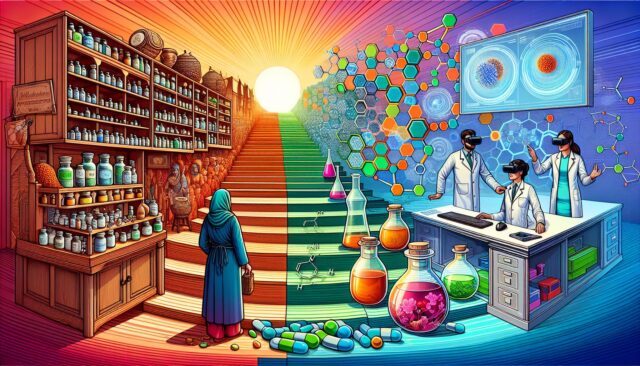
The pharmaceutical industry plays a crucial role in society by developing and producing life-saving medicines that improve our quality of life. From antibiotics to vaccines to cancer treatments, pharmaceutical companies work tirelessly to research, develop, and bring to market new drugs that can treat a wide range of illnesses and conditions.
In recent years, the pharmaceutical industry has been undergoing significant changes due to advances in technology, an increased focus on personalized medicine, and a growing emphasis on treating rare diseases. These changes have led to the development of innovative new drugs that target specific genetic mutations or biomarkers, allowing for more precise and effective treatments for patients.
Additionally, the rise of biotechnology has revolutionized the pharmaceutical industry, enabling the production of complex biologic drugs that were once thought to be impossible. Biotech companies are now able to engineer proteins, antibodies, and other molecules to create novel treatments for diseases like cancer, diabetes, and autoimmune disorders.
Despite these advancements, the pharmaceutical industry faces challenges such as rising drug prices, regulatory hurdles, and ethical concerns about the marketing and promotion of medications. The high cost of prescription drugs has become a major issue for patients, insurers, and governments, leading to calls for greater transparency and accountability from pharmaceutical companies.
Furthermore, the industry has come under scrutiny for its role in the opioid epidemic, with several companies facing lawsuits and legal action for their marketing practices and distribution of prescription painkillers. This has prompted a reevaluation of how opioids are prescribed and managed, as well as a renewed focus on developing non-addictive alternatives for pain management.
In response to these challenges, the pharmaceutical industry is evolving and adapting to meet the changing demands of healthcare. Companies are investing in research and development, forging partnerships with academic institutions and biotech startups, and exploring new technologies such as artificial intelligence and machine learning to accelerate drug discovery and development.
In conclusion, the pharmaceutical industry is a vital component of the healthcare system, providing essential medicines that save lives and improve health outcomes for millions of people worldwide. While it faces challenges and criticisms, the industry continues to innovate and push the boundaries of medical science to develop new treatments and cures for a wide range of diseases. By embracing change and working collaboratively with stakeholders, the pharmaceutical industry can continue to make a positive impact on global health and well-being.