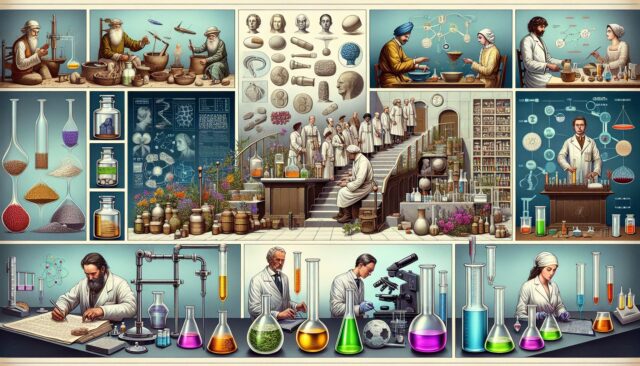
The pharmaceutical industry plays a crucial role in our healthcare system, constantly working to develop new and improved medications to treat a wide range of illnesses and conditions. Over the years, significant advancements have been made in the field of medicine, leading to better treatment options and improved patient outcomes.
One of the key drivers of progress in the pharmaceutical industry is technological innovation. From the discovery of penicillin in the 1920s to the development of targeted therapies for cancer in recent years, advances in technology have enabled researchers to better understand diseases at the molecular level and design more effective treatments. The use of cutting-edge techniques such as genomics, proteomics, and artificial intelligence has revolutionized the drug discovery process, allowing scientists to identify potential drug targets more quickly and accurately than ever before.
In addition to technological advancements, regulatory changes have also had a significant impact on the pharmaceutical industry. The introduction of regulatory bodies such as the Food and Drug Administration (FDA) in the United States has helped to ensure the safety and efficacy of new medications, providing patients with confidence in the treatments they receive. Regulatory agencies also play a key role in the approval process for new drugs, ensuring that only those that have been proven to be safe and effective are brought to market.
The pharmaceutical industry has also witnessed a shift towards personalized medicine in recent years. This approach recognizes that each patient is unique and may respond differently to treatment based on their genetic makeup, lifestyle, and other factors. By tailoring treatment plans to individual patients, personalized medicine has the potential to improve outcomes and reduce side effects, leading to better overall healthcare.
Despite these advancements, the pharmaceutical industry faces challenges as well. Rising drug prices, concerns about drug safety, and the increasing prevalence of antimicrobial resistance are just a few of the issues that the industry must contend with. However, by continuing to invest in research and development, collaborating with healthcare providers and regulatory agencies, and prioritizing patient needs, the pharmaceutical industry can overcome these challenges and continue to drive innovation in medicine.
In conclusion, the pharmaceutical industry has made significant strides in the development of new and improved medications over the years. Technological advancements, regulatory changes, and a shift towards personalized medicine have all contributed to the evolution of the industry and the improvement of patient care. By addressing the challenges it faces and staying true to its mission of improving healthcare for all, the pharmaceutical industry will continue to make a positive impact on the lives of patients around the world.