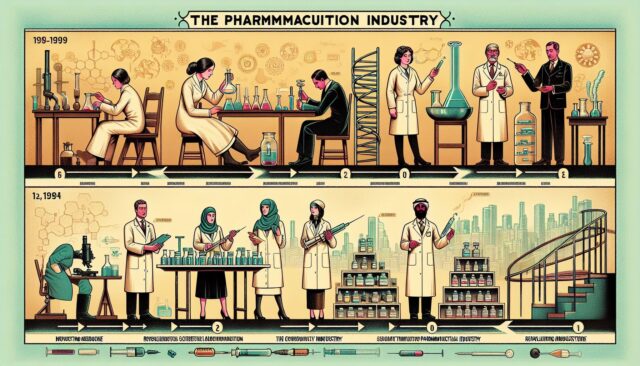
The pharmaceutical industry plays a pivotal role in the development, production, and distribution of life-saving medications and healthcare products. With continuous advancements in medical science and technology, this industry has evolved to meet the growing demands for innovative treatments and improved patient care. In this blog post, we will explore the significant contributions of the pharmaceutical industry to modern medicine.
Transformation and Innovation in Medicine
Over the years, the pharmaceutical industry has witnessed remarkable advancements, leading to groundbreaking breakthroughs in the field of medicine. Researchers and scientists tirelessly work on discovering new drugs, improving existing medications, and developing innovative therapies. These efforts have resulted in life-altering treatments for various diseases, from chronic conditions to rare disorders.
One of the most significant contributions of the pharmaceutical industry is the development of vaccines. Vaccines have been instrumental in preventing several infectious diseases and have effectively eradicated certain illnesses worldwide. From smallpox to polio, the pharmaceutical industry has played a crucial role in providing these life-saving vaccines, ensuring global public health and well-being.
Regulatory Approval and Safety Assurance
The pharmaceutical industry operates under stringent regulations to ensure the safety and efficacy of medications before they reach patients. Extensive clinical trials and rigorous testing procedures are conducted to evaluate a drug’s efficacy, potential side effects, and any associated risks. These regulatory approval processes, which involve governmental agencies like the Food and Drug Administration (FDA), are designed to protect patients and ensure that medications meet the necessary quality standards.
Pharmaceutical companies invest significant resources in research and development to meet these regulatory requirements, often spending years and vast sums of money to bring a single drug to market. This rigorous approach ensures that patients can have confidence in the medications they use and that their healthcare providers can trust the effectiveness and safety of these drugs.
Accessibility and Affordability
Ensuring global access to essential medications and improving affordability remains a challenge for the pharmaceutical industry. While pharmaceutical companies invest heavily in research and development, the cost of bringing new drugs to market can be extraordinarily high. These expenses are often passed on to patients, leading to high drug prices that can create barriers to access and affordability.
To address this issue, pharmaceutical companies are increasingly collaborating with government agencies, NGOs, and other stakeholders to make vital medications more accessible and affordable to patients in need. Efforts such as price negotiations, patient assistance programs, and discount schemes are being implemented to enhance the affordability of essential drugs and improve patient outcomes.
Conclusion
The pharmaceutical industry continues to be at the forefront of medical advancements, unlocking new possibilities in the prevention, treatment, and management of diseases. Through their dedication to research and innovation, pharmaceutical companies have revolutionized the landscape of modern medicine. However, the industry still faces challenges around accessibility and affordability. By working together and finding sustainable solutions, the pharmaceutical industry can ensure that life-changing medications are made available to all patients who require them, fostering a healthier and more equitable world.