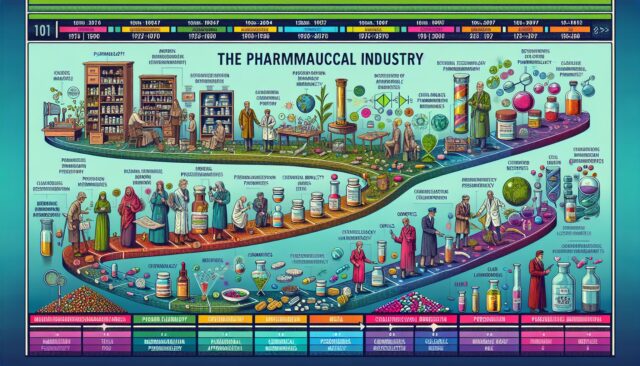
The pharmaceutical industry has come a long way since its inception, with advancements in technology and research leading to the development of life-changing medications. From treating common ailments to curing complex diseases, medicine has played a significant role in improving the quality of life for people around the world.
In recent years, the pharmaceutical industry has seen significant growth, with new drugs being developed to address a wide range of health issues. This growth can be attributed to the increasing demand for healthcare services, as well as advancements in research and development. As a result, pharmaceutical companies are constantly working to develop new medications that are more effective, safer, and more affordable for patients.
One of the most significant advancements in medicine has been the development of biologics, which are medications derived from living organisms. These drugs have revolutionized the treatment of diseases such as cancer, autoimmune disorders, and infectious diseases, offering new hope to patients who may have had limited treatment options in the past.
In addition to biologics, the pharmaceutical industry has also made strides in personalized medicine, which involves tailoring treatments to individual patients based on their genetic makeup. This approach has led to more targeted therapies that are not only more effective but also have fewer side effects, improving patient outcomes and quality of life.
Despite these advancements, the pharmaceutical industry also faces challenges, such as rising drug prices, regulatory hurdles, and competition from generic drugs. These challenges have led to debates about the affordability and accessibility of medications, with calls for reforms to ensure that patients have access to the medications they need at a reasonable cost.
In conclusion, the pharmaceutical industry has made significant strides in the development of medicine, with advancements in technology and research leading to the creation of life-saving medications. From biologics to personalized medicine, these innovations have transformed the way we treat diseases and have improved the quality of life for countless individuals. However, challenges remain, and it is important for the industry to continue to innovate and collaborate to ensure that patients have access to the medications they need to lead healthier, happier lives.